

Grundinformationen
- Standard-SMILES
N#CCC(N)=O- InChIKey
DGJMPUGMZIKDRO-UHFFFAOYSA-N- Summenformel
- C3H4N2O
- Durchschnittliche Molmasse
- 84,08 g/mol
- Monoisotopische Masse
- 84,03236275
Überblick
cyanoacetamide has been reported in Apis with data available.
Namen und Bezeichner
- Bevorzugter Name
- Cyanoacetamide
- IUPAC
- 2-cyanoacetamide
- Lokaler Name
- 2-Cyanacetamid
- Englischer Name
- 2-Cyanoacetamide
- Summenformel
- C3H4N2O
- Molmasse
- 84.08
Namen und Synonyme
2-Cyanoacetamide107-91-5CYANOACETAMIDEAcetamide, 2-cyano-CyanacetamideMalonamide nitrileMalonamonitrileNitrilomalonamide3-Nitrilo-propionamideCyanoiminoacetic acidKyanacetamidUSAF KF-14
Weitere Namen anzeigen
CYACCyanacetamidCYANOACETIC AMIDE2-CAAusafkf-14
Propionamide nitrileAmid kyseliny kyanoctoveYBK38G2YXHMalonic acid, monoamide mononitrileNSC-6285DTXSID2051552RefChem:129041DTXCID6030104
Datenbank-Bezeichner
- CAS
107-91-5- PubChem CID
- 7898
- DTXSID
DTXSID2051552- ChEMBL
CHEMBL2333142- UNII
- YBK38G2YXH
- EC Number
- 203-531-8
- Nikkaji
- J4.067C
Eigenschaften
Berechnete Struktureigenschaften
- XLogP
- -1
- Polarare Oberfläche (TPSA)
- 66,9 Ų
- H-Brücken-Donoren
- 1
- H-Brücken-Akzeptoren
- 2
- Frei drehbare Bindungen
- 1
- Schwere Atome
- 6
- Formalladung
- 0
- Komplexität
- 98,6
Experimentelle und physikochemische Eigenschaften
Chemical ClassesNitrogen Compounds -> Nitriles
SpringerMaterials PropertiesBoiling point
Color/Form
NEEDLES FROM ALCOHOL
PLATES (WATER)
WHITE POWDER
Solubility1 G DISSOLVES IN 6.5 ML COLD WATER; 1.3 G @ 0 °C IN 100 ML OF 95% ALCOHOL; 3.1 G @ 26 °C IN 100 ML OF 95% ALCOHOL; 7.0 G @ 44 °C IN 100 ML OF 95% ALCOHOL; 14.0 G @ 62 °C IN 100 ML OF 95% ALCOHOL; 21.5 G @ 71 °C IN 100 ML OF 95% ALCOHOL
Boiling PointBP: DECOMPOSES
Melting Point
119.5 °C
121.5 °C
Physical DescriptionWhite solid; [Hawley] White powder; [MSDSonline]
Physikochemische Eigenschaften
- Schmelzpunkt
- 119 · 119-121 °C(lit.)
- Siedepunkt
- 154.34 °C · 154.34°C (rough estimate)
- Dichte
- 1 · 1,4 g/cm3
- Brechungsindex
- 1.511 · 1.5110 (estimate)
- Flammpunkt
- 419 °F · 419 °F
- storage temp.
- Sealed in dry,Room Temperature
- Löslichkeit
- 1 gm · cold water: soluble1gm in 6.5ml
- pka
- -1.27 · -1.27±0.10(Predicted)
- Aggregatzustand
- Crystalline Powder
- Farbe
- White to light cream
- Geruch (Odor)
- Odorless
- Wasserlöslichkeit
- soluble
- Merck
- 14 · 14,2688
- BRN
- 878221 · 878221
- InChI
- 1S/C3H4N2O/c4-2-1-3(5)6/h1H2,(H2,5,6)
- InChIKey
- DGJMPUGMZIKDRO-UHFFFAOYSA-N
- SMILES
- NC(=O)CC#N
- CAS Datenbank
- 107 · 107-91-5(CAS DataBase Reference)
- NIST chemische Informationen
- 2 · Acetamide, 2-cyano-(107-91-5)
- EPA chemische Informationen
- 2 · 2-Cyanoacetamide (107-91-5)
Sicherheit und Regulatorisches
GHS-Klassifizierung
GHS Classification
Warning
H302 (77.4%): Harmful if swallowed [Warning Acute toxicity, oral]
P261, P264, P264+P265, P270, P271, P280, P301+P317, P302+P352, P304+P340, P305+P351+P338, P319, P321, P330, P332+P317, P337+P317, P362+P364, P403+P233, P405, and P501 (click each P-code to see the statement)
Aggregated GHS information provided per 62 reports by companies from 10 notifications to the ECHA C&L Inventory. Each notification may be associated with multiple companies.
Gefahrenhinweise
Regulatory Information
Chemical: Acetamide, 2-cyano-
Status: Active Update: 26-05-2015 https://echa.europa.eu/registration-dossier/-/registered-dossier/11828
Acetamide, 2-cyano-: Does not have an individual approval but may be used under an appropriate group standard
Fire PotentialSEE CYANIDES. MODERATE, BY CHEMICAL REACTION WITH HEAT, MOISTURE, ACID. /CYANIDES/
Hazards SummaryEmergency treatment: Cyanide; [HSDB] Subcutaneous LD50 (guinea pig) = 1155 mg/kg; Causes tremor and muscle contractions; [RTECS] An irritant; Harmful by ingestion, inhalation, or skin absorption; [Aldrich MSDS] See NITRILES.
Toxic Combustion ProductsSEE CYANIDES. EMIT HYDROCYANIC ACID. /CYANIDES/
Hazard Classes and CategoriesAcute Tox. 4 (77.4%)
Hazardous Reactivities and IncompatibilitiesSEE CYANIDES. ON CONTACT WITH ACID, ACID FUMES, WATER OR STEAM, THEY WILL PRODUCE TOXIC & FLAMMABLE VAPORS. /CYANIDES/
Sicherheit und Schutzausrüstung
Storage Conditions
SEE CYANIDES. ...MATERIALS WHICH ARE TOXIC AS STORED OR WHICH CAN DECOMP INTO TOXIC COMPONENTS...SHOULD BE STORED IN A COOL, WELL-VENTILATED PLACE, OUT OF DIRECT RAYS OF SUN, AWAY FROM AREAS OF HIGH FIRE HAZARD, & SHOULD BE PERIODICALLY INSPECTED... INCOMPATIBLE MATERIALS SHOULD BE ISOLATED FROM EACH OTHER. /CYANIDES/
Preventive MeasuresSEE CYANIDES. VENTILATION CONTROL: THE BASIC VENTILATION METHODS ARE LOCAL & EXHAUST VENTILATION & DILUTION (GENERAL) VENTILATION. /CYANIDES/
Protective Action Criteria (PAC)
0.81 [mg/m3]
8.7 [mg/m3]
52 [mg/m3]
Toxikologische Informationen
Treatment
Antidotes to cyanide poisoning include hydroxocobalamin and sodium nitrite, which release the cyanide from the cytochrome system, and rhodanase, which is an enzyme occurring naturally in mammals that combines serum cyanide with thiosulfate, producing comparatively harmless thiocyanate. Oxygen therapy can also be administered. (L97)
Health Effects
Exposure to high levels of cyanide for a short time harms the brain and heart and can even cause coma, seizures, apnea, cardiac arrest and death. Chronic inhalation of cyanide causes breathing difficulties, chest pain, vomiting, blood changes, headaches, and enlargement of the thyroid gland. Skin contact with cyanide salts can irritate and produce sores. (L96, L97)
Adverse EffectsOther Poison - Chemical Asphyxiant
Exposure RoutesOral (L96) ; inhalation (L96) ; dermal (L96)
Toxicity Summary
Organic nitriles decompose into cyanide ions both in vivo and in vitro. Consequently the primary mechanism of toxicity for organic nitriles is their production of toxic cyanide ions or hydrogen cyanide. Cyanide is an inhibitor of cytochrome c oxidase in the fourth complex of the electron transport chain (found in the membrane of the mitochondria of eukaryotic cells). It complexes with the ferric iron atom in this enzyme. The binding of cyanide to this cytochrome prevents transport of electrons from cytochrome c oxidase to oxygen. As a result, the electron transport chain is disrupted and the cell can no longer aerobically produce ATP for energy. Tissues that mainly depend on aerobic respiration, such as the central nervous system and the heart, are particularly affected. Cyanide is also known produce some of its toxic effects by binding to catalase, glutathione peroxidase, methemoglobin, hydroxocobalamin, phosphatase, tyrosinase, ascorbic acid oxidase, xanthine oxidase, succinic dehydrogenase, and Cu/Zn superoxide dismutase. Cyanide binds to the ferric ion of methemoglobin to form inactive cyanmethemoglobin. (L97)
Signs and SymptomsCyanide poisoning is identified by rapid, deep breathing and shortness of breath, general weakness, giddiness, headaches, vertigo, confusion, convulsions/seizures and eventually loss of consciousness. (L96, L97)
Human Toxicity ExcerptsMANY ORGANIC NITRILES (OR CYANIDES) ARE DECOMP IN BODY TO YIELD TOXIC CYANIDE (CN- OR HCN). /CYANO ORGANIC COMPD/
Carcinogen ClassificationNo indication of carcinogenicity to humans (not listed by IARC).
Non-Human Toxicity ExcerptsCONTACT WITH SKIN OF GUINEA PIGS CAUSED SLIGHT IRRITATION WITH NO EVIDENCE OF TOXIC SYMPTOMS BY SKIN ABSORPTION. ...IT HAS VERY LOW TOXICITY.
Non-Human Toxicity Values
LD50 RATS ORAL MORE THAN 3200 MG/KG
LD50 RATS INTRAPERITONEAL MORE THAN 800 MG/KG
Sicherheitsdaten
- wgk
- 2
- tsca
- TSCA listed
- ridadr
- UN 3439 6.1/PG 3
- hs_code
- 29269095
- RTECS-Nr.
- AB5950000
- risk_code
- 22-36/37/38-20/21/22
- hazard_code
- Xn
- safety_code
- 22-26-28A
- packing_group
- III
- Speicherklasse
- 11 - Combustible Solids
- Giftige Stoffe Daten
- 107-91-5(Hazardous Substances Data)
- Hazard Classifications
- Acute Tox. 4 OralEye Irrit. 2Skin Irrit. 2STOT SE 3
Chemie und Industrie
Pharmakologische Informationen
Metabolism/Metabolites
Organic nitriles are converted into cyanide ions through the action of cytochrome P450 enzymes in the liver. Cyanide is rapidly absorbed and distributed throughout the body. Cyanide is mainly metabolized into thiocyanate by either rhodanese or 3-mercaptopyruvate sulfur transferase. Cyanide metabolites are excreted in the urine. (L96)
Verwendung und Herstellung
Uses
Used in the synthesis of pharmaceuticals and plastics; [Hawley]
IN ORGANIC SYNTHESES (EG STARTING MATERIAL FOR VITAMIN B6 SYNTHESIS)
Methods of ManufacturingPREPARED BY ACTION OF AQ OR ALCOHOLIC AMMONIA ON CYANOACETIC ESTER: HESSE, AM CHEM J 18, 724 (1896); THOLE, THORPE, J CHEM SOC 99, 429 (1911); OTT, LOPMANN, BER 55, 1258 (1922); CORSON ET AL, ORG SYN COLL VOL I (2ND ED, 1941) P 179.
General Manufacturing InformationAcetamide, 2-cyano-: ACTIVE
Anwendungen
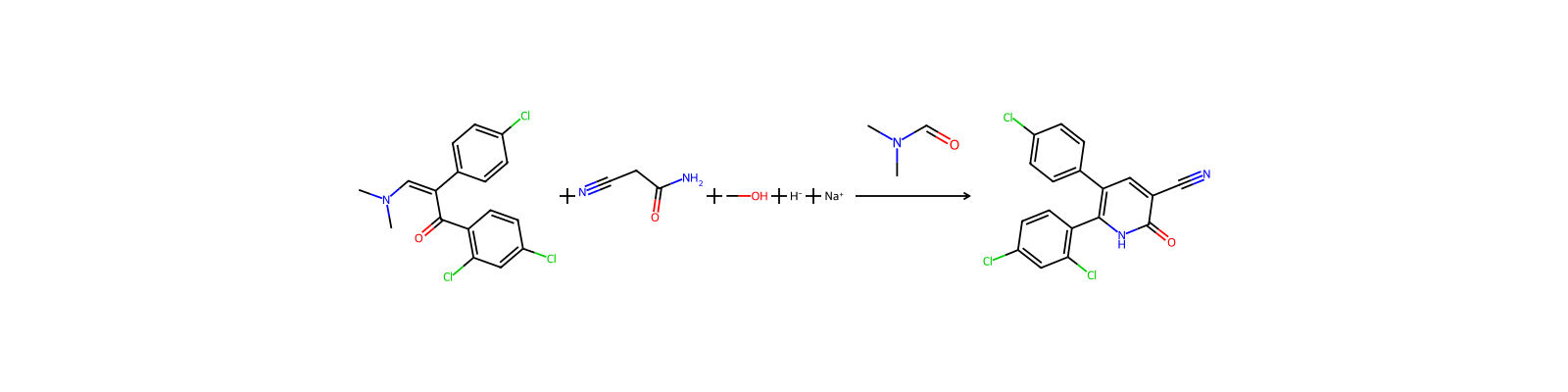
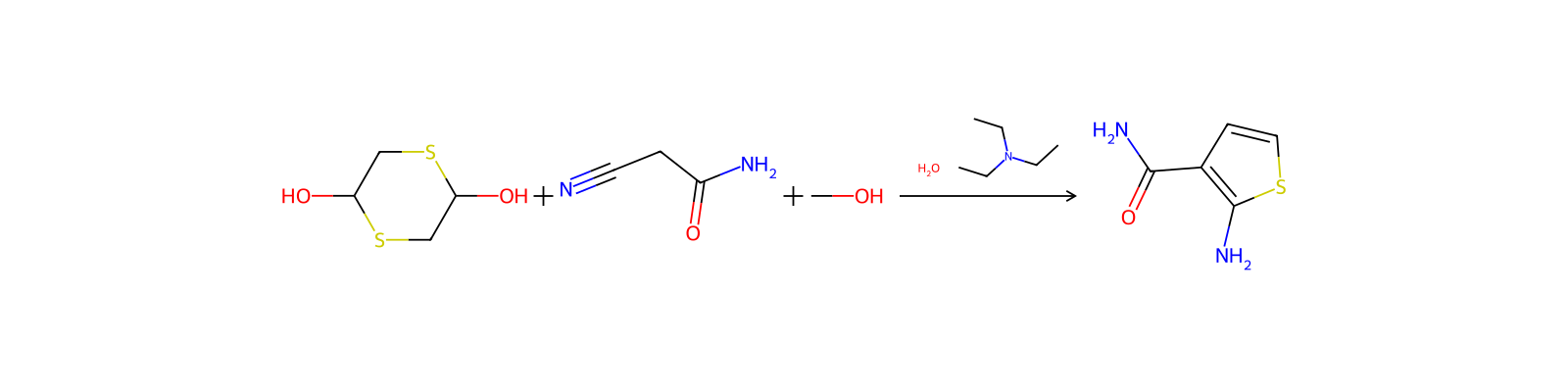
Verwenden2-Cyanoacetamide was used in spectrofluorimetric method for the determination of some antihistaminic H1 receptor antagonist drugs such as ebastine, cetirizine dihydrochloride and fexofenadine hydrochloride. It may be used in fluorometric determination of 3,4-dihydroxyphenylalanine. It was used as post column fluorigenic derivatizing agent for the bio-analysis and pharmacokinetics of chitosan ester in rabbit serum. Cyanoacetamide is the starting reagent for vitamin B6 synthesis. It reacts with reducing carbohydrates in borate buffer to give intense fluorescence and is useful for the automated analysis of carbohydrates as borate complexes. It can also be used in the synthesis of heterocyclic compounds such as pyrazole, pyridine and pyrimidine derivatives. Moreover, it can also be applied for the spectrophotometric assay of the enzyme activity of cellulose in related host cells.
Darstellung
synthetischeCyanoacetamide can be prepared from ethyl cyanoacetate and ammonia. Cool the ethyl cyanoacetate to below 200°C, add concentrated ammonia water to react, and the mixture turns from turbid to clear. After cooling in cold water for 20 minutes, a precipitate is precipitated. After filtration and drying, the crude product is obtained, and then the crude product of cyanoacetamide is added. In the boiling ethanol, after dissolving it, add a small amount of activated carbon for decolorization and purification, filter, cool the filtrate to separate out the precipitate, and dry it at 80-100 ℃ to obtain the fine cyanoacetamide.
Vor- und nachgelagerte Produkte
Vorgelagerte Rohstoffe
Nachgelagerte Produkte
Anbieter50 Anbieter
国药集团化学试剂有限公司86-21-63210123 · [email protected]
梯希爱(上海)化成工业发展有限公司021-67121386 · [email protected]
衢州润东化工有限公司0570-8789886 18892685668 · [email protected]
上海阿拉丁生化科技股份有限公司400-6206333 13167063860 · [email protected]
T&W GROUP021-61551611 13296011611 · [email protected]
爱斯特(成都)生物制药股份有限公司+86-28-85122536 85324413 · [email protected]
南通如通化工有限公司18962933129 18962933129 · [email protected]
韶远科技(上海)有限公司021-50795510 4000665055 · [email protected]
上海将来实业股份有限公司400-0066400 13621662912 · [email protected]
Syntechem Co.,Ltd[email protected]
Ark Pharm, Inc.847-367-3680 · [email protected]
上海迈瑞尔生化科技有限公司4006356688 18621169109 · [email protected]
阿法埃莎(中国)化学有限公司400-6106006 · [email protected]
安耐吉化学&3A(安徽泽升科技股份有限公司)400-0056266 · [email protected]
武汉凯威斯科技有限公司86-027-67849912 · [email protected]
上海瀚鸿科技股份有限公司021-54306202 13764082696 · [email protected]
上海景颜化工科技有限公司13817811078 · [email protected]
上海尚饮思生化医药有限公司021-021-57872719 13761402923 · [email protected]
Pure Chemistry Scientific Inc.001-857-928-2050 or 1-888-588-9418 · [email protected]
合肥天健化工有限公司551-65418679 15856988503;15837135945 · [email protected]
孝感深远化工有限公司15527621225; 15527621225 · [email protected]
山东西亚化学有限公司13355009207 13355009207 · [email protected]
玛雅试剂+86 (573) 82222445 (0)18006601000 452520369 · [email protected]
四川库利南科技有限公司400-1166-196 18981987031 · [email protected]
天津希恩思生化科技有限公司400 638 7771 · [email protected]
南京斯贝源医药科技有限公司+86-25-68710855, +86-25-68710897 · [email protected]
南京维奥化工有限公司Please Send Email 18652950785 · [email protected]
河南多贝化工有限公司0370-2785118 17550508557 · [email protected]
艾科试剂4008-755-333 18080918076 · [email protected]
上海思域化工科技有限公司86-21-34053660 · [email protected]
赛默飞世尔科技(中国)有限公司800-810-5118 · [email protected]
北京伊诺凯科技有限公司400-810-7969 010-59572699 · [email protected]
上海特伯化学科技有限公司+86-21-60341587 · [email protected]
北京清露源科技有限公司+86 (10) 6333-0989 · [email protected]
上海健超生物科技有限公司150-2103-5486 18017383231 · [email protected]
TCI AMERICA800-4238616 · [email protected]
TOKYO CHEMICAL INDUSTRY CO., LTD.03-36680489 · [email protected]
TCI Europe320-37350700 · [email protected]
上海贤鼎生物科技有限公司4009209199 · [email protected]
深圳振强药物研发有限公司0755-66853366 13670046396 · [email protected]
深圳康特腾科技有限公司86-0755-86635001 · [email protected]
越林试剂021-62960152 · [email protected]
苏州安尼康药物研发有限公司0512-69369885 · [email protected]
南京杜莱生物技术有限公司025-84699383-8003;025-846993838003-8003 18013301590 · [email protected]
无锡中坤生化科技有限公司+86 0510-85629785
上海汇凯化学科技有限公司021-61995394 18916691159 · [email protected]
上海倍卓生物科技有限公司021-61119791,13386096464 · [email protected]
上海湄水化工科技有限公司021-60549325 18616193163
上海将来实业股份有限公司400-0066400 13621662912 · [email protected]
上海将来实业股份有限公司021-61552785 · [email protected]
Ergänzende Hinweise
Definition2-Cyanoacetamide is an acetic amide with a nitrile functional group. It is a codon of glutamine that directs the placement of glutamine into a polypeptide.
Zugehörige Reaktionen
476





Verknüpfte Notizen
Wird geladen…