
3-Chlorpropionsure
3-Chloropropionic acid

Grundinformationen
- CAS
107-94-8- Standard-SMILES
O=C(O)CCCl- InChIKey
QEYMMOKECZBKAC-UHFFFAOYSA-N- Summenformel
- C3H5ClO2
- Durchschnittliche Molmasse
- 108,52 g/mol
- Monoisotopische Masse
- 107,9978071
Überblick
3-chloropropionic acid appears as a white crystalline solid with a sharp odor. Denser than water. (USCG, 1999)
Namen und Bezeichner
- Bevorzugter Name
- 3-Chloropropionic acid
- IUPAC
- 3-chloropropanoic acid
- Lokaler Name
- 3-Chlorpropionsure
- Englischer Name
- 3-Chloropropionic acid
- Summenformel
- C3H5ClO2
- Molmasse
- 108.52
Namen und Synonyme
3-CHLOROPROPIONIC ACID3-Chloropropanoic acid107-94-8Propanoic acid, 3-chloro-Propionic acid, 3-chloro-beta-Chloropropionic acid3-Chloropropanic acidbeta-Monochloropropionic acidDTXSID5021546R5J180FN9ZNSC-174DTXCID701546
Weitere Namen anzeigen
3-chloropropionicβ-Chloropropioni cacidb-Chloropropionic acid3-Chloropropionic acid,98%AKOS BBS-00003850oropropionic acid3-ChlorpropionsureRARECHEM AL BO 01613-Chloropropionic ac
RefChem:500519203-534-43-chloro-propionic acidR-Chloropropionate.beta.-Chloropropionic acidchloromethyl acetic acidWLN: QV2G.beta.-Monochloropropionic acid
Datenbank-Bezeichner
- CAS
107-94-8- PubChem CID
- 7899
- DTXSID
DTXSID5021546- ChEMBL
CHEMBL1990700- UNII
- R5J180FN9Z
- EC Number
- 203-534-4
- Nikkaji
- J4.069J
Eigenschaften
Berechnete Struktureigenschaften
- XLogP
- 0,4
- Polarare Oberfläche (TPSA)
- 37,3 Ų
- H-Brücken-Donoren
- 1
- H-Brücken-Akzeptoren
- 2
- Frei drehbare Bindungen
- 2
- Schwere Atome
- 6
- Formalladung
- 0
- Komplexität
- 52,8
Experimentelle und physikochemische Eigenschaften
Chemical ClassesOther Classes -> Organic Acids
SpringerMaterials PropertiesNuclear quadrupole resonance spectroscopy
LogP0.41
Density
1.26 (USCG, 1999) - Denser than water; will sink
DENSITY= 1.198 @ 0 °C/4 °C; BP= 155-157 °C /METHYL ESTER/
Color/Form
LEAFLETS FROM PETROLEUM ETHER
CRYSTALS
Solubility
FREELY SOL IN WATER, ALC, CHLOROFORM
MISCIBLE WITH ETHER
Flash Point
greater than 230 °F (USCG, 1999)
Flash point > 110 °C
Boiling Point
392 °F at 760 mmHg (USCG, 1999)
200 °C
Melting Point
106 °F (USCG, 1999)
41 °C
Vapor Pressure0.33 [mmHg]
Physical Description
3-chloropropionic acid appears as a white crystalline solid with a sharp odor. Denser than water. (USCG, 1999)
Solid; Somewhat hygroscopic; [Merck Index] White solid; [CAMEO]
Dissociation ConstantsK: @ 25 °C= 1.01X10⁻⁴
Physikochemische Eigenschaften
- Schmelzpunkt
- 37 °C · 37 °C
- Siedepunkt
- 203 · 203-205 °C(lit.)
- Dichte
- 1 · 1,27 g/cm3
- Brechungsindex
- 1.438 · 1.4380 (estimate)
- Flammpunkt
- 230 °F · >230 °F
- storage temp.
- 30 °C · Store below +30°C.
- Löslichkeit
- 2 O: · H2O: soluble50mg/mL, clear, colorless
- pka
- 3.98 · 3.98(at 25℃)
- Aggregatzustand
- Crystalline Low Melting Mass
- Farbe
- White to beige
- PH
- 1 · <1 (200g/l, H2O, 20℃)
- Wasserlöslichkeit
- freely soluble
- Merck
- 14 · 14,2159
- BRN
- 1098495 · 1098495
- InChIKey
- QEYMMOKECZBKAC-UHFFFAOYSA-N
- LogP
- 0.41 · 0.41
- CAS Datenbank
- 107 · 107-94-8(CAS DataBase Reference)
- NIST chemische Informationen
- 3 · Propanoic acid, 3-chloro-(107-94-8)
- EPA chemische Informationen
- 3 · 3-Chloropropionic acid (107-94-8)
Sicherheit und Regulatorisches
Sicherheitsangaben dienen nur zur Orientierung und ersetzen weder das Sicherheitsdatenblatt (SDB) des Lieferanten noch geltende Vorschriften oder eine fachliche Bewertung.
GHS-Klassifizierung
GHS Classification
Danger
H302 (24.1%): Harmful if swallowed [Warning Acute toxicity, oral]
P203, P260, P264, P270, P280, P301+P317, P301+P330+P331, P302+P361+P354, P304+P340, P305+P354+P338, P316, P318, P321, P330, P363, P405, and P501 (click each P-code to see the statement)
Aggregated GHS information provided per 58 reports by companies from 7 notifications to the ECHA C&L Inventory. Each notification may be associated with multiple companies.
Danger
H314: Causes severe skin burns and eye damage [Danger Skin corrosion/irritation]
Gefahrenhinweise
Regulatory Information
Chemical: Propanoic acid, 3-chloro-
REACH registered substance: 3-chloropropionic acid (EC: 203-534-4)
3-Chloropropionic acid: Does not have an individual approval but may be used under an appropriate group standard
DOT LabelCorrosive
Fire HazardsSpecial Hazards of Combustion Products: Contain toxic chloride fumes.
Health HazardsContact may cause skin and eye burns. Harmful if swallowed. (USCG, 1999)
Hazards SummaryEmergency treatment: irritants; [HSDB] May cause burns to skin and eyes; [CAMEO] A corrosive substance that can cause injury to the skin, eyes, and respiratory tract; Inhalation may cause chemical pneumonitis; [MSDSonline]
Reactive GroupAcids, Carboxylic
Reactivity Profile
3-CHLOROPROPIONIC ACID reacts exothermically with bases. Reacts with aqueous solutions containing a base and dissolves if neutralization generates a soluble salt. May react with active metals to form gaseous hydrogen and a metal salt. May corrode or dissolve iron, steel, and aluminum parts and containers. Reacts with cyanide salts to generate gaseous hydrogen cyanide. Reacts with diazo compounds, dithiocarbamates, isocyanates, mercaptans, nitrides, and sulfides to generate flammable and/or toxic gases and heat. Reacts with sulfites, nitrites, thiosulfates (to give H2S and SO3), dithionites (SO2), to generate flammable and/or toxic gases and heat. Reacts with carbonates and bicarbonates to generate a harmless gas (carbon dioxide) but some heat. Can be oxidized by strong oxidizing agents and reduced by strong reducing agents. These reactions generate heat. A wide variety of products is possible. May initiate polymerization reactions or catalyze other chemical reactions. Fires produces highly toxic chloride fumes (USCG, 1999).
Air and Water ReactionsWater soluble.
Hazard Classes and Categories
Acute Tox. 4 (24.1%)
Skin corrosion/irritation - Category 1
Skin corrosion/irritation - Category 1
Shipment Methods and Regulations
No person may /transport,/ offer or accept a hazardous material for transportation in commerce unless that person is registered in conformance ... and the hazardous material is properly classed, described, packaged, marked, labeled, and in condition for shipment as required or authorized by ... /the hazardous materials regulations (49 CFR 171-177)./
The International Maritime Dangerous Goods Code lays down basic principles for transporting hazardous chemicals. Detailed recommendations for individual substances and a number of recommendations for good practice are included in the classes dealing with such substances. A general index of technical names has also been compiled. This index should always be consulted when attempting to locate the appropriate procedures to be used when shipping any substance or article.
Sicherheit und Schutzausrüstung
Fire FightingFire Extinguishing Agents: Small fires: dry chemical, CO2, water spray or foam; large fires: water spray, fog or foam. (USCG, 1999)
First AidEYES OR SKIN: Immediately flush with running water for at least 15 min.; hold eyelids open if necessary. Remove and isolate contaminated clothing and shoes at the site.
Nonfire Spill ResponseExcerpt from ERG Guide 154 [Substances - Toxic and/or Corrosive (Non-Combustible)]:
Isolation and EvacuationExcerpt from ERG Guide 154 [Substances - Toxic and/or Corrosive (Non-Combustible)]:
Personal Protective Equipment (PPE)Wear self-contained positive pressure breathing apparatus and full protective clothing. (USCG, 1999)
Toxikologische Informationen
Adverse EffectsDermatotoxin - Skin burns.
Human Toxicity ExcerptsTHE ALPHA-POSITION /OF THE HALOGEN RELATIVE TO BETA-POSITION/ IS ASSOC WITH A MUCH GREATER TOXICITY.
Non-Human Toxicity ExcerptsFOUR ORGANOHALIDES (INCLUDING 3-CHLOROPROPIONIC ACID) PRODUCED ELEVATED LUNG TUMOR RESPONSE WHICH WAS SIGNIFICANT BY STUDENT'S T TEST & THE CHI-2 TEST.
Sicherheitsdaten
- F
- 3-10
- wgk
- 1
- tsca
- TSCA listed
- ridadr
- UN 3261 8/PG 2
- hs_code
- 29159080
- RTECS-Nr.
- UE8750000
- risk_code
- 35-34-21/22
- hazard_code
- C
- safety_code
- 26-36/37/39-45
- hazard_class
- 8
- packing_group
- III
- Giftige Stoffe Daten
- 107-94-8(Hazardous Substances Data)
Chemie und Industrie
Verwendung und Herstellung
Uses
Used as an intermediate; [Hawley]
CHEMICAL INTERMEDIATE
U.S. Exports
(1972) No Data
(1975) No Data
U.S. Imports
(1972) No Data
(1975) No Data
U.S. Production
(1972) No Data
(1975) PROBABLY GREATER THAN 4.54X10+5 GRAMS
Methods of Manufacturing
OXIDATION OF 3-CHLOROPROPIONALDEHYDE WITH NITRIC ACID
PREPARED BY THE HYDROLYSIS OF ETHYLENE CYANOHYDRIN WITH HYDROCHLORIC ACID; BY THE OXIDATION OF BETA-CHLOROPROPIONALDEHYDE OR OF TRIMETHYLENE CHLOROHYDRIN BY NITRIC ACID. MOUREU, CHAUX, ORG SYN 8, 54 (1928); POWELL, ORG SYN 8, 58 (1928); PAAL, LOBECK, BER 64, 2142 (1931).
General Manufacturing InformationPropanoic acid, 3-chloro-: ACTIVE
Anwendungen
Verwenden3-Chloropropionic acid was used to study the degradation of 3-chloropropionic acid by Pseudomonas sp. strain isolated from rice paddy fields. It was also used in determination of 3-bromopropionic acid, biomarker for the exposure to 1-bromopropane in human urine by gas chromatography
Vor- und nachgelagerte Produkte
Vorgelagerte Rohstoffe
Nachgelagerte Produkte
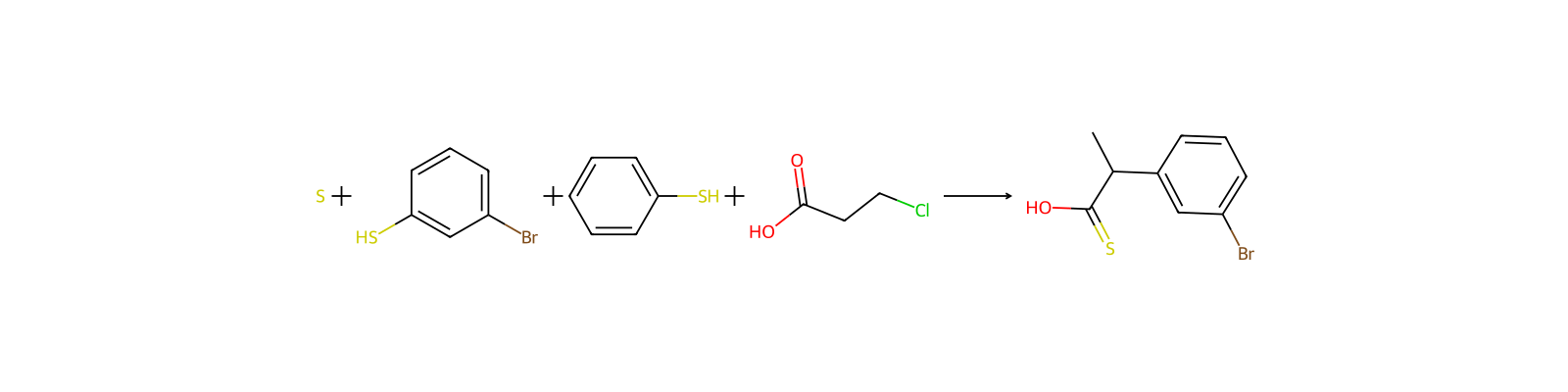
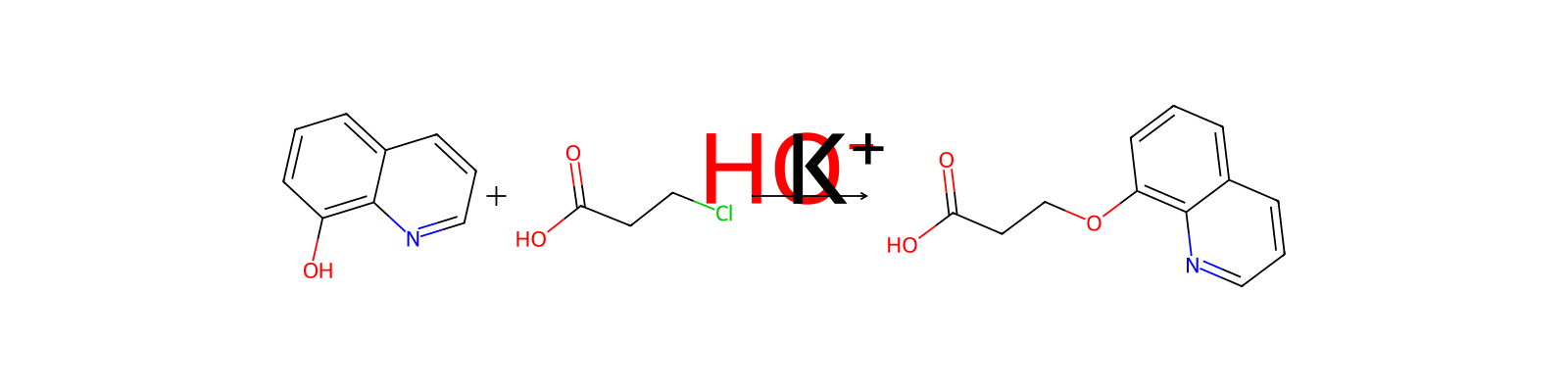
Zugehörige Reaktionen
80


Notizen zur Verbindung
Wird geladen…