
Grundinformationen
- Standard-SMILES
O=C1CCC(=O)O1- InChIKey
RINCXYDBBGOEEQ-UHFFFAOYSA-N- Summenformel
- C4H4O3
- Durchschnittliche Molmasse
- 100,07 g/mol
- Monoisotopische Masse
- 100,01604399
Namen und Bezeichner
- Bevorzugter Name
- Succinic anhydride
- IUPAC
- oxolane-2,5-dione
- Lokaler Name
- Bernsteinsureanhydrid
- Englischer Name
- Succinic anhydride
- Summenformel
- C4H4O3
- Molmasse
- 100.07
Namen und Synonyme
SUCCINIC ANHYDRIDE108-30-5oxolane-2,5-dioneSuccinic acid anhydrideSuccinyl oxideDihydro-2,5-furandione2,5-DiketotetrahydrofuranButanedioic anhydrideSuccinyl anhydride2,5-Furandione, dihydro-Rikacid SATetrahydro-2,5-dioxofuran
Weitere Namen anzeigen
SANsuccinicSAATetrahydrofuran-2,5-dioneSAA15-Furandione,dihydro-2Dihydro-furan-2,5-dione
2,5-DioxotetrahydrofuranTetrahydro-2,5-furandioneNCI-C55696DTXSID70212876RF4O17Z8JNSC-8518DTXCID701287CHEBI:36595
Datenbank-Bezeichner
- CAS
108-30-5、68412-02-2- PubChem CID
- 7922
- DTXSID
DTXSID7021287- ChEMBL
CHEMBL1370164- ChEBI
CHEBI:36595- UNII
- 6RF4O17Z8J
- EC Number
- 203-570-0
- Nikkaji
- J3.248D
Eigenschaften
Berechnete Struktureigenschaften
- XLogP
- -0,5
- Polarare Oberfläche (TPSA)
- 43,4 Ų
- H-Brücken-Donoren
- 0
- H-Brücken-Akzeptoren
- 3
- Frei drehbare Bindungen
- 0
- Schwere Atome
- 7
- Formalladung
- 0
- Komplexität
- 102
Experimentelle und physikochemische Eigenschaften
OdorODORLESS
TasteBURNING TART TASTE
Density
1.234 at 68 °F (NTP, 1992) - Denser than water; will sink
1.503 (also given as 1.104 and 1.234)
Bulk density: 47.2 lb/cu ft
Relative density (water = 1): 1.503
1.104 @25 °C
Color/Form
NEEDLES FROM ALC; RHOMBIC PYRAMIDS FROM CHLOROFORM OR CARBON TETRACHLORIDE
COLORLESS OR LIGHT-COLORED NEEDLES OR FLAKES
Orthorhombic prisms from abs alc.
Succinic anhydride forms rhombic pyramidal or bipyramidal crystals.
Solubility
less than 1 mg/mL at 70 °F (NTP, 1992)
Insoluble in water
IN ETHANOL AT 25 °C: 2.56 G/100 ML; IN ETHER AT 25 °C: 0.64 G/100 ML; IN CHLOROFORM AT 25 °C: 0.87 G/100 ML
Soluble in chloroform, carbon tetrachloride, alcohol; very slightly soluble in ether and water.
Solubility in water: none
Flash Point
157 °C
157 °C
Boiling Point
502 °F at 760 mmHg (NTP, 1992)
261 °C at 760 mm Hg
261 °C
261 °C @760 [mm Hg]
DecompositionWhen heated to decomposition it emits acrid smoke and irritating fumes.
Melting Point
247.3 °F (NTP, 1992)
119.6 °C
119 °C
119.6 °C
119.6 °C
Vapor Density
3.7 (NTP, 1992) - Heavier than air; will sink (Relative to Air)
Relative vapor density (air = 1): 3.45
Vapor Pressure
1 mmHg at 197.6 °F ; 5 mmHg at 239.0 °F; 10 mmHg at 262.8 °F (NTP, 1992)
0.0015 [mmHg]
Vapor pressure = 1 mm Hg at 92 °C
1.5X10⁻³ mm Hg at 25 °C (estrapolated)
Vapor pressure, kPa at 92 °C: 1.3
1 [mm Hg] @92 °C
Heat of Combustion-1537.9 kJ/mol
Physikochemische Eigenschaften
- Schmelzpunkt
- 118 · 118-120 °C (lit.)
- Siedepunkt
- 261 °C · 261 °C (lit.)
- Dichte
- 1 · 1,572 g/cm3
- Dampfdichte
- 3.5 · 3.5 (vs air)
- Dampfdruck
- 1 mm · 1 mm Hg ( 92 °C)
- Brechungsindex
- 1.4688 · 1.4688 (estimate)
- Flammpunkt
- 157 °C · 157°C
- storage temp.
- 30 °C · Store below +30°C.
- Löslichkeit
- 62.9 g/l · 62.9g/l Hydrolysis
- Aggregatzustand
- Solid
- pka
- 4.67 · 4.67[at 20 ℃]
- Farbe
- White to Off-White
- Wichte
- 1.234 · 1.2340 (20℃)
- PH
- 2.7 · 2.7 (10g/l, H2O)
- Geruch (Odor)
- Odorless
- Wasserlöslichkeit
- 0.1 g/100 · <0.1 g/100 mL at 21 ºC (decomposes)
- Merck
- 14 · 14,8870
- BRN
- 108441 · 108441
- Stabilität
- Stable. Incompatible with oxidising agents, strong acids, strong bases, alcohols, amines. Avoid exposure to water or moisture.
- InChI
- 1S/C4H4O3/c5-3-1-2-4(6)7-3/h1-2H2
- InChIKey
- RINCXYDBBGOEEQ-UHFFFAOYSA-N
- SMILES
- O=C1CCC(=O)O1
- LogP
- 2.44 at · 2.44 at 40℃
- CAS Datenbank
- 108 · 108-30-5(CAS DataBase Reference)
- NIST chemische Informationen
- 2 · 2,5-Furandione, dihydro-(108-30-5)
- EPA chemische Informationen
- Succinic anhydride (108-30-5)
Sicherheit und Regulatorisches
GHS-Klassifizierung
GHS Classification
Danger
H302: Harmful if swallowed [Warning Acute toxicity, oral];H314: Causes severe skin burns and eye damage [Danger Skin corrosion/irritation];H317: May cause an allergic skin reaction [Warning Sensitization, Skin];H318: Causes serious eye damage [Danger Serious eye damage/eye irritation];H334: May cause allergy or asthma symptoms or breathing difficulties if inhaled [Danger Sensitization, respiratory]
P233, P260, P261, P264, P264+P265, P270, P271, P272, P280, P284, P301+P317, P301+P330+P331, P302+P352, P302+P361+P354, P304+P340, P305+P354+P338, P316, P317, P321, P330, P333+P317, P342+P316, P362+P364, P363, P403, P405, and P501 (click each P-code to see the statement)
This chemical does not meet GHS hazard criteria for 0.2% (2 of 1275) of reports.
Gefahrenhinweise
Regulatory Information
Chemical: 2,5-Furandione, dihydro-
Hazard Traits - Respiratory Toxicity;Authoritative List - EC Annex VI Resp. Sens. - Cat. 1;Report - if used as a fragrance or flavor ingredient
2,5-Furandione, dihydro- is listed on the EPA's Chemical Data Reporting (CDR) system. Manufacturers and importers of 2,5-Furandione, dihydro- are required to report information about their production and use of this chemical to the EPA under the Toxic Substances Control Act (TSCA). (40 eCFR Part 711)
Status: Active Update: 18-05-2021 https://echa.europa.eu/registration-dossier/-/registered-dossier/2061;Status: Active Update: 05-09-2019 https://echa.europa.eu/registration-dossier/-/registered-dossier/30019
Succinic anhydride: Does not have an individual approval but may be used under an appropriate group standard
Fire Hazards
Flash point data for this compound are not available, however, it is probably combustible. (NTP, 1992)
Combustible. Gives off irritating or toxic fumes (or gases) in a fire. Finely dispersed particles form explosive mixtures in air.
Fire PotentialCombustible
Health Hazards
SYMPTOMS: Symptoms of exposure to this chemical may include eye, skin, mucous membrane and respiratory tract irritation; it may blister and burn the skin on contact.;ACUTE/CHRONIC HAZARDS: When heated to decomposition this compound emits acrid smoke and fumes of carbon monoxide and carbon dioxide. It may cause eye, respiratory tract, mucous membrane and skin irritation. It is a suspected carcinogen. (NTP, 1992)
Hazards Summary
A skin, eye, and respiratory tract irritant; [HSDB] May cause blisters and burns to skin; [CAMEO] The substance is severely irritating to the eyes and is irritating to the respiratory tract. [ICSC] An irritant (severe to eyes); [MSDSonline] See ACID ANHYDRIDES.
Reactive GroupAnhydrides
EC ClassificationSymbol: Xi; R: 36/37; S: (2)-25
Special ReportsDHHS/NTP; Toxicology & Carcinogenesis Studies of Succinic Anhydride in F344/N Rats and B6C3F1 Mice (Gavage Studies) Technical Report Series No. 373 (1990) NIH Publication No. 90-2828
Reactivity Profile
SUCCINIC ANHYDRIDE reacts exothermically with water. Reactions are usually slow, but might become violent if local heating accelerates their rate. Acids accelerate the reaction with water. Incompatible with acids, strong oxidizing agents, alcohols, amines, and bases.
Chemical DangersDecomposes on heating. This produces irritating fumes.
Air and Water ReactionsReacts slowly with water. Insoluble in water.
Other Hazardous ReactionsEvaporation at 20 °C is negligible; a harmful concentration of airborne particles can, however, be reached quickly when dispersed.
Sicherheit und Schutzausrüstung
Fire Fighting
Fires involving this compound should be controlled using a Halon, carbon dioxide, or dry chemical extinguisher. A water spray may also be used. (NTP, 1992)
Use water spray, powder, alcohol-resistant foam, carbon dioxide.
First Aid Measures
Fresh air, rest.
Rinse and then wash skin with water and soap.
First rinse with plenty of water for several minutes (remove contact lenses if easily possible), then refer for medical attention.
Rinse mouth. Give one or two glasses of water to drink.
First Aid
EYES: First check the victim for contact lenses and remove if present. Flush victim's eyes with water or normal saline solution for 20 to 30 minutes while simultaneously calling a hospital or poison control center. Do not put any ointments, oils, or medication in the victim's eyes without specific instructions from a physician. IMMEDIATELY transport the victim after flushing eyes to a hospital even if no symptoms (such as redness or irritation) develop.;SKIN: IMMEDIATELY flood affected skin with water while removing and isolating all contaminated clothing. Gently wash all affected skin areas thoroughly with soap and water. If symptoms such as redness or irritation develop, IMMEDIATELY call a physician and be prepared to transport the victim to a hospital for treatment.;INHALATION: IMMEDIATELY leave the contaminated area; take deep breaths of fresh air. If symptoms (such as wheezing, coughing, shortness of breath, or burning in the mouth, throat, or chest) develop, call a physician and be prepared to transport the victim to a hospital. Provide proper respiratory protection to rescuers entering an unknown atmosphere. Whenever possible, Self-Contained Breathing Apparatus (SCBA) should be used; if not available, use a level of protection greater than or equal to that advised under Protective Clothing.;INGESTION: DO NOT INDUCE VOMITING. If the victim is conscious and not convulsing, give 1 or 2 glasses of water to dilute the chemical and IMMEDIATELY call a hospital or poison control center. Be prepared to transport the victim to a hospital if advised by a physician. If the victim is convulsing or unconscious, do not give anything by mouth, ensure that the victim's airway is open and lay the victim on his/her side with the head lower than the body. DO NOT INDUCE VOMITING. IMMEDIATELY transport the victim to a hospital. (NTP, 1992)
Cleanup MethodsRemove all ignition sources. Sweep spilled substance into covered containers; if appropriate, moisten first to prevent dusting.
Nonfire Spill Response
SMALL SPILLS AND LEAKAGE: If a spill of this chemical occurs, FIRST REMOVE ALL SOURCES OF IGNITION, then you should dampen the solid spill material with acetone and transfer the dampened material to a suitable container. Use absorbent paper dampened with acetone to pick up any remaining material. Seal your contaminated clothing and the absorbent paper in a vapor-tight plastic bag for eventual disposal. Solvent wash all contaminated surfaces with acetone followed by washing with a soap and water solution. Do not reenter the contaminated area until the Safety Officer (or other responsible person) has verified that the area has been properly cleaned.;STORAGE PRECAUTIONS: You should store this material at ambient temperatures, and protect it from moisture. (NTP, 1992)
Disposal Methods
SRP: The most favorable course of action is to use an alternative chemical product with less inherent propensity for occupational exposure or environmental contamination. Recycle any unused portion of the material for its approved use or return it to the manufacturer or supplier. Ultimate disposal of the chemical must consider: the material's impact on air quality; potential migration in soil or water; effects on animal, aquatic, and plant life; and conformance with environmental and public health regulations.
Spillage DisposalPersonal protection: particulate filter respirator adapted to the airborne concentration of the substance. Sweep spilled substance into covered containers. If appropriate, moisten first to prevent dusting.
Preventive Measures
Prevent dispersion of dust!
Inhalation /exposure can be prevented by/ local exhaust or breathing protection. Skin /exposure can be prevented by/ protective gloves. Eye /exposure can be prevented by/ safety goggles, or eye protection in combination with breathing protection if powder. /from table/
Do not eat, drink, or smoke during work. /from table/
Eye PreventionWear safety goggles or eye protection in combination with breathing protection if powder.
Fire PreventionNO open flames.
Inhalation RiskA harmful concentration of airborne particles can be reached quickly when dispersed, especially if powdered.
Skin PreventionProtective gloves.
Toxikologische Informationen
Environmental Fate
TERRESTRIAL FATE: The half-life for the hydrolysis of succinic anhydride is 4.3 minutes(SRC), based on a rate constant of 0.0027 1/sec at 25 °C(1). The major fate of succinic anhydride in soil is expected to be hydrolysis (SRC). Succinic anhydride is not expected to volatilize from dry soil surfaces(SRC) based upon a vapor pressure of 1.5X10⁻³ mm Hg(2).
AQUATIC FATE: The half-life for the hydrolysis of succinic anhydride is 4.3 minutes(SRC), based on a rate constant of 0.0027 1/sec at 25 °C(1). The major fate of succinic anhydride in aquatic environments is expected to be hydrolysis(SRC). Bioconcentration of succinic anhydride in aquatic organisms is unlikely due its rapid hydrolysis(SRC). Approximately 78% of the succinic anhydride added to activated sewage sludge was biodegraded within five days(2,3); however, hydrolysis is expected to be the principal fate of succinic anhydride in water(SRC).
ATMOSPHERIC FATE: According to a model of gas/particle partitioning of semivolatile organic compounds in the atmosphere(1), succinic anhydride, which has a vapor pressure of 1.5X10⁻³ mm Hg at 25 °C(2) is expected to exist solely as a vapor in the ambient atmosphere. Vapor-phase succinic anhydride is degraded in the atmosphere by reaction with photochemically-produced hydroxyl radicals(SRC); the half-life for this reaction in air is estimated to be 70 days (SRC), calculated from its rate constant of 4.56X10⁻¹³ cu cm/molecule-sec at 25 °C(SRC) that was derived using a structure estimation method(3).
Adverse EffectsDermatotoxin - Skin burns.
Exposure RoutesThe substance can be absorbed into the body by inhalation and by ingestion.
Signs and Symptoms
Cough. Shortness of breath. Sore throat.
Redness. Pain.
Diarrhoea. Nausea. Vomiting.
Ongoing Test Status
The following link will take the user to the National Toxicology Program (NTP) Test Agent Search Results page, which tabulates all of the "Standard Toxicology & Carcinogenesis Studies", "Developmental Studies", and "Genetic Toxicity Studies" performed with this chemical. Clicking on the "Testing Status" link will take the user to the status (i.e., in review, in progress, in preparation, on test, completed, etc.) and results of all the studies that the NTP has done on this chemical. [http://ntp-apps.niehs.nih.gov/ntp_tox/index.cfm?fuseaction=ntpsearch.searchresults&searchterm=108-30-5]
Soil Adsorption/MobilityAdsorption of succinic anhydride in soil is unlikely due its rapid hydrolysis(1).
Human Toxicity Excerpts
/SIGNS AND SYMPTOMS/ The substance irritates the eyes, the skin and the respiratory tract.
/SIGNS AND SYMPTOMS/ Inhalation /may cause/ cough, shortness of breath, sore throat. Skin or eye /exposure may cause/ redness, pain. Ingestion /may cause/ diarrhea, nausea, vomiting. /from table/
Artificial Pollution Sources
Succinic anhydride's production and use as a chemical reactant and intermediate, in the manufacture of pharmaceuticals and esters, as a hardener for resin(1), and as an acidulant in foods(2) may result in its release to the environment through various waste streams(SRC).
Environmental Biodegradation
AEROBIC: Approximately 78% of the succinic anhydride added to activated sewage sludge at 50 ug/L was biodegraded within five days at 25 °C (1,2); however, hydrolysis is expected to be the principal fate of succinic anhydride in water and these results are probably for succinic acid, the hydrolysis product(SRC).
Carcinogen Classification
Succinic anhydride
Group 3: Not classifiable as to its carcinogenicity to humans
Volume 15: (1977) Some Fumigants, the Herbicides 2,4-D and 2,4,5-T, Chlorinated Dibenzodioxins and Miscellaneous Industrial Chemicals;Volume Sup 7: Overall Evaluations of Carcinogenicity: An Updating of IARC Monographs Volumes 1 to 42, 1987; 440 pages; ISBN 92-832-1411-0 (out of print)
1987
1987
Succinic Anhydride
Environmental Bioconcentration
Bioconcentration of succinic anhydride in aquatic organisms is unlikely due its rapid hydrolysis(1). Experimental bioconcentration factors (chemical concentration in fish/chemical concentration in water) of succinic anhydride in fish (Golden ide) were less than 10(2,3).
Volatilization from Water/SoilHydrolysis is expected to be the predominate fate of succinic anhydride in moist soil and water(1). Succinic anhydride is not expected to volatilize from dry soil surfaces(SRC) based upon a vapor pressure of 1.5X10⁻³ mm Hg(2).
Regulatorische Informationen
Regulatory Information
Chemical: 2,5-Furandione, dihydro-
Hazard Traits - Respiratory Toxicity;Authoritative List - EC Annex VI Resp. Sens. - Cat. 1;Report - if used as a fragrance or flavor ingredient
2,5-Furandione, dihydro- is listed on the EPA's Chemical Data Reporting (CDR) system. Manufacturers and importers of 2,5-Furandione, dihydro- are required to report information about their production and use of this chemical to the EPA under the Toxic Substances Control Act (TSCA). (40 eCFR Part 711)
Status: Active Update: 18-05-2021 https://echa.europa.eu/registration-dossier/-/registered-dossier/2061;Status: Active Update: 05-09-2019 https://echa.europa.eu/registration-dossier/-/registered-dossier/30019
Succinic anhydride: Does not have an individual approval but may be used under an appropriate group standard
Sicherheitsdaten
- F
- 21
- wgk
- 1
- tsca
- TSCA listed
- ridadr
- UN 3261 8 / PGII
- hs_code
- 29171990
- RTECS-Nr.
- WN0875000
- risk_code
- 36/37-22
- Toxizität
- LD50 orally in Rabbit: 1510 mg/kg
- hazard_code
- Xi,Xn
- safety_code
- 25-46
- hazard_class
- 8
- Speicherklasse
- 8A - Combustible corrosive hazardous materials
- Giftige Stoffe Daten
- 108-30-5(Hazardous Substances Data)
- Hazard Classifications
- Acute Tox. 4 OralEye Dam. 1Resp. Sens. 1Skin Corr. 1BSkin Sens. 1
- Selbstentzündungstemperatur
- 480 °C
Chemie und Industrie
Pharmakologische Informationen
Cellular LocationsCytoplasm;Extracellular
Verwendung und Herstellung
Uses
Used as an acidulant and dehydrating agent (food processing), cross-linking agent (epoxy resins and ion exchange membranes), and in gas and water treatment; Also used to make adhesives, paint drying oils, dyes, pharmaceuticals, esters, elastomers (cable coverings and extruded articles), hardeners for resins, starch modifiers in foods, succinylated monoglyceride food emulsifiers, silver haloid photographic emulsions, detergents, cosmetics, plant growth regulators, textiles, surface-active agents, lubricant additives, fire-retardants for paper, insect repellants, and herbicides; [HSDB]
Textiles (Fiber & Fabric Manufacturing) [Category: Industry];Sewer and Wastewater Treatment [Category: Industry];Plastic Composites Manufacturing [Category: Industry]
Acidulant in processed foods
Dehydrating agent in dry food mixtures
Chemical intermediate for adhesives, dyes; elastomers for special tubings, cable coverings, and extruded articles.
Manufacture of chemicals, pharmaceuticals, esters; hardener for resins, starch modifier in foods.
U.S. Exports
(1972) No Data
(1975) No Data
(1984) 2.07X10+8 g /Anhydrides, Acyl Halides, and their derivatives/
U.S. Imports
(1972) 4.5X10+6 G (PRINCPL CUSTOMS DISTS)
(1974) 2.7X10+6 G (PRINCPL CUSTOMS DISTS)
(1984) 1.99X10+9 g /Organic acid anhydrides/
U.S. Production
2023: 50,000 - <250,000 lb;2022: 1,000,000 - <2,500,000 lb;2021: 400,000 - <550,000 lb;2020: 550,000 - <700,000 lb
2,5-Furandione, dihydro- is listed as a High Production Volume (HPV) chemical (65FR81686). Chemicals listed as HPV were produced in or imported into the U.S. in >1 million pounds in 1990 and/or 1994. The HPV list is based on the 1990 Inventory Update Rule. (IUR) (40 CFR part 710 subpart B; 51FR21438).
(1972) PROBABLY GREATER THAN 4.54X10+5 G
(1975) PROBABLY GREATER THAN 9.08X10+5 G
(1986) No Data
For more U.S. Production (Complete) data for SUCCINIC ANHYDRIDE (9 total), please visit the HSDB record page.
Industry UsesCorrosion inhibitor;Not Known or Reasonably Ascertainable;pH regulating agent;Other
Methods of Manufacturing
Hydrogenation of maleic anhydride or fumaric acid; heating of succinic acid at elevated temperature and pressure.
...By treating succinic acid with diketene, succinyl chloride or acetic anhydride, or by reacting diethyl ester with boron chloride.
... Warming succinic acid with acetic anhydride, acetyl chloride, or phosphorus oxychloride.
Succinic anhydride is manufactured by catalytic hydrogenation of maleic anhydride. In the most widely used commercial process this reaction is performed in the liquid phase, at temperatures of 120-180 °C and at moderate pressures, in the range of 500-4000 kPa (72-580 psi). Catalysts mentioned in the patent literature include nickel, Raney nickel, palladium on different carriers, and palladium complexes.
Formulations/Preparations
Grade: distilled.
...Available in US as commercial grade containing at least 99.5% of pure chemical, with maximum of 0.5% unsaturated compound...0.15% chlorides, 0.04% sulfates...and 20 mg/kg heavy metals.
Flake
General Manufacturing Information
Plastics Material and Resin Manufacturing;Not Known or Reasonably Ascertainable;Textiles, apparel, and leather manufacturing;Asphalt Paving, Roofing, and Coating Materials Manufacturing
2,5-Furandione, dihydro-: ACTIVE
Anhydrous dentifrices containing an acid anhydride to maintain sweetener stability reported. Toothpaste containing 0.50 parts succinic anhydride is an example.
Succinic anhydride is...very useful dehydrating agent for removal of small amounts of moisture in...dry food mixtures which are later to be admixed with water. ...It is capable of taking up 20% of its weight of water, and the acid formed is desirable flavoring agent in many foods.
Anwendungen
BeschreibungSuccinic anhydride, also called di hydro - 2,5- furandione , is an organic compound with the molecular formula C4H4O3.This colorless solid is the acid anhydride of succinic acid.
VerwendenSuccinic Anhydride is an acidulant that hydrolyzes very slowly to succinic acid in water. it has thermal stability and a low melting point of 118°c which permits it to be used in products at compara- tively low temperatures. it is used as a leavening acidulant for bak- ing powder.
Darstellung
synthetischeA solution of succinic acid (500 mg, 42 mmol) and triethylamine (1.23 mL, 42 mmol) in anhydrous THF (120 mL) was allowed to react with triphosgene (42 mg, 7.0 mmol) at ice-water temperature for 10 min. The reaction mixture was subsequently stirred for a further 15 min at room temperature. The solution was then filtered, and the filtrate was concentrated to dryness. The residue was crystallized from ethyl acetate to afford the desired product as white crystals (370 mg, 85%).
Vor- und nachgelagerte Produkte
Vorgelagerte Rohstoffe
Nachgelagerte Produkte
Anbieter50 Anbieter
国药集团化学试剂有限公司86-21-63210123 · [email protected]
梯希爱(上海)化成工业发展有限公司021-67121386 · [email protected]
衢州润东化工有限公司0570-8789886 18892685668 · [email protected]
上海阿拉丁生化科技股份有限公司400-6206333 13167063860 · [email protected]
山东飞扬化工有限公司18954855616 · [email protected]
上海如吉生物科技发展有限公司+86-21-65211385-8001 36031160 · [email protected]
韶远科技(上海)有限公司021-50795510 4000665055 · [email protected]
Syntechem Co.,Ltd[email protected]
Ark Pharm, Inc.847-367-3680 · [email protected]
上海迈瑞尔生化科技有限公司4006356688 18621169109 · [email protected]
阿法埃莎(中国)化学有限公司400-6106006 · [email protected]
太原市瑞和丰科贸有限公司+86 351 7031519 · [email protected]
安耐吉化学&3A(安徽泽升科技股份有限公司)400-0056266 · [email protected]
上海瀚鸿科技股份有限公司021-54306202 13764082696 · [email protected]
邯郸市华骏化工有限公司13303008150 · [email protected]
上海景颜化工科技有限公司13817811078 · [email protected]
嘉兴市艾森化工有限公司0573-85285100 18627885956 · [email protected]
池州捷峰生物科技有限公司0566-8928158 · [email protected]
Pure Chemistry Scientific Inc.001-857-928-2050 or 1-888-588-9418 · [email protected]
合肥天健化工有限公司551-65418679 15856988503;15837135945 · [email protected]
山东西亚化学有限公司13355009207 13355009207 · [email protected]
玛雅试剂+86 (573) 82222445 (0)18006601000 452520369 · [email protected]
四川库利南科技有限公司400-1166-196 18981987031 · [email protected]
天津希恩思生化科技有限公司400 638 7771 · [email protected]
河南多贝化工有限公司0370-2785118 17550508557 · [email protected]
斯百全化学(上海)有限公司021-021-021-67601398-809-809-809 15221380277 · [email protected]
北京泰亚杰科技有限公司021-33690831-8001 13552411790;18616022633 · [email protected]
上海源叶生物科技有限公司13636370518 · [email protected]
艾科试剂4008-755-333 18080918076 · [email protected]
上海思域化工科技有限公司86-21-34053660 · [email protected]
赛默飞世尔科技(中国)有限公司800-810-5118 · [email protected]
北京伊诺凯科技有限公司400-810-7969 010-59572699 · [email protected]
上海遐瑞医药科技有限公司+86 21 61551611
江苏艾康生物医药研发有限公司025-66113011 13913916777 · [email protected]
上海健超生物科技有限公司150-2103-5486 18017383231 · [email protected]
TOKYO CHEMICAL INDUSTRY CO., LTD.03-36680489 · [email protected]
越林试剂021-62960152 · [email protected]
苏州安尼康药物研发有限公司0512-69369885 · [email protected]
河北傲格化工有限公司0310-4915333 · [email protected]
上海汇凯化学科技有限公司021-61995394 18916691159 · [email protected]
上海倍卓生物科技有限公司021-61119791,13386096464 · [email protected]
上海洪创医药科技有限公司18151128828 · [email protected]
北京环宇世纪化学科技有限公司hysj_bj.com
上海将来实业股份有限公司021-61552785 · [email protected]
安徽科迪达化工有限公司0554-2106669 · [email protected]
HBCChem, Inc.+1-510-219-6317 · [email protected]
日照力德士化工有限公司010-51268198 · [email protected]
郑州阿尔法化工有限公司0371-53732842 15981811963 · [email protected]
美岚实业(上海)有限公司021-58958189 · [email protected]
南京顺象医药科技有限公司025-86819868 13951004015
Zugehörige Reaktionen
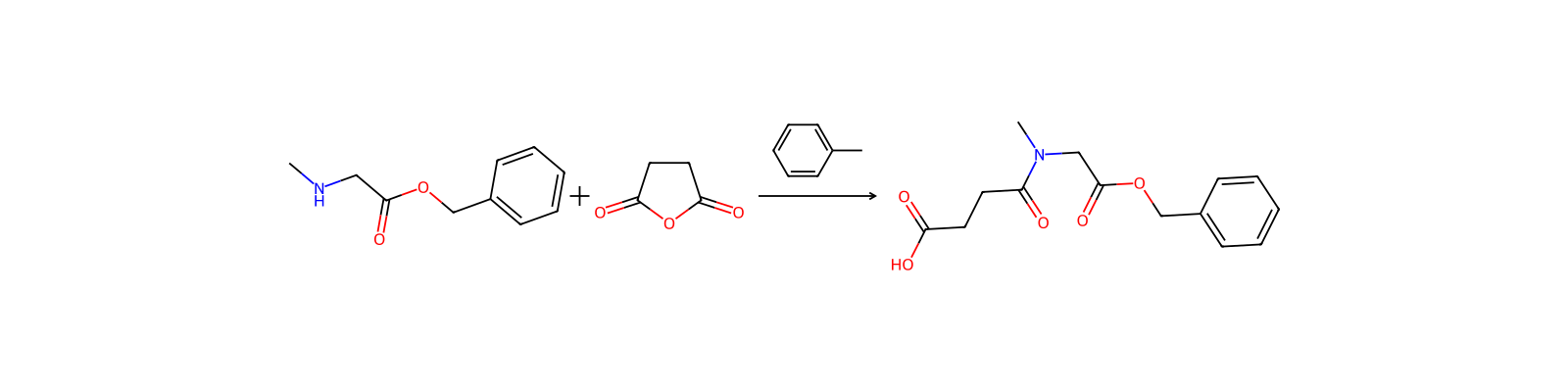
1.303




Verknüpfte Notizen
Wird geladen…