
Dimethylmalonat
Dimethyl malonate
Daten werden ergänzt – lade die Seite später neu, um den aktuellen Stand zu sehen
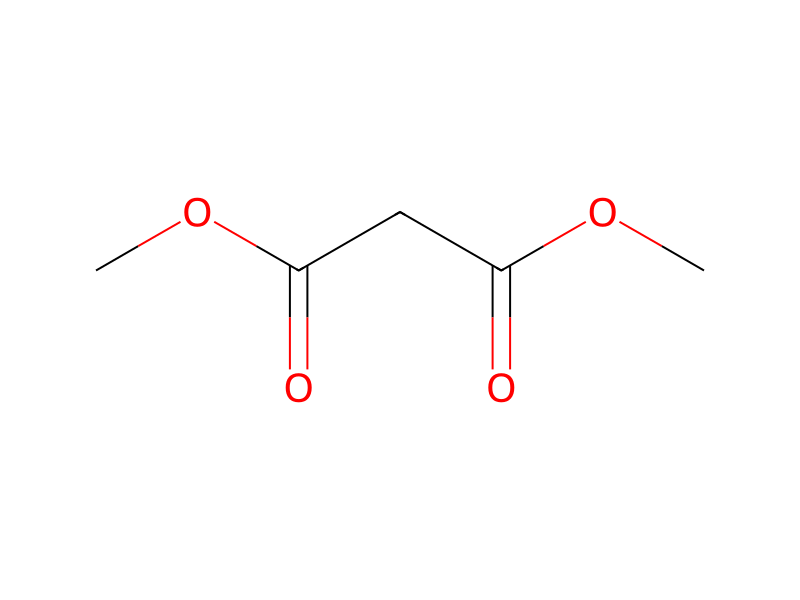
Grundinformationen
- CAS
108-59-8- Standard-SMILES
COC(=O)CC(=O)OC- InChIKey
BEPAFCGSDWSTEL-UHFFFAOYSA-N- Summenformel
- C5H8O4
- Durchschnittliche Molmasse
- 132,11 g/mol
- Monoisotopische Masse
- 132,04225874
Überblick
dimethyl malonate has been reported in Astragalus mongholicus, Astragalus membranaceus, and Myrtus communis with data available.
Namen und Bezeichner
- Bevorzugter Name
- Dimethyl malonate
- IUPAC
- dimethyl propanedioate
- Lokaler Name
- Dimethylmalonat
- Englischer Name
- Dimethyl malonate
- Summenformel
- C5H8O4
- Molmasse
- 132.11
Namen und Synonyme
Dimethyl malonate108-59-8Dimethyl propanedioateMethyl malonateMALONIC ACID, DIMETHYL ESTERDTXSID4029145EM8Y79998CDTXCID309145RefChem:134253203-597-8Malonic Acid Dimethyl EsterPropanedioic acid, dimethyl ester
Weitere Namen anzeigen
DMMdimthyl malonateDIMETHYL MALONATdimethyl1,3-propanedioateMINA-009Malonic acid dDimethyl malote
1,3-dimethyl propanedioateC5H8O4MFCD00008460Malonic acid-dimethyl esterDimethyl 1,3-propanedioateCAS-108-59-8CCRIS 8981propanedioic acid dimethyl ester
Datenbank-Bezeichner
- CAS
108-59-8- PubChem CID
- 7943
- DTXSID
DTXSID4029145- ChEMBL
CHEMBL1986332- UNII
- EM8Y79998C
- EC Number
- 203-597-8
- Nikkaji
- J1.499K
Eigenschaften
Berechnete StruktureigenschaftenWird ergänzt
- XLogP
- 0
- Polarare Oberfläche (TPSA)
- 52,6 Ų
- H-Brücken-Donoren
- 0
- H-Brücken-Akzeptoren
- 4
- Frei drehbare Bindungen
- 4
- Schwere Atome
- 9
- Formalladung
- 0
- Komplexität
- 104
Experimentelle und physikochemische Eigenschaften
Chemical ClassesOther Classes -> Esters, Other
SpringerMaterials PropertiesBoiling point
LogP-0.05
Flavoring AgentsEU Flavoring substances
Vapor Pressure14.7 [mmHg]
Physical Description
Liquid
Liquid; [Merck Index] Colorless liquid with an ester-like odor; [OECD SIDS: Malonic Acid Diesters - 2005]
Ionization Efficiency
Positive
1.58
2.7
Agilent XCT
Electrospray ionization
formic acid (5.3nM)
Physikochemische Eigenschaften
- Schmelzpunkt
- -62 °C · -62 °C (lit.)
Sicherheit und Regulatorisches
Sicherheitsangaben dienen nur zur Orientierung und ersetzen weder das Sicherheitsdatenblatt (SDB) des Lieferanten noch geltende Vorschriften oder eine fachliche Bewertung.
GHS-Klassifizierung
GHS Classification
This chemical does not meet GHS hazard criteria for 86.3% (1530 of 1773) of all reports.
Warning
H319 (13.6%): Causes serious eye irritation [Warning Serious eye damage/eye irritation]
P264+P265, P280, P305+P351+P338, and P337+P317 (click each P-code to see the statement)
Aggregated GHS information provided per 1773 reports by companies from 16 notifications to the ECHA C&L Inventory.
Gefahrenhinweise
Regulatory Information
Chemical: Propanedioic acid, dimethyl ester
Commission Regulation (EC) No 1565/2000 (Repealed by Com. Implementing Reg. (EU) No 872/2012)
Propanedioic acid, 1,3-dimethyl ester is listed on the EPA's Chemical Data Reporting (CDR) system. Manufacturers and importers of Propanedioic acid, 1,3-dimethyl ester are required to report information about their production and use of this chemical to the EPA under the Toxic Substances Control Act (TSCA). (40 eCFR Part 711)
Status: Active Update: 04-05-2022 https://echa.europa.eu/registration-dossier/-/registered-dossier/20020
Dimethyl malonate: Does not have an individual approval but may be used under an appropriate group standard
Other Safety InformationEvaluation - Chemicals that are unlikely to require further regulation to manage risks to human health
Hazards Summary
Causes no skin irritation and mild to moderate eye irritation in rabbits; No adverse effects observed in oral or dermal lethal-dose studies of rats (LD50s > 2,000 mg/kg); Reversible hepatocellular hypertrophy (considered indicative of liver metabolism rather than systemic toxicity) observed in an oral repeated-dose study of rats at the highest tested dose (1,000 mg/kg/day); No evidence of reproductive toxicity, developmental toxicity, or mutagenicity; [OECD SIDS: Malonic Acid Diesters - 2005] May cause irritation; [Alfa Aesar MSDS]
Chemie und Industrie
Verwendung und Herstellung
UsesNaturally occurring as a volatile in fruits such as pineapples, bananas, and blackberries; Used as an intermediate for agrochemicals, pharmaceuticals, industrial chemicals, and other compounds; [OECD SIDS: Malonic Acid Diesters - 2005]
U.S. Production2023: 1,000,000 - <5,000,000 lb
Industry UsesIntermediate
General Manufacturing Information
Pesticide, Fertilizer, and Other Agricultural Chemical Manufacturing
Propanedioic acid, 1,3-dimethyl ester: ACTIVE
Anwendungen
BeschreibungDimethyl malonate is a diester derivative of malonic acid. It is a common reagent for organic synthesis used, for example, as a precursor for barbituric acid. It is also used in the malonic ester synthesis. It can be synthesized from dimethoxymethane and carbon monoxide.
VerwendenDimethyl malonate is a reagent used in organic synthesis. It acts as a precursor for the synthesis of mono-substituted and di-substituted acetic acid, barbiturates, vitamin B1 and vitamin B6. It is used in the pharmaceutical industry to prepare pharmaceuticals like chloroquine and butazolidin. It is involved in the synthesis of diastereomeric pure thienylpyridines by reacting with 1,3-diphenylprop-2-enyl acetate.
Vor- und nachgelagerte Produkte
Vorgelagerte Rohstoffe
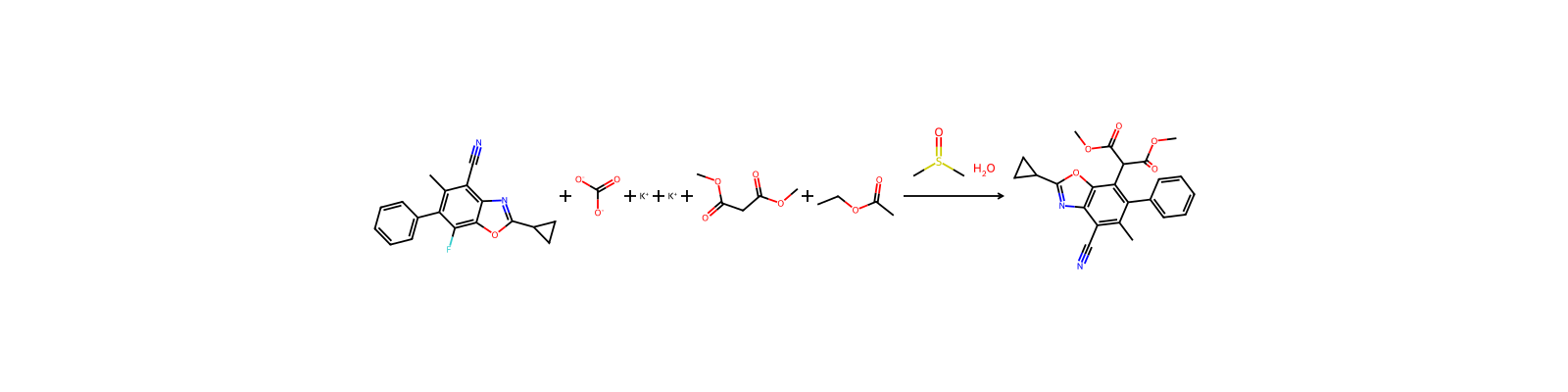
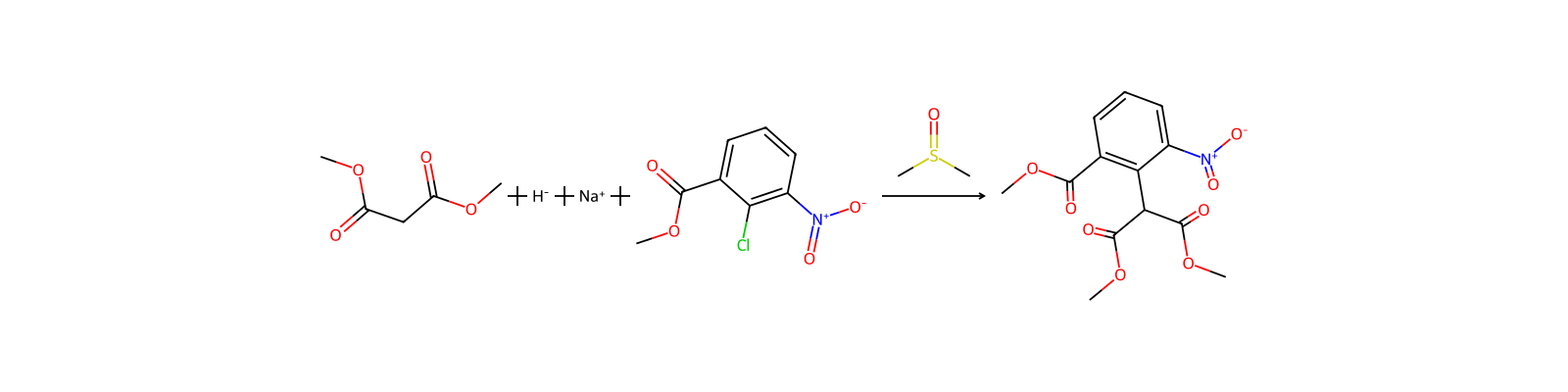
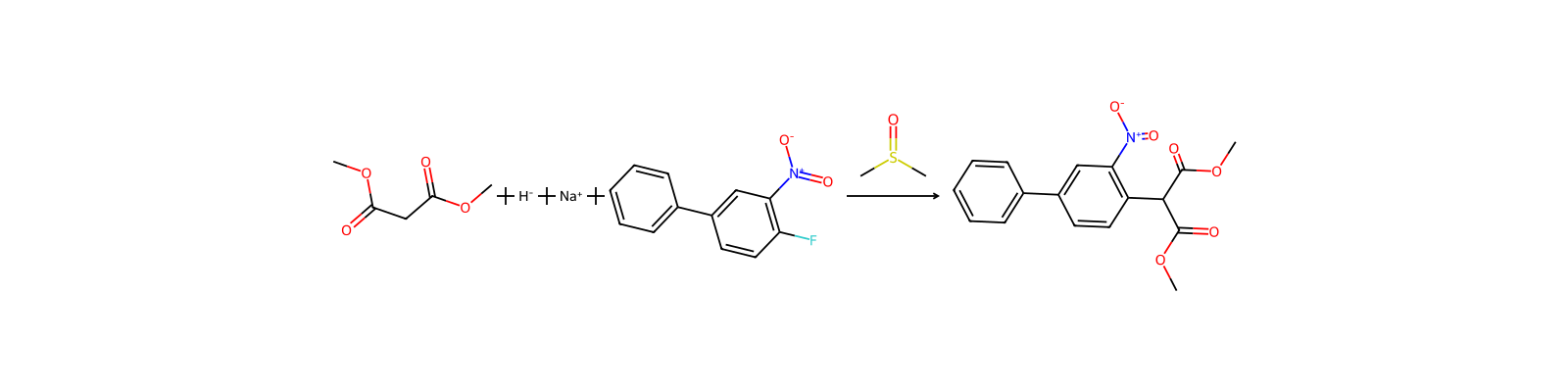
Zugehörige Reaktionen
723



Notizen zur Verbindung
Wird geladen…