
Grundinformationen
- Standard-SMILES
Sc1ccccc1- InChIKey
RMVRSNDYEFQCLF-UHFFFAOYSA-N- Summenformel
- C6H6S
- Durchschnittliche Molmasse
- 110,18 g/mol
- Monoisotopische Masse
- 110,01902119
Überblick
Phenyl mercaptan appears as a clear liquid with a repulsive odor. Boiling point 168.3 °C. Insoluble in water and denser than water. Very toxic by ingestion, skin absorption, and by inhalation. Used as a chemical intermediate and in mosquito control.
Namen und Bezeichner
- Bevorzugter Name
- Thiophenol
- IUPAC
- benzenethiol
- Lokaler Name
- Thiophenol
- Englischer Name
- Thiophenol
- Summenformel
- C6H6S
- Molmasse
- 110.18
Namen und Synonyme
BenzenethiolTHIOPHENOL108-98-5MercaptobenzenePhenyl mercaptanPhenylthiolPhenylmercaptanPhenol, thio-ThiofenolthiophenateBenzene, mercapto-RCRA waste number P014
Weitere Namen anzeigen
FEMA 3616Thiophenol/Benzenethiolusafxr-19Thiohenolthio-pheno
USAF XR-19FEMA No. 3616DTXSID70268117K011JR4T0NSC-6953DTXCID906811CHEBI:48498RefChem:118114
Datenbank-Bezeichner
- CAS
108-98-5、16528-57-7- PubChem CID
- 7969
- DTXSID
DTXSID7026811- ChEMBL
CHEMBL119405- ChEBI
CHEBI:48498- UNII
- 7K011JR4T0
- EC Number
- 203-635-3
- Nikkaji
- J2.874F
Eigenschaften
Berechnete Struktureigenschaften
- XLogP
- 2,5
- Polarare Oberfläche (TPSA)
- 1 Ų
- H-Brücken-Donoren
- 1
- H-Brücken-Akzeptoren
- 1
- Frei drehbare Bindungen
- 0
- Schwere Atome
- 7
- Formalladung
- 0
- Komplexität
- 46,1
Experimentelle und physikochemische Eigenschaften
Chemical Classes
Other Classes -> Thiols
Flammable agents - 3rd degree
pHFeebly acidic
SpringerMaterials Properties13C nuclear magnetic resonance spectrum
LogP
log Kow = 2.52
2.52
2.52
OdorRepulsive, penetrating, garlic-like odor, especially when impure
Food AdditivesFLAVOR ENHANCER, FLAVORING AGENT OR ADJUVANT -> FDA Substance added to food
Density
1.0728 at 77 °F (EPA, 1998) - Denser than water; will sink
1.0775 g/cu cm at 20 °C
Relative density (water = 1): 1.07
1.073-1.080
1.073
1.073 @25 °C
Flavoring AgentsEU Flavoring substances
Color/FormWater-white liquid
Solubility
0.08 % at 77 °F (NIOSH, 2024)
In water, 835 mg/L at 25 °C
Water solubility of 836 mg/l at 25 °C.
In water, 470 mg/L at 15 °C
Very soluble in alcohol; miscible with ether, benzene, carbon disulfide
Soluble in ethanol, ethyl ether, benzene; slightly soluble in carbon tetrachloride
Flash Point
127 °F (USCG, 1999)
127 °F
50 °C (122 °F) (Closed cup)
132 °F
132 °F
Boiling Point
334.9 °F at 760 mmHg (EPA, 1998)
169.1 °C
169.00 °C. @ 760.00 mm Hg
168 °C
169 °C; 46.4 °C (10mm Hg)
336 °F
Physikochemische Eigenschaften
- Schmelzpunkt
- -15 °C · -15 °C
- Siedepunkt
- 169 °C · 169 °C(lit.)
- Dichte
- 1.078 · 1.078
- Dampfdichte
- 3.8 · 3.8 (vs air)
- Dampfdruck
- 1.4 mm · 1.4 mm Hg ( 20 °C)
- Brechungsindex
- 20 · n20/D 1.588(lit.)
- FEMA
- 3616 · 3616 | BENZENETHIOL
- Flammpunkt
- 123 °F · 123 °F
- storage temp.
- Store at RT.
- Löslichkeit
- DMSO, Ethyl Acetate
- pka
- 6.6 · 6.6(at 25℃)
- Aggregatzustand
- Liquid
- Farbe
- Clear colorless to slightly yellow
- Geruch (Odor)
- Unpleasant
- PH
- 5 · 5 (20°C in H2O, saturated aqueous solution)
- Geruchsart
- meaty
- Wasserlöslichkeit
- insoluble
- Spezifische Wärmekapazität
- 1.57 J/ · Cp(liquid): 1.57 J/(g·K), at 25℃
- Merck
- 14 · 14,9355
- JECFA Number
- 525 · 525
- BRN
- 506523 · 506523
- Henry's Law Constant
- 2.9 · 2.9×10-2 mol/(m3Pa) at 25℃, Duchowicz et al. (2020)
- Dielectric constant
- 4.4 · 4.4(25℃)
- Stabilität
- Stable. Flammable. May form explosive mixtures with air. Stench. Incompatible with strong oxidizing agents.
- Major Application
- agriculturecleaning productscosmeticsenvironmentalflavors and fragrancesfood and beveragespersonal care
- InChI
- 1S/C6H6S/c7-6-4-2-1-3-5-6/h1-5,7H
- InChIKey
- RMVRSNDYEFQCLF-UHFFFAOYSA-N
- SMILES
- Sc1ccccc1
- LogP
- 2.33 · 2.33
- CAS Datenbank
- 108 · 108-98-5(CAS DataBase Reference)
- NIST chemische Informationen
- Benzenethiol(108-98-5)
- EPA chemische Informationen
- Thiophenol (108-98-5)
Sicherheit und Regulatorisches
GHS-Klassifizierung
GHS Classification
Danger
H226 (99.8%): Flammable liquid and vapor [Warning Flammable liquids]
P210, P233, P240, P241, P242, P243, P260, P262, P264, P264+P265, P270, P271, P273, P280, P284, P301+P316, P301+P330+P331, P302+P352, P302+P361+P354, P303+P361+P353, P304+P340, P305+P354+P338, P316, P317, P320, P321, P330, P332+P317, P361+P364, P362+P364, P363, P370+P378, P391, P403+P233, P403+P235, P405, and P501 (click each P-code to see the statement)
Aggregated GHS information provided per 1653 reports by companies from 22 notifications to the ECHA C&L Inventory. Each notification may be associated with multiple companies.
Warning
H400: Very toxic to aquatic life [Warning Hazardous to the aquatic environment, acute hazard]
Gefahrenhinweise
Hazards IdentificationToxic/poison by inhalation (TIH/PIH)
Regulatory Information
Chemical: Benzenethiol
Benzenethiol is listed on the EPA's Chemical Data Reporting (CDR) system. Manufacturers and importers of Benzenethiol are required to report information about their production and use of this chemical to the EPA under the Toxic Substances Control Act (TSCA). (40 eCFR Part 711)
Status: Active Update: 01-10-2021 https://echa.europa.eu/registration-dossier/-/registered-dossier/10117
Thiophenol: HSNO Approval: HSR003057 Approved with controls
The New Jersey Worker and Community Right to Know Act requires public and private employers to provide information about hazardous substances at their workplaces. (N.J.S.A. 34:5A-1 et. seq.)
DOT LabelPoison Inhalation Hazard Flammable Liquid
Fire Hazards
When heated to decomposition or on contact with acids, it emits toxic fumes of sulfur oxides. May be ignited by heat, sparks or flames. Container may explode in heat of fire. Vapor explosion and poison hazard indoors, outdoors or in sewers. Unstable, oxidizes in air. Avoid contact with acids. (EPA, 1998)
· HIGHLY FLAMMABLE: Will be easily ignited by heat, sparks or flames.
Flammable. Gives off irritating or toxic fumes (or gases) in a fire.
Fire PotentialFlammable liquid
Health Hazards
Marked potential for causing eye changes. May cause death (EPA, 1998)
· TOXIC; may be fatal if inhaled, ingested or absorbed through skin.
Hazards Summary
Phenyl mercaptan causes tearing of the eyes; it is a skin and respiratory irritant. Volunteers tolerate 1.5 ppm for 5 minutes (eye irritation), 8 ppm for 10 seconds (eye irritation), and a single breath of 35 ppm (nasal irritation). [ACGIH] Inhalation may cause CNS effects; [ICSC] Liquid is corrosive to skin. [CHRIS] Corrosive to skin; [Quick CPC] See THIOLS.
The major hazards encountered in the use and handling of thiophenol stem from its toxicologic properties and flammability. Toxic by all routes (ie, inhalation, ingestion, and dermal contact), exposure to this clear-to-white, garlic-smelling liquid may occur from its manufacture and use as a chemical intermediate for insecticides, acaricides, fungicides, pharmaceuticals, and polymers. Effects from exposure may include contact burns to the skin and eyes, headaches, eye changes, and methemoglobin formation. OSHA has set a time-weighted average (TWA) limit of 0.5 ppm, as a final rule to become effective December 31, 1992. Local exhaust ventilation should be used to control thiophenol in workplace air. In activities and situations where over-exposure may occur, wear a self-contained breathing apparatus and chemical protective clothing which is specifically recommended by the shipperor producer. If contact should occur, irrigate eyes with copious amounts of tepid water for at least 15 minutes, and wash exposed skin thoroughly with soap and water. Contaminated clothing and shoes should be removed and left at the site. Thiophenol may be ignited by heat, sparks, or flames, and may form explosive concentrations in confined spaces such as sewers. For fires involving thiophenol, extinguish with dry chemical, CO2, water spray, fog, or regular foam. Fight such fires from a maximum distance and dike fire control water for later disposal. Thiophenol may be transported domestically via air, rail, road, and water, in containers bearing the label, "Poison." For small spills of thiophenol, take up with sand or other noncombustible absorbent and place into containers for later disposal. Large spills should be diked far ahead for later disposal.
DOT ID and Guide
2337 131
2337 131
FDA Requirements
Thiophenol is a food additive permitted for direct addition to food for human consumption as a synthetic flavoring substance and adjuvant in accordance with the following conditions: a) they are used in the minimum quantity required to produce their intended effect, and otherwise in accordance with all the principles of good manufacturing practice, and b) they consist of one or more of the following, used alone or in combination with flavoring substances and adjuvants generally recognized as safe in food, prior-sanctioned for such use, or regulated by an appropriate section in this part.
Reactive GroupSulfides, Organic
UN ClassificationUN Hazard Class: 6.1; UN Subsidiary Risks: 3; UN Pack Group: I
Special Reports
DHEW/NIOSH; Occupational exposure to n-alkane mono thiols, cyclohexanethiol and benzenethiol; DHEW (NIOSH) Pub 78-213: 129 pp (1978). A review, with 143 references, of thio exposure std & safety, biological effects of exposure to thiols, & sampling & analysis of thiols in the environment.
Spafford RB, Dillon HK; Analytical Methods Evaluation and Validation for Vinylidene fluoride, Vinyl bromide, Vinyl fluoride, Benzenethiol, and n-Octanethiol 70 pp (1981) Iss SORI-EAS-81-405; PB83-133447. Analytical methods were evaluated & validated for benzenethiol in air.
Sicherheit und Schutzausrüstung
Fire Fighting
Keep unnecessary people away; isolate hazard area and deny entry. Stay upwind; keep out of low areas. Ventilate closed spaces before entering them. Wear positive pressure breathing apparatus and special protective clothing.
Use powder, AFFF, foam, carbon dioxide. In case of fire: keep drums, etc., cool by spraying with water.
First Aid Measures
Fresh air, rest. Refer for medical attention.
Remove contaminated clothes. Rinse skin with plenty of water or shower. Refer for medical attention .
First rinse with plenty of water for several minutes (remove contact lenses if easily possible), then refer for medical attention.
Rinse mouth. Refer for medical attention .
Accidental Release Measures
· CALL 911. Then call emergency response telephone number on shipping paper. If shipping paper not available or no answer, refer to appropriate telephone number listed on the inside back cover.
· ELIMINATE all ignition sources (no smoking, flares, sparks or flames) from immediate area.
First Aid
Signs and Symptoms of Acute Thiophenol Exposure: Acute exposure to thiophenol may result in cough, difficulty in breathing, irritation of the lungs, and pneumonia. Nausea, vomiting, and diarrhea are often seen. Contact with thiophenol may result in irritation and redness, pain, inflammation, and severe burns to the skin, eyes, and mucous membranes.
General First Aid:
(General first aid procedures)
Safe StorageSeparated from strong oxidants, strong acids and food and feedstuffs.
Firefighting HazardsSpecial hazards arising from the substance or mixture: Carbon oxides, sulphur oxides.
Exposure Control and Personal Protection
· Wear positive pressure self-contained breathing apparatus (SCBA).
TIH (Toxic Inhalation Hazard) - Term used to describe gases and volatile liquids that are toxic when inhaled. Some are TIH materials themselves, e.g., chlorine, and some release TIH gases when spilled in water, e.g., chlorosilanes. [ERG 2016].
Fire Fighting Procedures
If material on fire or involved in fire: Do not extinguish fire unless flow can be stopped. Use water in flooding quantities as fog. Cool all affected containers with flooding quantities of water. Apply water from as far a distance as possible. Solid streams of water may be ineffective. Use foam, dry chemical, or carbon dioxide. /Phenyl mercaptan/
Suitable extinguishing media: For small (incipient) fires, use media such as "alcohol" foam, dry chemical, or carbon dioxide. For large fires, apply water from as far as possible. Use very large quantities (flooding) of water applied as a mist or spray; solid streams of water may be ineffective. Cool all affected containers with flooding quantities of water.
Advice for firefighters: Wear self contained breathing apparatus for fire fighting if necessary.
Use water spray to cool unopened containers.
Storage ConditionsConditions for safe storage, including any incompatibilities: Store in cool place. Keep container tightly closed in a dry and well-ventilated place. Containers which are opened must be carefully resealed and kept upright to prevent leakage.
Cleanup Methods
Environmental considerations: Land spill: Dig a pit, pond, lagoon, holding area to contain liquid or solid material. /SRP: If time permits, pits, ponds, lagoons, soak holes, or holding areas should be sealed with an impermeable flexible membrane liner./ Dike surface flow using soil, sand bags, foamed polyurethane, or foamed concrete. Absorb bulk liquid with fly ash, cement powder, or commercial sorbents. /Phenyl mercaptan/
Environmental considerations: Water spill: Use natural barriers or oil spill control booms to limit spill travel. Remove trapped material with suction hoses. /Phenyl mercaptan/
Environmental considerations: Air spill: Apply water spray or mist to knock down vapors. Vapor knockdown water is corrosive or toxic and should be diked for containment.
Accidental Release Measures. Personal precautions, protective equipment and emergency procedures: Wear respiratory protection. Avoid breathing vapours, mist or gas. Ensure adequate ventilation. Remove all sources of ignition. Evacuate personnel to safe areas. Beware of vapours accumulating to form explosive concentrations. Vapours can accumulate in low areas. Environmental precautions: Prevent further leakage or spillage if safe to do so. Do not let product enter drains. Methods and materials for containment and cleaning up: Contain spillage, and then collect with an electrically protected vacuum cleaner or by wet-brushing and place in container for disposal according to local regulations.
Nonfire Spill ResponseExcerpt from ERG Guide 131 [Flammable Liquids - Toxic]:
Disposal Methods
Generators of waste (equal to or greater than 100 kg/mo) containing this contaminant, EPA hazardous waste number P014, must conform with USEPA regulations in storage, transportation, treatment and disposal of waste.
A potential candidate for liquid injection incineration at a temperature range of 650 to 1,600 °C and a residence time of 0.1 to 2 seconds. A potential candidate for rotary kiln incineration at a temperature range of 820 to 1,600 °C and residence times of seconds for liquids and gases, and hours for solids. A potential candidate for fluidized bed incineration at a temperature range of 450 to 980 °C and residence times of seconds for liquids and gases, and longer for solids.
Incineration: Dissolve in a combustible solvent such as alcohols, benzene, etc. Burn in the furnace with after scrubber to neutralize sulfur dioxide.
The following wastewater treatment technologies have been investigated for thiophenol: Concentration process: Biological treatment.
For more Disposal Methods (Complete) data for THIOPHENOL (6 total), please visit the HSDB record page.
Toxikologische Informationen
Interactions
1. Sulphur mustard reacts directly with benzenethiols and cysteine esters in aqueous medium. 2. Benzenethiols diffuse into lung slices in short term culture. 3. Treatment of lung slices in short term culture with benzenethiols does not protect cellular glutathione from conjugation with sulphur mustard. 4. Following uptake of cysteine ester into lung slices cysteine is elevated but this does not protect cellular glutathione from sulphur mustard. /benzenethiols/
Target OrgansEyes, skin, respiratory system, central nervous system, kidneys, liver, spleen
Ecotoxicity Values
LC100 bluegill sunfish 6 hr 5 mg/L/Conditions not stated/
LC100 trout 1 hr 5 mg/L /Conditions not stated/
LD50 Wild bird oral 24 mg/kg
LC100 yellow perch 3 hr 5 mg/L/Conditions not stated/
LC100 goldfish 23 hr 5 mg/L/Conditions not stated/
Environmental Fate
TERRESTRIAL FATE: Based on a classification scheme(1), an estimated Koc value of 230(SRC), determined from a structure estimation method(2), indicates that thiophenol is expected to have moderate mobility in soil(SRC). The pKa of thiophenol is 6.62(3), indicating that this compound will exist partially as an anion in the environment and anions generally do not adsorb more strongly to soils containing organic carbon and clay than their neutral counterparts(4). Volatilization of the anion form of thiophenol from moist soil surfaces is not expected because anions do not volatilize(SRC). Volatilization of the neutral form of thiophenol from moist soil surfaces is expected to be an important fate process(SRC) given an estimated Henry's Law constant of 3.35X10⁻⁴ atm-cu m/mole(SRC), based upon its vapor pressure, 1.93 mm Hg(5), and water solubility, 835 mg/L(6). Thiophenol in its neutral form is expected to volatilize from dry soil surfaces(SRC) based upon its vapor pressure(5). Thiophenol, present at 100 mg/L, reached 0% of its theoretical BOD in 4 weeks using an activated sludge inoculum at 30 mg/L in the Japanese MITI test(7). However, in water, using an activated sludge inocula, thiophenol reached 30-42% of its theoretical BOD in 6 days(8). These studies suggest that biodegradation in soil may or may not be an important fate process(SRC).
AQUATIC FATE: Based on a classification scheme(1), an estimated Koc value of 230(SRC), determined from a structure estimation method(2), indicates that thiophenol is expected to adsorb to suspended solids and sediment(SRC). A pKa of 6.62(3) indicates thiophenol will exist partially in the anion form at pH values of 5 to 9 and, therefore, volatilization of the anion form from water surfaces is not expected to be an important fate process(SRC). Volatilization of the neutral form from water surfaces is expected(4) based upon an estimated Henry's Law constant of 3.35X10⁻⁴ atm-cu m/mole(SRC), derived from its vapor pressure, 1.93 mm Hg(5), and water solubility, 835 mg/L(6). Using this Henry's Law constant and an estimation method(4), volatilization half-lives for the neutral form for a model river and model lake are 6 hours and 5 days, respectively(SRC). Thiophenol is not expected to undergo hydrolysis in the environment due to the lack of functional groups that hydrolyze under environmental conditions(4). According to a classification scheme(7), an estimated BCF of 20(SRC), from its log Kow of 2.52(8) and a regression-derived equation(2), suggests the potential for bioconcentration in aquatic organisms is low(SRC). Thiophenol, present at 100 mg/L, reached 0% of its theoretical BOD in 4 weeks using an activated sludge inoculum at 30 mg/L in the Japanese MITI test(9). However, in water, using an activated sludge inocula, thiophenol reached 30-42% of its theoretical BOD in 6 days(10). These studies suggest that biodegradation in aquatic systems may or may not be an important fate process(SRC).
ATMOSPHERIC FATE: According to a model of gas/particle partitioning of semivolatile organic compounds in the atmosphere(1), thiophenol, which has a vapor pressure of 1.93 mm Hg at 25 °C(2), is expected to exist solely as a vapor in the ambient atmosphere. Vapor-phase thiophenol is degraded in the atmosphere by reaction with photochemically-produced hydroxyl radicals(SRC); the half-life for this reaction in air is estimated to be 34 hours(SRC), calculated from its rate constant of 1.12X10⁻¹¹ cu cm/molecule-sec at 25 °C(3). Thiophenol does not contain chromophores that absorb at wavelengths >290 nm(4) and, therefore, is not expected to be susceptible to direct photolysis by sunlight(SRC).
Adverse EffectsOther Poison - Chemical Asphyxiant
Exposure Routes
The substance can be absorbed into the body by inhalation, through the skin and by ingestion.
inhalation, skin absorption, ingestion, skin and/or eye contact
Toxicity Summary
IDENTIFICATION AND USE: Thiophenol is a water-white liquid or prism-like crystal with a repulsive, penetrating odor similar to garlic, especially when impure. It is primarily used as a mosquito larvicide and chemical intermediate for pesticides, pharmaceuticals and amber dyes. HUMAN EXPOSURE AND TOXICITY: Thiophenols causes conversion of oxyhemoglobin to methemoglobin in human red blood cells and dose-dependent oxidative stress. ANIMAL STUDIES: Application of a drop to rabbit eyes caused severe irritation, moderate redness, chemosis of the conjunctiva with discharge for 3-4 days. Corneas developed opacities which gradually increased during 2-3 wk, becoming opalescent and obscuring details of pupil and iris. However, in 2 months the eyes recovered. Thiophenol administration in rats during gestation increased postimplantation loss, decreased the live litter size, decreased fetal body weight/litter, and increased the incidence of external malformations in the high dose group. In summary, maternal toxicity, observed as maternal mortality, a persistent decrease in body weight and weight gain, and decreased in food consumption during the treatment period occurred at the high dose level of 50 mg/kg/day. Rooting behavior was observed in all thiophenol groups during the dosing period indicating an aversion to the dosing formulation. Rooting behavior showed a dose-related increase and an earlier onset with increasing dose. The lowest observed-adverse-effect-level (LOAEL) was 20 mg/kg/day for maternal toxicity based upon minor, transient decreases in maternal weight gain & food consumption on gestation day 6-9. In another experiment in Sprague Dawley rats, F0 and F1 liver and kidney weights increased with increasing dose of thiophenol and were associated with centrilobular hepatocellular hypertrophy and renal tubule degeneration. Decreased (5-6%) sperm motility was observed in Sprague Dawley F0 rats administered 18 and 35 mg/kg. Inhibited spermiation was observed in all treated F1 males but not the F0 males. In developmental study in rabbits NOAEL for developmental toxicity was > or = 40 mg/kg/day; The NOAEL for maternal toxicity was 10 mg/kg/day. Thiophenol, in Salmonella typhimurium tester strains TA100 and TA98, showed relative mutagenic response with and without metabolic activation.
Signs and Symptoms
Cough. Headache. Nausea. Sore throat.
MAY BE ABSORBED! Redness. Pain.
Redness. Pain. Blurred vision.
See Inhalation.
irritation eyes, skin, respiratory system; dermatitis; cyanosis; cough, wheezing, dyspnea (breathing difficulty), pulmonary edema, pneumonitis; headache, dizziness, central nervous system depression; nausea, vomiting; kidney, liver, spleen damage
Ongoing Test Status
EPA has released the first beta version (version 0.5) of the Interactive Chemical Safety for Sustainability (iCSS) Dashboard. The beta version of the iCSS Dashboard provides an interactive tool to explore rapid, automated (or in vitro high-throughput) chemical screening data generated by the Toxicity Forecaster (ToxCast) project and the federal Toxicity Testing in the 21st century (Tox21) collaboration. /The title compound was tested by ToxCast and/or Tox21 assays; Click on the "Chemical Explorer" button on the tool bar to see the data./[USEPA; ICSS Dashboard Application; Available from, as of June 27, 2014: http://actor.epa.gov/dashboard/]
The following link will take the user to the National Toxicology Program (NTP) Test Agent Search Results page, which tabulates all of the "Standard Toxicology & Carcinogenesis Studies", "Developmental Studies", and "Genetic Toxicity Studies" performed with this chemical. Clicking on the "Testing Status" link will take the user to the status (i.e., in review, in progress, in preparation, on test, completed, etc.) and results of all the studies that the NTP has done on this chemical.[Available from, as of October 20, 2014: http://ntp-apps.niehs.nih.gov/ntp_tox/index.cfm?fuseaction=ntpsearch.searchresults&searchterm=108-98-5]
Effluent ConcentrationsThiophenol has been identified in the effluent from a petroleum refining industry(1). Thiophenol was detected as a minor component of pyrolysis of eucalyptus kraft lignin(2).
Soil Adsorption/Mobility
Using a structure estimation method based on molecular connectivity indices(1), the Koc of thiophenol can be estimated to be 230(SRC). According to a classification scheme(2), this estimated Koc value suggests that thiophenol is expected to have moderate mobility in soil. The pKa of thiophenol is 6.62(3), indicating that this compound will exist partially in anion form in the environment and anions generally do not adsorb more strongly to soils containing organic carbon and clay than their neutral counterparts(4). The sorption coefficient for thiophenol to snow was measured as log Ki 3.65 cu m/sq m(5).
Human Toxicity Excerpts
/ALTERNATIVE and IN VITRO TESTS/ Thiophenol and aminothiophenol were used to study levels of toxicity in human red blood cells. Thiophenols caused conversion of oxyhemoglobin to methemoglobin. Reduction of corresponding disulfides by intracellular glutathione caused cyclic reduction/oxidation reactions, resulting in increased oxidative flux. Three levels of oxidative stress were observed in these experiments; the lowest level resulted from incubation with 0.25 mM thiophenol; the intermediate level with 0.50 mM thiophenol or 0.25 mM 4-aminothiophenol; the highest levels with 0.50 mM 4-aminothiophenol. Methemoglobin formation increased with increasing level of oxidative stress. Glycolysis and the hexose monophosphate shunt were inhibited at the intermediate and highest levels of stress, respectively. Above the highest level of stress non-intact hemoglobin was formed and cell lysis occurred. These metabolic responses were reflected in cellular levels of NADH, NADPH and reduced glutathione. At the lowest level of oxidative stress, both glycolysis and hexose monophosphate shunt were increased such that near-normal levels of NADH, NADPH and reduced glutathione were maintained and methemglobin formation was kept to a minimum. The response of red cells to 0.25 mM thiophenol appears to represent a level of oxidative stress to which the cell is capable of adaptive metabolic response. Glycolysis contributes approximately one quarter of the total reducing equivalents from glucose metabolism in response to the oxidative challenge by thiophenol.
Regulatorische Informationen
FDA Requirements
Thiophenol is a food additive permitted for direct addition to food for human consumption as a synthetic flavoring substance and adjuvant in accordance with the following conditions: a) they are used in the minimum quantity required to produce their intended effect, and otherwise in accordance with all the principles of good manufacturing practice, and b) they consist of one or more of the following, used alone or in combination with flavoring substances and adjuvants generally recognized as safe in food, prior-sanctioned for such use, or regulated by an appropriate section in this part.
RCRA Requirements
P014; As stipulated in 40 CFR 261.33, when thiophenol, as a commercial chemical product or manufacturing chemical intermediate or an off-specification commercial chemical product or a manufacturing chemical intermediate, becomes a waste, it must be managed according to federal and/or state hazardous waste regulations. Also defined as a hazardous waste is any container or inner liner used to hold this waste or any residue, contaminated soil, water, or other debris resulting from the cleanup of a spill, into water or on dry land, of this waste. Generators of small quantities of this waste may qualify for partial exclusion from hazardous waste regulations (40 CFR 261.5(e)).
TSCA Requirements
Pursuant to section 8(d) of TSCA, EPA promulgated a model Health and Safety Data Reporting Rule. The section 8(d) model rule requires manufacturers, importers, and processors of listed chemical substances and mixtures to submit to EPA copies and lists of unpublished health and safety studies. Benzenethiol is included on this list. Effective date: 03/07/86; Sunset date: 03/07/96.
Section 8(a) of TSCA requires manufacturers of this chemical substance to report preliminary assessment information concerned with production, exposure, and use to EPA as cited in the preamble in 51 FR 41329. Effective date: 1/26/94; Reporting date: 3/28/94.
CERCLA Reportable Quantities
Persons in charge of vessels or facilities are required to notify the National Response Center (NRC) immediately, when there is a release of this designated hazardous substance, in an amount equal to or greater than its reportable quantity of 100 lb or 45.4 kg. The toll free number of the NRC is (800) 424-8802. The rule for determining when notification is required is stated in 40 CFR 302.4 (section IV. D.3.b).
Releases of CERCLA hazardous substances are subject to the release reporting requirement of CERCLA section 103, codified at 40 CFR part 302, in addition to the requirements of 40 CFR part 355. Thiophenol is an extremely hazardous substance (EHS) subject to reporting requirements when stored in amounts in excess of its threshold planning quantity (TPQ) of 500 lb.
Sicherheitsdaten
- F
- 10-13-23
- OEL
- Ceiling: 0.1 ppm (0.5 mg/m3) [15-minute]
- wgk
- 3
- tsca
- TSCA listed
- ridadr
- UN 2337
- hs_code
- 29309099
- RTECS-Nr.
- DC0525000
- risk_code
- 10-24/25-26-41-36/37/38
- Toxizität
- bird - wild,LD50,oral,24mg/kg (24mg/kg),Toxicology and Applied Pharmacology. Vol. 21, Pg. 315, 1972.
- hazard_code
- T+,T
- hazard_note
- Toxic/Stench
- safety_code
- 23-26-28-36/37/39-45-28A-16
- hazard_class
- 6.1
- packing_group
- I
- Speicherklasse
- 3 - Flammable liquids
- Giftige Stoffe Daten
- 108-98-5(Hazardous Substances Data)
- Hazard Classifications
- Acute Tox. 1 InhalationAcute Tox. 2 DermalAcute Tox. 2 OralAquatic Acute 1Aquatic Chronic 1Eye Dam. 1Flam. Liq. 3Repr. 2Skin Irrit. 2
- Selbstentzündungstemperatur
- 450 °C
Chemie und Industrie
Pharmakologische Informationen
Mechanism of Action
Neocarzinostatin is a potent antitumor antibiotic and is a prodrug, which induces genome damage after activation by a thiol. The prodrug is stored as a protein-bound chromophore that contains an enediyne nucleus. A thiolate attack on the chromophore cyclizes the nucleus and produces radicals that abstract hydrogen from DNA. Because thiol is the only cofactor in the vital activation process, the structure of the thiol plays an important role in the activity of the drug. Here we systematically examine the effect of the electronic structure of some thiols on the efficiency of the drug, and compare particularly aromatic with aliphatic thiols. The values of drug-induced base release from DNA are remarkably different between thiophenol (3.6%) and benzyl mercaptan (12.5%), the activity of which is comparable with those of aliphatic thiols. Cleavage results determined by DNA electrophoresis are consistent with the results of base release; they show that the total number of DNA lesions is more than 3-fold lower for thiophenol than for aliphatic thiols or benzyl mercaptan. We conclude that among aromatic thiols, only those that have delocalized thiol sulfur electrons can substantially reduce the DNA cleavage activity. This result suggests that the effect of an aromatic ring arises from an inductive effect imposed on the thiol sulfur electron through pi-resonance rather than through effects such as aromatic stacking, steric hindrance, or hydrophobic interaction. Replacing thiophenol with substituted derivatives with electron-releasing or -withdrawing groups changes the drug activity and supports the important role of the electronic structure of the thiol sulfur in determining the drug activity.
Thiophenols caused conversion of oxyhemoglobin to methemoglobin. Reduction of corresponding disulfides by intracellular glutathione caused cyclic reduction/oxidation reactions, resulting in increased oxidative flux. Three levels of oxidative stress were observed in these experiments; the lowest level resulted from incubation with 0.25 mM thiophenol; the intermediate level with 0.50 mM thiophenol or 0.25 mM 4-aminothiophenol; the highest levels with 0.50 mM 4-aminothiophenol. Methemoglobin formation increased with increasing level of oxidative stress. Glycolysis and the hexose monophosphate shunt were inhibited at the intermediate and highest levels of stress, respectively. Above the highest level of stress non-intact hemoglobin was formed and cell lysis occurred. These metabolic responses were reflected in cellular levels of NADH, NADPH and reduced glutathione. At the lowest level of oxidative stress, both glycolysis and hexose monophosphate shunt were increased such that near-normal levels of NADH, NADPH and reduced glutathione were maintained and methemglobin formation was kept to a minimum. The response of red cells to 0.25 mM thiophenol appears to represent a level of oxidative stress to which the cell is capable of adaptive metabolic response. Glycolysis contributes approximately one quarter of the total reducing equivalents from glucose metabolism in response to the oxidative challenge by thiophenol.
Metabolism/Metabolites
Yields methyl phenyl thioether probably in rats; phenylthio-beta-d-glucoside in crickets & cockroaches; & phenylthio-beta-d-glucuronide in mice. /From table/
Thiopurine methyltransferase (TPMT) catalyzes the S-methylation of thiopurine and thiopyrimidine drugs. Several nonheterocyclic aromatic thiol compounds, including thiophenol, were discovered to be substrates for thiopurine methyltransferase. Apparent Km constants for some of these aromatic thiol compounds were in the nanomolar range, several orders of magnitude lower than those of the thiopurines & thiopyrimidines previously thought to be the only substrates for thiopurine methyltransferase. These observations suggested that aryl thiol methyltransferase might be a better name than thiopurine methyltransferase for this enzyme. ...
N-Acetylcysteine was ... elevated in the urine of smokers compared to nonsmoking humans. ... Studies with ... /a human volunteer/ with (14)C-benzene revealed the thiophenol excreted to be derived from the benzene metabolite S-phenyl-N-acetylcysteine. Human smokers also exhibited elevated urinary thiophenol levels.
Studies with rats receiving xenobiotics known to be metabolized via glutathione conjugation, revealed increases in urinary total thiols and thiophenol. ... Further studies with rats with (14)C benzene revealed the thiophenol excreted to be derived from the benzene metabolite S-phenyl-N-acetylcysteine. ...
MeSH Pharmacological ClassificationSubstances used in the treatment or control of nematode infestations. They are used also in veterinary practice.
Cellular LocationsMembrane
Verwendung und Herstellung
Uses
Used as a solvent and mosquito larvicide; used in chemical synthesis; [ACGIH]
Pharmaceutical synthesis
Reported uses (ppm):
Chemical intermediate for pesticides, pharmaceuticals and amber dyes
Chem int for carbophenothion insecticide and acaricide, fungicides, fonofos; chem int for its sodium salt, alkyl phenyl sulfides, pharmaceuticals, pentachlorothiophenol and its zinc salt and int for polymers (eg, with formaldehyde, other phenols).
MOSQUITO LARVICIDE.
U.S. Imports
(1979) 2.66X10+8 GRAMS
(1981) 3.78X10+7 GRAMS
U.S. Production
2023: 7,000 lb
(1979) PROBABLY GREATER THAN 2.27X10+6 GRAMS
(1981) PROBABLY GREATER THAN 2.27X10+6 GRAMS
Benzenethiol is listed as a High Production Volume (HPV) chemical (65FR81686). Chemicals listed as HPV were produced in or imported into the U.S. in >1 million pounds in 1990 and/or 1994. The HPV list is based on the 1990 Inventory Update Rule. (IUR) (40 CFR part 710 subpart B; 51FR21438).
Production volume for non-confidential chemicals reported under the 2006 Inventory Update Rule. Chemical: Benzenethiol. Aggregated National Production Volume: < 500,000 pounds.
Non-confidential 2012 Chemical Data Reporting (CDR) information on the production and use of chemicals manufactured or imported into the United States. Chemical: Benzenethiol. National Production Volume: Withheld.
Industry UsesIntermediate
Methods of ManufacturingManufactured by reduction of benzene sulfonyl chloride with zinc dust in sulfuric acid or by the reaction of hydrogen sulfide with chlorobenzene to produce thiophenol and diaryl sulfides.
Formulations/PreparationsGrade: 99%
Use Classification
Flavouring Agent -> FLAVOURING_AGENT -> JECFA Functional Classes
Flavoring Agents -> JECFA Flavorings Index
Flavouring Agent -> FLAVOURING_AGENT -> JECFA Functional Classes
Flavouring Agent -> FLAVOURING_AGENT -> JECFA Functional Classes
General Manufacturing Information
All Other Basic Organic Chemical Manufacturing
Benzenethiol: ACTIVE
Anwendungen
OccurrenceReported found in cooked/boiled beef.
VerwendenThiophenol is used as a mosquito larvicideand as an intermediate in organic synthesis.It is effective in reducing peroxide formationin jet fuels (Watkins et al. 1989).
Darstellung
synthetischeBy reduction of benzenesulfonyl chloride with zinc dust in sulfuric acid.
Vor- und nachgelagerte Produkte
Vorgelagerte Rohstoffe
Nachgelagerte Produkte
Ergänzende Hinweise
DefinitionChEBI: A thiol in which the sulfanyl group is attached to a phenyl group.
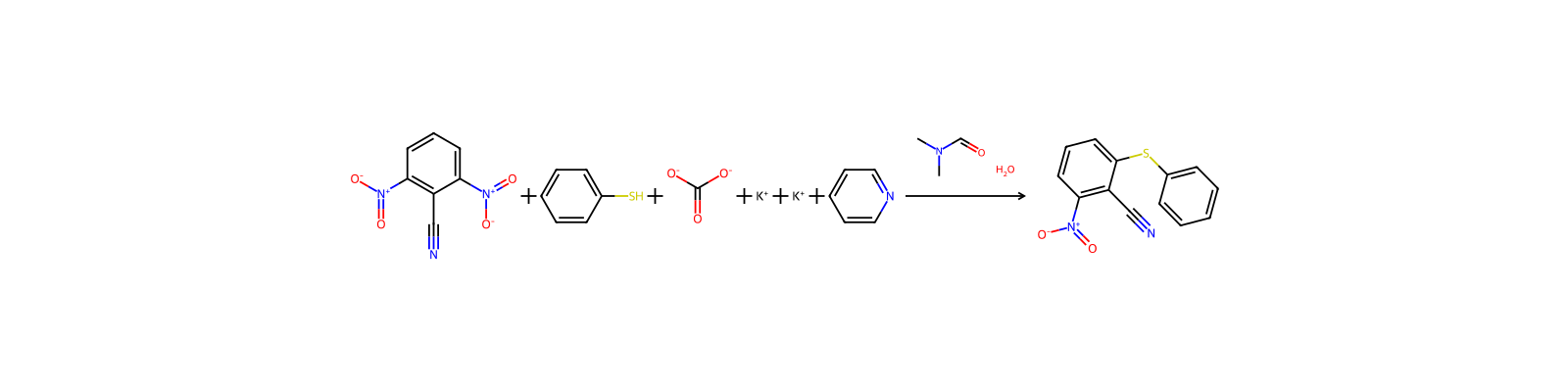
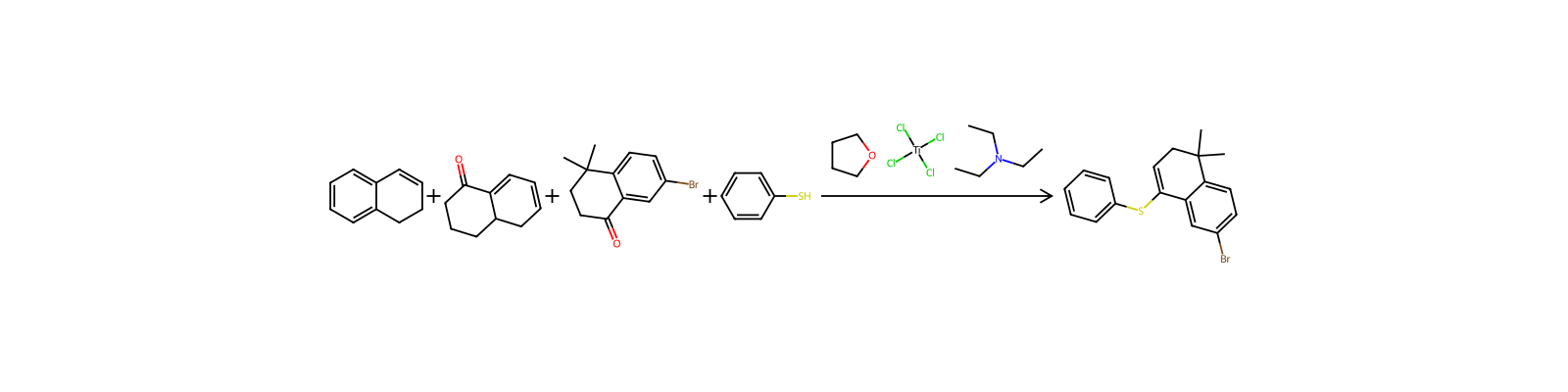
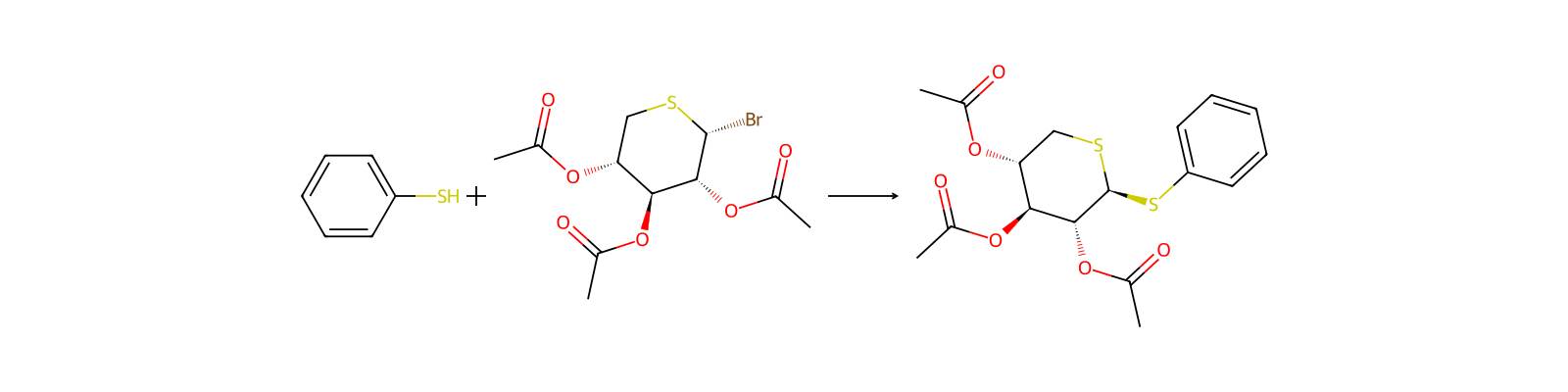
Zugehörige Reaktionen
2.005



Verknüpfte Notizen
Wird geladen…