
3-3-Diphenylpropylamin
3,3-Diphenylpropylamine
Daten werden ergänzt – lade die Seite später neu, um den aktuellen Stand zu sehen

Grundinformationen
- CAS
5586-73-2- Standard-SMILES
NCCC(c1ccccc1)c1ccccc1- InChIKey
KISZTEOELCMZPY-UHFFFAOYSA-N- Summenformel
- C15H17N
- Durchschnittliche Molmasse
- 211,3 g/mol
- Monoisotopische Masse
- 211,13609954
Überblick
has antiextensor effect & worsens clonic seizure produced by pentylenetetrazole; RN given refers to parent cpd
Namen und Bezeichner
- Bevorzugter Name
- 3,3-Diphenylpropylamine
- IUPAC
- 3,3-diphenylpropan-1-amine
- Lokaler Name
- 3-3-Diphenylpropylamin
- Englischer Name
- 3,3-Diphenylpropylamine
- Summenformel
- C15H17N
- Molmasse
- 211.3
Namen und Synonyme
3,3-Diphenylpropylamine5586-73-23-3-DiphenylpropylamineC31E561S64NSC-137832J56.243BDTXSID30204458IEM-2011RefChem:485623DTXCID30126949226-984-33,3-diphenylpropan-1-amine
Weitere Namen anzeigen
3,3-diphenylpropylammoniumIEM 2011TIMTEC-BB SBB000517RARECHEM AL BW 0746DiphenylpropylaMineLABOTEST-BB LT000530923-diphenylpropyl amine3,3-diPHENYLPROPOLAMINE
Propylamine, 3,3-diphenyl-Benzenepropanamine, .gamma.-phenyl-MFCD00008202UNII-C31E561S64EINECS 226-984-3NSC137832NSC 1378323.3-diphenylpropylamine
Datenbank-Bezeichner
- CAS
5586-73-2- PubChem CID
- 79698
- DTXSID
DTXSID30204458- ChEMBL
CHEMBL609579- UNII
- C31E561S64
Eigenschaften
Berechnete StruktureigenschaftenWird ergänzt
- XLogP
- 3,1
- Polarare Oberfläche (TPSA)
- 26 Ų
- H-Brücken-Donoren
- 1
- H-Brücken-Akzeptoren
- 1
- Frei drehbare Bindungen
- 4
- Schwere Atome
- 16
- Formalladung
- 0
- Komplexität
- 160
Physikochemische Eigenschaften
- Schmelzpunkt
- 29 · 29-31 °C (lit.)
- Siedepunkt
- 166 °C · 166°C 2mm
- Dichte
- 1.0382 · 1.0382 (rough estimate)
- Brechungsindex
- 20 · n20/D 1.583(lit.)
- Flammpunkt
- 230 °F · >230 °F
- storage temp.
- Room Temperature, Under Inert Atmosphere
- Löslichkeit
- DMSO (Slghtly), Methanol (Slightly)
- Aggregatzustand
- Oil
- pka
- 9.91 · 9.91±0.13(Predicted)
- Farbe
- Yellow to Light Brown
- BRN
- 1958595 · 1958595
- InChI
- 1S/C15H17N/c16-12-11-15(13-7-3-1-4-8-13)14-9-5-2-6-10-14/h1-10,15H,11-12,16H2
- InChIKey
- KISZTEOELCMZPY-UHFFFAOYSA-N
- SMILES
- NCCC(c1ccccc1)c2ccccc2
- CAS Datenbank
- 5586 · 5586-73-2(CAS DataBase Reference)
Sicherheit und Regulatorisches
Sicherheitsangaben dienen nur zur Orientierung und ersetzen weder das Sicherheitsdatenblatt (SDB) des Lieferanten noch geltende Vorschriften oder eine fachliche Bewertung.
GHS-Klassifizierung
GHS Classification
This chemical does not meet GHS hazard criteria for 4.1% (2 of 49) of reports.
Warning
H315 (95.9%): Causes skin irritation [Warning Skin corrosion/irritation]
P261, P264, P264+P265, P271, P280, P302+P352, P304+P340, P305+P351+P338, P319, P321, P332+P317, P337+P317, P362+P364, P403+P233, P405, and P501 (click each P-code to see the statement)
Aggregated GHS information provided per 49 reports by companies from 7 notifications to the ECHA C&L Inventory. Each notification may be associated with multiple companies.
Gefahrenhinweise
Regulatory InformationStatus: Active Update: 10-01-2014 https://echa.europa.eu/registration-dossier/-/registered-dossier/7422
Hazard Classes and CategoriesSkin Irrit. 2 (95.9%)
Sicherheitsdaten
- wgk
- 3
- hs_code
- 29214990
- risk_code
- 36/37/38
- hazard_code
- Xi
- hazard_note
- Irritant
- safety_code
- 26-37/39-36
- Speicherklasse
- 11 - Combustible Solids
- Hazard Classifications
- Eye Irrit. 2Skin Irrit. 2STOT SE 3
Chemie und Industrie
Anwendungen
Verwenden3,3-Diphenylpropylamine is a metabolite of Prenylamine (P712800). 3,3-Diphenylpropylamine showed antiextensor effects as well as neuroexcitatory effects and antagonized barbital-induced loss of the righting reflex.
Vor- und nachgelagerte Produkte
Vorgelagerte Rohstoffe
Nachgelagerte Produkte
Zugehörige Reaktionen
88
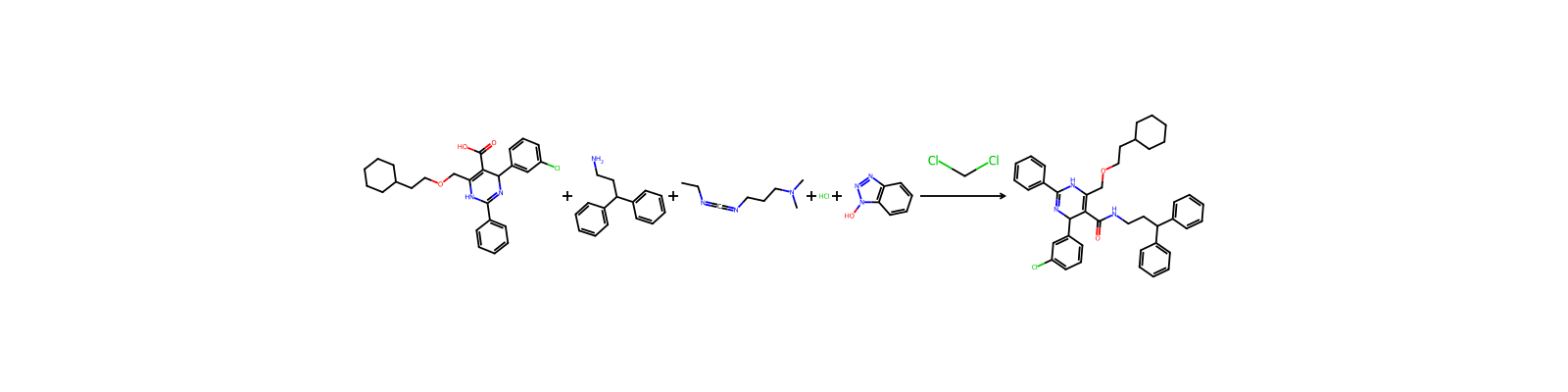

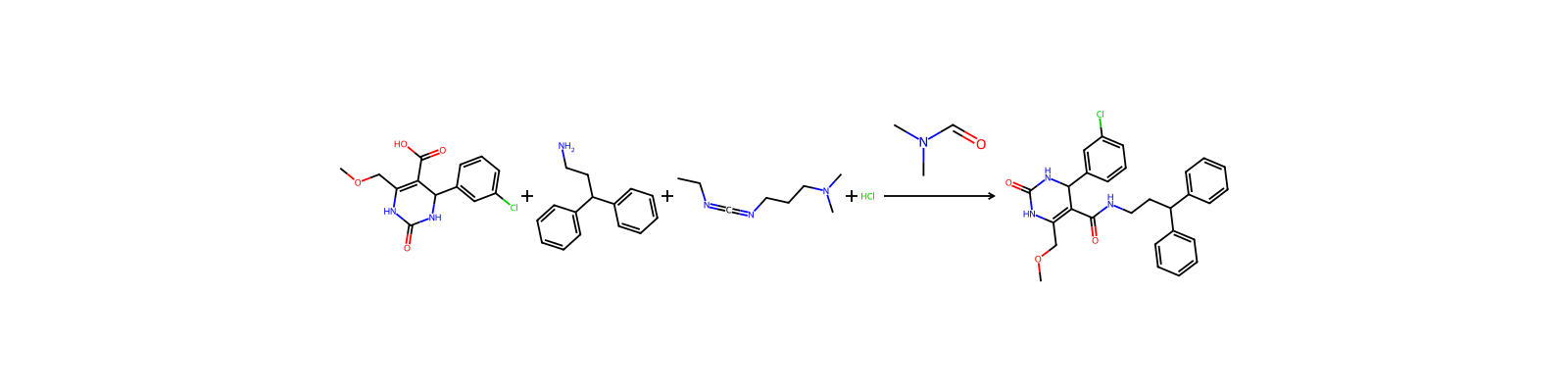
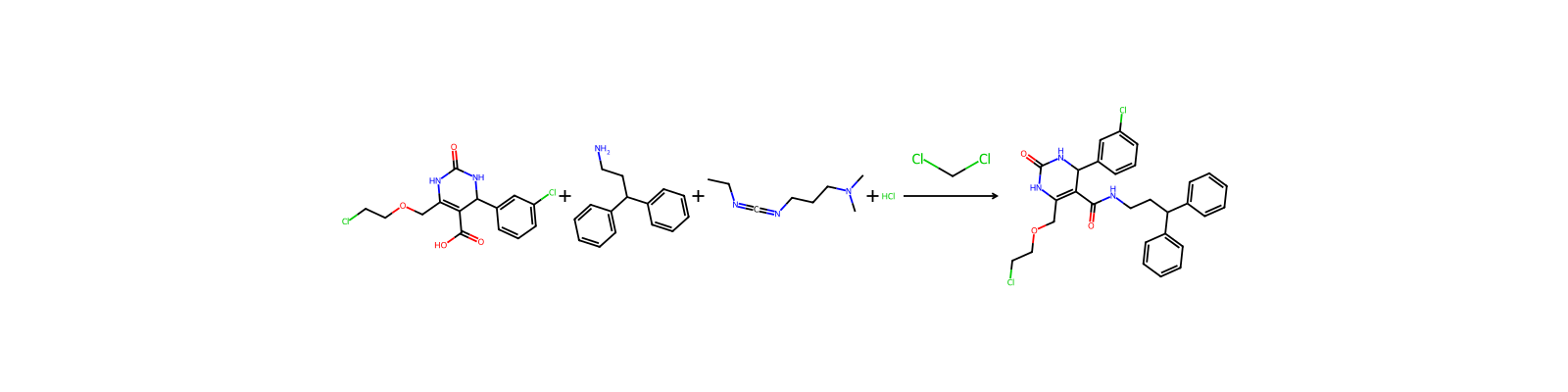


Notizen zur Verbindung
Wird geladen…