StartseiteMCPWorkbenchSkills
StartseiteWorkbenchBenachrichtigungenMein Bereich
llms.txt · MCP-AnleitungDatenschutz · Nutzungsbedingungen · Supportv1.8.0
  1. Startseite
  2. /Verbindung

4-Methylmorpholin

4-Methylmorpholine

HCID 7972
Neue NotizNeue ReaktionAnfrage stellen
Druckvorschau
GrundinformationenÜberblickNamen und BezeichnerEigenschaftenSicherheit und RegulatorischesChemie und IndustrieZugehörige ReaktionenNotizen zur Verbindung
TeilstruktursucheÄhnliche Strukturen suchen

Grundinformationen

CAS
109-02-4
Standard-SMILES
CN1CCOCC1
InChIKey
SJRJJKPEHAURKC-UHFFFAOYSA-N
Summenformel
C5H11NO
Durchschnittliche Molmasse
101,15 g/mol
Monoisotopische Masse
101,08406397

Überblick

4-methylmorpholine appears as a water-white liquid with an ammonia-like odor. Less dense than water and insoluble in water. May be moderately toxic by ingestion, inhalation and skin absorption. Very irritating to skin, eyes, and mucous membranes. Used as a solvent and to make pharmaceuticals.

Namen und Bezeichner

Bevorzugter Name
4-Methylmorpholine
IUPAC
4-methylmorpholine
Lokaler Name
4-Methylmorpholin
Englischer Name
4-Methylmorpholine
Summenformel
C5H11NO
Molmasse
101.15

Namen und Synonyme

4-MethylmorpholineN-METHYLMORPHOLINE109-02-4Morpholine, 4-methyl-1-MethylmorpholineDTXSID902914611P91ANU5XNSC-9382DTXCID709146RefChem:99901203-640-0Methylmorpholine
Weitere Namen anzeigen
4-methyl-morpholinN-Methyl morphofinen-methyl-morpholinMorpholine,4-methyl-N-MethylMorpholine, 99% 100GR
N-methyl morpholineMorpholine, N-methyl-4-MethylmorfolinN-MethylmorpholinN-methylmopholineNSC 93824-methyl-morpholineNMM

Datenbank-Bezeichner

CAS
109-02-4
PubChem CID
7972
DTXSID
DTXSID9029146
ChEMBL
CHEMBL2448839
UNII
11P91ANU5X
EC Number
203-640-0
Nikkaji
J100.752A

Eigenschaften

Berechnete Struktureigenschaften

XLogP
-0,3
Polarare Oberfläche (TPSA)
12,5 Ų
H-Brücken-Donoren
0
H-Brücken-Akzeptoren
2
Frei drehbare Bindungen
0
Schwere Atome
7
Formalladung
0
Komplexität
50

Experimentelle und physikochemische Eigenschaften

Chemical Classes · 2 Einträge

Nitrogen Compounds -> Morpholines

Flammable agents - 3rd degree

SpringerMaterials Properties15N nuclear magnetic resonance spectrum
LogP-0.33
Density0.9 @25 °C
Flash Point · 2 Einträge

75 °F (NFPA, 2010)

75 °F

Boiling Point115 °C @760 [mm Hg]
Vapor Pressure13.2 [mmHg]
Physical Description · 3 Einträge

4-methylmorpholine appears as a water-white liquid with an ammonia-like odor. Less dense than water and insoluble in water. May be moderately toxic by ingestion, inhalation and skin absorption. Very irritating to skin, eyes, and mucous membranes. Used as a solvent and to make pharmaceuticals.

Liquid

A water-white liquid with an ammonia-like odor; [CAMEO]

Sicherheit und Regulatorisches

Sicherheitsangaben dienen nur zur Orientierung und ersetzen weder das Sicherheitsdatenblatt (SDB) des Lieferanten noch geltende Vorschriften oder eine fachliche Bewertung.

GHS-Klassifizierung

GHS Classification · 6 Einträge

This chemical does not meet GHS hazard criteria for 2% (14 of 715) of reports.

Danger

H225 (89.1%): Highly Flammable liquid and vapor [Danger Flammable liquids]

P210, P233, P240, P241, P242, P243, P260, P261, P264, P264+P265, P270, P271, P280, P301+P317, P301+P330+P331, P302+P352, P302+P361+P354, P303+P361+P353, P304+P340, P305+P354+P338, P316, P317, P321, P330, P362+P364, P363, P370+P378, P403+P235, P405, and P501 (click each P-code to see the statement)

Aggregated GHS information provided per 715 reports by companies from 14 notifications to the ECHA C&L Inventory. Each notification may be associated with multiple companies.

Danger

Gefahrenhinweise

Regulatory Information · 5 Einträge

Chemical: Morpholine, 4-methyl-

Morpholine, 4-methyl- is listed on the EPA's Chemical Data Reporting (CDR) system. Manufacturers and importers of Morpholine, 4-methyl- are required to report information about their production and use of this chemical to the EPA under the Toxic Substances Control Act (TSCA). (40 eCFR Part 711)

REACH registered substance: 4-methylmorpholine (EC: 203-640-0)

Morpholine, 4-methyl-: HSNO Approval: HSR001392 Approved with controls

The New Jersey Worker and Community Right to Know Act requires public and private employers to provide information about hazardous substances at their workplaces. (N.J.S.A. 34:5A-1 et. seq.)

DOT LabelFlammable Liquid Corrosive
Fire Hazards · 3 Einträge

Excerpt from ERG Guide 132 [Flammable Liquids - Corrosive]:

· Flammable/combustible material.

· Flammable/combustible material.

Health Hazards · 3 Einträge

Excerpt from ERG Guide 132 [Flammable Liquids - Corrosive]:

Chemie und Industrie

Verwendung und Herstellung

Uses · 2 Einträge

Used as a solvent and to make pharmaceuticals. [CAMEO] Used in poyurethane foam production; [Reference #1]

Plastic Composites Manufacturing [Category: Industry]

U.S. Production2023: 1,000,000 - <2,500,000 lb
Consumer UsesCatalyst
Industry UsesCatalyst
General Manufacturing Information · 2 Einträge

Petroleum Refineries

Morpholine, 4-methyl-: ACTIVE

Darstellung · 1 Eintrag

synthetische4-Methylmorpholine preparation method is to slowly add formaldehyde in morpholine drop by drop, under stirring add formic acid reaction, automatic reflux, and release carbon dioxide. After adding formic acid, heating reflux 4 ~ 5h, cooling and adding sodium hydroxide immediately distillation, collect all the fraction before the boiling point of 99 ℃, and then add sodium hydroxide in the fraction to saturation, cooling the oil layer, drying, fractional distillation, to obtain N-methylmorpholine.

Vor- und nachgelagerte Produkte

Vorgelagerte Rohstoffe

DiethylenglykolMethylamin, gasförmigFormaldehydAmeisensure2,2'-Dichlor-diethyletherMorpholin

Zugehörige Reaktionen

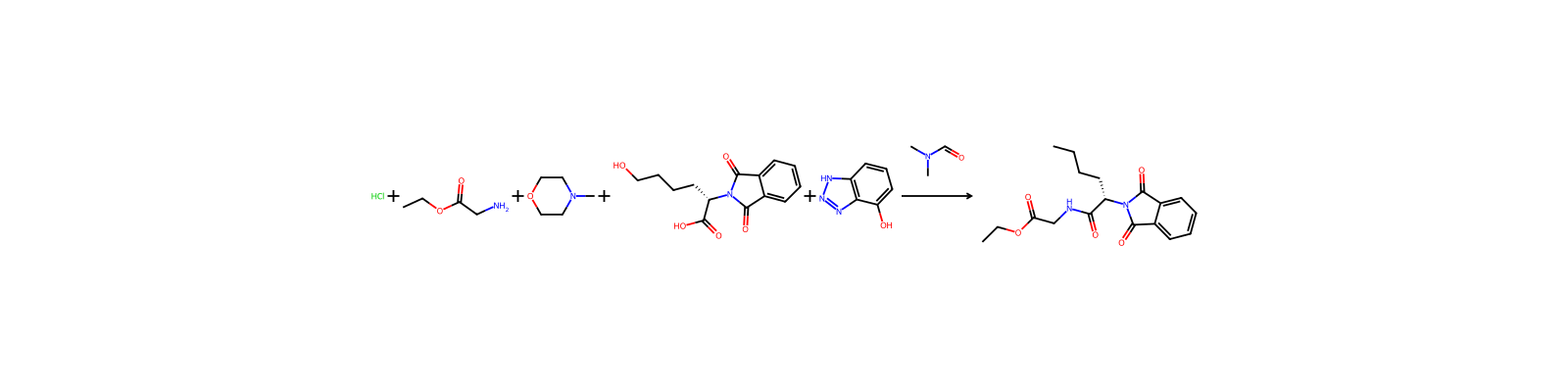
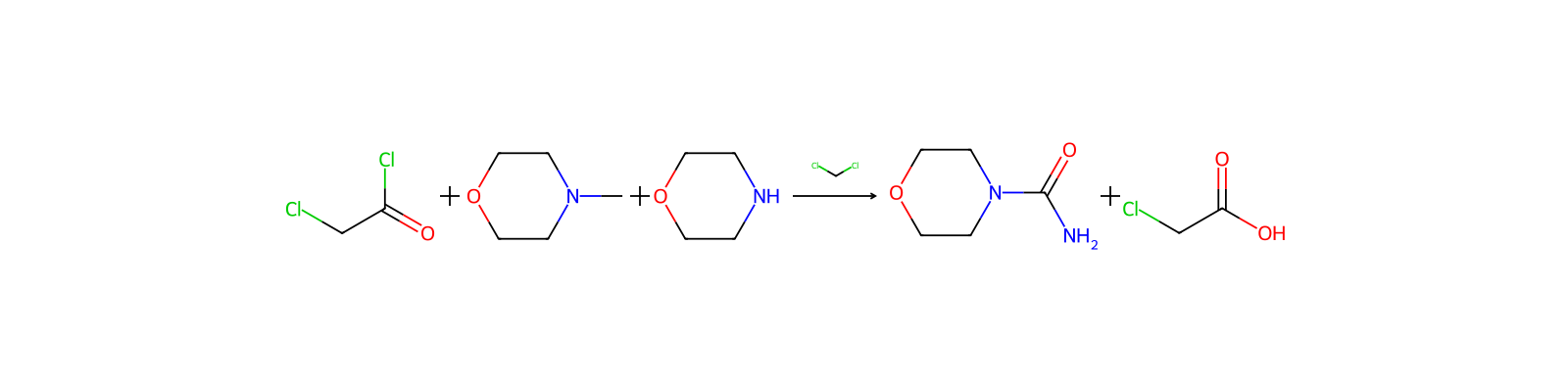
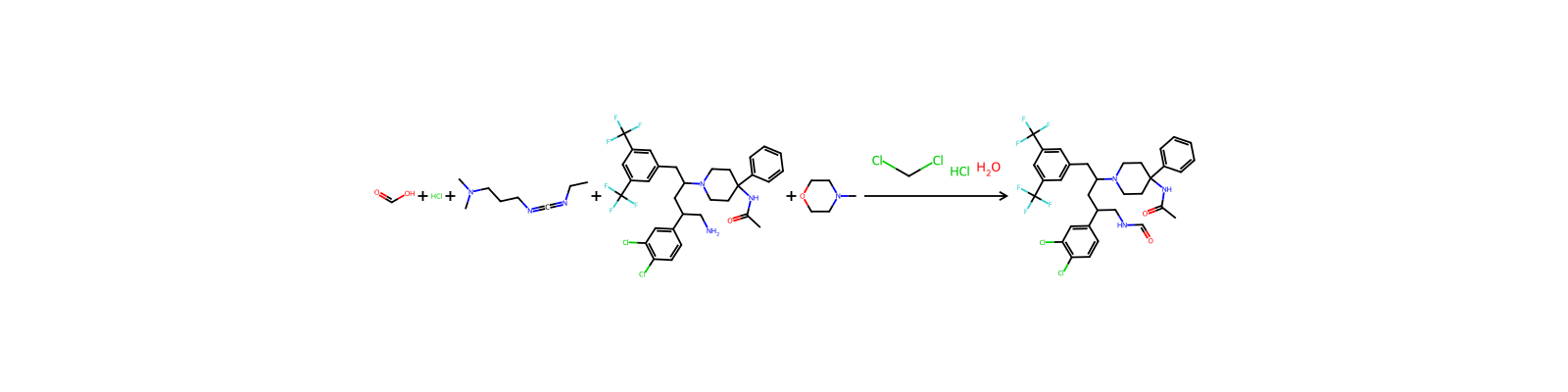
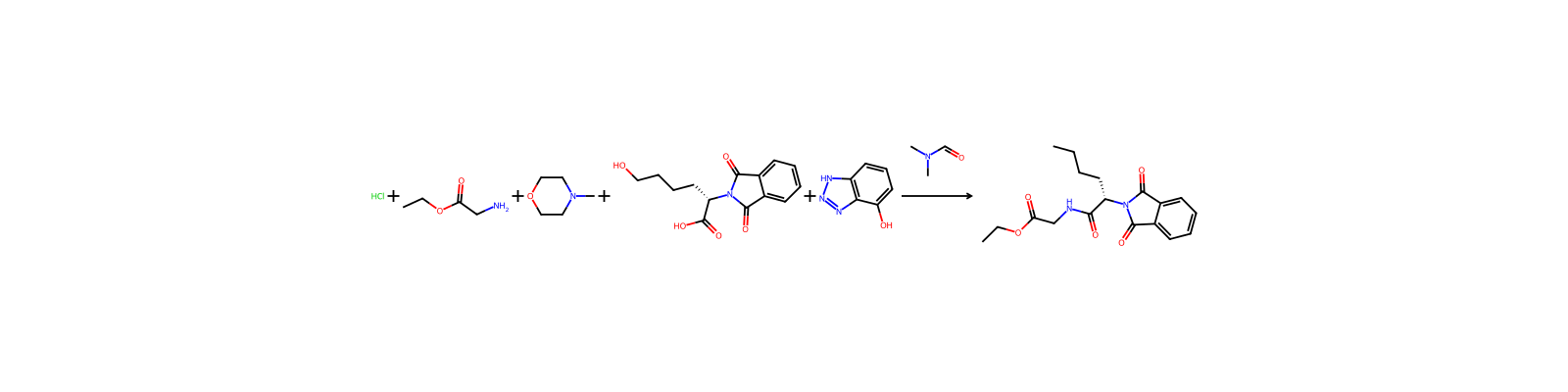
17.911
Reaktionsaufzeichnung erstellen
Reaktionsgleichung von HRID 1192
HRID 1192als Eduktuspto-grants-1998_03
Reaktionsgleichung von HRID 1326
HRID 1326als Eduktuspto-grants-1998_03
Reaktionsgleichung von HRID 1345
HRID 1345als Eduktuspto-grants-1998_03
Reaktionsgleichung von HRID 1804
HRID 1804als Eduktuspto-grants-1998_03
Reaktionsgleichung von HRID 2351
HRID 2351als Eduktuspto-grants-1998_03
Reaktionsgleichung von HRID 2473
HRID 2473als Eduktuspto-grants-1998_03
Reaktionsgleichung von HRID 2703
HRID 2703als Eduktuspto-grants-1998_03
Reaktionsgleichung von HRID 3045
HRID 3045als Eduktuspto-grants-1998_03
Seite 1 von 500

Notizen zur Verbindung

Wird geladen…

Auf dieser SeiteGrundinformationenÜberblickNamen und BezeichnerEigenschaftenSicherheit und RegulatorischesChemie und IndustrieZugehörige ReaktionenNotizen zur Verbindung
Weitere Aktionen
Neue NotizNeue ReaktionAnfrage stellen
Dissociation Constants
7.4

Physikochemische Eigenschaften

Schmelzpunkt
66 °C · −66 °C (−87 °F; 207 K)
Siedepunkt
115 to · 115 to 116 °C (239 to 241 °F; 388 to 389 K)
Dichte
0.92 g/cm3 · 0.92 g/cm3
Dampfdichte
1 · >1 (vs air)
Dampfdruck
18 mm · 18 mm Hg ( 20 °C)
Brechungsindex
1.44 · 1.44
Flammpunkt
18 °C · 18 °C
storage temp.
30 °C · Store below +30°C.
Löslichkeit
Chloroform (Soluble), Ethyl Acetate, Methanol (Slightly)
pka
7.38 · 7.38(at 25℃)
Aggregatzustand
Liquid
Wichte
0.92 · 0.920 (20/4℃)
Farbe
Clear
PH
10.6 · 10.6 (50g/l, H2O, 20℃)
Geruch (Odor)
Foul odor
Explosionsgrenze
2.1 % · 2.1%(V)
Wasserlöslichkeit
500 g/L · >500 g/L (20 ºC)
Merck
14 · 14,6277
BRN
102719 · 102719
Henry's Law Constant
5 · 5.0×100 mol/(m3Pa) at 25℃, Du et al. (2017)
Stabilität
Volatile
InChI
1S/C5H11NO/c1-6-2-4-7-5-3-6/h2-5H2,1H3
InChIKey
SJRJJKPEHAURKC-UHFFFAOYSA-N
SMILES
CN1CCOCC1
LogP
-0.32 at · -0.32 at 25℃
CAS Datenbank
109 · 109-02-4(CAS DataBase Reference)
NIST chemische Informationen
4 · Morpholine, 4-methyl-(109-02-4)
EPA chemische Informationen
4 · 4-Methylmorpholine (109-02-4)
Absorption
290 nm · cut-off at 290nm

· May cause toxic effects if inhaled or ingested.

· May cause toxic effects if inhaled or ingested.

Hazards SummaryReported cause of occupational asthma in 16.6% of 48 chemical manufacturing workers; [Malo] Corrosive to skin and eyes; [CAMEO]
DOT ID and Guide · 2 Einträge

2535 132

2535 132

Reactive GroupAmines, Phosphines, and Pyridines
Reactivity AlertsHighly Flammable
Reactivity Profile · 1 Eintrag

Amines are chemical bases. They neutralize acids to form salts plus water. These acid-base reactions are exothermic. The amount of heat that is evolved per mole of amine in a neutralization is largely independent of the strength of the amine as a base. Amines may be incompatible with isocyanates, halogenated organics, peroxides, phenols (acidic), epoxides, anhydrides, and acid halides. Flammable gaseous hydrogen is generated by amines in combination with strong reducing agents, such as hydrides.

DOT Hazard Classification · 5 Einträge

4-Methylmorpholine or n-methylmorpholine

UN2535

Class 3 Flammable and combustible liquid (49 eCFR § 173.120)

Class 3 Flammable and combustible liquid (49 eCFR § 173.120)

PG II: the degree of danger presented by the material is medium

Air and Water ReactionsHighly flammable. Insoluble in water.
Hazard Classes and Categories · 3 Einträge

Flam. Liq. 2 (89.1%)

Flammable liquids - Category 2

Flammable agents - 3rd degree

Sicherheit und Schutzausrüstung

Fire FightingExcerpt from ERG Guide 132 [Flammable Liquids - Corrosive]:
Accidental Release Measures · 4 Einträge

· CALL 911. Then call emergency response telephone number on shipping paper. If shipping paper not available or no answer, refer to appropriate telephone number listed on the inside back cover.

· ELIMINATE all ignition sources (no smoking, flares, sparks or flames) from immediate area.

· CALL 911. Then call emergency response telephone number on shipping paper. If shipping paper not available or no answer, refer to appropriate telephone number listed on the inside back cover.

· ELIMINATE all ignition sources (no smoking, flares, sparks or flames) from immediate area.

First Aid · 3 Einträge

Excerpt from ERG Guide 132 [Flammable Liquids - Corrosive]:

General First Aid:

General First Aid:

Exposure Control and Personal Protection · 2 Einträge

· Wear positive pressure self-contained breathing apparatus (SCBA).

· Wear positive pressure self-contained breathing apparatus (SCBA).

Nonfire Spill ResponseExcerpt from ERG Guide 132 [Flammable Liquids - Corrosive]:
Isolation and Evacuation · 3 Einträge

Excerpt from ERG Guide 132 [Flammable Liquids - Corrosive]:

Immediate precautionary measure

Immediate precautionary measure

Protective Action Criteria (PAC) · 3 Einträge

10 [ppm]

14 [ppm]

86 [ppm]

Personal Protective Equipment (PPE)Excerpt from ERG Guide 132 [Flammable Liquids - Corrosive]:
Emergency Response Planning Guidelines · 2 Einträge

· Some of these materials may react violently with water.

· Some of these materials may react violently with water.

Toxikologische Informationen

Adverse EffectsDermatotoxin - Skin burns.
Toxicity DataLCLo (rat) = 2,000 ppm/4h

Sicherheitsdaten

F
10-23
wgk
1
tsca
TSCA listed
ridadr
UN 2535 (4-METHYLMORPHOLINE (N-METHYLMORPHOLINE))
hs_code
2934999090
RTECS-Nr.
QE5775000
risk_code
11-20/21/22-34-10-22
Toxizität
LD50 orally in Rabbit: 1960 mg/kg LD50 dermal Rabbit 1240 mg/kg
hazard_code
F,C
safety_code
16-26-36/37/39-45-25
hazard_class
3
packing_group
II
Speicherklasse
3 - Flammable liquids
Hazard Classifications
Acute Tox. 4 OralEye Dam. 1Flam. Liq. 2Skin Corr. 1B
Selbstentzündungstemperatur
165 °C DIN 51794
Glyoxylsure
Ammoniak, wasserfrei
Ethanamine, N,N-dimethyl-2-[2-(methylamino)ethoxy]-
4-Morpholincarbaldehyd
4-Methylmorpholin-4-oxidmonohydrat
2-[2-(Dimethylamino)ethoxy]ethanol
2,2'-Methyliminodiethanol

Nachgelagerte Produkte

TenidapFosinoprilCefpiramide acidBenazepril4-(4,6-Dimethoxy-1,3,5-triazin-2-yl)-4-methyl morpholinium chlorideAzasetron hydrochloride3-Amino-5-fluoropyridine1-Boc-4-(aminomethyl)piperidine3-Aminomethyl-1-N-Boc-piperidine4-Methylmorpholine N-oxide monohydrateZafirlukast1-Hydroxybenzotriazole hydrateAlacepril