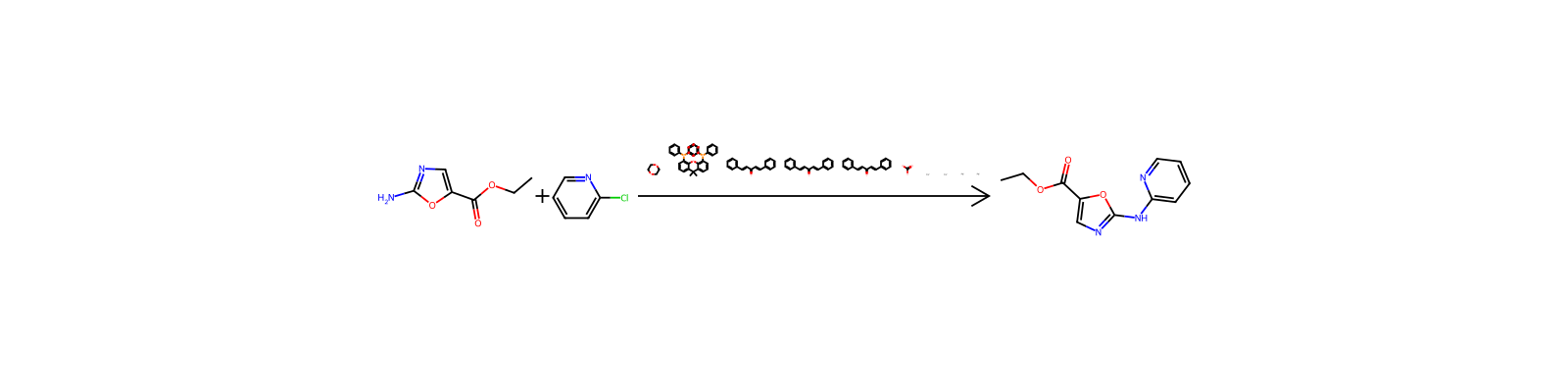

Grundinformationen
- Standard-SMILES
Clc1ccccn1- InChIKey
OKDGRDCXVWSXDC-UHFFFAOYSA-N- Summenformel
- C5H4ClN
- Durchschnittliche Molmasse
- 113,54 g/mol
- Monoisotopische Masse
- 113,00322681
Überblick
2-chloropyridine appears as a colorless oily liquid. Toxic by ingestion and/or skin absorption. Used to make other chemicals.
Namen und Bezeichner
- Bevorzugter Name
- 2-Chloropyridine
- IUPAC
- 2-chloropyridine
- Lokaler Name
- 2-Chlorpyridin
- Englischer Name
- 2-Chloropyridine
- Summenformel
- C5H4ClN
- Molmasse
- 113.54
Namen und Synonyme
2-CHLOROPYRIDINE109-09-1o-ChloropyridinePyridine, 2-chloro-alpha-ChloropyridineDTXSID80248108HMD45AYEJCHEBI:39174NSC-4649DTXCID304810RefChem:86536203-646-3
Weitere Namen anzeigen
2CLPYNSC 46492-Chloropyridiα-chloropyridine2-chloro-pyridin2- chlorinepyridineTAK438 Impurity 135
2-Chloropyridine-13C5.alpha.-Chloropyridine2-chloro-pyridinePyridine, chloro-MFCD000062282-Chloro pyridineCAS-109-09-1CCRIS 1724
Datenbank-Bezeichner
- CAS
109-09-1、68412-40-8- PubChem CID
- 7977
- DTXSID
DTXSID8024810- ChEMBL
CHEMBL509579- ChEBI
CHEBI:39174- UNII
- 8HMD45AYEJ
- EC Number
- 203-646-3
- Nikkaji
- J2.430I
Eigenschaften
Berechnete Struktureigenschaften
- XLogP
- 1,2
- Polarare Oberfläche (TPSA)
- 12,9 Ų
- H-Brücken-Donoren
- 0
- H-Brücken-Akzeptoren
- 1
- Frei drehbare Bindungen
- 0
- Schwere Atome
- 7
- Formalladung
- 0
- Komplexität
- 56
Experimentelle und physikochemische Eigenschaften
Chemical Classes
Nitrogen Compounds -> Pyridines
Flammable agents - 2nd degree
SpringerMaterials Properties15N nuclear magnetic resonance spectrum
LogP
log Kow = 1.22
1.34
Density1.205 g/cu cm at 15 °C
Color/Form
Oil
Oily liquid
Solubility
In water, 2.00X10+4 mg/L t 25 °C
Slightly soluble in water
Soluble in alcohol, ether
Flash Point68 °C (154 °F) - closed cup
Boiling Point170 °C
Decomposition
Hazardous decomposition: products formed under fire conditions - Carbon oxides, Nitrogen oxides (NOx), hydrogen chloride gas.
When heated to decomposition it emits very toxic fumes of /chloride, nitrogen oxides/, and phosgene.
Vapor Pressure
2.18 [mmHg]
2.18 mm Hg at 25 °C
Refractive IndexIndex of refraction: 1.5320 at 20 °C
Physical Description
2-chloropyridine appears as a colorless oily liquid. Toxic by ingestion and/or skin absorption. Used to make other chemicals.
Liquid
A colorless oily liquid; [CAMEO]
Physikochemische Eigenschaften
- Schmelzpunkt
- -46 °C · -46 °C
- Siedepunkt
- 166 °C/714 · 166 °C/714 mmHg (lit.)
- Dichte
- 1.2 g/mL · 1.2 g/mL at 25 °C (lit.)
- Dampfdruck
- 1.7 mm · 1.7 mm Hg ( 20 °C)
- Brechungsindex
- 20 · n20/D 1.532(lit.)
- Flammpunkt
- 149 °F · 149 °F
- storage temp.
- Refrigerator
- Löslichkeit
- 27 g/l · 27g/l
- Aggregatzustand
- Liquid
- pka
- 0.49 · 0.49(at 25℃)
- Farbe
- Clear colorless to light yellow
- PH
- 6 · 6-7 (27g/l, H2O, 20℃)
- Wasserlöslichkeit
- 27 g/L · 27 g/L (20 ºC)
- BRN
- 105788 · 105788
- Henry's Law Constant
- 7.4 · 7.4×10-1 mol/(m3Pa) at 25℃, Arnett and Chawla (1979)
- InChI
- 1S/C5H4ClN/c6-5-3-1-2-4-7-5/h1-4H
- InChIKey
- OKDGRDCXVWSXDC-UHFFFAOYSA-N
- SMILES
- Clc1ccccn1
- CAS Datenbank
- 109 · 109-09-1(CAS DataBase Reference)
- NIST chemische Informationen
- 2 · Pyridine, 2-chloro-(109-09-1)
- EPA chemische Informationen
- 2 · 2-Chloropyridine (109-09-1)
Sicherheit und Regulatorisches
GHS-Klassifizierung
GHS Classification
Danger
H301 (67%): Toxic if swallowed [Danger Acute toxicity, oral]
P260, P261, P262, P264, P264+P265, P270, P271, P273, P280, P284, P301+P316, P301+P317, P302+P352, P304+P340, P305+P351+P338, P305+P354+P338, P316, P317, P319, P320, P321, P330, P332+P317, P337+P317, P361+P364, P362+P364, P391, P403+P233, P405, and P501 (click each P-code to see the statement)
Aggregated GHS information provided per 97 reports by companies from 23 notifications to the ECHA C&L Inventory. Each notification may be associated with multiple companies.
Danger
H227: Combustible liquid [Warning Flammable liquids]
Gefahrenhinweise
Regulatory Information
Chemical: Pyridine, 2-chloro-
Pyridine, 2-chloro- is listed on the EPA's Chemical Data Reporting (CDR) system. Manufacturers and importers of Pyridine, 2-chloro- are required to report information about their production and use of this chemical to the EPA under the Toxic Substances Control Act (TSCA). (40 eCFR Part 711)
Status: Active Update: 14-01-2022 https://echa.europa.eu/registration-dossier/-/registered-dossier/13503
2-Chloropyridine: Does not have an individual approval but may be used under an appropriate group standard
The New Jersey Worker and Community Right to Know Act requires public and private employers to provide information about hazardous substances at their workplaces. (N.J.S.A. 34:5A-1 et. seq.)
DOT LabelPoison
Fire Hazards
Excerpt from ERG Guide 153 [Substances - Toxic and/or Corrosive (Combustible)]:
· Combustible material: may burn but does not ignite readily.
Fire PotentialCombustible when exposed to heat or flame.
Health Hazards
SYMPTOMS: Exposure to this chemical can cause skin irritation. The vapor or mist is irritating to the eyes, mucous membranes and upper respiratory tract.
· TOXIC and/or CORROSIVE; inhalation, ingestion or skin contact with material may cause severe injury or death.
Hazards Summary
Toxic after inhalation, ingestion, or skin contact; [CAMEO] LD50 (rabbit) is 64 mg/kg by skin and 48 mg/kg by IP injection indicating high dermal absorption; Pyridine compounds are potential CNS depressants; [Ullmann] See Pyridine. See 3-Chloropyridine.
DOT ID and Guide2822 153
Reactive GroupAmines, Phosphines, and Pyridines
Reactivity Profile2-CHLOROPYRIDINE is incompatible with strong oxidizing agents and strong acids. (NTP, 1992)
DOT Emergency Guidelines
/GUIDE 153 SUBSTANCES - TOXIC and/or CORROSIVE (Combustible)/ Fire or Explosion: Combustible material: may burn but does not ignite readily. When heated, vapors may form explosive mixtures with air: indoors, outdoors and sewers explosion hazards. Those substances designated with a (P) may polymerize explosively when heated or involved in a fire. Contact with metals may evolve flammable hydrogen gas. Containers may explode when heated. Runoff may pollute waterways. Substance may be transported in a molten form.
/GUIDE 153 SUBSTANCES - TOXIC and/or CORROSIVE (Combustible)/ Health: TOXIC; inhalation, ingestion or skin contact with material may cause severe injury or death. Contact with molten substance may cause severe burns to skin and eyes. Avoid any skin contact. Effects of contact or inhalation may be delayed. Fire may produce irritating, corrosive and/or toxic gases. Runoff from fire control or dilution water may be corrosive and/or toxic and cause pollution.
/GUIDE 153 SUBSTANCES - TOXIC and/or CORROSIVE (Combustible)/ Public Safety: CALL Emergency Response Telephone Number on Shipping Paper first. If Shipping Paper not available or no answer, refer to appropriate telephone number listed on the inside back cover. As an immediate precautionary measure, isolate spill or leak area in all directions for at least 50 meters (150 feet) for liquids and at least 25 meters (75 feet) for solids. Keep unauthorized personnel away. Stay upwind, uphill and/or upstream. Ventilate enclosed areas.
/GUIDE 153 SUBSTANCES - TOXIC and/or CORROSIVE (Combustible)/ Protective Clothing: Wear positive pressure self-contained breathing apparatus (SCBA). Wear chemical protective clothing that is specifically recommended by the manufacturer. It may provide little or no thermal protection. Structural firefighters' protective clothing provides limited protection in fire situations ONLY; it is not effective in spill situations where direct contact with the substance is possible.
For more DOT Emergency Guidelines (Complete) data for 2-Chloropyridine (8 total), please visit the HSDB record page.
DOT Hazard Classification
2-Chloropyridine
UN2822
Div 6.1 Poisonous materials (49 eCFR § 173.132)
PG II: the degree of danger presented by the material is medium
Air and Water ReactionsSlightly soluble in water and denser than water.
Sicherheit und Schutzausrüstung
Fire FightingFires involving this material can be controlled with a dry chemical, carbon dioxide or Halon extinguisher. (NTP, 1992)
Accidental Release Measures
· CALL 911. Then call emergency response telephone number on shipping paper. If shipping paper not available or no answer, refer to appropriate telephone number listed on the inside back cover.
· ELIMINATE all ignition sources (no smoking, flares, sparks or flames) from immediate area.
First Aid
EYES: First check the victim for contact lenses and remove if present. Flush victim's eyes with water or normal saline solution for 20 to 30 minutes while simultaneously calling a hospital or poison control center. Do not put any ointments, oils, or medication in the victim's eyes without specific instructions from a physician. IMMEDIATELY transport the victim after flushing eyes to a hospital even if no symptoms (such as redness or irritation) develop.
General First Aid:
Exposure Control and Personal Protection· Wear positive pressure self-contained breathing apparatus (SCBA).
Fire Fighting Procedures
Suitable extinguishing media: Use water spray, alcohol-resistant foam, dry chemical or carbon dioxide.
Advice for firefighters: Wear self-contained breathing apparatus for firefighting if necessary.
Use water spray to cool unopened containers.
If material on fire or involved in fire: Do not extinguish fire unless flow can be stopped. Extinguish fire using agent suitable for type of surrounding fire (Material itself does not burn or burns with difficulty). Use water in flooding quantities as fog. Cool all affected containers with flooding quantities of water. Apply water from as far a distance as possible. Use foam, dry chemical, or carbon dioxide. Keep run-off water out of sewers and water sources.
Storage ConditionsKeep container tightly closed in a dry and well-ventilated place. Containers which are opened must be carefully resealed and kept upright to prevent leakage.
Cleanup Methods
ACCIDENTAL RELEASE MEASURES: Personal precautions, protective equipment and emergency procedures: Wear respiratory protection. Avoid breathing vapors, mist or gas. Ensure adequate ventilation. Remove all sources of ignition. Evacuate personnel to safe areas. Beware of vapors accumulating to form explosive concentrations. Vapors can accumulate in low areas. Environmental precautions: Prevent further leakage or spillage if safe to do so. Do not let product enter drains. Discharge into the environment must be avoided. Methods and materials for containment and cleaning up: Contain spillage, and then collect with an electrically protected vacuum cleaner or by wet-brushing and place in container for disposal according to local regulations. Keep in suitable, closed containers for disposal.
Nonfire Spill Response
SMALL SPILLS AND LEAKAGE: If you should spill this chemical, use absorbent paper to pick up all liquid spill material. Seal the absorbent paper, as well as any of your clothing which may be contaminated, in a vapor-tight plastic bag for eventual disposal. Wash any surfaces you may have contaminated with a soap and water solution. Do not reenter the contaminated area until the Safety Officer (or other responsible person) has verified that the area has been properly cleaned.
Disposal Methods
SRP: Recycle any unused portion of the material for its approved use or return it to the manufacturer or supplier. Ultimate disposal of the chemical must consider: the material's impact on air quality; potential migration in air, soil or water; effects on animal, aquatic and plant life; and conformance with environmental and public health regulations. If it is possible or reasonable use an alternative chemical product with less inherent propensity for occupational harm/injury/toxicity or environmental contamination.
Product: This combustible material may be burned in a chemical incinerator equipped with an afterburner and scrubber. Offer surplus and non-recyclable solutions to a licensed disposal company. Contact a licensed professional waste disposal service to dispose of this material; Contaminated packaging: Dispose of as unused product.
Preventive Measures
ACCIDENTAL RELEASE MEASURES: Personal precautions, protective equipment and emergency procedures: Wear respiratory protection. Avoid breathing vapors, mist or gas. Ensure adequate ventilation. Remove all sources of ignition. Evacuate personnel to safe areas. Beware of vapors accumulating to form explosive concentrations. Vapors can accumulate in low areas. Environmental precautions: Prevent further leakage or spillage if safe to do so. Do not let product enter drains. Discharge into the environment must be avoided.
Precautions for safe handling: Avoid contact with skin and eyes. Avoid inhalation of vapor or mist. Keep away from sources of ignition - No smoking. Take measures to prevent the build up of electrostatic charge.
Appropriate engineering controls: Avoid contact with skin, eyes and clothing. Wash hands before breaks and immediately after handling the product.
Gloves must be inspected prior to use. Use proper glove removal technique (without touching glove's outer surface) to avoid skin contact with this product. Dispose of contaminated gloves after use in accordance with applicable laws and good laboratory practices. Wash and dry hands.
For more Preventive Measures (Complete) data for 2-Chloropyridine (6 total), please visit the HSDB record page.
Isolation and Evacuation
Excerpt from ERG Guide 153 [Substances - Toxic and/or Corrosive (Combustible)]:
Immediate precautionary measure
Personal Protective Equipment (PPE)
MINIMUM PROTECTIVE CLOTHING: If Tyvek-type disposable protective clothing is not worn during handling of this chemical, wear disposable Tyvek-type sleeves taped to your gloves.
Eye/face protection: Tightly fitting safety goggles. Faceshield (8-inch minimum). Use equipment for eye protection tested and approved under appropriate government standards such as NIOSH (US) or EN 166(EU).
Skin protection: Handle with gloves.
Body Protection: Complete suit protecting against chemicals. The type of protective equipment must be selected according to the concentration and amount of the dangerous substance at the specific workplace.
Respiratory protection: Where risk assessment shows air-purifying respirators are appropriate use a full-face respirator with multipurpose combination (US) or type ABEK (EN 14387) respirator cartridges as a backup to engineering controls. If the respirator is the sole means of protection, use a full-face supplied air respirator. Use respirators and components tested and approved under appropriate government standards such as NIOSH (US) or CEN (EU).
Toxikologische Informationen
Ecotoxicity ValuesEC50; Species: Tetrahymena pyriformis (Ciliate); Conditions: freshwater, static; Concentration: 657770 ug/L for 60 hr (95% confidence interval: 264630-1040740 ug/L); Effect: decreased population growth rate /formulated product/
Environmental Fate
TERRESTRIAL FATE: Based on a classification scheme(1), an estimated Koc value of 120(SRC), determined from a structure estimation method(2), indicates that 2-chloropyridine is expected to have high mobility in soil(SRC). Volatilization of 2-chloropyridine from moist soil surfaces is expected(SRC) given an estimated Henry's Law constant of 1.6X10⁻⁵ atm-cu m/mole(SRC) based upon its vapor pressure, 2.18 mm Hg(3), and water solubility, 20,000 mg/L(4). 2-Chloropyridine volatilized 37% from soil incubated at 28 °C for 64 days(5). 2-Chloropyridine is expected to volatilize from dry soil surfaces(SRC) based upon its vapor pressure(3). A 0.5% of Theoretical BOD using activated sludge in the Japanese MITI test(4) suggests that biodegradation is not an important environmental fate process in soil(SRC).
AQUATIC FATE: Based on a classification scheme(1), an estimated Koc value of 120(SRC), determined from a structure estimation method(2), indicates that 2-chloropyridine is not expected to adsorb to suspended solids and sediment(SRC). Volatilization from water surfaces is expected(3) based upon an estimated Henry's Law constant of 1.6X10⁻⁵ atm-cu m/mole(SRC) derived from its vapor pressure, 2.18 mm Hg(4), and water solubility, 20,000 mg/L(5). Using this Henry's Law constant and an estimation method(3), volatilization half-lives for a model river and model lake are 2.5 and 22 days, respectively(SRC). 2-Chloropyridine is not expected to undergo hydrolysis in the environment due to the lack of functional groups that hydrolyze under environmental conditions(3). According to a classification scheme(6), BCFs of <20 measured in fish(5), suggest bioconcentration in aquatic organisms is low. 2-Chloropyridine, incubated for one year anaerobically in an aquifer slurry, was not biodegraded(7).
ATMOSPHERIC FATE: According to a model of gas/particle partitioning of semivolatile organic compounds in the atmosphere(1), 2-chloropyridine, which has a vapor pressure of 2.18 mm Hg at 25 °C(2), is expected to exist solely as a vapor in the ambient atmosphere. Vapor-phase 2-chloropyridine is degraded in the atmosphere by reaction with photochemically-produced hydroxyl radicals(SRC); the half-life for this reaction in air is estimated to be 62 days(SRC), calculated from its rate constant of 2.6X10⁻¹³ cu cm/molecule-sec at 25 °C(SRC) that was derived using a structure estimation method(3). 2-Chloropyridine does not contain chromophores that absorb at wavelengths >290 nm(4) and, therefore, is not expected to be susceptible to direct photolysis by sunlight(SRC).
Adverse EffectsNeurotoxin - Other CNS neurotoxin
Toxicity Summary
IDENTIFICATION AND USE: 2-Chloropyridine (2-CPY) is used as an intermediate in synthetic organic, pharmaceutical, and agricultural chemical (fungicides, herbicides) manufacture. It is also used as a catalyst for phase transfer and is a key intermediate in the manufacture of pyrithione-based biocides for use in cosmetics and various pharmaceutical products. HUMAN STUDIES: Photo-treatment of 2-CPY produces genotoxic products discovered when tested in cultured human lymphocytes. ANIMAL STUDIES: Male albino rats were exposed to 2-CPY via inhalation at a concentration of approximately 6.05 mg/L for 6 hours. All animals died within 3 days after exposure. Male and female rabbits were exposed to the undiluted 2-CPY dermally at concentrations of 40, 48, 50, 58, 63, 68, 79, 82 or 100 mg/kg. 2-CPY caused only transient local congestion of the skin when applied to either intact or abraded skin. The primary gross lesion observed was hemorrhagic necrosis of the liver. In rats, liver damage was the primary alteration caused by the inhalation of 2-CPY. In rat developmental studies there were no effects of treatment on mating performance, fertility or length of gestation. There was a slight decrease in pup survival. A bacterial reverse mutation assay was performed on Salmonella typhimurium strains TA 97, TA 98, TA 100, and TA 102, using concentrations of 50, 100, 500, 1000 and 5000 mg/plate. The results were negative without metabolic activation, and positive with metabolic activation in all tester strains.
Ongoing Test Status
The following link will take the user to the National Toxicology Program (NTP) Test Status of Agents Search page, which tabulates the results and current status of tests such as "Short-Term Toxicity Studies", "Long-term Carcinogenicity Studies", "Developmental Studies", "Genetic Toxicology Studies", etc., performed with this chemical. Testing status for 2-chloropyridine is available.[Available from, as of February 1, 2019: https://ntpsearch.niehs.nih.gov/?e=True&ContentType=Testing+Status]
EPA has released the Interactive Chemical Safety for Sustainability (iCSS) Dashboard. The iCSS Dashboard provides an interactive tool to explore rapid, automated (or in vitro high-throughput) chemical screening data generated by the Toxicity Forecaster (ToxCast) project and the federal Toxicity Testing in the 21st century (Tox21) collaboration. /The title compound was tested by ToxCast and/or Tox21 assays/[USEPA; ICSS Dashboard Application; Available from, as of February 4, 2019: http://actor.epa.gov/dashboard/]
Soil Adsorption/Mobility
Using a structure estimation method based on molecular connectivity indices(1), the Koc of 2-chloropyridine can be estimated to be 120(SRC). According to a classification scheme(2), this estimated Koc value suggests that 2-chloropyridine is expected to have high mobility in soil(SRC).
Human Toxicity Excerpts
/GENOTOXICITY/ 2-Chloropyridine (2-CPY) has been identified as a trace organic chemical in process streams, wastewater and even drinking water. Furthermore, it appears to be formed as a secondary pollutant during the decomposition of specific insecticides. As reported in our previous work, 2-CPY was readily removed and slowly mineralized when subjected to ultraviolet (UV) irradiation at 254 nm. Moreover, 2-CPY was found to be genotoxic at 100 ug/mL but it was not genotoxic at or below 50 ug/mL. In this work 2-CPY aqueous solutions were treated by means of UV irradiation at 254 nm. 2-CPY mineralization history under different conditions is shown. 2-CPY was found to mineralize completely upon prolonged irradiation. Identified products of 2-CPY photolytic decomposition are presented. Solution genotoxicity was tested as a function of treatment time. Aqueous solution samples, taken at different photo-treatment times were tested in cultured human lymphocytes applying the cytokinesis block micronucleus (CBMN) assay. It was found that the solution was genotoxic even when 2-CPY had been practically removed. This shows that photo-treatment of 2-CPY produces genotoxic products. Upon prolonged irradiation solution genotoxicity values approached the control value.
Artificial Pollution Sources
2-Chloropyridine's production and use in the production of antihistamines, germicides, pesticides and agricultural chemicals(1), and as an intermediate in the manufacture of pyrithione-based biocides for use in cosmetics and various pharmaceutical products(2) may result in its release to the environment through various waste streams(SRC).
Environmental Biodegradation
AEROBIC: 2-Chloropyridine, present at 100 mg/L, reached 0.5% of its Theoretical BOD in 2 weeks using an activated sludge inoculum at 30 mg/L in the Japanese MITI test(1). 2-Chloropyridine did not biodegrade in a 64-day aerobic soil biodegradation study(2).
ANAEROBIC: 2-Chloropyridine, incubated for one year anaerobically in an aquifer slurry, was not biodegraded(1).
PURE CULTURE: Using enrichment cultures isolated from garden soil, 2-chloropyridine, incubated for one year anaerobically in an aquifer slurry, was not biodegraded(1).
Environmental Bioconcentration
BCFs of <20 and <1.2 were reported in carp (Cyprinus carpio) which were exposed to 0.1 and 1.0 ppm of 2-chloropyridine, respectively, over a 6-week period(1). According to a classification scheme(2), these BCFs suggest the potential for bioconcentration in aquatic organisms is low.
Volatilization from Water/Soil
The Henry's Law constant for 2-chloropyridine is estimated as 1.63X10⁻⁵ atm-cu m/mole(SRC) derived from its vapor pressure, 2.18 mm Hg(1), and water solubility, 20,000 mg/L(2). This Henry's Law constant indicates that 2-chloropyridine is expected to volatilize from water surfaces(3). Based on this Henry's Law constant, the volatilization half-life from a model river (1 m deep, flowing 1 m/sec, wind velocity of 3 m/sec)(3) is estimated as 2.5 days(SRC). The volatilization half-life from a model lake (1 m deep, flowing 0.05 m/sec, wind velocity of 0.5 m/sec)(3) is estimated as 22 days(SRC). 2-Chloropyridine's estimated Henry's Law constant indicates that volatilization from moist soil surfaces may occur(SRC). The potential for volatilization of 2-chloropyridine from dry soil surfaces may exist(SRC) based upon its vapor pressure(1). 2-Chloropyridine volatilized 37% from soil incubated at 28 °C for 64 days(4).
Non-Human Toxicity Excerpts
/LABORATORY ANIMALS: Acute Exposure/ Ten male albino rats, weighing 235 to 270 g, were exposed to the test substance via inhalation at a concentration of approximately 6.05 mg/L for 6 hours. The exposure was conducted in a 354 L stainless steel chamber. The total airflow through the system was 49-1 liters/minute. Food and water were available ad libitum, except during the period of exposure. During exposure, rats were observed for signs of toxicity and mortality continuously for 1 hour and at 1/2 hour intervals thereafter until the end of the exposure period. After the exposure period, the rats were observed daily for 14 days. A necropsy was performed on all rats. All animals died within 3 days after exposure. Observations during exposure included hypoactivity, sedation and ataxia. At the end of 4 hours of exposure, all rats were prostrate. Three rats exhibited dyspnea. Three rats died between 4 and 6 hours of the exposure period. At the end of 6 hours the surviving rats were prostrate, comatose and dyspneic. Within 24 hours, 2 additional rats died. The remaining 5 rats were still prostrate and comatose. Clear ocular discharge was noted. Within the following 24-hour period after exposure, 4 more rats died. The tenth rat died at 3 days post exposure. Necropsy findings in all rats included congestion of the lungs and liver, slight congestion of the small intestines, blood in the abdominal cavity and/or severe hemorrhages of the stomach, small intestines and urinary bladder.
/LABORATORY ANIMALS: Acute Exposure/ Groups of male and female rabbits, weighing 1.3 to 2.3 kg, were exposed to the undiluted test substance dermally at concentrations of 40, 48, 50, 58, 63, 68, 79, 82 or 100 mg/kg /(4-5 animals per dose)/. LD50 - 64 mg/kg (confidence limits - 55.5 to 73.5 mg/kg). The test substance caused only transient local congestion of the skin when applied to either intact or abraded skin. The primary gross lesion observed was hemorrhagic necrosis of the liver.
/LABORATORY ANIMALS: Acute Exposure/ Groups of female rats, approximately 10 weeks old and weighing 132 to 190 g, were exposed to the test substance via inhalation at concentrations of 50, 100, 250, 500 and 1000 ppm for 0.1 to 7.0 hours /(10-20 animals/dose)/. The concentration of 2-chloropyridine was monitored continuously during the exposure by infrared spectrophotometry. The degree and character of organic damage resulting from exposure to the test substance were the presence of gross pathologic or histopathologic lesions, hematologic alterations, organ weight changes and changes in the blood chemistry. Liver, kidney, spleen, heart, lungs and brain were examined for weight changes and together with pancreas and adrenals for the presence of histologic lesions. Hematologic studies consisted of erythrocyte, leukocyte and differential counts and hematocrit and hemoglobin determinations. Parameters used to detect changes in blood chemistry were blood urea nitrogen, serum glutamic-pyruvic transaminase and serum glutamic-oxalacetic transaminase. Rats were observed for 2 weeks post-exposure. LC50 >/= 100 ppm but < 250 ppm. The concentration of 2-chloropyridine vapor was within 7% of the desired concentration throughout the exposure period. Liver damage was the primary alteration caused by the inhalation of the test article. Histopathologic examinations revealed that the test substance caused central lobular necrosis, hemorrhage and fatty degeneration as well as cellular infiltration. The extent and type of damage varied with the exposure. Maximum single-dose exposures not causing these changes were 100 ppm for 3 minutes, 50 ppm for 6 minutes, 25 ppm for 12 minutes and 10 ppm for 30 minutes. Maximum single-dose exposures that did not cause death 1000 ppm for 6 minutes, 500 ppm for 12 minutes, 250 ppm for 30 minutes, 100 ppm for 2 hours and 50 ppm for 4 hours.
/LABORATORY ANIMALS: Acute Exposure/ Groups of 6 male rats were administered a single dose of the test substance suspended in a 0.5% aqueous dispersion of methylcellulose via oral gavage at concentrations of 100, 215, 464, 681, 1000, 1470 and 2150 mg/kg. Each dose level was prepared in a concentration that enabled the delivery of a constant volume of 1.0 mL/100 g of body weight. ... Food was withheld from all rats for 16 hours prior to dosing. Food and water were available ad libitum at all other times. Rats were observed for signs of toxicity and mortality continuously for 4 hours post-dose, at 24 hours post dose and once daily thereafter for 13 days. At the termination of the 14-day observation period, surviving rats were sacrificed. Necropsies were performed on all rats. LD50 - 342 mg/kg (confidence limits - 211-558 mg/kg). At 16 hours post-dose, 4 rats in the 100 mg/kg dose group exhibited nasal porphyrin. At 24 hours post-dose, 4 rats appeared hypoactive. All animals appeared normal thereafter until study termination. Two rats in the 215 mg/kg dose group exhibited nasal porphyrin discharge at 4 hours post-dose. At 24 hours post-dose 4 rats were ataxic, sedate, hypoactive and displayed nasal porphyrin discharge. At 2 days all rats were hypoactive and continued to demonstrate nasal discharge. One animal was found dead on day 3. The remaining rats appeared normal throughout the remainder of the observation period. Within 6 hours 5 rats from the 464 mg/kg dose group exhibited ataxia and hypoactivity. One rat became prostrate. At 24 hours all rats were ataxic and exhibited nasal porphyrin. One rat was prostrate and dyspneic. At 2 days 1 rat died and 2 were ataxic and the remaining 3 appeared hypoactive. At 3 days all 5 rats were hypoactive and appeared depressed. At 4 days one died and the remaining 4 continued to be hypoactive and became hypersensitive to touch. Two more rats died on days 5 and 6. The remaining 2 rats were hypoactive and hypersensitive to touch. A fifth rat died. The remaining rat recovered and appeared normal from days 9 through 14. Rats in the 681, 1000, 1470 and 2150 mg/kg dose groups displayed hypotonia, ataxia, sedation, hypnosis, loss of righting reflex, pinna and placing reflexes, bradypnea, dyspnea, cyanosis, ptosis, salivation and reduced pain responses within 2 to 18 hours post-dose. Rats in all dose groups except the 681 mg/kg dose group died within 2 to 4 hours post-dose. Rats in the 681 mg/kg dose group died within 3 days. At necropsy, 1 rat in the 100 mg/kg dose group had hydronephrosis. The rat that died in the 215 mg/kg dose group exhibited a pale liver with friable accentuated lobules and the lungs were congested. Necropsy findings in the rats that died in the 464 mg/kg dose group included congested lungs, congested liver, hemorrhages of the stomach, small intestines and urinary bladder and icterus. All rats in the 100, 215 and 464 mg/kg dose groups that survived to the 14-day post-exposure period had essentially normal necropsy findings. Necropsy findings in the 681, 1000, 1470 and 2150 mg/kg dose groups included scrotal erythema, hemorrhages of the stomach, intestines and urinary bladder and congested lungs and liver. Hydronephrosis (unilateral and bilateral) was scattered in all groups.
For more Non-Human Toxicity Excerpts (Complete) data for 2-Chloropyridine (10 total), please visit the HSDB record page.
Sicherheitsdaten
- wgk
- 3
- tsca
- TSCA listed
- ridadr
- UN 2822
- hs_code
- 29333999
- RTECS-Nr.
- US5950000
- risk_code
- 23/24/25-36/37/38
- hazard_code
- T
- hazard_note
- Toxic
- safety_code
- 26-36/37/39-45-28A-27
- hazard_class
- 6.1
- packing_group
- II
- Speicherklasse
- 6.1A - Combustible acute toxic Cat. 1 and 2very toxic hazardous materials
- Giftige Stoffe Daten
- 109-09-1(Hazardous Substances Data)
- Hazard Classifications
- Acute Tox. 2 DermalAcute Tox. 2 InhalationAcute Tox. 4 OralAquatic Acute 1Aquatic Chronic 1Eye Dam. 1Skin Irrit. 2STOT RE 2STOT SE 3
Chemie und Industrie
Verwendung und Herstellung
Uses
Used to make other chemicals; [CAMEO] Used to make antihistamines, germicides, pesticides, and agricultural chemicals; [Hawley]
o-Chloropyridine is used as an intermediate in synthetic organic, pharmaceutical, and agricultural chemical (fungicides, herbicides) manufacture. It is also used as a catalyst for phase transfer and is a key intermediate in the manufacture of pyrithione-based biocides for use in cosmetics and various pharmaceutical products.
Production of antihistamines, germicides, pesticides, and agricultural chemicals
A major use of 2-chloropyridine is the production of pyrithione, which is used widely as a fungicide. Another use is in the production of insecticides such as pyripropoxyfen.
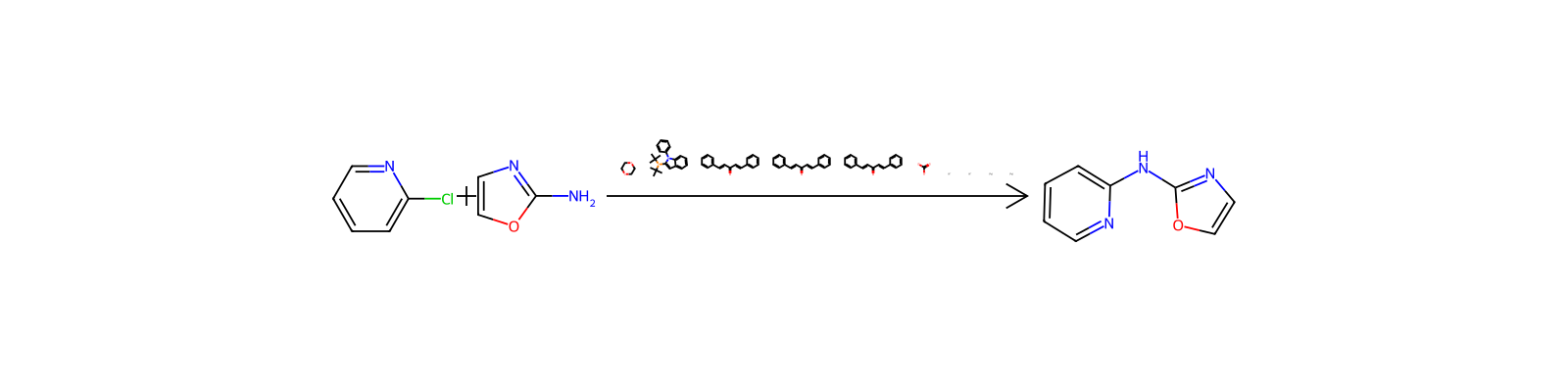
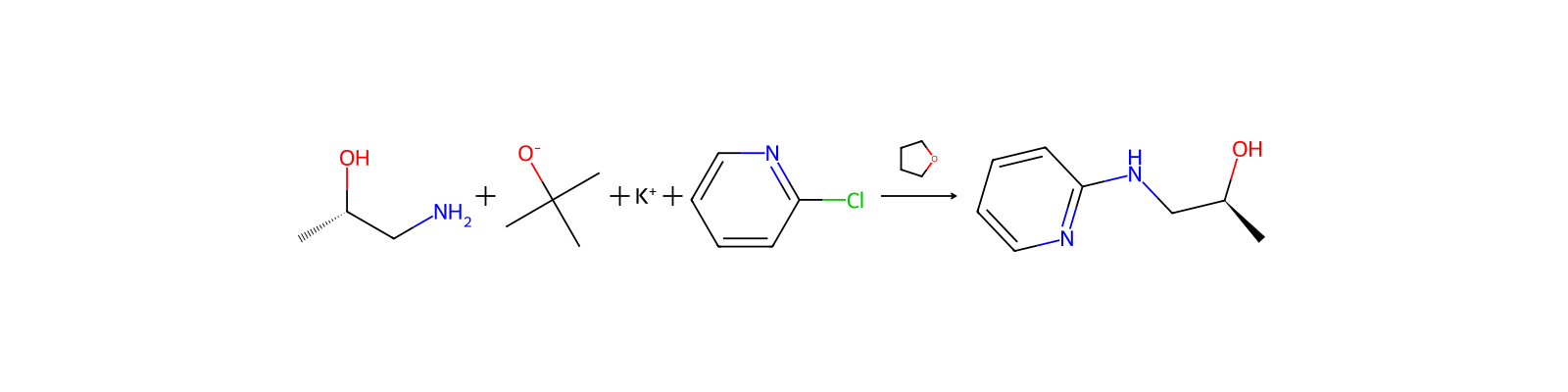
The 2- and 4-chloropyridines react with various nucleophiles to give alkyl ether, alkyl thioether, and alkylamine derivatives.
U.S. Production
2023: 2,828,356 lb
Non-confidential 2016 Chemical Data Reporting (CDR) information on the production and use of chemicals manufactured or imported into the United States. Chemical: 2-Chloropyridine:
Consumer UsesIntermediate
Industry UsesIntermediate
Methods of ManufacturingThe preparation of 2- and 4- chloropyridines from pyridinols is achieved by the use of halogenating reagents such as phosphoryl chloride.
Formulations/Preparationso-Chloropyridine is available in purified (99%), technical (95%), or crude (80%) grades.
General Manufacturing Information
Pesticide, Fertilizer, and Other Agricultural Chemical Manufacturing
Pyridine, 2-chloro-: ACTIVE
Anwendungen
Verwenden2-Chloropyridine (2-CPY) has been identified as a trace organic chemical in process streams, wastewater and even drinking water. Furthermore, it appears to be formed as a secondary pollutant during t he decomposition of specific insecticides.
Vor- und nachgelagerte Produkte
Vorgelagerte Rohstoffe
Nachgelagerte Produkte
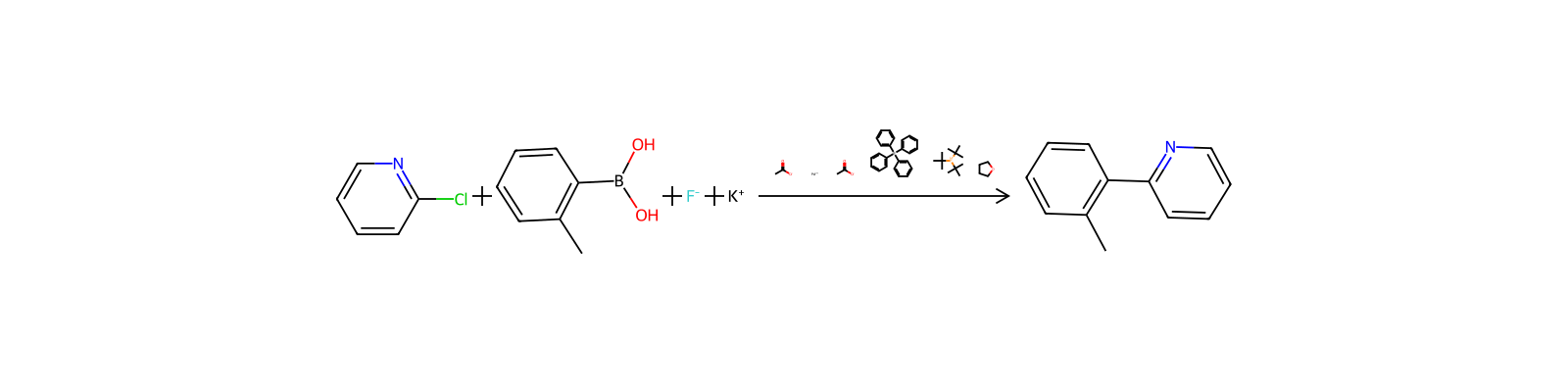
Zugehörige Reaktionen
780




Verknüpfte Notizen
Wird geladen…