1,4-Dibrombutan
1,4-Dibromobutane
HCID 8056
Daten werden ergänzt – lade die Seite später neu, um den aktuellen Stand zu sehen

Grundinformationen
- CAS
110-52-1- Standard-SMILES
BrCCCCBr- InChIKey
ULTHEAFYOOPTTB-UHFFFAOYSA-N- Summenformel
- C4H8Br2
- Durchschnittliche Molmasse
- 215,91 g/mol
- Monoisotopische Masse
- 213,89927446
Überblick
structure given in first source
Namen und Bezeichner
- Bevorzugter Name
- 1,4-Dibromobutane
- IUPAC
- 1,4-dibromobutane
- Lokaler Name
- 1,4-Dibrombutan
- Englischer Name
- 1,4-Dibromobutane
- Summenformel
- C4H8Br2
- Molmasse
- 215.91
Namen und Synonyme
1,4-DIBROMOBUTANE110-52-1Tetramethylene dibromideButane, 1,4-dibromo-TetramethylenebromideDTXSID5044364G49PHR6JFUNSC-71435DTXCID3024364RefChem:73211203-775-51,4-Butylene bromide
Weitere Namen anzeigen
DBB4-DibroMobutane1,4-dibromo-butan1,4-DIBROMOBUTANE pureBrCH2CH2CH2CH2Br1,4-dibrombutaneα,ω-DibromobutaneDibromobutane,98%
1,4-Dibrombutan1,4-dibromo butaneTetramethylene Bromidealpha,omega-Dibromobutane1.4-dibromobutane1,4-dibromo-butaneCCRIS 8917UNII-G49PHR6JFU
Datenbank-Bezeichner
- CAS
110-52-1- PubChem CID
- 8056
- DTXSID
DTXSID5044364- ChEMBL
CHEMBL3185714- UNII
- G49PHR6JFU
- EC Number
- 203-775-5
- Nikkaji
- J372G
Eigenschaften
Berechnete StruktureigenschaftenWird ergänzt
- XLogP
- 2,5
- Polarare Oberfläche (TPSA)
- 0 Ų
- H-Brücken-Donoren
- 0
- H-Brücken-Akzeptoren
- 0
- Frei drehbare Bindungen
- 3
- Schwere Atome
- 6
- Formalladung
- 0
- Komplexität
- 17,5
Experimentelle und physikochemische Eigenschaften
Chemical ClassesOther Classes -> Halogenated Aliphatics, Saturated
SpringerMaterials PropertiesSchoenflies notation
Physical DescriptionColorless or pale yellow liquid; [Alfa Aesar MSDS]
Physikochemische Eigenschaften
- Schmelzpunkt
- 20 °C · −20 °C (lit.)
- Siedepunkt
- 198 °C · 198 °C
- Dichte
- 1.83 · 1.83
- Dampfdruck
- 1.63 hPa · 1.63 hPa (25 °C)
- Brechungsindex
- 1.52 · 1.52
- Flammpunkt
- 131 °C · 131 °C
- storage temp.
- 30 °C · Store below +30°C.
- Löslichkeit
- 0.35 g/l · 0.35g/l
- Aggregatzustand
- clear liquid
Sicherheit und Regulatorisches
Sicherheitsangaben dienen nur zur Orientierung und ersetzen weder das Sicherheitsdatenblatt (SDB) des Lieferanten noch geltende Vorschriften oder eine fachliche Bewertung.
GHS-Klassifizierung
GHS Classification
Danger
H301 (76.8%): Toxic if swallowed [Danger Acute toxicity, oral]
P261, P264, P264+P265, P270, P271, P273, P280, P301+P316, P302+P352, P304+P340, P305+P351+P338, P305+P354+P338, P317, P319, P321, P330, P332+P317, P337+P317, P362+P364, P403+P233, P405, and P501 (click each P-code to see the statement)
Aggregated GHS information provided per 69 reports by companies from 12 notifications to the ECHA C&L Inventory. Each notification may be associated with multiple companies.
Not Classified
Not Classified
Gefahrenhinweise
Regulatory Information
Chemical: Butane, 1,4-dibromo-
Status: Active Update: 27-11-2019 https://echa.europa.eu/registration-dossier/-/registered-dossier/19884
1,4-Dibromobutane: Does not have an individual approval but may be used under an appropriate group standard
Hazards SummaryIntraperitoneal LD50 (mouse) = 300 mg/kg; [RTECS] A skin and strong eye irritant; [Alfa Aesar MSDS] See 2-Bromobutane and 1-Bromobutane.
Hazard Classes and CategoriesAcute Tox. 3 (76.8%)
Sicherheitsdaten
- wgk
- 2
- tsca
- TSCA listed
- ridadr
- UN 2810 6.1/PG 3
- hs_code
- 29033036
- RTECS-Nr.
- EJ7565000
- risk_code
- 25-37/38-41-36/37/38
- hazard_code
- T,Xi,C
Chemie und Industrie
Verwendung und Herstellung
General Manufacturing InformationButane, 1,4-dibromo-: ACTIVE
Anwendungen
Verwenden1,4-Dibromobutane is used as an intermediate involved in the synthesis of active pharmaceutical ingredient and other organic compounds. It is also used in the investigation of metabolism of two halopropanes such as 1,3-dichloropropane and 2,2-dichloropropane. Further, it acts as a reagent to prepare diazadioxa oxovanadium(IV) macrocyclic complexes.
Vor- und nachgelagerte Produkte
Vorgelagerte Rohstoffe
Nachgelagerte Produkte
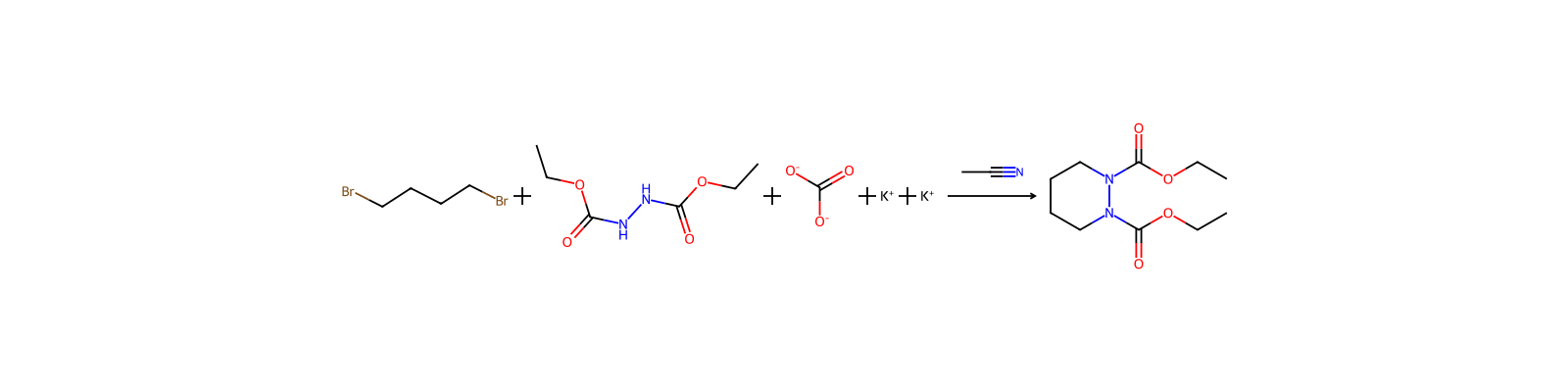
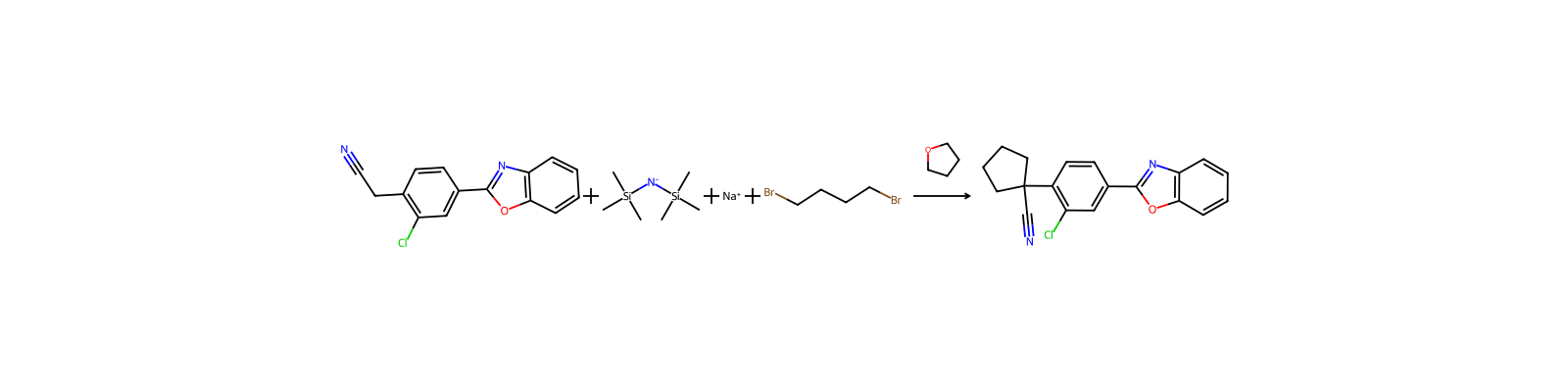
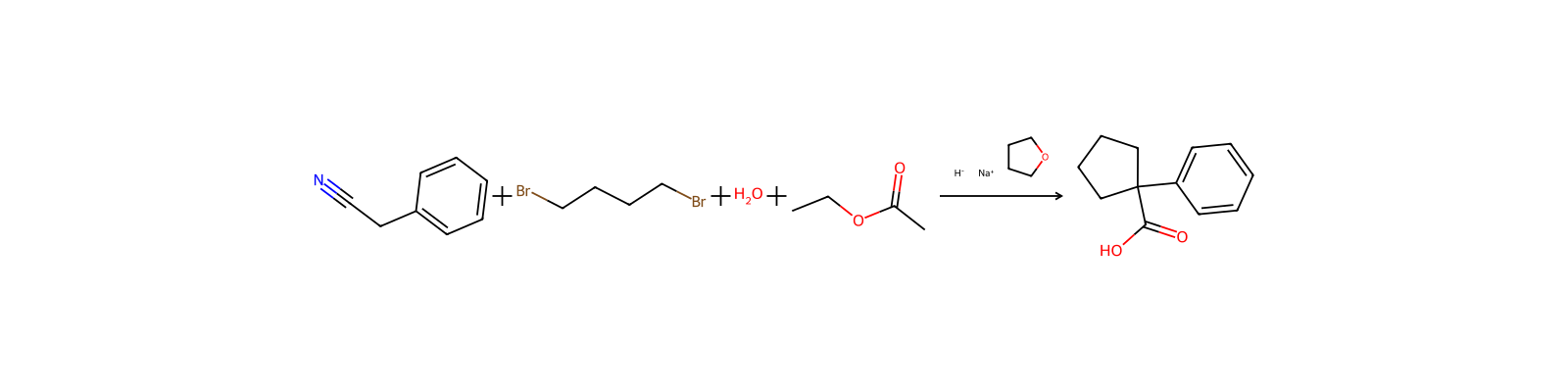
Zugehörige Reaktionen
1.132