

Grundinformationen
- Standard-SMILES
CCCCC=O- InChIKey
HGBOYTHUEUWSSQ-UHFFFAOYSA-N- Summenformel
- C5H10O
- Durchschnittliche Molmasse
- 86,13 g/mol
- Monoisotopische Masse
- 86,07316494
Überblick
Valeraldehyde appears as a colorless liquid. Slightly soluble in water and less dense than water. Flash point 54 °F. Vapors heavier than air. Used to make artificial flavorings and rubber.
Namen und Bezeichner
- Bevorzugter Name
- Pentanal
- IUPAC
- pentanal
- Lokaler Name
- Valeraldehyd
- Englischer Name
- Valeraldehyde
- Summenformel
- C5H10O
- Molmasse
- 86.13
Namen und Synonyme
ValeraldehydePENTANAL110-62-3n-Valeraldehyden-PentanalValeric aldehydeValeralValeryl aldehydeAmylaldehydeAmyl aldehydeButyl formalValeric acid aldehyde
Weitere Namen anzeigen
1-pentanalFEMA 3098Pentanal 95%Valeraldehyd
Valerylaldehyden-Valeric aldehydeValerianic aldehydeFEMA No. 3098FEMA Number 3098DTXSID7021653NSC-35404B975S3014W
Datenbank-Bezeichner
- CAS
110-62-3- PubChem CID
- 8063
- DTXSID
DTXSID7021653- ChEMBL
CHEMBL18602- ChEBI
CHEBI:84069- UNII
- B975S3014W
- EC Number
- 203-784-4
- Nikkaji
- J5.096B
Eigenschaften
Berechnete Struktureigenschaften
- XLogP
- 1,1
- Polarare Oberfläche (TPSA)
- 17,1 Ų
- H-Brücken-Donoren
- 0
- H-Brücken-Akzeptoren
- 1
- Frei drehbare Bindungen
- 3
- Schwere Atome
- 6
- Formalladung
- 0
- Komplexität
- 32,9
Experimentelle und physikochemische Eigenschaften
Chemical Classes
Other Classes -> Aldehydes
Flammable agents - 3rd degree
Volatile Organic Compound (VOC)
DrugsPharmaceuticals -> Listed in ZINC15
LipidsFatty Acyls [FA] -> Fatty aldehydes [FA06]
SpringerMaterials PropertiesBoiling point
FragrancesFragrance Ingredient (Valeraldehyde) -> IFRA transparency List
LogP1.31
Odor
POWERFUL, ACRID, PUNGENT ODOR
Strong, acrid, pungent odor
Taste
WARM, SLIGHTLY FRUITY, & NUT-LIKE AT LOW LEVELS
PLEASANT, CHOCOLATE AROMA & TASTE
... IT HAS SHARP, PENETRATING FLAVOR
Food AdditivesFLAVORING AGENT OR ADJUVANT -> FDA Substance added to food
Density
0.811 at 68 °F (USCG, 1999) - Less dense than water; will float
0.8095 g/cu cm at 20 °C
Relative density (water = 1): 0.8
0.805-0.809
0.811
0.81
Flavoring AgentsEU Flavoring substances
Viscosity0.54 mPa-s at 20 °C
Physikochemische Eigenschaften
- Schmelzpunkt
- -92 °C · -92 °C
- Siedepunkt
- 103 °C · 103 °C
- Dichte
- 0.81 g/mL · 0.81 g/mL at 25 °C(lit.)
- Dampfdruck
- 36 hPa · 36 hPa (20 °C)
- Brechungsindex
- 20 · n20/D 1.394(lit.)
- FEMA
- 3098 · 3098 | VALERALDEHYDE
- Flammpunkt
- 54 °F · 54 °F
- storage temp.
- 2 °C · Store at +2°C to +8°C.
- Löslichkeit
- soluble in ethyl alcohol, ethyl ether, and other common organic solvents.
- Aggregatzustand
- liquid
- Farbe
- Colorless to Light yellow
- Geruch (Odor)
- 1 % · at 1.00 % in dipropylene glycol. fermented bready fruity nutty berry
- Geruchsart
- fermented
- Odor Threshold
- 0.00041 ppm · 0.00041ppm
- Biologische Quelle
- synthetic
- Explosionsgrenze
- 1.7 · 1.7-6.8%(V)
- Wasserlöslichkeit
- 14 g/L · 14 g/L (20 ºC)
- Merck
- 14 · 14,9902
- JECFA Number
- 89 · 89
- BRN
- 1616304 · 1616304
- Henry's Law Constant
- 6.6 · 6.6×10-2 mol/(m3Pa) at 25℃, Brockbank (2013)
- Dielectric constant
- 13.9 · 13.9(Ambient)
- Stabilität
- Stable. Highly flammable. Incompatible with strong oxidizing agents, acids, strong alkalies, strong reducing agents.
- Kosmetik-Inhaltsstoffe Funktionen
- PERFUMING
- InChI
- 1S/C5H10O/c1-2-3-4-5-6/h5H,2-4H2,1H3
- InChIKey
- HGBOYTHUEUWSSQ-UHFFFAOYSA-N
- SMILES
- [H]C(=O)CCCC
- LogP
- 1.5 at · 1.5 at 25℃ and pH7
- CAS Datenbank
- 110 · 110-62-3(CAS DataBase Reference)
- NIST chemische Informationen
- Pentanal(110-62-3)
- EPA chemische Informationen
- Pentanal (110-62-3)
Sicherheit und Regulatorisches
GHS-Klassifizierung
GHS Classification
Danger
H225 (100%): Highly Flammable liquid and vapor [Danger Flammable liquids]
P210, P233, P240, P241, P242, P243, P261, P264, P264+P265, P271, P272, P280, P302+P352, P303+P361+P353, P304+P340, P305+P351+P338, P317, P319, P321, P332+P317, P333+P317, P337+P317, P362+P364, P370+P378, P403+P233, P403+P235, P405, and P501 (click each P-code to see the statement)
Aggregated GHS information provided per 1939 reports by companies from 25 notifications to the ECHA C&L Inventory. Each notification may be associated with multiple companies.
Danger
H225: Highly Flammable liquid and vapor [Danger Flammable liquids]
Gefahrenhinweise
Regulatory Information
Chemical: Pentanal
Pentanal is listed on the EPA's Chemical Data Reporting (CDR) system. Manufacturers and importers of Pentanal are required to report information about their production and use of this chemical to the EPA under the Toxic Substances Control Act (TSCA). (40 eCFR Part 711)
Status: Active Update: 20-04-2023 https://echa.europa.eu/registration-dossier/-/registered-dossier/14541
Pentanal: HSNO Approval: HSR001234 Approved with controls
The New Jersey Worker and Community Right to Know Act requires public and private employers to provide information about hazardous substances at their workplaces. (N.J.S.A. 34:5A-1 et. seq.)
Other Safety InformationIMAP assessments - Pentanal: Human health tier II assessment
DOT LabelFlammable Liquid
Fire Hazards
Excerpt from ERG Guide 129 [Flammable Liquids (Water-Miscible / Noxious)]:
· HIGHLY FLAMMABLE: Will be easily ignited by heat, sparks or flames.
Highly flammable. Vapour/air mixtures are explosive.
Fire PotentialA very dangerous fire hazard when exposed to heat or flame.
Health Hazards
Vapor may irritate eyes. Liquid irritates eyes and skin. (USCG, 1999)
· May cause toxic effects if inhaled or absorbed through skin.
Hazards SummaryIf left on clothing, can cause reddening of skin; [CHRIS] A skin, eye, and respiratory tract irritant; [ICSC] See ALDEHYDES.
DOT ID and Guide
2058 129
2058 129
FDA Requirements
Pentanal is a food additive permitted for direct addition to food for human consumption as a synthetic flavoring substance and adjuvant in accordance with the following conditions: a) they are used in the minimum quantity required to produce their intended effect, and otherwise in accordance with all the principles of good manufacturing practice, and 2) they consist of one or more of the following, used alone or in combination with flavoring substances and adjuvants generally recognized as safe in food, prior-sanctioned for such use, or regulated by an appropriate section in this part.
Reactive GroupAldehydes
UN ClassificationUN Hazard Class: 3; UN Pack Group: II
Special Reports
Organization for Economic Cooperation and Development; Screening Information Data Set for n-Valeraldehyde, 110-62-3 (October 2005).[Available from the Database Query page at, as of January 15, 2009: http://www.chem.unep.ch/irptc/sids/OECDSIDS/sidspub.html]
Sicherheit und Schutzausrüstung
Fire Fighting
Excerpt from ERG Guide 129 [Flammable Liquids (Water-Miscible / Noxious)]:
Use water spray, powder, alcohol-resistant foam, carbon dioxide. In case of fire: keep drums, etc., cool by spraying with water.
First Aid Measures
Fresh air, rest.
Remove contaminated clothes. Rinse and then wash skin with water and soap.
First rinse with plenty of water for several minutes (remove contact lenses if easily possible), then refer for medical attention.
Rinse mouth. Give one or two glasses of water to drink. Refer for medical attention .
Accidental Release Measures
· CALL 911. Then call emergency response telephone number on shipping paper. If shipping paper not available or no answer, refer to appropriate telephone number listed on the inside back cover.
· ELIMINATE all ignition sources (no smoking, flares, sparks or flames) from immediate area.
First Aid
EYES: First check the victim for contact lenses and remove if present. Flush victim's eyes with water or normal saline solution for 20 to 30 minutes while simultaneously calling a hospital or poison control center. Do not put any ointments, oils, or medication in the victim's eyes without specific instructions from a physician. IMMEDIATELY transport the victim after flushing eyes to a hospital even if no symptoms (such as redness or irritation) develop.
General First Aid:
(General first aid procedures)
Safe StorageFireproof. Well closed. Cool.
Firefighting Hazards
Burning Rate: 1.9 mm/min
Flashback along vapor trail may occur.
Exposure Control and Personal Protection· Wear positive pressure self-contained breathing apparatus (SCBA).
Fire Fighting ProceduresFoam, dry chemical, or carbon dioxide. Water may be ineffective.
Storage Conditions
...Store in tightly closed containers in a cool, well-ventilated area. Sources of ignition such as smoking and open flames are prohibited where Valeraldehyde is handled, used, or stored. Metal containers involving the transfer of 5 gallons or more of Valeraldehyde should be grounded and bonded. Drums must be equipped with self-closing valves, pressure vacuum bungs, and flame arresters. Use only non-sparking tools and equipment, especially when opening and closing containers of Valeraldehyde.
Cleanup MethodsAbsorb the spills with rags or other available absorbing materials. Evaporate in a hood and dispose by burning the rag or the absorbing materials.
Nonfire Spill ResponseExcerpt from ERG Guide 129 [Flammable Liquids (Water-Miscible / Noxious)]:
Disposal Methods
SRP: The most favorable course of action is to use an alternative chemical product with less inherent propensity for occupational exposure or environmental contamination. Recycle any unused portion of the material for its approved use or return it to the manufacturer or supplier. Ultimate disposal of the chemical must consider: the material's impact on air quality; potential migration in soil or water; effects on animal, aquatic, and plant life; and conformance with environmental and public health regulations.
Dissolve in a combustible solvent, thence spray the solvent into the furnace with afterburner.
Toxikologische Informationen
Body Burden
In EPA's National Human Adipose Tissue Survey (NHATS) for 1982, all 46 composite samples analyzed contained pentanal: in all 12 samples for 0-14, in all 17 samples for 15-44, and in all 17 samples for 45 and over years of age(1). Pentanal was detected, but not quantified, in 7 of 8 samples of mother's milk analyzed from 4 U.S. urban areas(2).
Target OrgansEyes, skin, respiratory system
Ecotoxicity Values
LC50; Species: Pimephales promelas (Fathead minnow, age 31 days, mean length 19.8 mm, mean weight 0.119 g); Conditions: flow-through bioassay with measured concentrations, 24.5 °C, dissolved oxygen 6.1 mg/L, hardness 37.5 mg/L calcium carbonate, alkalinity 44.1 mg/L calcium carbonate, and pH 7.52; Concentration: 12.4 mg/L for 96 hr (95% confidence limit 11.3-13.6 mg/L) /99% purity/
LC50; Species: Pimephales promelas (Fathead minnow, age 28 days, mean length 18.8 mm, mean weight 0.101 g); Conditions: flow-through bioassay with measured concentrations, 24.1 °C, dissolved oxygen 6.9 mg/L, hardness 45.3 mg/L calcium carbonate, alkalinity 49.6 mg/L calcium carbonate, and pH 7.48; Concentration: 13.4 mg/L for 96 hr (95% confidence limit 12.8-14.0 mg/L) /99% purity/
LC50; Species: Oncorhynchus mykiss (Rainbow trout, juvenile, average length 4.2 + or -0.3 cm, weight 0.623 + or -0.125 g); Conditions: freshwater, flow through, 13.0 + or -1 °C, hardness 68-76 mg/L CaCO3, alkalinity 28-40 mg/L CaCO3, conductivity 155-162 umhos/cm, residual chlorine <10 ppb; Concentration: 46.5 mg/L for 24 hr /99.6% purity/
LC50; Species: Oncorhynchus mykiss (Rainbow trout, juvenile, average length 4.2 + or -0.3 cm, weight 0.623 + or -0.125 g); Conditions: freshwater, flow through, 13.0 + or -1 °C, hardness 68-76 mg/L CaCO3, alkalinity 28-40 mg/L CaCO3, conductivity 155-162 umhos/cm, residual chlorine <10 ppb; Concentration: 29.4 mg/L for 48 hr (95% confidence interval: 26.6-32.3 mg/L) /99.6% purity/
For more Ecotoxicity Values (Complete) data for PENTANAL (19 total), please visit the HSDB record page.
Environmental Fate
TERRESTRIAL FATE: Based on a classification scheme(1), an estimated Koc value of 25(SRC), determined from a water solubility of 1.17X10+4 mg/L(2) and a regression-derived equation(3), indicates that pentanal is expected to have very high mobility in soil(SRC). Volatilization of pentanal from moist soil surfaces is expected to be an important fate process(SRC) given a Henry's Law constant of 1.47X10⁻⁴ atm-cu m/mole(4). Pentanal is expected to volatilize from dry soil surfaces(SRC) based upon its vapor pressure of 26 mm Hg(5). In activated sludge from waste treatment plants in operation, pentanal had a theoretical oxygen demand of 17.8% after 24 hrs(6), suggesting that biodegradation may be an important fate process in soil(SRC).
AQUATIC FATE: Based on a classification scheme(1), an estimated Koc value of 25(SRC), determined from a water solubility of 1.17X10+4 mg/L(2) and a regression-derived equation(3), indicates that pentanal is not expected to adsorb to suspended solids and sediment(SRC). Volatilization from water surfaces is expected(3) based upon a Henry's Law constant of 1.47X10⁻⁴ atm-cu m/mole(4). Using this Henry's Law constant and an estimation method(3), volatilization half-lives for a model river and model lake are 8 hours and 5 days, respectively(SRC). According to a classification scheme(5), an estimated BCF of 3(SRC), from its water solubility(2) and a regression-derived equation(3), suggests the potential for bioconcentration in aquatic organisms is low(SRC). In activated sludge from waste treatment plants in operation, pentanal had a theoretical oxygen demand of 17.8% after 24 hrs(6), suggesting biodegradation is an important environmental fate process in water(SRC). Pentanal is not expected to undergo hydrolysis in the environment due to the lack of functional groups that hydrolyze under environmental conditions(3).
ATMOSPHERIC FATE: According to a model of gas/particle partitioning of semivolatile organic compounds in the atmosphere(1), pentanal, which has a vapor pressure of 26 mm Hg at 20 °C(2), is expected to exist solely as a vapor in the ambient atmosphere. Vapor-phase pentanal is degraded in the atmosphere by reaction with photochemically-produced hydroxyl radicals(SRC); the half-lives for this reaction in air are estimated to be 14.6 and 13.5 hours(SRC), calculated from rate constants of 2.63X10⁻¹¹(3) and 2.85X10⁻¹¹(4) cu cm/molecule-sec at 25 °C, respectively. Vapor-phase pentanal is also degraded in the atmosphere by reaction with photochemically-produced nitrate radicals; the half-life for this reaction in air is estimated to be 49 hours(SRC), calculated from rate constant of 1.65X10⁻¹⁴ cu cm/sec(3). Pentanal contains chromophores that absorb at wavelengths >290 nm(5) and will undergo photodegradation to form propene, vinyl alcohol and ethanal(6).
Food Survey Values
Pentanal has been identified as a volatile in the following foods: Korean chamchwi(1), baked potatoes(2), cassava(3), French mountain cheese(4), raw beef(5-6), roasted filberts(7), boiled short-necked clams and clams(8), scrambled eggs(9), delicious apples(10), frankfurters(11), Italian-type dry-cured ham(12), and fried chicken(13). Pentanal was found in popcorn using dry extraction method at 36 ug/kg and not detected using wet extraction method(14). Commercial rice cakes were found to contain 130-440 ppb of pentanal(15). Fermented soybean (Glycine max) curds were found to contain 24.6-151.3 ug/kg of pentanal(16). Pentanal was detected in the emissions from heated rapeseed oil(17) and in whole and ground musty sorghum with direct helium-purge method and with supercritical fluid extraction method(18).
Exposure Routes
The substance can be absorbed into the body by inhalation of its vapour.
inhalation, ingestion, skin and/or eye contact
Milk ConcentrationsENVIRONMENTAL: Pentanal was detected, but not quantified, in 7 of 8 samples of mother's milk analyzed from 4 US urban areas(1). Pentanal was detected, not quantified, in cold storage, store bought milk in Australia(2).
Average Daily IntakeAIR INTAKE: Assuming a mean concn of 0.05-1.07 ppb(1,2) of pentanal in the atmosphere an avg daily intake of 0.0036-0.765 ug is expected(SRC).
Plant Concentrations
Pentanal is a plant volatile(1). The concn of pentanal is relatively high in undeveloped apples but then decreases to undetectable levels as the harvest approaches(2). Pentanal was emitted from rape during the blooming period at a rate of 0.12 and 0.47 ppbv during May 8 and 9, 1998(3).
Signs and Symptoms
Cough. Sore throat.
Redness.
Redness. Pain.
Nausea. Diarrhoea. Vomiting.
irritation eyes, skin, nose, throat
Effluent Concentrations
Pentanal was emitted from samples of particle board with glued-on carpet and plywood coated with polyurethane at rates of 0.031 and 0.014 mg/sq m-hr, respectively(1). Pentanal was measured in the emissions of three paints at 0.26-0.48 mg/g of paint(2). Laboratory scale composting emissions contained pentanal after two days(3). The emission rate of pentanal during the operation of dry-process photocopiers was <10 ug/hr in idle mode and 540 ug/hr in print mode(4). Pentanal was released as fireplace emissions at 6.81 and 6.26 mg/kg of fuel burnt for soft and hard wood, respectively(5). Pentanal was found in emissions from a wood stove using hardwood at 13.05 mg/kg and using synthetic fuel at 6.74 mg/kg(5). Green aspen drying in a kiln at 160 °C for 2 hrs contained 70 ug/g of pentanal in a laboratory experiment(6). Wood drying in a mill for 10, 30, and 55 days at 160 °C emitted pentanal at concns of 42, 19, and 11 ug/g, respectively(6). Pentanal was emitted from wood dried in a kiln at 130 °C for 10 and 30 days was 2 and 5 ug/g(6). Pentanal was emitted from three day old floor coverings at rates of 3, 10, 8, 16, and 73 ug/sq m-hr for oak, pine, birch, oiled parquet, and waxed parquet, respectively(7). The emission rates at 28 days old were 1, 2, 6, 6, and 13 ug/sq m-hr for the same floor coverings(7). Pentanal was detected in 17 of 44 furniture emission samples(8). Pentanal was measured in the emissions of burnt wood at 32, 88, and 28 mg/kg of pine, oak, and eucalyptus, respectively, in the gas phase(9). Pentanal was detected but not quantified in the emissions of building materials with microbial growth(10). Pentanal was detected in the emissions of cookstoves in China using wheat crop residue, wood, coal, kerosene, liquid propane gas, and coal gas at concns of 13.1, 9.9, 2.2, 27.3, 4.7, and 2.2 mg/kg, respectively(11).
Pentanal was given off of six new vehicle interiors at an average of 29 ug/hr in new vehicles, 14 ug/hr in 20 day old vehicles and 16 ug/hr in 40 day old vehicles(1). Pentanal was detected, but not quantified, in gasoline and diesel fuel(2). Pentanal (as % of total non-methane organic compound emissions) was identified in regular gasoline (1.53%), high grade gasoline (1.49%), regular whole gas (2.97%), high grade whole gas (2.71%), roadway (1.91%), bus parking garage hot soak (0.70%), bus parking garage cold start (1.05%), motorcycle emissions (2.62%), petroleum refinery (0.83%), lead smelter (0.45%), cast iron factory emissions (0.58%), and natural gas (0.05%) in Cairo, Egypt(3). Pentanal sampling conducted in the Tuscarora Mountain Tunnel, PA gave the following results: light duty trucks emitted 0.05 mg/km traveled or 0.736 mg/L fuel used, heavy duty trucks emitted 0.617 mg/km traveled or 1.943 mg/L fuel used(4). Pentanal concns from automobile exhaust were 2.8-18 ppbv in models from 1971 and 1977(5). Pentanal was measured in the emissions of gasoline powered motor vehicles at a rate of 490 ug/km and 27,000 ug/km for catalyst equipped engines and non-catalyst equipped engines(6). Pentanal emissions from an automobile running on Swedish environmental classified diesel fuel were 3.6 mg/km and the same automobile running on European program emissions fuel were 2.8 mg/km(7).
ICSC Environmental DataThe substance is harmful to aquatic organisms.
Regulatorische Informationen
FDA Requirements
Pentanal is a food additive permitted for direct addition to food for human consumption as a synthetic flavoring substance and adjuvant in accordance with the following conditions: a) they are used in the minimum quantity required to produce their intended effect, and otherwise in accordance with all the principles of good manufacturing practice, and 2) they consist of one or more of the following, used alone or in combination with flavoring substances and adjuvants generally recognized as safe in food, prior-sanctioned for such use, or regulated by an appropriate section in this part.
TSCA Requirements
Section 8(a) of TSCA requires manufacturers of this chemical substance to report preliminary assessment information concerned with production, exposure, and use to EPA as cited in the preamble in 51 FR 41329. Effective date 9/30/91; Reporting date: 11/27/91.
Pursuant to section 8(d) of TSCA, EPA promulgated a model Health and Safety Data Reporting Rule. The section 8(d) model rule requires manufacturers, importers, and processors of listed chemical substances and mixtures to submit to EPA copies and lists of unpublished health and safety studies. Pentanal is included on this list. Effective date 9/30/91; Sunset date: 6/30/98.
Sicherheitsdaten
- F
- 10-23
- OEB
- A
- OEL
- TWA: 50 ppm (175 mg/m3) (Aldehydes)
- wgk
- 1
- tsca
- TSCA listed
- ridadr
- UN 2058
- hs_code
- 29121900
- RTECS-Nr.
- YV3600000
- risk_code
- 11-38-41-36/37/38
- Toxizität
- LD50 orally in rats: 5.66 ml/kg (Smyth)
- hazard_code
- F,Xi
- hazard_note
- Irritant/Flammable/Air Sensitive
- safety_code
- 16-26-33-39-37/39
- hazard_class
- 3
- packing_group
- II
- Speicherklasse
- 3 - Flammable liquids
- Giftige Stoffe Daten
- 110-62-3(Hazardous Substances Data)
- Hazard Classifications
- Acute Tox. 4 InhalationEye Irrit. 2Flam. Liq. 2Skin Sens. 1STOT SE 3
- Selbstentzündungstemperatur
- 428 °F
Chemie und Industrie
Pharmakologische Informationen
Mechanism of Action
Many volatile organic compounds (VOCs) are significant environmental irritants that stimulate somatosensory nerve endings to produce pain and irritation. ...Intracellular calcium in cultured trigeminal ganglion neurons /was measured/ to characterize the cellular mechanisms and chemical structural determinants underlying sensitivity to VOCs. Trigeminal neurons responded to homologous series of alcohols (C4-C7) as well as saturated and unsaturated aldehydes in a concentration dependent manner. Ranked in terms of threshold to recruit neurons by compounds of the same carbon chain length, enaldehyde<aldehyde<alcohol. Unlike aldehydes and alcohols that displayed ascending concentration curves, recruitment of neurons by enaldehydes (C4-C7) appeared to saturate, consistent with a mechanism that is restricted in its neural distribution. Using pentanol, pentanal and pentenal as model compounds, /it was/ found that many but not all cool/cold-sensitive and capsaicin-sensitive neurons responded with increases in intracellular calcium. These VOCs also stimulated other neurons that were insensitive to cooling and capsaicin. Because not all cooling- and all capsaicin-sensitive neurons responded to the model VOCs, it is highly unlikely that known nociceptive ion channels such as TRPV1 or TRPA1 mediate sensitivity to these compounds. For pentanol, pentanal and pentenal, induced calcium influx was dependent on the presence of extracellular calcium. Responses of all neurons to pentanal and pentenal were also dependent upon extracellular sodium. Responses to pentanol were variably dependent on sodium. The distribution of sensitivity suggests that VOC irritation may be mediated by an as yet unidentified mechanism(s) that is/are distributed across different modalities of neurons.
Inhibition of intercellular communication is an important feature in the tumor promotion phase of a multistage carcinogenesis model. In atherosclerosis inhibition of cell-cell communication by atherogenic compounds, e.g., low density lipoproteins (LDL), also seems to be important. For testing atherogenic compounds we used an atherosclerosis relevant cell type, namely human smooth muscle cells. In order to investigate which part of the LDL particle would be involved in inhibition of metabolic co-operation between human smooth muscle cells in culture ... several fatty acids and their breakdown products /were tested/, namely aldehydes. Unsaturated C-18 fatty acids markedly influenced gap-junctional intercellular communication (GJIC), whereas saturated (C18:0, C16:0) and unsaturated fatty acids with > 20 carbon atoms did not inhibit GJIC. In the case of oleic and elaidic acid, orientation seemed important; however, after exposure to palmitoleic and palmitelaidic acid no differences were found. The most potent inhibitor of GJIC was linoleic acid, which inhibited GJIC by 75%. No correlation was found between degrees of unsaturation and ability to inhibit GJIC. Of the tested aldehydes, hexanal, propanal, butanal and 4-hydroxynonenal did significantly inhibit GJIC, while pentanal had no effect. Since modification of LDL was shown to be important in order for LDL to inhibit GJIC, these results show that fatty acids and their oxidative breakdown products may be of importance for the inhibition of GJIC by LDL.
Metabolism/Metabolites
Studies using human liver indicate that valeraldehyde, ... is readily oxidized and that its relative rate of oxidation is similar when tested in vitro at substrate concentrations between 0.5 and 3.0 mM using partially purified human liver aldehyde dehydrogenase (ALDH). Under these conditions, the rate of oxidation for /valeraldehyde/ was comparable to acetaldehyde.
Cellular LocationsCytoplasm
Verwendung und Herstellung
Uses
Used in flavors, resins, and rubber accelerators; [HSDB]
Flavoring, rubber accelerators
In flavoring compounds, resin chemistry, rubber accelerators.
FLAVOR INGREDIENT FOR FOODS & BEVERAGES; MONOMER FOR ACETAL RESINS
Reported uses (PPM): (FEMA, 2005)
Synthetic flavoring material ... It is used as top note. /Top note gives identity to flavoring on first impression and produces fruit, nut flavor./
U.S. Production
2023: 25,000,000 - <40,000,000 lb
(1972) PROBABLY GREATER THAN 4.54X10+5 GRAMS
(1976) PROBABLY GREATER THAN 2.27X10+6 GRAMS
Pentanal is listed as a High Production Volume (HPV) chemical (65FR81686). Chemicals listed as HPV were produced in or imported into the U.S. in >1 million pounds in 1990 and/or 1994. The HPV list is based on the 1990 Inventory Update Rule. (IUR) (40 CFR part 710 subpart B; 51FR21438).
Production volumes for non-confidential chemicals reported under the Inventory Update Rule. [Table#2282]
Industry UsesIntermediate
Methods of Manufacturing
CATALYTIC DEHYDROGENATION OF N-PENTANOL IN THE PRESENCE OF A COPPER OR A COPPER-CHROMITE CATALYST AT HIGH TEMPERATURES
By distillation of calcium valerate & calcium formate; by reduction of n-valeric acid.
Oxidation of amyl alcohol; also by the OXO process
... Hydroformylation of butene
Preparation: ...Olsen, US 2548171 (1951 to GAF)
Use Classification
Fragrance Ingredients
Flavouring Agent -> FLAVOURING_AGENT -> JECFA Functional Classes
Flavoring Agents -> JECFA Flavorings Index
General Manufacturing Information
All Other Basic Organic Chemical Manufacturing
Pentanal: ACTIVE
Anwendungen
BeschreibungValeraldehyde is one of the key volatile flavor compounds identified in cooked rice, beef fish meat and uncured ham. Its smell is described as fermented, bready, fruity, nutty, berry.It is an alkyl aldehyde used in flavoring Compounds, resin chemistry, rubber accelerators.
OccurrenceValeraldehyde is naturally occurring (e.g., plant volatile). Reported found among the constituents of several essential oils: Brazilian sassafras, Bulgarian rose, Bulgarian clary sage and others. Also in the distillates from leaves of various Eucalyptus species: E. cinereea, E. globulus, E. dives, E. maideni and E. hemilampra. Also reported found in fresh apple, banana, sweet cherry, black currant berries, fresh blackberry, Bantu beer, plum brandy, cardamom, coriander leaf, unprocessed rice, Bourbon vanilla, cooked shrimp, scallop, hog plum and clary sage.
VerwendenValeraldehyde is mainly used for hydrogenation to Isoamyl alcohol and oxidation to valeric acid. It can also be used as a raw material for fragrances, resin chemistry, and rubber accelerators.
Darstellung
synthetischeValeraldehyde can be prepared by oxidation of the corresponding alcohol, 1-pentanol or by reduction of n-valeric acid (Opdyke, 1979; Lewis, 1993). Valeraldehyde is one of a number of aliphatic aldehydes industrially prepared by the oxo process, which involves the reaction of olefins with carbon monoxide and hydrogen in the presence of a catalyst. Use of a cobalt carbonyl complex as catalyst required high pressure in an older process, which has been largely replaced by a low-pressure process based on rhodium complex catalysts, such as a tris (alkyldiarylphosphine) rhodium carbonyl hydride.
Vor- und nachgelagerte Produkte
Vorgelagerte Rohstoffe
Nachgelagerte Produkte
Anbieter50 Anbieter
国药集团化学试剂有限公司86-21-63210123 · [email protected]
梯希爱(上海)化成工业发展有限公司021-67121386 · [email protected]
上海阿拉丁生化科技股份有限公司400-6206333 13167063860 · [email protected]
南通润丰石油化工有限公司66017690 19952660367 · [email protected]
聊城信立新材料有限公司18963527911 18006357927 · [email protected]
温州共赢化学有限公司+86-0086-577-64498589 +86-15355981851 · [email protected]
河北创海生物科技有限公司+86-86-13131129325 · [email protected]
山东前元高分子材料有限公司18678041314 18765609661 · [email protected]
Syntechem Co.,Ltd[email protected]
上海迈瑞尔生化科技有限公司4006356688 18621169109 · [email protected]
阿法埃莎(中国)化学有限公司400-6106006 · [email protected]
安耐吉化学&3A(安徽泽升科技股份有限公司)400-0056266 · [email protected]
武汉卡诺斯科技有限公司027-83238443 15327105076 · [email protected]
上海瀚鸿科技股份有限公司021-54306202 13764082696 · [email protected]
上海合勒化学科技有限公司16621266837 · [email protected]
河北缤享新材料科技有限公司+8618633865755 · [email protected]
山东洛克化工有限公司17653113209 13065062079 · [email protected]
上海沃化化工有限公司021-57681602-802 17302146015 · [email protected]
济南世纪通达化工有限公司15605418165
上海景颜化工科技有限公司13817811078 · [email protected]
上海比阳实业有限公司+86-15021878111 · [email protected]
上海竺钥化工有限公司021-33559231 18964673308 · [email protected]
山东洛恒化工产品有限公司17306359933
山东西亚化学有限公司13355009207 13355009207 · [email protected]
玛雅试剂+86 (573) 82222445 (0)18006601000 452520369 · [email protected]
四川库利南科技有限公司400-1166-196 18981987031 · [email protected]
天津希恩思生化科技有限公司400 638 7771 · [email protected]
Xiamen AmoyChem Co., Ltd+86-86-5926051114 · [email protected]
斯百全化学(上海)有限公司021-021-021-67601398-809-809-809 15221380277 · [email protected]
艾科试剂4008-755-333 18080918076 · [email protected]
上海思域化工科技有限公司86-21-34053660 · [email protected]
赛默飞世尔科技(中国)有限公司800-810-5118 · [email protected]
北京伊诺凯科技有限公司400-810-7969 010-59572699 · [email protected]
TOKYO CHEMICAL INDUSTRY CO., LTD.03-36680489 · [email protected]
上海贤鼎生物科技有限公司4009209199 · [email protected]
北京环宇世纪化学科技有限公司hysj_bj.com
上海将来实业股份有限公司021-61552785 · [email protected]
日照力德士化工有限公司010-51268198 · [email protected]
美岚实业(上海)有限公司021-58958189 · [email protected]
上海爱蝶实业有限公司021-58957966 18930537195 · [email protected]
成都零六生物科技有限公司400-1166-196 13458535857 · [email protected]
雷丁试剂0510-85629785 18013409632 · [email protected]
上海鑫圭生物科技有限公司15121041756 · [email protected]
上海麦克林生化科技股份有限公司15221275939 15221275939 · [email protected]
上海嵩爰化工科技有限公司010-1234567 18521000990 · [email protected]
上海有朋化工有限公司021-69005955 13701776567 · [email protected]
上海凯赛化工有限公司021-33516722 13701817765 · [email protected]
上海彤源化工有限公司021-021-69182866 13701855675 · [email protected]
上海蓝润化学有限公司021-69515658 ; 69515628 13701998368 · [email protected]
上海容立化学科技有限公司021-69992220 13701886816 · [email protected]
Ergänzende Hinweise
DefinitionChEBI: Valeraldehyde is a saturated fatty aldehyde composed from five carbons in a straight chain. It has a role as a plant metabolite.
Zugehörige Reaktionen
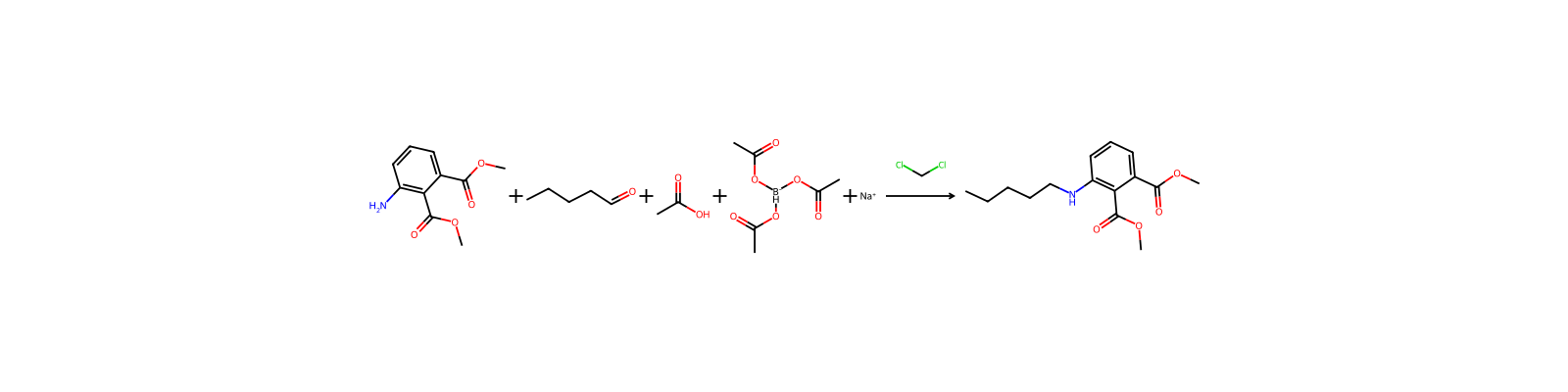
188


Verknüpfte Notizen
Wird geladen…