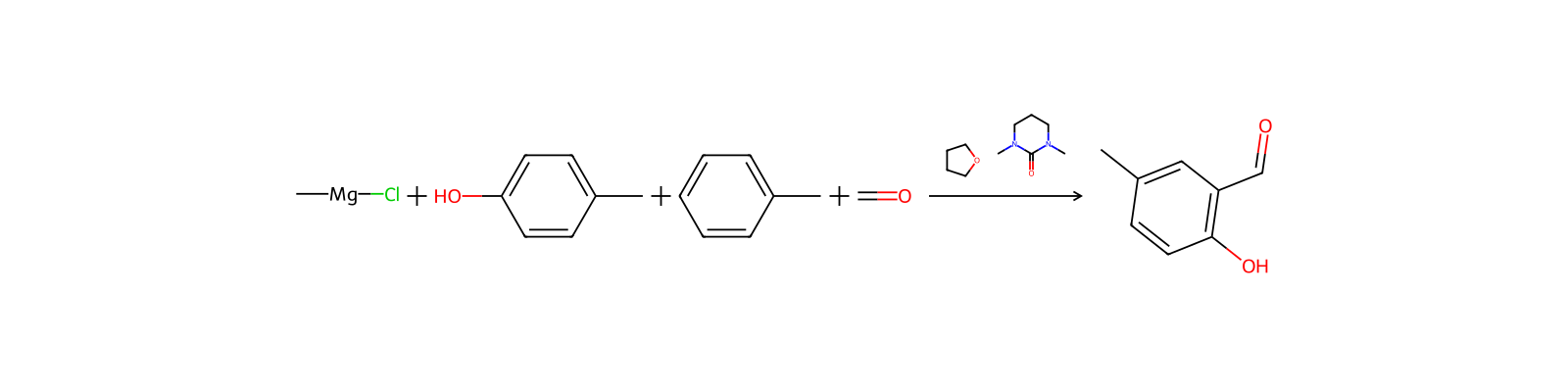
Tetrahydro-1,3-dimethyl-1H-pyrimidin-2-on
2(1H)-Pyrimidinone, tetrahydro-1,3-dimethyl-
Daten werden ergänzt – lade die Seite später neu, um den aktuellen Stand zu sehen
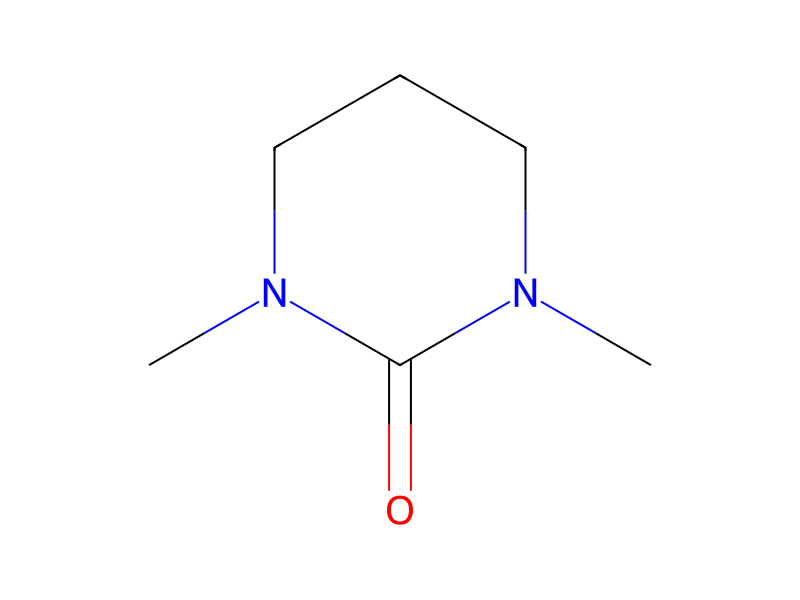
Grundinformationen
- CAS
7226-23-5- Standard-SMILES
CN1CCCN(C)C1=O- InChIKey
GUVUOGQBMYCBQP-UHFFFAOYSA-N- Summenformel
- C6H12N2O
- Durchschnittliche Molmasse
- 128,17 g/mol
- Monoisotopische Masse
- 128,09496301
Namen und Bezeichner
- Bevorzugter Name
- 2(1H)-Pyrimidinone, tetrahydro-1,3-dimethyl-
- IUPAC
- 1,3-dimethyl-1,3-diazinan-2-one
- Lokaler Name
- Tetrahydro-1,3-dimethyl-1H-pyrimidin-2-on
- Englischer Name
- 1,3-Dimethyl-3,4,5,6-tetrahydro-2(1H)-pyrimidinone
- Summenformel
- C6H12N2O
- Molmasse
- 128.17
Namen und Synonyme
1,3-Dimethyl-3,4,5,6-tetrahydro-2(1H)-pyrimidinoneN,N'-Dimethyltrimethyleneurea2(1H)-Pyrimidinone, tetrahydro-1,3-dimethyl-CCRIS 4322Tetrahydro-1,3-dimethyl-1H-pyrimidin-2-oneTetrahydro-1,3-dimethyl-2(1H)pyrimidine1,3-Dimethyltetrahydro-2(1H)-pyrimidinoneEINECS 230-625-6BRN 0110562DTXSID3074575EC 230-625-61,3Dimethyltetrahydropyrimidin2(1H)one
Weitere Namen anzeigen
DMPU1,3-Dimethyltetrahydropyrimidin-2(1H)-oneN,N'-Dimethylpropyleneurea1,3-Dimethyl-1,3-diazinan-2-one1,3-dimethyl-perhydro-2-pyrimidinone1,3-DIMETHYLTETRAHYDRO-2-PYRIMIDINONE1,3-Dimethyl-2-oxohexahydropyrimidine1,3-Dimethyl-3,4,5,6-tetrahydro-2(1H)-pyrimidinone (DMPU)
1,3-dimethyl-3,4,5,6-tetrahydro-2[1H]-pyrimidinoneRefChem:439802N,N'DimethyltrimethyleneureaDTXCID10472812(1H)Pyrimidinone, tetrahydro1,3dimethyl1,3Dimethyl3,4,5,6tetrahydro2(1H)pyrimidinone230-625-67226-23-5
Datenbank-Bezeichner
- CAS
7226-23-5- PubChem CID
- 81646
- DTXSID
DTXSID3074575- ChEMBL
CHEMBL12284- UNII
- 4XZQ92RR2L
- EC Number
- 230-625-6
- Nikkaji
- J35.422H
Eigenschaften
Berechnete StruktureigenschaftenWird ergänzt
- XLogP
- -0,1
- Polarare Oberfläche (TPSA)
- 23,6 Ų
- H-Brücken-Donoren
- 0
- H-Brücken-Akzeptoren
- 1
- Frei drehbare Bindungen
- 0
- Schwere Atome
- 9
- Formalladung
- 0
- Komplexität
- 112
Experimentelle und physikochemische Eigenschaften
Chemical ClassesNitrogen Compounds -> Pyrimidines
SpringerMaterials PropertiesBoiling point
Physical DescriptionColorless odorless liquid; Hygroscopic; [Alfa Aesar MSDS]
Physikochemische Eigenschaften
- Schmelzpunkt
- -20 °C · -20 °C
- Siedepunkt
- 146 °C44 · 146 °C44 mm Hg(lit.)
- Dichte
- 1.06 g/mL · 1.06 g/mL at 25 °C(lit.)
- Dampfdruck
- 0.5 hPa · 0.5 hPa (57 °C)
- Brechungsindex
- 20 · n20/D 1.488(lit.)
- Flammpunkt
- 121 °C · 121 °C
- storage temp.
- 30 °C · Store below +30°C.
- Löslichkeit
- Chloroform (Slightly), Ethyl Acetate (Slightly)
- Aggregatzustand
Sicherheit und Regulatorisches
Sicherheitsangaben dienen nur zur Orientierung und ersetzen weder das Sicherheitsdatenblatt (SDB) des Lieferanten noch geltende Vorschriften oder eine fachliche Bewertung.
GHS-Klassifizierung
GHS Classification
Danger
H302: Harmful if swallowed [Warning Acute toxicity, oral]
P203, P264, P264+P265, P270, P280, P301+P317, P305+P354+P338, P317, P318, P330, P405, and P501 (click each P-code to see the statement)
Danger
H302 (100%): Harmful if swallowed [Warning Acute toxicity, oral]
P203, P261, P264, P264+P265, P270, P272, P280, P301+P317, P302+P352, P305+P354+P338, P317, P318, P321, P330, P333+P317, P362+P364, P405, and P501 (click each P-code to see the statement)
Gefahrenhinweise
Regulatory Information
Chemical: 2(1H)-Pyrimidinone, tetrahydro-1,3-dimethyl-
PMN - indicates a commenced PMN (Pre-Manufacture Notices) substance.
REACH registered substance: Tetrahydro-1,3-dimethyl-1H-pyrimidin-2-one (EC: 230-625-6)
1,3-Dimethyltetrahydro-2(1H)-pyrimidinone: Does not have an individual approval but may be used under an appropriate group standard
Other Safety InformationIMAP assessments - 2(1H)-Pyrimidinone, tetrahydro-1,3-dimethyl-: Human health tier II assessment
Hazards Summary
May cause serious eye injury; Harmful by ingestion; Suspected of being toxic to fertility or the developing child; [ECHA REACH Registrations] Causes somnolence, ataxia, and respiratory stimulation in intraperitoneal lethal-dose studies of mice (LD50 = 1,300 mg/kg); [RTECS] A mild skin and severe eye irritant that may cause serious eye injury; Harmful by ingestion; Possible reproductive toxicant; [Alfa Aesar MSDS]
Hazard Classes and Categories
Acute Tox. 4 (100%)
Acute toxicity - category 4
Repr. 2
Chemie und Industrie
Verwendung und Herstellung
UsesUsed in manufacturing and as a laboratory reagent; [ECHA REACH Registrations]
General Manufacturing Information2(1H)-Pyrimidinone, tetrahydro-1,3-dimethyl-: ACTIVE
Anwendungen
Verwenden1,3-Dimethyl-3,4,5,6-tetrahydro-2(1H)-pyrimidinone is a versatile organic solvent in and less toxic than HMPA. It is mainly applied in the synthesis of pharmaceuticals and agrochemicals. DMPU is also used in the electronics industry.
Vor- und nachgelagerte Produkte
Vorgelagerte Rohstoffe
Nachgelagerte Produkte
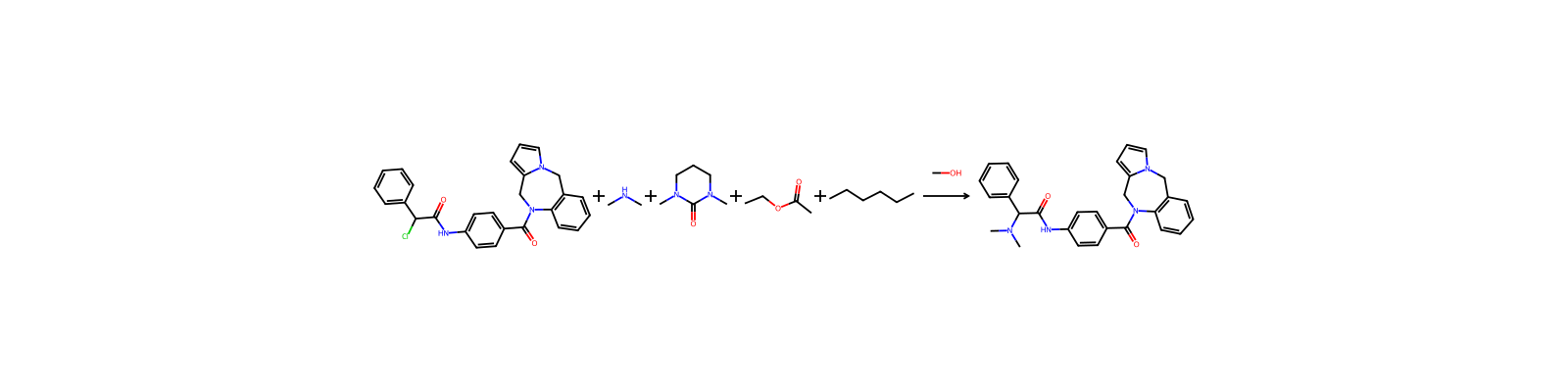
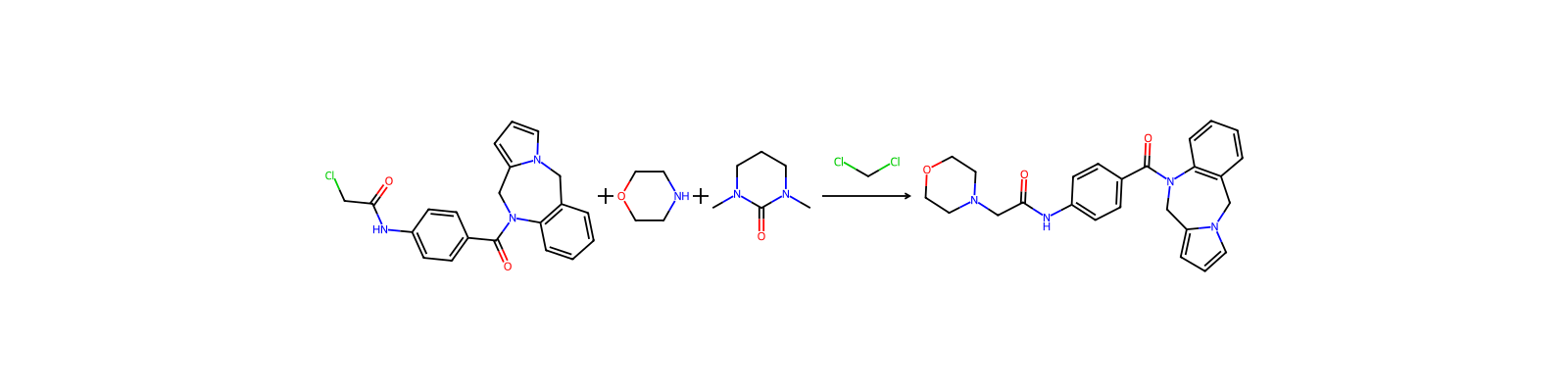
Zugehörige Reaktionen
1.214



Notizen zur Verbindung
Wird geladen…