Dimethylsulfamoylchlorid
Dimethylsulphamoyl chloride
Daten werden ergänzt – lade die Seite später neu, um den aktuellen Stand zu sehen

Grundinformationen
- CAS
13360-57-1- Standard-SMILES
CN(C)S(=O)(=O)Cl- InChIKey
JFCHSQDLLFJHOA-UHFFFAOYSA-N- Summenformel
- C2H6ClNO2S
- Durchschnittliche Molmasse
- 143,59 g/mol
- Monoisotopische Masse
- 142,98077711
Namen und Bezeichner
- Bevorzugter Name
- Dimethylsulphamoyl chloride
- IUPAC
- N,N-dimethylsulfamoyl chloride
- Lokaler Name
- Dimethylsulfamoylchlorid
- Englischer Name
- Dimethylsulfamoyl chloride
- Summenformel
- C2H6ClNO2S
- Molmasse
- 143.59
Namen und Synonyme
Dimethylsulfamoyl chloride13360-57-1Sulfamoyl chloride, dimethyl-Dimethylaminosulfonyl chlorideDimethylsulfamoylchlorideDimethylsulphamoyl chlorideDimethylamidosulfonyl chlorideN,N-Dimethylsulfamyl chlorideSulfamoyl chloride, N,N-dimethyl-EINECS 236-412-4NSC 93875BRN 0741979
Weitere Namen anzeigen
N,N-DIMETHYLSULFAMOYL CHLORIDEDimethylsulfamoylfamoyLDiMethylsulfaMoy ChlorideDimethylsdulfamoylchloriddimethyl-sulfamoylchloridDimethylsulfamyl chlorideDIMETHYLAMINOSULFOCHLORIDESulfamoylchloride,dimethyl-
4-04-00-00270 (Beilstein Handbook Reference)DTXSID6065420EC 236-412-4RefChem:588614sulfamoyl chloride, dimethylN,NDimethylsulfamyl chlorideN,NDimethylsulfamoyl chlorideSulfamoyl chloride, N,Ndimethyl
Datenbank-Bezeichner
- CAS
13360-57-1- PubChem CID
- 83372
- DTXSID
DTXSID6065420- UNII
- 76BN2B689B
- EC Number
- 236-412-4
- Nikkaji
- J23.438I
Eigenschaften
Berechnete StruktureigenschaftenWird ergänzt
- XLogP
- 0,3
- Polarare Oberfläche (TPSA)
- 45,8 Ų
- H-Brücken-Donoren
- 0
- H-Brücken-Akzeptoren
- 3
- Frei drehbare Bindungen
- 1
- Schwere Atome
- 7
- Formalladung
- 0
- Komplexität
- 132
Experimentelle und physikochemische Eigenschaften
Chemical ClassesToxic Gases & Vapors -> Acid Halides
SpringerMaterials Properties15N nuclear magnetic resonance spectrum
Physical DescriptionClear colorless liquid; [MSDSonline]
Physikochemische Eigenschaften
- Schmelzpunkt
- -13 °C · -13 °C
- Siedepunkt
- 114 °C75 · 114 °C75 mm Hg(lit.)
- Dichte
- 1.337 g/mL · 1.337 g/mL at 25 °C(lit.)
- Brechungsindex
- 20 · n20/D 1.452(lit.)
- Flammpunkt
- 202 °F · 202 °F
- storage temp.
- 2 · Inert atmosphere,2-8°C
- Löslichkeit
- Chloroform, Ethyl Acetate (Slightly)
- pka
- -8.25 · -8.25±0.70(Predicted)
- Aggregatzustand
- Oil
Sicherheit und Regulatorisches
Sicherheitsangaben dienen nur zur Orientierung und ersetzen weder das Sicherheitsdatenblatt (SDB) des Lieferanten noch geltende Vorschriften oder eine fachliche Bewertung.
GHS-Klassifizierung
GHS Classification
Danger
H302: Harmful if swallowed [Warning Acute toxicity, oral]
P203, P260, P264, P270, P271, P280, P284, P301+P317, P301+P330+P331, P302+P352, P302+P361+P354, P304+P340, P305+P354+P338, P316, P317, P318, P320, P321, P330, P362+P364, P363, P403+P233, P405, and P501 (click each P-code to see the statement)
Danger
H302 (100%): Harmful if swallowed [Warning Acute toxicity, oral]
P203, P260, P262, P264, P264+P265, P270, P271, P280, P284, P301+P317, P301+P330+P331, P302+P352, P302+P361+P354, P304+P340, P305+P354+P338, P316, P317, P318, P320, P321, P330, P361+P364, P362+P364, P363, P403+P233, P405, and P501 (click each P-code to see the statement)
Gefahrenhinweise
Regulatory Information
Hazard Traits - Carcinogenicity
Status: Active Update: 16-03-2023 https://echa.europa.eu/registration-dossier/-/registered-dossier/1978
Dimethylsulphamoyl chloride: Does not have an individual approval but may be used under an appropriate group standard
Hazards Summary
Harmful by ingestion and skin absorption; Highly toxic by inhalation; May cause burns; [eChemPortal: ESIS] Danger of cutaneous absorption; MAC-2 (considered to be carcinogenic for man because sufficient data from long-term animal studies or limited evidence from animal studies substantiated by evidence from epidemiological studies indicate that it can make a significant contribution to cancer risk); [MAK] May decompose on exposure to moisture; A corrosive substance that can cause injury to the skin, eyes, and respiratory tract; Inhalation may cause chemical pneumonitis and pulmonary edema; [MSDSonline]
Hazard Classes and Categories
Acute Tox. 4 (100%)
Carcinogenicity - category 1B
Chemie und Industrie
Verwendung und Herstellung
General Manufacturing InformationSulfamoyl chloride, N,N-dimethyl-: ACTIVE
Anwendungen
VerwendenDichlorofluanid is a degradation product of the pesticide Dichlorofluanid.
Vor- und nachgelagerte Produkte
Vorgelagerte Rohstoffe
Nachgelagerte Produkte
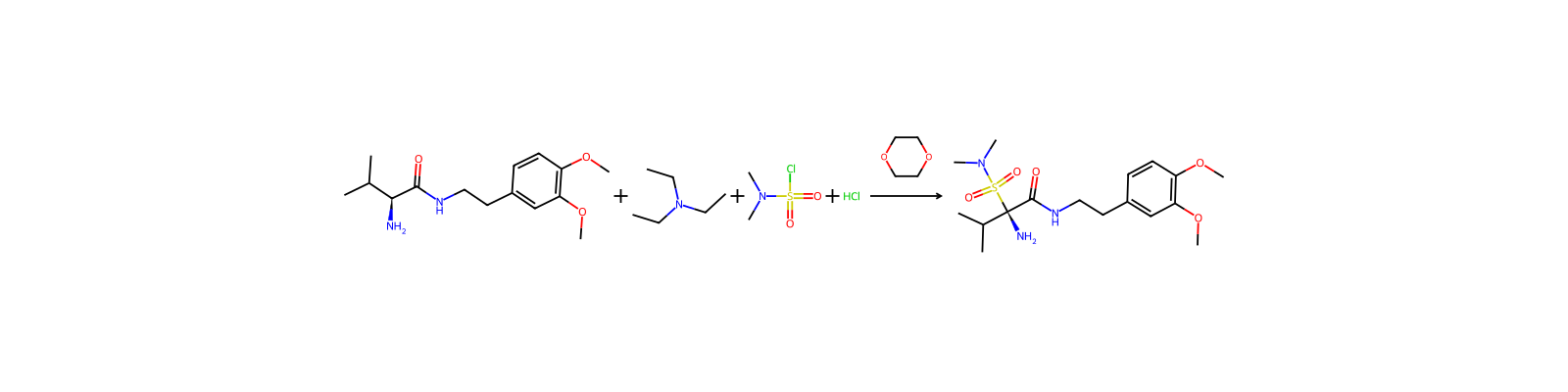
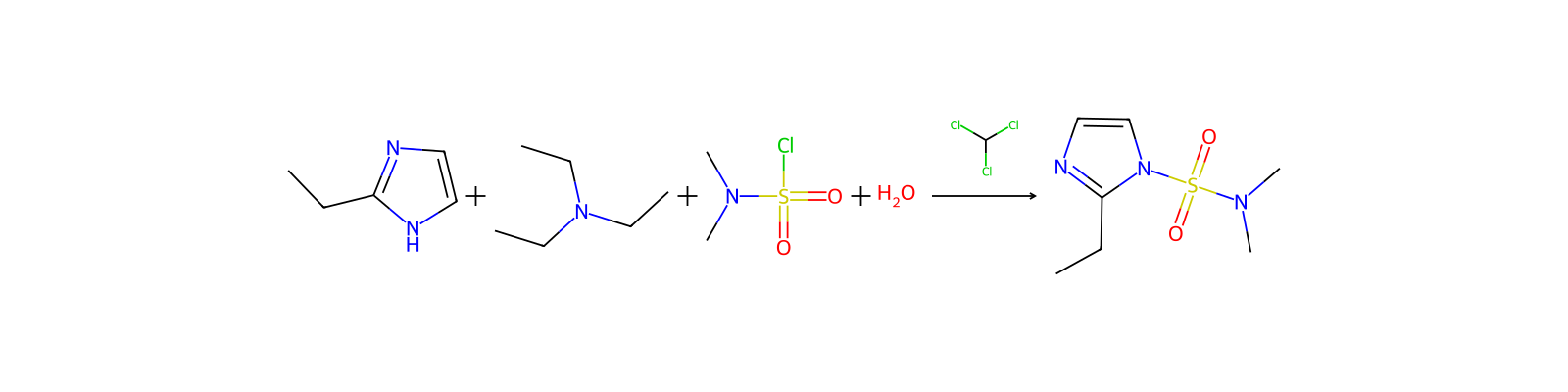
Zugehörige Reaktionen
563





Notizen zur Verbindung
Wird geladen…