
Grundinformationen
- Standard-SMILES
COC(=O)c1ccccc1N- InChIKey
VAMXMNNIEUEQDV-UHFFFAOYSA-N- Summenformel
- C8H9NO2
- Durchschnittliche Molmasse
- 151,16 g/mol
- Monoisotopische Masse
- 151,06332853
Überblick
Methyl anthranilate is a clear colorless to tan liquid with an odor of grapes. Has light blue fluorescence. (NTP, 1992)
Namen und Bezeichner
- Bevorzugter Name
- Methyl Anthranilate
- IUPAC
- methyl 2-aminobenzoate
- Lokaler Name
- Methylanthranilat
- Englischer Name
- Methyl anthranilate
- Summenformel
- C8H9NO2
- Molmasse
- 151.16
Namen und Synonyme
METHYL ANTHRANILATEMethyl 2-aminobenzoate134-20-32-Aminobenzoic acid methyl esterMethyl o-aminobenzoateAnthranilic acid methyl estero-Carbomethoxyaniline2-Carbomethoxyaniline2-(Methoxycarbonyl)anilineBenzoic acid, 2-amino-, methyl esterFEMA No. 2682o-Aminobenzoic acid methyl ester
Weitere Namen anzeigen
Methyl antranilateNEROLINevoli oilFEMA 2682Methyl anthranylateMethylaminobenzoate
DTXSID6025567Methylester kyseliny anthraniloveCHEBI:73244981I0C1E5WNSC-3109DTXCID105567RefChem:157789205-132-4
Datenbank-Bezeichner
- CAS
134-20-3- PubChem CID
- 8635
- DTXSID
DTXSID6025567- ChEMBL
CHEMBL1493986- ChEBI
CHEBI:73244- UNII
- 981I0C1E5W
- EC Number
- 205-132-4
- Nikkaji
- J2.018D
Eigenschaften
Berechnete Struktureigenschaften
- XLogP
- 1,9
- Polarare Oberfläche (TPSA)
- 52,3 Ų
- H-Brücken-Donoren
- 1
- H-Brücken-Akzeptoren
- 3
- Frei drehbare Bindungen
- 2
- Schwere Atome
- 11
- Formalladung
- 0
- Komplexität
- 147
Experimentelle und physikochemische Eigenschaften
Chemical ClassesNitrogen Compounds -> Aminobenzoic Acids
CosmeticsMasking
FragrancesFragrance Ingredient (Methyl anthranilate) -> IFRA transparency List
Pesticides
Other Treatment
Active substance -> EU Pesticides database: Pending
LogP
log Kow = 1.88
1.88
1.88
Odor
Grape-like odor
Orange blossom odor
TasteSlightly bitter, pungent
Food AdditivesFLAVORING AGENT OR ADJUVANT, SOLVENT OR VEHICLE -> FDA Substance added to food
Density
1.1682 at 50 °F (NTP, 1992) - Denser than water; will sink
1.168 at 20 °C
Density: 1.1682 g/cu cm at 10 °C
1.161-1.169
Flavoring AgentsEU Flavoring substances
Color/Form
Crystals
Pale-yellow liquid with bluish fluorescence
Colorless to pale-yellow liquid or crystals with bluish fluorescence
Colorless to pale yellow liquid or solid
Solubility
Slightly soluble (NTP, 1992)
In water, 2,850 mg/L at 25 °C
Slightly soluble in water
Very soluble in ethanol, ethyl ether
Freely soluble in alcohol or ether
Soluble in fixed oils, propylene glycol, volatile oils; slightly soluble in mineral oil; insoluble in glycerol
Physikochemische Eigenschaften
- Schmelzpunkt
- 24 °C · 24 °C (lit.)
- Siedepunkt
- 256 °C · 256 °C (lit.)
- Dichte
- 1.168 g/mL · 1.168 g/mL at 25 °C (lit.)
- Dampfdruck
- 1 mm · 1 mm Hg ( 20 °C)
- Brechungsindex
- 20 · n20/D 1.582(lit.)
- FEMA
- 2682 · 2682 | METHYL ANTHRANILATE
- Flammpunkt
- 220 °F · 220 °F
- storage temp.
- Keep in dark place,Inert atmosphere,Room temperature
- Löslichkeit
- alcohol: freely soluble(lit.)
- Aggregatzustand
- Liquid
- pka
- 1 · pK1:2.23(+1) (25°C)
- Farbe
- Clear yellow-brown
- PH
- 7.5 · 7.5-8 (H2O, 20℃)Aqueous solution
- Geruch (Odor)
- grape odor
- Geruchsart
- fruity
- Biologische Quelle
- synthetic
- Explosionsgrenze
- 1.4 · 1.4-7.8%(V)
- Wasserlöslichkeit
- slightly soluble
- Merck
- 14 · 14,6020
- JECFA Number
- 1534 · 1534
- BRN
- 606965 · 606965
- Henry's Law Constant
- 5.2 · 5.2×100 mol/(m3Pa) at 25℃, Duchowicz et al. (2020)
- Stabilität
- Stable. Combustible. Incompatible with strong oxidizing agents.
- Major Application
- flavors and fragrances
- Kosmetik-Inhaltsstoffe Funktionen
- FRAGRANCE
- InChI
- 1S/C8H9NO2/c1-11-8(10)6-4-2-3-5-7(6)9/h2-5H,9H2,1H3
- InChIKey
- VAMXMNNIEUEQDV-UHFFFAOYSA-N
- SMILES
- COC(=O)c1ccccc1N
- LogP
- 1.88 at · 1.88 at 20℃
- Oberflächenspannung
- 43.71 mN/m · 43.71 mN/m at 25°
- CAS Datenbank
- 134 · 134-20-3(CAS DataBase Reference)
- NIST chemische Informationen
- 2 · Benzoic acid, 2-amino-, methyl ester(134-20-3)
- EPA chemische Informationen
- Methyl anthranilate (134-20-3)
Sicherheit und Regulatorisches
GHS-Klassifizierung
GHS Classification
This chemical does not meet GHS hazard criteria for 0.2% (4 of 2660) of reports.
Warning
H319 (99.8%): Causes serious eye irritation [Warning Serious eye damage/eye irritation]
P264+P265, P280, P305+P351+P338, and P337+P317 (click each P-code to see the statement)
Aggregated GHS information provided per 2660 reports by companies from 13 notifications to the ECHA C&L Inventory.
Warning
Gefahrenhinweise
Regulatory Information
Chemical: Benzoic acid, 2-amino-, methyl ester
Commission Regulation (EC) No 1565/2000 (Repealed by Com. Implementing Reg. (EU) No 872/2012)
Benzoic acid, 2-amino-, methyl ester is listed on the EPA's Chemical Data Reporting (CDR) system. Manufacturers and importers of Benzoic acid, 2-amino-, methyl ester are required to report information about their production and use of this chemical to the EPA under the Toxic Substances Control Act (TSCA). (40 eCFR Part 711)
Status: Active Update: 24-02-2021 https://echa.europa.eu/registration-dossier/-/registered-dossier/19558
Benzoic acid, 2-amino-, methyl ester: Does not have an individual approval but may be used under an appropriate group standard
Other Safety InformationIMAP assessments - Benzoic acid, 2-amino-, methyl ester: Human health tier I assessment
Fire HazardsThis chemical is combustible. (NTP, 1992)
Fire PotentialCombustible liquid.
Health HazardsSYMPTOMS: This compound is an irritant to the skin.
Hazards Summary
A mutagen, reproductive effector, and moderate skin irritant; Causes somnolence and coma in lethal-dose feeding studies of rats; [RTECS] Safe to use as a flavoring agent in food; ADI = 0-1.5 mg/kg; [JECFA] A skin irritant; [CAMEO] A skin and eye irritant; [eChemPortal: ERMA] Included in list of fragrance substances with negative human data, i.e. patch tests of patients with suspected contact allergy to fragrance ingredients which yielded negative results.; [EC: Scientific Committee on Consumer Safety: Fragrance allergens in cosmetic products (2011)] An irritant; [MSDSonline]
FDA Requirements
Synthetic flavoring substances and adjuvants /for animal drugs, feeds, and related products/ that are generally recognized as safe for their intended use, within the meaning of section 409 of the Act. Methyl anthranilate is included on this list.
Synthetic flavoring substances and adjuvants /for human consumption/ that are generally recognized as safe for their intended use, withn the meaning of section 409 of the Act. Methyl anthranilate is included on this list.
Sunscreen active ingredients. The active ingredient of the product consists of any of the following, within the concentration specified for each ingredient, and the finished product provides a minimum SPF value of not less than 2 as measured by the testing procedures established in subpart D of this part: ... (h) Methyl anthranilate up to 5 percent.
Reactive GroupEsters, Sulfate Esters, Phosphate Esters, Thiophosphate Esters, and Borate Esters
FIFRA Requirements
New Active Ingredients ... includes pesticide active ingredients initially registered after November 1, 1984, that currently have active product registrations. By law, these newer pesticides are not subject to the reregistration program. They must, however, meet the new safety standard of the FQPA, and will be reviewed on a 15-year cycle under the registration review program. ... Active Ingredient Number: 128725; Type of Pesticide: biological - bird repellant; Use Site: food use, industrial, turf, commercial use; Year: 1995.
Residues of methyl anthranilate, a biochemical pesticide, are exempt from the requirement of a tolerance in or on all food commodities, when used in accordance with good agricultural practices.
Reactivity Profile
An aromatic amine and ester. Amines are chemical bases. They neutralize acids to form salts plus water. These acid-base reactions are exothermic. The amount of heat that is evolved per mole of amine in a neutralization is largely independent of the strength of the amine as a base. Amines may be incompatible with isocyanates, halogenated organics, peroxides, phenols (acidic), epoxides, anhydrides, and acid halides. Flammable gaseous hydrogen is generated by amines in combination with strong reducing agents, such as hydrides. Esters react with acids to liberate heat along with alcohols and acids. Strong oxidizing acids may cause a vigorous reaction that is sufficiently exothermic to ignite the reaction products. Heat is also generated by the interaction of esters with caustic solutions. Flammable hydrogen is generated by mixing esters with alkali metals and hydrides.
Air and Water ReactionsThis compound is sensitive to air and light. Slightly water soluble (NTP, 1992).
NFPA Hazard Classification
1 - Materials that, under emergency conditions, can cause significant irritation.
1 - Materials that must be preheated before ignition can occur. Materials require considerable preheating, under all ambient temperature conditions, before ignition and combustion can occur.
0 - Materials that in themselves are normally stable, even under fire conditions.
Sicherheit und Schutzausrüstung
Fire Fighting
This compound is not very flammable but any fire involving this compound may produce dangerous vapors. You should evacuate the area. All firefighters should wear full-body protective clothing and use self-contained breathing apparatuses. You should extinguish any fires involving this chemical with a dry chemical, carbon dioxide, foam, or halon extinguisher. (NTP, 1992)
First Aid
EYES: First check the victim for contact lenses and remove if present. Flush victim's eyes with water or normal saline solution for 20 to 30 minutes while simultaneously calling a hospital or poison control center. Do not put any ointments, oils, or medication in the victim's eyes without specific instructions from a physician. IMMEDIATELY transport the victim after flushing eyes to a hospital even if no symptoms (such as redness or irritation) develop.
Fire Fighting Procedures
Suitable extinguishing media: Use water spray, alcohol-resistant foam, dry chemical or carbon dioxide. Advice for firefighters: Wear self-contained breathing apparatus for firefighting if necessary.
Water or foam may cause frothing. /Use/ alcohol foam.
Storage ConditionsKeep container tightly closed in a dry and well-ventilated place. Storage class (TRGS 510): 10: Combustible liquids.
Cleanup Methods
ACCIDENTAL RELEASE MEASURES: Personal precautions, protective equipment and emergency procedures: Use personal protective equipment. Avoid breathing vapors, mist or gas. Ensure adequate ventilation. Environmental precautions: Do not let product enter drains. Methods and materials for containment and cleaning up: Soak up with inert absorbent material and dispose of as hazardous waste. Keep in suitable, closed containers for disposal.
Nonfire Spill Response
SMALL SPILLS AND LEAKAGE: If you spill this chemical, use absorbent paper to pick up all liquid spill material. Your contaminated clothing and absorbent paper should be sealed in a vapor-tight plastic bag for eventual disposal. Solvent wash all contaminated surfaces with alcohol followed by washing with a strong soap and water solution. Do not reenter the contaminated area until the Safety Officer (or other responsible person) has verified that the area has been properly cleaned.
Disposal Methods
SRP: Recycle any unused portion of the material for its approved use or return it to the manufacturer or supplier. Ultimate disposal of the chemical must consider: the material's impact on air quality; potential migration in air, soil or water; effects on animal, aquatic and plant life; and conformance with environmental and public health regulations. If it is possible or reasonable use an alternative chemical product with less inherent propensity for occupational harm/injury/toxicity or environmental contamination.
Product: Offer surplus and non-recyclable solutions to a licensed disposal company. Contact a licensed professional waste disposal service to dispose of this material. Contaminated packaging: Dispose of as unused product.
Preventive Measures
Gloves must be inspected prior to use. Use proper glove removal technique (without touching glove's outer surface) to avoid skin contact with this product. Dispose of contaminated gloves after use in accordance with applicable laws and good laboratory practices. Wash and dry hands.
ACCIDENTAL RELEASE MEASURES; Personal precautions, protective equipment and emergency procedures: Use personal protective equipment. Avoid breathing vapors, mist or gas. Ensure adequate ventilation. Environmental precautions: Do not let product enter drains.
Avoid contact with skin and eyes. Avoid inhalation of vapor or mist.
Handle in accordance with good industrial hygiene and safety practice. Wash hands before breaks and at the end of workday.
SRP: The scientific literature for the use of contact lenses by industrial workers is inconsistent. The benefits or detrimental effects of wearing contact lenses depend not only upon the substance, but also on factors including the form of the substance, characteristics and duration of the exposure, the uses of other eye protection equipment, and the hygiene of the lenses. However, there may be individual substances whose irritating or corrosive properties are such that the wearing of contact lenses would be harmful to the eye. In those specific cases, contact lenses should not be worn. In any event, the usual eye protection equipment should be worn even when contact lenses are in place.
Allowable TolerancesResidues of methyl anthranilate, a biochemical pesticide, are exempt from the requirement of a tolerance in or on all food commodities, when used in accordance with good agricultural practices.
Personal Protective Equipment (PPE)
RECOMMENDED RESPIRATOR: Where the neat test chemical is weighed and diluted, wear a NIOSH-approved half face respirator equipped with an organic vapor/acid gas cartridge (specific for organic vapors, HCl, acid gas and SO2) with a dust/mist filter. (NTP, 1992)
Eye/face protection: Safety glasses with side-shields conforming to EN166. Use equipment for eye protection tested and approved under appropriate government standards such as NIOSH (US) or EN 166 (EU).
Skin protection: Handle with gloves.
Body Protection: Impervious clothing. The type of protective equipment must be selected according to the concentration and amount of the dangerous substance at the specific workplace.
Respiratory protection: Where risk assessment shows air-purifying respirators are appropriate use a full-face respirator with multipurpose combination (US) or type ABEK (EN 14387) respirator cartridges as a backup to engineering controls. If the respirator is the sole means of protection, use a full-face supplied air respirator. Use respirators and components tested and approved under appropriate government standards such as NIOSH (US) or CEN (EU).
Toxikologische Informationen
Ecotoxicity Values
LC50; Species: Ictalurus punctatus (Channel catfish) fry; Conditions: static; Concentration: 20.08 mg/L for 24 hr (95% confidence interval: 12.77-30.35 mg/L)
LC50; Species: Ictalurus punctatus (Channel catfish) fry; Conditions: static; Concentration: 17.35 mg/L for 48 hr (95% confidence interval: 12.17-24.4 mg/L)
LC50; Species: Ictalurus punctatus (Channel catfish) fry; Conditions: static; Concentration: 16.94 mg/L for 72 hr (95% confidence interval: 11.88-23.95 mg/L)
LC50; Species: Ictalurus punctatus (Channel catfish) fry; Conditions: static; Concentration: 16.23 mg/L for 96 hr (95% confidence interval: 11.57-22.47 mg/L)
For more Ecotoxicity Values (Complete) data for Methyl anthranilate (18 total), please visit the HSDB record page.
Environmental Fate
TERRESTRIAL FATE: Based on a classification scheme(1), an estimated Koc value of 75(SRC), determined from a log Kow of 1.88(2) and a regression-derived equation(3), indicates that methyl anthranilate is expected to have high mobility in soil(SRC). However, aromatic amines are expected to bind strongly to humus or organic matter in soils due to the high reactivity of the aromatic amino group(4,5), suggesting that mobility may be much lower in some soils(SRC). Volatilization of methyl anthranilate from moist soil surfaces is expected to be an important fate process(SRC) given an estimated Henry's Law constant of 1.9X10⁻⁶ atm-cu m/mole(SRC), derived from its vapor pressure, 2.7X10⁻² mm Hg(6), and water solubility, 2,850 mg/L(7). Methyl anthranilate is not expected to volatilize from dry soil surfaces(SRC) based upon its vapor pressure(6). Utilizing a soil biodegradation screening test, 100% biodegradation in 64 days of analogous 2-aminobenzoic acid(8) indicates that biodegradation of methyl anthranilate may be an important environmental fate process in soil(SRC).
AQUATIC FATE: Based on a classification scheme(1), an estimated Koc value of 75(SRC), determined from a log Kow of 1.88(2) and a regression-derived equation(3), indicates that methyl anthranilate is not expected to adsorb to suspended solids and sediment(SRC). Volatilization from water surfaces is expected(4) based upon an estimated Henry's Law constant of 1.9X10⁻⁶ atm-cu m/mole(SRC), derived from its vapor pressure, 2.7X10⁻² mm Hg(5), and water solubility, 2,850 mg/L(6). Using this Henry's Law constant and an estimation method(4), volatilization half-lives for a model river and model lake are 24 and 180 days, respectively(SRC). According to a classification scheme(7), an estimated BCF of 8(SRC), from its log Kow(2) and a regression-derived equation(3), suggests the potential for bioconcentration in aquatic organisms is low(SRC). Methyl anthranilate, present at 50 mg/L, exhibited 100% biodegradation in 20 days when incubated in dechlorinated, charcoal-filtered water(8) indicating that biodegradation of methyl anthranilate may be an important environmental fate process in water(SRC).
ATMOSPHERIC FATE: According to a model of gas/particle partitioning of semivolatile organic compounds in the atmosphere(1), methyl anthranilate, which has a vapor pressure of 2.7X10⁻² mm Hg at 25 °C(2), is expected to exist solely as a vapor in the ambient atmosphere. Vapor-phase methyl anthranilate is degraded in the atmosphere by reaction with photochemically-produced hydroxyl radicals(SRC); the half-life for this reaction in air is estimated to be 11 hrs(SRC), calculated from its rate constant of 3.5X10⁻¹¹ cu cm/molecule-sec at 25 °C(SRC) that was derived using a structure estimation method(3). Methyl anthranilate contains chromophores that absorb at wavelengths >290 nm(4) and, therefore, may be susceptible to direct photolysis by sunlight(SRC).
Adverse EffectsNeurotoxin - Other CNS neurotoxin
Toxicity Summary
IDENTIFICATION AND USE: Methyl anthranilate can occur a colorless to pale-yellow liquid, or crystals with bluish fluorescence. It is used as a non-toxic and non-lethal bird repellent. It is used also in flavorings and perfumes. Although methyl anthranilate was not 100% effective in preventing honey bee stinging, it seemed to reduce number of stings below the average human LD50, indicative of a promising tool for preventing honey bee venom toxicity and wasp colonization. HUMAN STUDIES: Maximization tests were carried out on groups of 24 and 26 volunteers. The material was tested at a 10% concentration in petrolatum and produced no sensitization reactions. It produced no irritation after a 48 hr closed-patch test on human subjects and this result was confirmed when the test was repeated. ANIMAL STUDIES: Methyl anthranilate applied full strength to intact or abraded rabbit skin for 24 hr under occlusion was moderately irritating. Groups of 10 male and 10 female weanling rats were maintained for a period of 115 days on diets containing methyl anthranilate at levels of 0, 3,000 and 10,000 ppm. The only observable effects noted at the 10,000 ppm level were increases in the average weights of the liver and kidneys, and slight (minimal) histological changes in the kidneys. There was no increase in the incidence of primary lung tumors in mice over a period of 24 weeks, that received a total dose of methyl anthranilate of 2.25 or 11.2 g/kg bw (repeated ip injections three times a week for a total of 24 injections). Methyl anthranilate was found to be negative when tested for mutagenicity using the Salmonella/ microsome preincubation assay, Methyl anthranilate was tested in as many as 5 Salmonella typhimurium strains (TA1535, TA1537, TA97, TA98, and TA100) in the presence and absence of metabolic activation. ECOTOXICITY STUDIES: No treatment-related mortality of catfish was observed. Handling times of catfish fingerlings captured by herons from tubs treated with methyl anthranilate-based bird repellent increased at application rates of 19.6 kg/ha or greater.
Ecotoxicity Excerpts
/AQUATIC SPECIES/ ...The acute toxicity of methyl anthranilate /was tested/ in a static system against the fry of four species of fish. The LC50 at 24 hr for Atlantic salmon (Salmo salar L.) was 32.3 mg/L, with the no observable effect limit at 6 mg/L.
/AQUATIC SPECIES/ ...The methyl anthranilate-based bird repellent, ReJeX-iT TP-40TM (TP-40), /was evaluated/ for 1) its toxicity to channel catfish fingerlings (catfish), Ictalurus punctatus; 2) its effect on great blue heron (heron), Ardea herodias feeding behavior; 3) its efficacy in reducing heron predation on catfish; and 4) its effects on catfish growth. TP-40 effectively maintained MA /methyl anthranilate/ concentrations near the water's surface and below toxic levels for catfish in the water column. Water samples collected from 0.03 and 0.35 m below the surface of catfish rearing tanks (6,664 L) treated at application rates up to the equivalent of 200 kg/ha contained less than 5 ppm active ingredient, which is less than the no observable effect limit for catfish fry. No treatment-related mortality of catfish was observed. Handling times of catfish fingerlings captured by herons from tubs treated with TP-40 initially increased at application rates of 19.6 kg/ha or greater.
Plant ConcentrationsMethyl anthranilate occurrence in plants(1).[Table#2675]
Ongoing Test Status
The following link will take the user to the National Toxicology Program (NTP) Test Status of Agents Search page, which tabulates the results and current status of tests such as "Short-Term Toxicity Studies", "Long-term Carcinogenicity Studies", "Developmental Studies", "Genetic Toxicology Studies", etc., performed with this chemical. Testing status for methyl anthranilate is available.[Available from, as of February 1, 2019: https://ntpsearch.niehs.nih.gov/?e=True&ContentType=Testing+Status]
EPA has released the Interactive Chemical Safety for Sustainability (iCSS) Dashboard. The iCSS Dashboard provides an interactive tool to explore rapid, automated (or in vitro high-throughput) chemical screening data generated by the Toxicity Forecaster (ToxCast) project and the federal Toxicity Testing in the 21st century (Tox21) collaboration. /The title compound was tested by ToxCast and/or Tox21 assays/[USEPA; ICSS Dashboard Application; Available from, as of February 4, 2019: http://actor.epa.gov/dashboard/]
Soil Adsorption/Mobility
The Koc of methyl anthranilate is estimated as 75(SRC), using a log Kow of 1.88(1) and a regression-derived equation(2). According to a classification scheme(3), this estimated Koc value suggests that methyl anthranilate is expected to have high mobility in soil(SRC). However, aromatic amines are expected to bind strongly to humus or organic matter in soils due to the high reactivity of the aromatic amino group(4,5), suggesting that mobility may be much lower in some soils(SRC).
Natural Pollution Sources
Methyl anthranilate is reported found in several essential oils: neroli, orange, bergamont, lemon, mandarin, jasmine, tuberose, gardenia, champaca, ylang-ylang and grape. It is also reported found in the juice and oil of Citris labrusca, peel oil of orange, bitter orange and tangerine, grapes, strawberry, cocoa, starfruit, tea, red and white wine, rice bran and babco fruit (Carica pentagona Heilborn)(1).
Atmospheric ConcentrationsSOURCE DOMINATED: Methyl anthranilate was detected not quantified in ambient air samples from the Thane Belapur Industrial area of Mumbai, India; sampling was conducted during summer, monsoon and winter seasons, 2004(1).
Human Toxicity Excerpts
/HUMAN EXPOSURE STUDIES/ Maximization tests were carried out on groups of 24 and 26 volunteers. The material was tested at a 10% concentrationin petrolatum and produced no sensitization reactions.
/HUMAN EXPOSURE STUDIES/ Tested at 10% in petrolatum, it produced no irritation after a 48 hr closed-patch test on human subjects and this result was confirmed when the test was repeated.
Artificial Pollution Sources
Methyl anthranilate's production and use as a flavor additive(1,2) may result in its release to the environment through various waste streams. Its use as a perfume(1,2) and bird repellant(3) will result in its direct release to the environment(SRC).
Regulatorische Informationen
FDA Requirements
Synthetic flavoring substances and adjuvants /for animal drugs, feeds, and related products/ that are generally recognized as safe for their intended use, within the meaning of section 409 of the Act. Methyl anthranilate is included on this list.
Synthetic flavoring substances and adjuvants /for human consumption/ that are generally recognized as safe for their intended use, withn the meaning of section 409 of the Act. Methyl anthranilate is included on this list.
Sunscreen active ingredients. The active ingredient of the product consists of any of the following, within the concentration specified for each ingredient, and the finished product provides a minimum SPF value of not less than 2 as measured by the testing procedures established in subpart D of this part: ... (h) Methyl anthranilate up to 5 percent.
FIFRA Requirements
New Active Ingredients ... includes pesticide active ingredients initially registered after November 1, 1984, that currently have active product registrations. By law, these newer pesticides are not subject to the reregistration program. They must, however, meet the new safety standard of the FQPA, and will be reviewed on a 15-year cycle under the registration review program. ... Active Ingredient Number: 128725; Type of Pesticide: biological - bird repellant; Use Site: food use, industrial, turf, commercial use; Year: 1995.
Residues of methyl anthranilate, a biochemical pesticide, are exempt from the requirement of a tolerance in or on all food commodities, when used in accordance with good agricultural practices.
Sicherheitsdaten
- F
- 21
- wgk
- 1
- tsca
- TSCA listed
- hs_code
- 29224995
- RTECS-Nr.
- CB3325000
- risk_code
- 36/37/38
- Toxizität
- LD50 orally in rats, mice: 2910, 3900 mg/kg, P. M. Jenner et al., Food Cosmet. Toxicol. 2, 327 (1964)
- hazard_code
- Xi
- safety_code
- 26-36-37/39
- Speicherklasse
- 10 - Combustible liquids
- Giftige Stoffe Daten
- 134-20-3(Hazardous Substances Data)
- Hazard Classifications
- Eye Irrit. 2
- Selbstentzündungstemperatur
- 986 °F
Chemie und Industrie
Pharmakologische Informationen
Metabolism/Metabolites
Substantial evidence has accumulated showing that many esters readily undergo enzymatic hydrolysis into their component alcohols and acids. In the case of methyl anthranilate, there is direct experimental evidence showing that this ester, while only slowly hydrolyzed by artificial gastric or pancreatic juice, was readily hydrolyzed in rat liver homogenate (50% in 26.6 minutes) and rapidly hydrolyzed in a homogenate of rat small intestine mucosa (50% in 2.5 minutes). Methyl anthranilate has also been shown to be completely hydrolyzed (>99% in two hours) in pig liver homogenate; but was more resistant to hydrolysis in pig jejunum homogenate and completely unhydrolysed by a pancreatin preparation. The hydrolysis products of methyl anthranilate are, of course, methyl alcohol and anthranilic acid. Methyl alcohol is readily metabolized via well-known pathways to carbon dioxide and water. Anthranilic acid is a normal metabolite in man and is excreted in the urine, primarily, as o-aminohippuric acid and to a lesser extent as anthranilic acid glucuronide.
Cellular LocationsCytoplasm
Verwendung und Herstellung
Uses
Found in neroli, ylang-ylang, bergamot, other essential oils, and grape juice; [Merck Index] Used to make perfumes and flavors; Effectively tested as a non-toxic and non-lethal bird repellent; Can also be added to liquids to protect migratory birds from contaminated standing water; Registered with the EPA for use in the US; [HSDB]
For methyl anthranilate (USEPA/OPP Pesticide Code: 128725) ACTIVE products with label matches. /SRP: Registered for use in the U.S. but approved pesticide uses may change periodically and so federal, state and local authorities must be consulted for currently approved uses./
Reported uses (ppm):
As perfume for ointments; manufacture of synthetic perfumes.
Flavoring, perfume (cosmetics and pomades).
For more Uses (Complete) data for Methyl anthranilate (8 total), please visit the HSDB record page.
U.S. Production
2023: 8,500,000 - <10,000,000 lb
In public use before 1920. Use in fragnances in the USA amounts to about 50,000 lb/yr.
Non-confidential 2016 Chemical Data Reporting (CDR) information on the production and use of chemicals manufactured or imported into the United States. Chemical: Methyl anthranilate:
Consumer UsesFragrance
Industry UsesFragrance
Methods of Manufacturing
Occurs in neroli, ylang-ylang, bergamot, jasmine, other essential oils and in grape juice; also obtained synthetically by esterifying anthranilic acid with CH3OH in presence of HCl.
Methyl anthranilate is prepared by esterification of anthranilic acid with methanol or by reaction of isatoic anhydride with methanol. Flavors and Fragrances, 3. Aromatic and Heterocyclic Compounds Johannes Panten Horst Surburg 28 January 2016
By heating anthranilic acid and methyl alcohol in the presence of sulfuric acid and subsequent distillation.
Formulations/Preparations
Grade: Technical, FCC.
Rejex-it TP-40 (Avian Enterprises Limited LLC): Active ingredient: methyl anthranilate 40.0%.
Rejex-it MA (Avian Enterprises Limited LLC): Active ingredient: methyl anthranilate 98.5%.
Rejex-it AG-36 (Avian Enterprises Limited LLC): Active ingredient: methyl anthranilate 14.5%.
For more Formulations/Preparations (Complete) data for Methyl anthranilate (13 total), please visit the HSDB record page.
Household ProductsInformation on 67 consumer products that contain Methyl anthranilate in the following categories is provided:
Use Classification
Fragrance Ingredients
Flavouring Agent -> FLAVOURING_AGENT -> JECFA Functional Classes
Flavoring Agents -> JECFA Flavorings Index
Flavouring Agent -> FLAVOURING_AGENT -> JECFA Functional Classes
Flavouring Agent -> FLAVOURING_AGENT -> JECFA Functional Classes
Flavouring Agent -> FLAVOURING_AGENT -> JECFA Functional Classes
General Manufacturing Information
All Other Chemical Product and Preparation Manufacturing
Benzoic acid, 2-amino-, methyl ester: ACTIVE
/Because it does not absorb UV radiation & has low molar absorptivity it is used as a sunscreen and ...in combination with other sunscreens or light-protectives. ... Dose: 5% in creams, lotions or ointments.
Anwendungen
BeschreibungMethyl anthranilate, also known as MA, methyl 2-amino benzoate or carbo methoxy aniline, is an ester of anthranilic acid. Its chemical formula is C8H9NO2.
OccurrenceMethyl anthranilate naturally occurs in the Concord grapes and other Vitis labrusca grapes or hybrids thereof, and in bergamot, black locust, champaca , gardenia, jasmine, lemon, mandarin, neroli, oranges, rue oil, strawberry, tuberose, wisteria, galangal and ylang ylang. It is also a primary component of the essential apple flavor, along with ethyl acetate and ethyl butyrate.It is also secreted by the musk glands of foxes and dogs, and lends a "sickly sweetness" to the smell of rotting flesh.
VerwendenMethyl anthranilate acts as a bird repellent. It is food-grade and can be used to protect corn, sunflowers, rice, fruit, and golf courses. Dimethyl anthranilate (DMA) has a similar effect. It is also used for the flavor of grape Kool Aid. It is used for flavoring of candy, soft drinks (e.g. grape soda), gums, and drugs. Methyl anthranilate both as a component of various natural essential oils and as a synthesised aroma-chemical is used extensively in modern perfumery . It is also used to produce Schiff's Bases with aldehydes, many of which are also used in perfumery. In a perfumery context the most common Schiff's Base is known as aurantiol - produced by combining methyl anthranilate and hydroxyl citronellal.
Darstellung
synthetischeBy heating anthranilic acid and methyl alcohol in the presence of sulfuric acid and subsequent distillation.
Vor- und nachgelagerte Produkte
Vorgelagerte Rohstoffe
Nachgelagerte Produkte
Anbieter50 Anbieter
国药集团化学试剂有限公司86-21-63210123 · [email protected]
杭州创引化工科技有限公司0571-87086220 13516718938 · [email protected]
北京华美互利生物化工010-56205725 · [email protected]
梯希爱(上海)化成工业发展有限公司021-67121386 · [email protected]
上海阿拉丁生化科技股份有限公司400-6206333 13167063860 · [email protected]
爱斯特(成都)生物制药股份有限公司+86-28-85122536 85324413 · [email protected]
北京安司莫森技术有限公司010-82954736 13391601435 · [email protected]
科瑞迪化学400-821-5857 021-64326257 · [email protected]
Syntechem Co.,Ltd[email protected]
上海迈瑞尔生化科技有限公司4006356688 18621169109 · [email protected]
武汉易泰科技有限公司上海分公司18930552037 · [email protected]
阿法埃莎(中国)化学有限公司400-6106006 · [email protected]
安耐吉化学&3A(安徽泽升科技股份有限公司)400-0056266 · [email protected]
石家庄斯迪亚诺精细化工有限公司0311-89250318 13582355795 · [email protected]
上海瀚鸿科技股份有限公司021-54306202 13764082696 · [email protected]
吉良化学21-62165282 · [email protected]
上海景颜化工科技有限公司13817811078 · [email protected]
合肥天健化工有限公司551-65418679 15856988503;15837135945 · [email protected]
上海常丰生物医药科技有限公司+86-021-61727342 13611721451 · [email protected]
玛雅试剂+86 (573) 82222445 (0)18006601000 452520369 · [email protected]
四川库利南科技有限公司400-1166-196 18981987031 · [email protected]
天津希恩思生化科技有限公司400 638 7771 · [email protected]
斯百全化学(上海)有限公司021-021-021-67601398-809-809-809 15221380277 · [email protected]
济南邦德化工技术有限公司86-531-88280989 · [email protected]
艾科试剂4008-755-333 18080918076 · [email protected]
上海思域化工科技有限公司86-21-34053660 · [email protected]
赛默飞世尔科技(中国)有限公司800-810-5118 · [email protected]
北京伊诺凯科技有限公司400-810-7969 010-59572699 · [email protected]
江苏艾康生物医药研发有限公司025-66113011 13913916777 · [email protected]
上海健超生物科技有限公司150-2103-5486 18017383231 · [email protected]
TCI AMERICA800-4238616 · [email protected]
TOKYO CHEMICAL INDUSTRY CO., LTD.03-36680489 · [email protected]
TCI Europe320-37350700 · [email protected]
上海贤鼎生物科技有限公司4009209199 · [email protected]
深圳振强药物研发有限公司0755-66853366 13670046396 · [email protected]
深圳康特腾科技有限公司86-0755-86635001 · [email protected]
越林试剂021-62960152 · [email protected]
上海汇凯化学科技有限公司021-61995394 18916691159 · [email protected]
吉水县益康天然香料油提炼厂0796-8128936 19070600085
上海洪创医药科技有限公司18151128828 · [email protected]
上海湄水化工科技有限公司021-60549325 18616193163
上海将来实业股份有限公司021-61552785 · [email protected]
HBCChem, Inc.+1-510-219-6317 · [email protected]
日照力德士化工有限公司010-51268198 · [email protected]
美岚实业(上海)有限公司021-58958189 · [email protected]
上海石洋化工有限公司021-56795766 · [email protected]
上海爱蝶实业有限公司021-58957966 18930537195 · [email protected]
成都零六生物科技有限公司400-1166-196 13458535857 · [email protected]
广拓化学(上海)有限公司021-60899189-8001 18918189673 · [email protected]
雷丁试剂0510-85629785 18013409632 · [email protected]
Ergänzende Hinweise
DefinitionChEBI: Methyl anthranilate is a benzoate ester that is the methyl ester of anthranilic acid. It has a role as a metabolite and a flavouring agent. It derives from an anthranilic acid.
Zugehörige Reaktionen
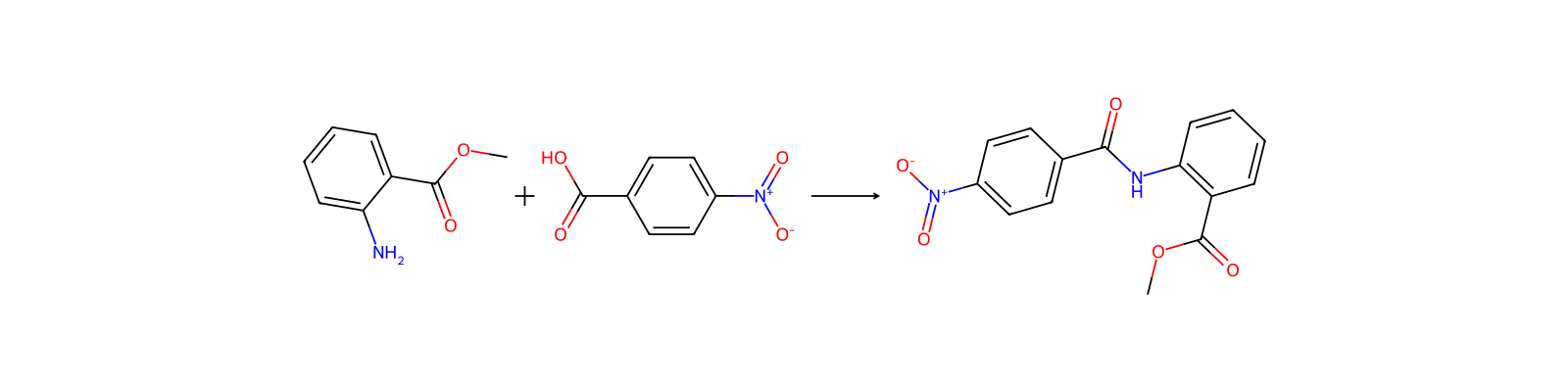
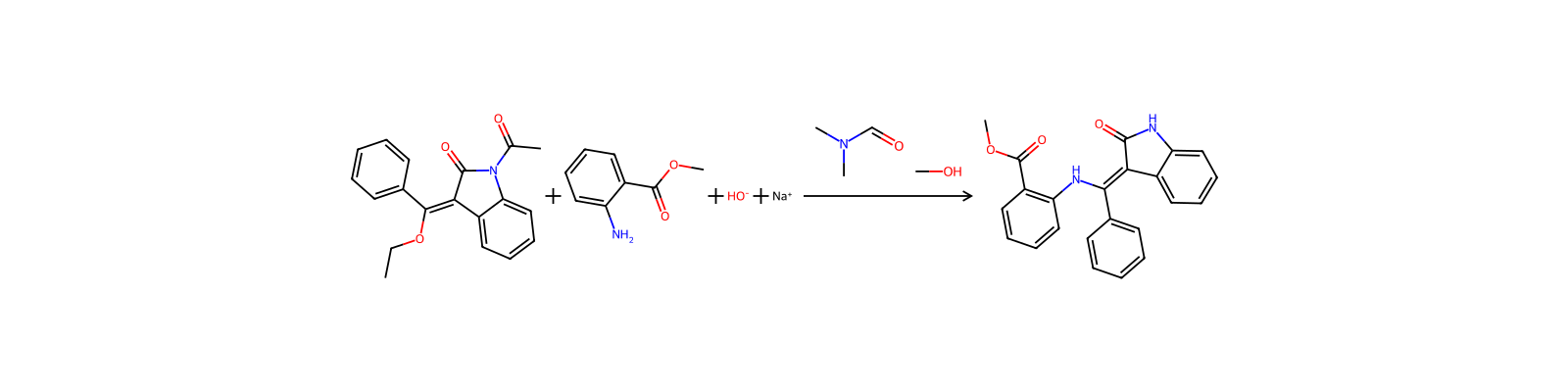
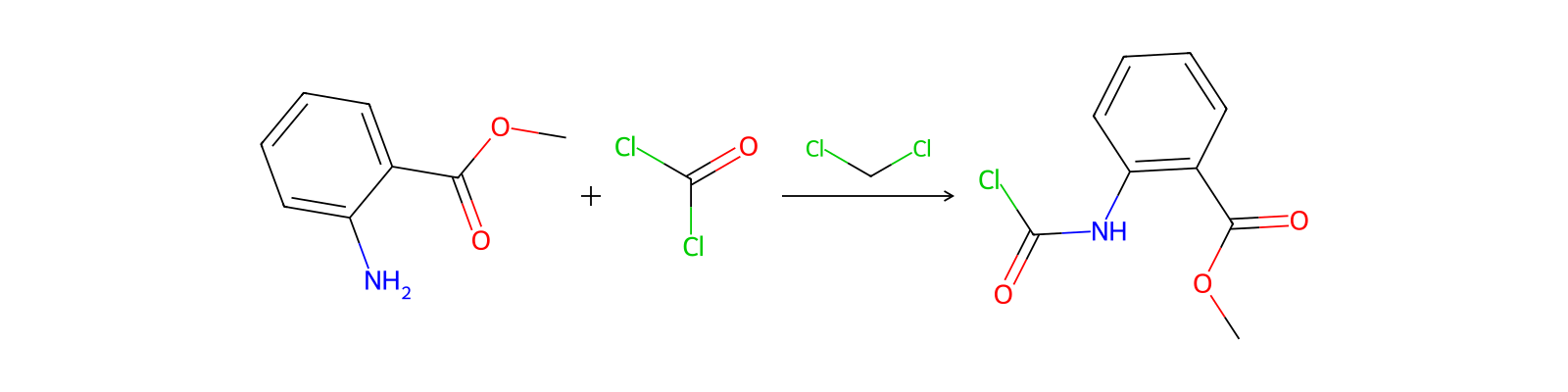
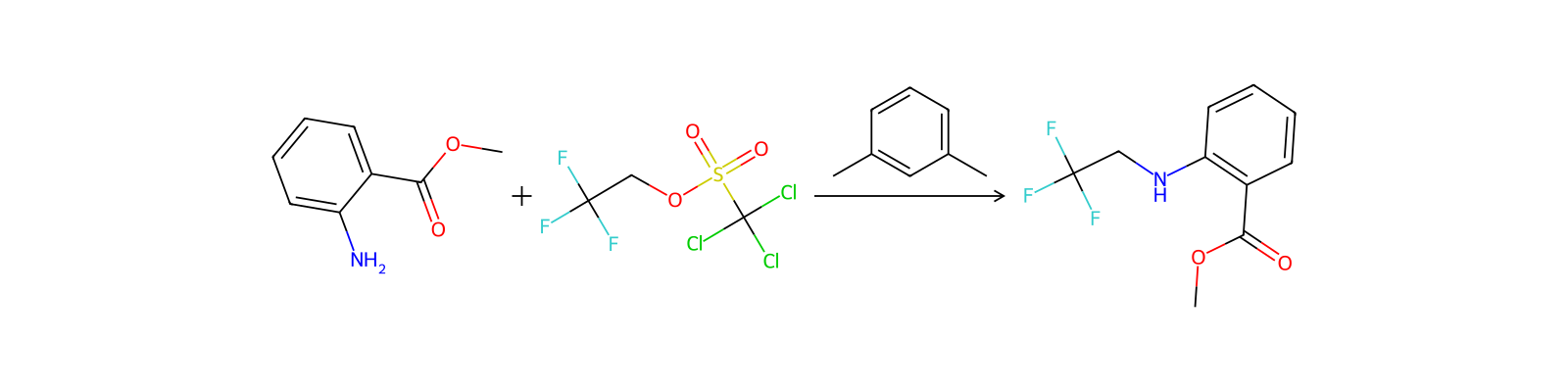
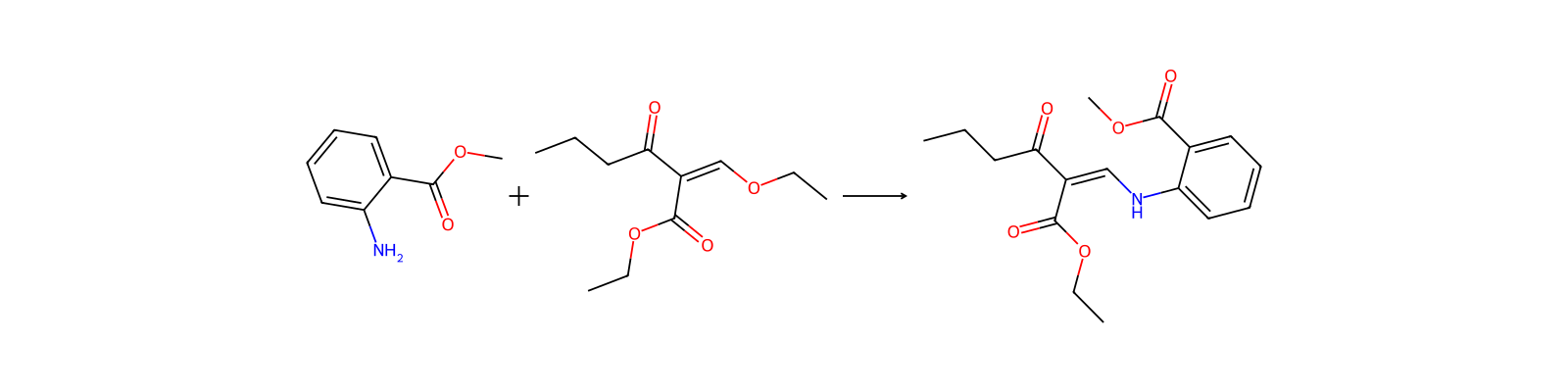
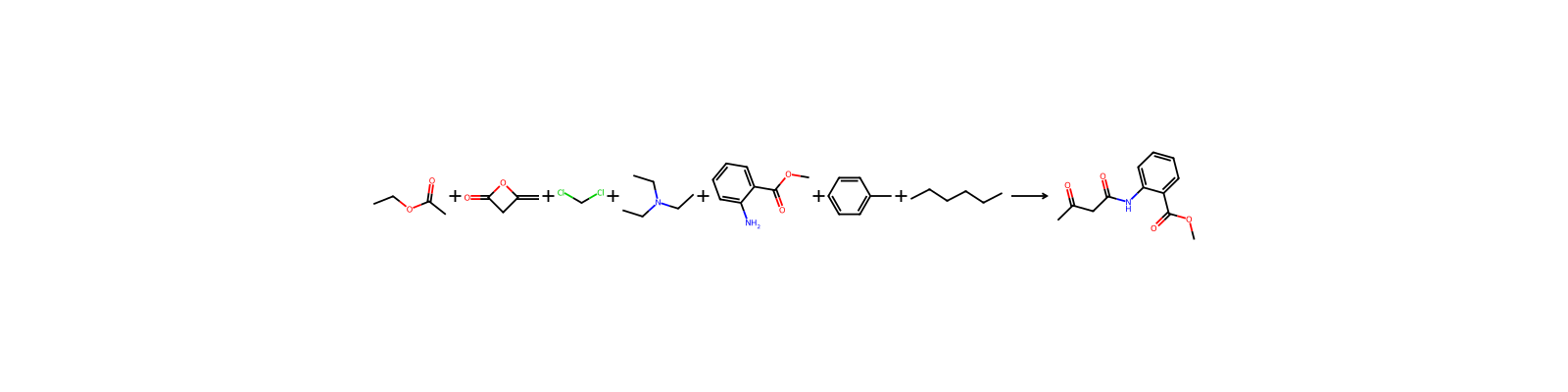
269


Verknüpfte Notizen
Wird geladen…