

Grundinformationen
- Standard-SMILES
CC(C)(Br)C(=O)Br- InChIKey
YOCIJWAHRAJQFT-UHFFFAOYSA-N- Summenformel
- C4H6Br2O
- Durchschnittliche Molmasse
- 229,9 g/mol
- Monoisotopische Masse
- 227,87853901
Namen und Bezeichner
- Bevorzugter Name
- 2-Bromo-2-methylpropionyl bromide
- IUPAC
- 2-bromo-2-methylpropanoyl bromide
- Lokaler Name
- 2-Brom-2-methylpropionylbromid
- Englischer Name
- 2-Bromoisobutyryl Bromide
- Summenformel
- C4H6Br2O
- Molmasse
- 229.9
Namen und Synonyme
2-Bromo-2-methylpropionyl bromide20769-85-12-Bromoisobutyryl bromide2-Bromo-2-methylpropanoyl bromidePropanoyl bromide, 2-bromo-2-methyl-alpha-Bromoisobutyryl bromidebromoisobutyryl bromide.alpha.-Bromoisobutyryl bromide627F9N9DYA2-bromoisobutyric bromidebromodimethylacetyl bromideEINECS 244-017-3
Weitere Namen anzeigen
BIBBα-Bromoisobutyryl bromideα-Bromoisobutyryl bromideA-BROMOISOBUTYRYL BROMIDE2-Bromoisobutyric acid bromide2-Bromo-2-methyl2-broMoisobutylyl broMide
2-bromoisobutanoyl bromideAI3-28200DTXSID7045077EC 244-017-3PROPIONYL BROMIDE, 2-BROMO-2-METHYL-2bromoisobutyryl bromideRefChem:466170DTXCID5025077
Datenbank-Bezeichner
- CAS
20769-85-1- PubChem CID
- 88685
- DTXSID
DTXSID7045077- UNII
- 627F9N9DYA
- EC Number
- 244-017-3
- Nikkaji
- J93.725H
Eigenschaften
Berechnete Struktureigenschaften
- XLogP
- 2,2
- Polarare Oberfläche (TPSA)
- 17,1 Ų
- H-Brücken-Donoren
- 0
- H-Brücken-Akzeptoren
- 1
- Frei drehbare Bindungen
- 1
- Schwere Atome
- 7
- Formalladung
- 0
- Komplexität
- 87,7
Experimentelle und physikochemische Eigenschaften
Chemical ClassesToxic Gases & Vapors -> Acid Halides
SpringerMaterials PropertiesChemical shift
Physical DescriptionColorless liquid with an acrid odor; [Alfa Aesar MSDS]
Physikochemische Eigenschaften
- Siedepunkt
- 162 · 162-164 °C(lit.)
- Dichte
- 1.86 g/mL · 1.86 g/mL at 20 °C
- Brechungsindex
- 20 · n20/D 1.507(lit.)
- Flammpunkt
- 110 °C · >110°C
- storage temp.
- 30 °C · Store below +30°C.
- Löslichkeit
- Miscible with acetone and carbon disulfide.
- Aggregatzustand
- Liquid
- Wichte
- 1.86 · 1.860 (20/4℃)
- Farbe
- Clear light yellow to yellow
- Wasserlöslichkeit
- reacts
- BRN
- 1746128 · 1746128
- Stabilität
- Stable, but may react with moisture. Incompatible with water, strong oxidizing agents, strong bases.
- InChI
- 1S/C4H6Br2O/c1-4(2,6)3(5)7/h1-2H3
- InChIKey
- YOCIJWAHRAJQFT-UHFFFAOYSA-N
- SMILES
- CC(C)(Br)C(Br)=O
- CAS Datenbank
- 20769 · 20769-85-1(CAS DataBase Reference)
- NIST chemische Informationen
- 2 · Propanoyl bromide, 2-bromo-2-methyl-(20769-85-1)
- EPA chemische Informationen
- 2 · Propanoyl bromide, 2-bromo-2-methyl- (20769-85-1)
Sicherheit und Regulatorisches
GHS-Klassifizierung
GHS Classification
Danger
H302 (86.3%): Harmful if swallowed [Warning Acute toxicity, oral]
P260, P261, P264, P270, P272, P280, P301+P317, P301+P330+P331, P302+P352, P302+P361+P354, P304+P340, P305+P354+P338, P316, P321, P330, P333+P317, P362+P364, P363, P405, and P501 (click each P-code to see the statement)
Aggregated GHS information provided per 51 reports by companies from 9 notifications to the ECHA C&L Inventory. Each notification may be associated with multiple companies.
Gefahrenhinweise
Regulatory InformationStatus: Active Update: 20-12-2012 https://echa.europa.eu/registration-dossier/-/registered-dossier/13206
Hazards Summary
Causes burns; May cause skin sensitization; Harmful by ingestion; Possible human mutagen; [ECHA REACH Registrations] Corrosive to rabbit skin; 95% sensitization rate in guinea pig maximization study; [EPA - TSCATS] Reacts violently with water; Causes burns; Inhalation may cause corrosive injuries to upper respiratory tract and lungs; [Alfa Aesar MSDS]
Hazard Classes and CategoriesAcute Tox. 4 (86.3%)
Toxikologische Informationen
Adverse EffectsDermatotoxin - Skin burns.
Sicherheitsdaten
- wgk
- 3
- tsca
- TSCA listed
- ridadr
- UN 3265 8/PG 2
- hs_code
- 29159080
- risk_code
- 22-34
- hazard_code
- C
- safety_code
- 26-36/37/39-45
- hazard_class
- 8
- packing_group
- II
- Speicherklasse
- 8A - Combustible corrosive hazardous materials
- Hazard Classifications
- Eye Dam. 1Skin Corr. 1B
Chemie und Industrie
Verwendung und Herstellung
UsesUsed to make fine and large scale chemicals; [ECHA REACH Registrations]
General Manufacturing InformationPropanoyl bromide, 2-bromo-2-methyl-: ACTIVE
Anwendungen
Verwenden2-Bromoisobutyryl bromide is used to prepare N-protected halodienamide, which provides four- and five-membered lactams in the presence of copper(I) and a tertiary amine. Further, it is used as atom transfer radical polymerization(ATRP) initiator for functionalization of hydroxyl groups present on the surface of graphene oxide. It is also used in preparation of polycaprolactone macroinitiators through reaction with oligomeric caprolactone diol and mesoporous silica nanoparticles with ATRP initiator anchored on the exterior surface.
Vor- und nachgelagerte Produkte
Vorgelagerte Rohstoffe
Nachgelagerte Produkte
Anbieter50 Anbieter
国药集团化学试剂有限公司86-21-63210123 · [email protected]
梯希爱(上海)化成工业发展有限公司021-67121386 · [email protected]
上海阿拉丁生化科技股份有限公司400-6206333 13167063860 · [email protected]
河北创海生物科技有限公司+86-86-13131129325 · [email protected]
爱斯特(成都)生物制药股份有限公司+86-28-85122536 85324413 · [email protected]
Hebei Yanxi Chemical Co., Ltd.+86-17531190177 · [email protected]
韶远科技(上海)有限公司021-50795510 4000665055 · [email protected]
科瑞迪化学400-821-5857 021-64326257 · [email protected]
Syntechem Co.,Ltd[email protected]
北京华威锐科化工有限公司0757-86329057 18934348241 · [email protected]
宁波亿诺化学品有限公司86-574-27787657 · [email protected]
阿法埃莎(中国)化学有限公司400-6106006 · [email protected]
安耐吉化学&3A(安徽泽升科技股份有限公司)400-0056266 · [email protected]
上海瀚鸿科技股份有限公司021-54306202 13764082696 · [email protected]
上海景颜化工科技有限公司13817811078 · [email protected]
武汉丰泰威远科技有限公司027-87465837 19945049750 · [email protected]
山东西亚化学有限公司13355009207 13355009207 · [email protected]
玛雅试剂+86 (573) 82222445 (0)18006601000 452520369 · [email protected]
四川库利南科技有限公司400-1166-196 18981987031 · [email protected]
天津希恩思生化科技有限公司400 638 7771 · [email protected]
南京维奥化工有限公司Please Send Email 18652950785 · [email protected]
Syntor Fine Chemicals Ltd.+44 (0) 1928 579865 · [email protected]
Syntor Fine Chemicals Ltd.+44 (0) 1928 579865 · [email protected]
艾科试剂4008-755-333 18080918076 · [email protected]
上海思域化工科技有限公司86-21-34053660 · [email protected]
赛默飞世尔科技(中国)有限公司800-810-5118 · [email protected]
北京伊诺凯科技有限公司400-810-7969 010-59572699 · [email protected]
TCI AMERICA800-4238616 · [email protected]
TOKYO CHEMICAL INDUSTRY CO., LTD.03-36680489 · [email protected]
TCI Europe320-37350700 · [email protected]
上海贤鼎生物科技有限公司4009209199 · [email protected]
越林试剂021-62960152 · [email protected]
无锡中坤生化科技有限公司+86 0510-85629785
上海汇凯化学科技有限公司021-61995394 18916691159 · [email protected]
安徽科迪达化工有限公司0554-2106669 · [email protected]
郑州鸿晟医药科技有限公司0371-0371-13526885213 15637198702 · [email protected]
成都零六生物科技有限公司400-1166-196 13458535857 · [email protected]
雷丁试剂0510-85629785 18013409632 · [email protected]
上海麦克林生化科技股份有限公司15221275939 15221275939 · [email protected]
上海嵩爰化工科技有限公司010-1234567 18521000990 · [email protected]
北京欣赛维化学科技有限公司010-56218822 13717722232 · [email protected]
江苏艾康生物医药研发有限公司025-66028182 17714375163 · [email protected]
上海凯赛化工有限公司021-33516722 13701817765 · [email protected]
上海孚一生物科技有限公司+86 (21) 61124340
上海容立化学科技有限公司021-69992220 13701886816 · [email protected]
湖北巨胜科技有限公司027-59599241 18871490274 · [email protected]
池州凯隆进出口贸易有限公司[email protected]
Sigma-Aldrich西格玛奥德里奇(上海)贸易有限公司021-61415566 800-8193336 · [email protected]
桦特昇生物科技(武汉)有限公司027-59207879 1972026995 18140587686 · [email protected]
潍坊市前进精细化工有限公司18753684562 · [email protected]
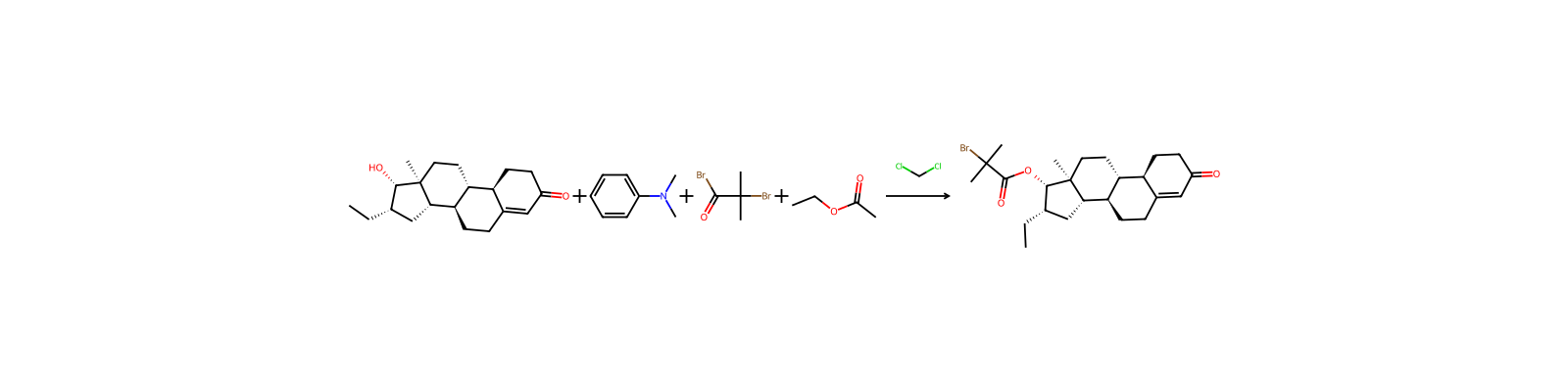
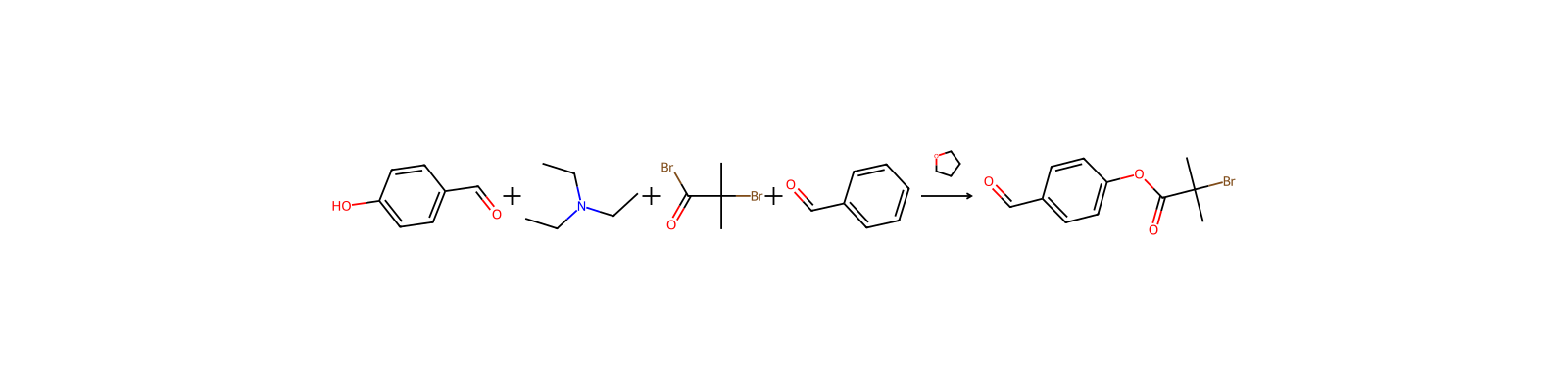
Zugehörige Reaktionen
159




Verknüpfte Notizen
Wird geladen…