
Grundinformationen
- Standard-SMILES
C1=Cc2cccc3cccc1c23- InChIKey
HXGDTGSAIMULJN-UHFFFAOYSA-N- Summenformel
- C12H8
- Durchschnittliche Molmasse
- 152,19 g/mol
- Monoisotopische Masse
- 152,06260026
Überblick
Acenaphthylene is a colorless crystalline solid. Insoluble in water. Used in dye synthesis, insecticides, fungicides, and in the manufacture of plastics.
Namen und Bezeichner
- Bevorzugter Name
- Acenaphthylene
- IUPAC
- acenaphthylene
- Lokaler Name
- Acenaphthylen
- Englischer Name
- Acenaphthylene
- Summenformel
- C12H8
- Molmasse
- 152.19
Namen und Synonyme
ACENAPHTHYLENE208-96-8AcenaphthaleneCyclopenta[de]naphthaleneCyclopenta(de)naphthaleneDTXSID3023845NSC-59821DTXCID103845CHEBI:330811Z25C36811RefChem:551467205-917-1
Weitere Namen anzeigen
Acenaphthylene StandardAcenaphthylene, tech., 80%DYPR0407Acephthylene6'-Dihydroxy-3'Acenaphthylene RSACENAPHTHYLENE 95%
POLYACENAPHTHYLENEacenapthylene25036-01-5HSDB 2661EINECS 205-917-1MFCD00003806189811-56-1CAS-208-96-8
Datenbank-Bezeichner
- CAS
208-96-8、34493-60-2- PubChem CID
- 9161
- DTXSID
DTXSID3023845- ChEMBL
CHEMBL2132328- ChEBI
CHEBI:33081- UNII
- 1Z25C36811
- EC Number
- 205-917-1
- Nikkaji
- J2.561E
Eigenschaften
Berechnete Struktureigenschaften
- XLogP
- 3,7
- Polarare Oberfläche (TPSA)
- 0 Ų
- H-Brücken-Donoren
- 0
- H-Brücken-Akzeptoren
- 0
- Frei drehbare Bindungen
- 0
- Schwere Atome
- 12
- Formalladung
- 0
- Komplexität
- 184
Experimentelle und physikochemische Eigenschaften
Chemical ClassesSemi-Volatile Organic Compound (SVOC)
Polymers
Other Classes -> Polycyclic Aromatic Hydrocarbons
Polycyclic aromatic hydrocarbon
SpringerMaterials Properties13C nuclear magnetic resonance spectrum
PesticidesPesticide -> EPA IRIS
LogPlog Kow = 3.93
Density
0.8988 at 61 °F (NTP, 1992) - Less dense than water; will float
0.8987 g/cu cm at 16 °C
1.05 @ 20°C
Color/Form
Yellow needles
Colorless crystalline solid
Prisms from ether and plates from alcohol
Solubility
Insoluble (NTP, 1992)
In water, 3.93 mg/L at 25 °C
In water, 9 mg/L at 25 °C (OECD Guideline 105)
Very soluble in ethanol, ether, benzene; slightly soluble in chloroform
Flash Point122.0 °C (251.6 °F) - closed cup
Endocrine DisruptorsPotential endocrine disrupting compound
Boiling Point
509 to 527 °F at 760 mmHg (NTP, 1992)
280 °C
275 °C @760 [mm Hg]
Decomposition
Hazardous decomposition products formed under fire conditions - Carbon oxides.
When heated to decomposition, it emits acrid smoke and irritating fumes.
Physikochemische Eigenschaften
- Schmelzpunkt
- 78 · 78-82 °C(lit.)
- Siedepunkt
- 280 °C · 280 °C(lit.)
- Dichte
- 0.899 g/mL · 0.899 g/mL at 25 °C(lit.)
- Dampfdruck
- 6.68 at · 6.68 at 25 °C (gas saturation-HPLC/UV spectrophotometry, Sonnefeld et al., 1983)
- Brechungsindex
- 1.636 · 1.6360 (estimate)
- Flammpunkt
- 122 °C · 122°C
- storage temp.
- room temp
- Löslichkeit
- Soluble in ethanol, ether, and benzene (U.S. EPA, 1985)
- Aggregatzustand
- Solid
- Farbe
- Yellow
- Wichte
- 0.899 · 0.899
- Wasserlöslichkeit
- 3.93 mg/L · 3.93mg/L(25 ºC)
- BRN
- 774092 · 774092
- Henry's Law Constant
- 1.14 at · 1.14 at 25 °C (gas stripping-UV spectrophotometry, Warner et al., 1987)
- Stabilität
- Stable. Incompatible with oxidizing agents.
- Major Application
- environmental
- InChI
- 1S/C12H8/c1-3-9-4-2-6-11-8-7-10(5-1)12(9)11/h1-8H
- InChIKey
- HXGDTGSAIMULJN-UHFFFAOYSA-N
- SMILES
- c1cc2C=Cc3cccc(c1)c23
- CAS Datenbank
- 208 · 208-96-8(CAS DataBase Reference)
- EPA chemische Informationen
- Acenaphthylene (208-96-8)
Sicherheit und Regulatorisches
GHS-Klassifizierung
GHS Classification
This chemical does not meet GHS hazard criteria for 4.8% (1 of 21) of reports.
Danger
H302 (23.8%): Harmful if swallowed [Warning Acute toxicity, oral]
P260, P261, P262, P264, P264+P265, P270, P271, P280, P284, P301+P317, P302+P352, P304+P340, P305+P351+P338, P316, P319, P320, P321, P330, P332+P317, P337+P317, P361+P364, P362+P364, P403+P233, P405, and P501 (click each P-code to see the statement)
Aggregated GHS information provided per 21 reports by companies from 6 notifications to the ECHA C&L Inventory. Each notification may be associated with multiple companies.
Not Classified
Gefahrenhinweise
Regulatory Information
Hazard Traits - Bioaccumulation; Environmental Persistence; Environmental tox
Restricted substance: Acenaphthylene
Acenaphthylene: Does not have an individual approval but may be used as a component in a product covered by a group standard. It is not approved for use as a chemical in its own right.
The New Jersey Worker and Community Right to Know Act requires public and private employers to provide information about hazardous substances at their workplaces. (N.J.S.A. 34:5A-1 et. seq.)
Hazards SummaryMay cause irritation; Harmful by ingestion; [Sigma-Aldrich MSDS] See POLYCYCLIC AROMATIC HYDROCARBONS.
Reactive GroupHydrocarbons, Aromatic
Special Reports
USEPA; Ambient Water Quality Criteria Doc: Polynuclear Aromatic Hydrocarbons (Draft) (1980)
Health & Welfare Canada; Polycyclic Aromatic Hydrocarbons (1979) Report No. 80-EHD-50
USEPA; Health Assessment Document: Polycyclic Organic Matter (1979) EPA-600/9-79-008
Perwalk J et al; Gov't Reports Announcements & Index, Issue 21 (1985). Exposure and risk assessment for benzo(a)pyrene and other polycyclic aromatic hydrocarbons. Volumes 1-3
For more Special Reports (Complete) data for ACENAPHTHYLENE (10 total), please visit the HSDB record page.
OSHA StandardsPermissible Exposure Limit: Table Z-1 8-hr Time Weighted Avg: 0.2 mg/cu m. /Coal tar pitch volatiles (benzene soluble fraction), anthracene, BaP, phenanthrene, acridine, chrysene, pyrene/
Reactivity Profile
Vigorous reactions, sometimes amounting to explosions, can result from the contact between aromatic hydrocarbons, such as ACENAPHTHYLENE, and strong oxidizing agents. They can react exothermically with bases and with diazo compounds. Substitution at the benzene nucleus occurs by halogenation (acid catalyst), nitration, sulfonation, and the Friedel-Crafts reaction.
Air and Water ReactionsInsoluble in water.
NIOSH Recommendations
Recommended Exposure Limit: 10 Hr Time-Weighted Avg: 0.1 mg/cu m (cyclohexane-extractable fraction). /Coal tar pitch volatiles/
NIOSH considers coal tar pitch volatiles to be potential occupational carcinogens. NIOSH usually recommends that occupational exposures to carcinogens be limited to the lowest feasible concentration. /Coal tar pitch volatiles/
CERCLA Reportable Quantities
Persons in charge of vessels or facilities are required to notify the National Response Center (NRC) immediately, when there is a release of this designated hazardous substance, in an amount equal to or greater than its reportable quantity of 5000 lb or 2270 kg. The toll free number of the NRC is (800) 424-8802. The rule for determining when notification is required is stated in 40 CFR 302.4 (section IV.D.3.b).
Clean Water Act Requirements
Toxic pollutant designated pursuant to section 307(a)(1) of the Federal Water Pollution Control Act and is subject to effluent limitations. /Polynuclear aromatic hydrocarbons (including benzanthracenes, benzopyrenes, benzofluoranthene, chrysenes, dibenz-anthracenes, and indenopyrenes)/
For the maximum protection of human health from the potential carcinogenic effects of exposure to polynuclear aromatic hydrocarbons through ingestion of contaminated water and contaminated aquatic organisms, the ambient water concentration should be zero, based on the nonthreshold assumption for this chemical. However, zero level may not be attainable at the present time. Therefore, the levels which may result in incremental increase of cancer risk over the lifetime are estimated at 1X10⁻⁵, 1X10⁻⁶, and 1X10⁻⁷. The corresponding recommended criteria are 28.0 ng/L, 2.8 ng/L, and 0.28 ng/L, respectively. If these estimates are made for consumption of aquatic organisms only, excluding consumption of water, the levels are 311.0 ng/L, 31.1 ng/L, and 3.11 ng/L, respectively. /Polynuclear aromatic hydrocarbons/.
Hazard Classes and Categories
Acute Tox. 4 (23.8%)
Specific target organ toxicity - Repeated exposure - Category 1 (respiratory system), Category 2 (liver, kidney)
State Drinking Water Guidelines(FL) FLORIDA 210 ug/L
Sicherheit und Schutzausrüstung
Fire Fighting
This compound is not very flammable but any fire involving this compound may produce dangerous vapors. You should evacuate the area. All firefighters should wear full-body protective clothing and use self-contained breathing apparatuses. You should extinguish any fires involving this chemical with a dry chemical, carbon dioxide, foam, or halon extinguisher. (NTP, 1992)
First Aid
EYES: First check the victim for contact lenses and remove if present. Flush victim's eyes with water or normal saline solution for 20 to 30 minutes while simultaneously calling a hospital or poison control center. Do not put any ointments, oils, or medication in the victim's eyes without specific instructions from a physician. IMMEDIATELY transport the victim after flushing eyes to a hospital even if no symptoms (such as redness or irritation) develop.
Fire Fighting Procedures
Suitable extinguishing media: Use water spray, alcohol-resistant foam, dry chemical, or carbon dioxide.
Advice for firefighters: Wear self-contained breathing apparatus for firefighting if necessary.
Foam, dry chemical, and carbon dioxide. /Coal tar pitch volatiles/
/During firefighting wear/ self-contained breathing apparatus with a full facepiece operated in pressure-demand or other positive pressure mode. /Coal tar pitch volatiles/
Storage ConditionsKeep container tightly closed in a dry and well-ventilated place.
Cleanup Methods
ACCIDENTAL RELEASE MEASURES: Personal precautions, protective equipment and emergency procedures: Use personal protective equipment. Avoid dust formation. Avoid breathing vapors, mist or gas. Ensure adequate ventilation. Evacuate personnel to safe areas. Avoid breathing dust. Environmental precautions: Do not let product enter drains. Methods and materials for containment and cleaning up: Pick up and arrange disposal without creating dust. Sweep up and shovel. Keep in suitable, closed containers for disposal.
International Agency for Research on Center (IARC) describes laboratory decontamination and destruction methods for some polycyclic aromatic hydrocarbons in this publication. When dealing with compounds other than those listed, the efficiency of the methods should first be verified. Acenaphthylene is not listed, but the methods may be applicable for the decontamination of its residues on glassware and petri dishes, for the clean-up of spills of liquid wastes, and for the clean-up of spills of the pure cmpd in solid state. /Polycyclic aromatic hydrocarbons/
... In surface waters, one-third of the total polycyclic aromatic hydrocarbons is bound to larger suspended particles, another one-third is bound to finely dispersed particles, and the remaining one-third is present in dissolved form. The particle-bound portion of polycyclic aromatic hydrocarbons can be removed by sedimentation, flocculation, and filtration processes. The remaining /material/ dissolved polycyclic aromatic hydrocarbons usually requires oxidation for partial removal and/or transformation. /Polynuclear aromatic hydrocarbons/
Nonfire Spill Response
SMALL SPILLS AND LEAKAGE: You should dampen the solid spill material with acetone, then transfer the dampened material to a suitable container. Use absorbent paper dampened with acetone to pick up any remaining material. Seal your contaminated clothing and the adsorbent paper in a vapor-tight plastic bag for eventual disposal. Solvent wash all contaminated surfaces with acetone followed by washing with a strong soap and water solution. Do not reenter the contaminate area until the Safety Officer (or other responsible person) has verified that the area has been properly cleaned.
Disposal Methods
SRP: Recycle any unused portion of the material for its approved use or return it to the manufacturer or supplier. Ultimate disposal of the chemical must consider: the material's impact on air quality; potential migration in air, soil or water; effects on animal, aquatic and plant life; and conformance with environmental and public health regulations. If it is possible or reasonable use an alternative chemical product with less inherent propensity for occupational harm/injury/toxicity or environmental contamination.
SRP: Wastewater from contaminant suppression, cleaning of protective clothing/equipment, or contaminated sites should be contained and evaluated for subject chemical or decomposition product concentrations. Concentrations shall be lower than applicable environmental discharge or disposal criteria. Alternatively, pretreatment and/or discharge to a permitted wastewater treatment facility is acceptable only after review by the governing authority and assurance that "pass through" violations will not occur. Due consideration shall be given to remediation worker exposure (inhalation, dermal and ingestion) as well as fate during treatment, transfer and disposal. If it is not practicable to manage the chemical in this fashion, it must be evaluated in accordance with EPA 40 CFR Part 261, specifically Subpart B, in order to determine the appropriate local, state and federal requirements for disposal.
Product: Offer surplus and non-recyclable solutions to a licensed disposal company. Contact a licensed professional waste disposal service to dispose of this material. Dissolve or mix the material with a combustible solvent and burn in a chemical incinerator equipped with an afterburner and scrubber; Contaminated packaging: Dispose of as unused product.
The following wastewater treatment technologies have been investigated for acenaphthylene concentration process: Chemical precipitation.
For more Disposal Methods (Complete) data for ACENAPHTHYLENE (6 total), please visit the HSDB record page.
Preventive Measures
ACCIDENTAL RELEASE MEASURES: Personal precautions, protective equipment and emergency procedures: Use personal protective equipment. Avoid dust formation. Avoid breathing vapors, mist or gas. Ensure adequate ventilation. Evacuate personnel to safe areas. Avoid breathing dust. Environmental precautions: Do not let product enter drains.
Precautions for safe handling: Avoid contact with skin and eyes. Avoid formation of dust and aerosols. Provide appropriate exhaust ventilation at places where dust is formed. Normal measures for preventive fire protection.
Appropriate engineering controls: Handle in accordance with good industrial hygiene and safety practice. Wash hands before breaks and at the end of workday.
Gloves must be inspected prior to use. Use proper glove removal technique (without touching glove's outer surface) to avoid skin contact with this product. Dispose of contaminated gloves after use in accordance with applicable laws and good laboratory practices. Wash and dry hands.
For more Preventive Measures (Complete) data for ACENAPHTHYLENE (9 total), please visit the HSDB record page.
Threshold Limit Values (TLV)
8 Hr Time Weighted Avg (TWA): 0.2 mg/cu m. /Coal tar pitch volatiles, as benzene soluble aerosol/
Peak Exposure Recommendation: Transient increases in workers' exposure levels may exceed 3 times the value of the TLV-TWA level for no more than 15 minutes at a time, on no more than 4 occasions spaced 1 hour apart during a workday, and under no circumstances should they exceed 5 times the value of the TLV-TWA level. In addition, the 8-hour TWA is not to be exceeded for an 8-hour work period. /Coal tar pitch volatiles, as benzene soluble aerosol/
A1; Confirmed human carcinogen. /Coal tar pitch volatiles, as benzene soluble aerosol/
Biological Exposure Index (BEI): Determinant: 1-Hydroxypyrene (1-HP) in urine (with hydrolysis); Sampling Time: end of shift at end of workweek. BEI: None.; Biological monitoring should be considered for this compound based on the review; however, a specific BEI could not be determined due to insufficient data. /Polycyclic aromatic hydrocarbons/
For more Threshold Limit Values (TLV) (Complete) data for ACENAPHTHYLENE (6 total), please visit the HSDB record page.
Protective Action Criteria (PAC)
2.9 [mg/m3]
32 [mg/m3]
190 [mg/m3]
Personal Protective Equipment (PPE)
RECOMMENDED RESPIRATOR: Where the neat test chemical is weighed and diluted, wear a NIOSH-approved half face respirator equipped with an organic vapor/acid gas cartridge (specific for organic vapors, HCl, acid gas and SO2) with a dust/mist filter.
Eye/face protection: Safety glasses with side-shields conforming to EN166. Use equipment for eye protection tested and approved under appropriate government standards such as NIOSH (US) or EN 166(EU).
Skin protection: Handle with gloves.
Body Protection: Complete suit protecting against chemicals. The type of protective equipment must be selected according to the concentration and amount of the dangerous substance at the specific workplace.
Respiratory protection: For nuisance exposures use type P95 (US) or type P1 (EU EN 143) particle respirator. For higher level protection use type OV/AG/P99 (US) or type ABEK-P2 (EU EN 143) respirator cartridges. Use respirators and components tested and approved under appropriate government standards such as NIOSH (US) or CEN (EU).
For more Personal Protective Equipment (PPE) (Complete) data for ACENAPHTHYLENE (10 total), please visit the HSDB record page.
Immediately Dangerous to Life or Health (IDLH)NIOSH considers coal tar pitch volatiles to be potential occupational carcinogens. /Coal tar pitch volatiles/
Toxikologische Informationen
Body Burden
Human milk samples collected from 27 women in Beijing, China in 2005-2006 contained a mean acenaphthylene concentration of 0.132 ng/g fresh weight(1); placenta collected from 40 women contained a mean acenaphthylene concentration of 3.06 ng/g fresh weight(1); umbilical cord blood collected from 32 women contained a mean acenaphthylene concentration of 0.350 ng/g fresh weight(1). Adipose tissue collected from Korean women in 2007-2008 contained a mean acenaphthylene concentration of 2.2 ng/g lipid weight(2). Blood plasma collected from 111 human donors in Hong Kong in 2008 contained mean acenaphthylene levels of 93.3 and 38.8 ng/g lipid in females and males respectively(3). Blood samples collected from 56 healthy children (ages 2-12) in Lucknow, India during 2005-2006 had a median acenaphthylene level of 8 ppb(4).
TreatmentThere is no know antidote for PAHs. Exposure is usually handled with symptomatic treatment. (L10)
Interactions
... Coumarin 7-hydroxylation, catalyzed by P450 2A13, was strongly inhibited by 2'-methoxy-5,7-dihydroxyflavone, 2-ethynylnaphthalene, 2'-methoxyflavone, 2-naphththalene propargyl ether, acenaphthene, acenaphthylene, naphthalene, 1-acetylpyrene, flavanone, chrysin, 3-ethynylphenanthrene, flavone, and 7-hydroxyflavone; these chemicals induced Type I spectral changes with low Ks values. ...
Health EffectsPAHs are carcinogens and have been associated with the increased risk of skin, respiratory tract, bladder, stomach, and kidney cancers. They may also cause reproductive effects and depress the immune system. (L10)
Environmental Fate
TERRESTRIAL FATE: Based on a classification scheme(1), a measured Koc range of 5620 to 1.6X10+6(2,3), indicates that acenaphthylene is expected to be immobile in soil(SRC). Volatilization of acenaphthylene from moist soil surfaces is expected to be an important fate process(SRC) given a Henry's Law constant of 1.25X10⁻⁴ atm-cu m/mole(4). However, adsorption to soil is expected to attenuate the rate of volatilization(SRC). Although acenaphthylene is not expected to volatilize from dry soil surfaces(SRC) based upon a vapor pressure of 0.0048 mm Hg at 25 °C(5), microcosm tests have shown that volatilization can be more important than biodegradation under various conditions(6,7). The reported biodegradation half-lives for acenaphthylene in aerobic soil range from 12 to 121 days(8). The presence of acclimated microbes appears to be an important factor in the degradation rate(9). Acenaphthylene absorbs strongly at wavelengths >290 nm(10) and is expected to be susceptible to direct photolysis on soil surfaces exposed to sunlight(11).
AQUATIC FATE: Based on a classification scheme(1), a Koc range of 5620 to 1.6X10+6(2,3), indicates that acenaphthylene is expected to adsorb to suspended solids and sediment(SRC). Volatilization from water surfaces is expected(4) based upon a Henry's Law constant of 1.25X10⁻⁴ atm-cu m/mole(5). Using this Henry's Law constant and an estimation method(4), volatilization half-lives for a model river and model lake are 12 hours and 7.5 days, respectively(SRC). However, volatilization from water surfaces is expected to be attenuated by adsorption to suspended solids and sediment in the water column. The estimated volatilization half-life from a model pond is on the order of 3 to 20 months if adsorption is considered(6). According to a classification scheme(7), an observed BCF range of 225-545(8,9) suggests the potential for bioconcentration in aquatic organisms is high, provided the compound is not metabolized by the organism(SRC). PAHs may not bioconcentrate in aquatic organisms which contain microsomal oxidase, such as some fish, as this enzyme enables the rapid metabolism of certain polycyclic aromatic hydrocarbons(10). Acenaphthylene has been shown to biodegrade readily in groundwater having acclimated microbes (nearly complete degradation in 3 days)(11) and in static-culture flask-screening procedures using domestic wastewater inoculum(12). In contrast, a 0% of theoretical BOD using non-acclimated activated sludge in the Japanese MITI test(8) demonstrates that biodegradation can be a slow environmental process(SRC). Acenaphthylene is not expected to undergo hydrolysis in the environment due to the lack of functional groups that hydrolyze under environmental conditions(4). Acenaphthylene absorbs strongly at wavelengths >290 nm(13) and is expected to be susceptible to direct photolysis at water surfaces exposed to sunlight(SRC).
ATMOSPHERIC FATE: According to a model of gas/particle partitioning of semivolatile organic compounds in the atmosphere(1), acenaphthylene, which has a vapor pressure of 0.0048 mm Hg at 25 °C(2) is expected to exist solely as a vapor in the ambient atmosphere. However, gas/particle partitioning studies in chambers and outdoor monitoring have shown that similar PAHS, such as acenaphthene, can exist in both the vapor and particulate phases(3). Ambient monitoring has also detected acenaphthylene in both vapor and paticulate phases(4). Vapor-phase acenaphthylene is degraded in the atmosphere by reaction with photochemically-produced hydroxyl radicals(SRC); the half-life for this reaction in air is estimated to be 3.5 hours(SRC), calculated from its rate constant of 1.09X10⁻¹⁰ cu cm/molecule-sec at 25 °C(5). Vapor-phase acenaphthylene is also degraded in the atmosphere by reaction with ozone and night-time nitrate radicals(SRC); the half-life for these reactions in air is estimated to be 0.7 hours and 10 minutes(SRC), calculated from their rate constants of 3.99X10⁻¹⁶ and 4.42X10⁻¹² cu cm/molecule-sec at 25 °C respectively(6). Particulate-phase acenaphthylene may be removed from the air by wet and dry deposition(SRC). Acenaphthylene absorbs strongly at wavelengths >290 nm(5) and, therefore, is expected to be susceptible to direct photolysis by sunlight(SRC).
Food Survey Values
22 samples of margarines, butter and vegetable oils were tested in Finland; acenaphthylene was detected only in the rapeseed oil sample and at a concentration of 0.07 ug/kg(1). Levels of acenaphthylene detected in olive pomace oil in Spain ranged from 0.43-4.41 ug/kg(2). Maximum acenaphthylene levels (in ng/g wet wt) were detected in the following food items collected in Hong Kong in 2007: coconut milk (5.42), chicken breast (5.71), white wine (1.14), red wine (1.31), edible oils (1.20-2.86), pistachio (2.01), various seeds and nuts (1.24-5.82)(3). Potatoes grown in farm soils at organic vegetable farms in Eygpt were found to contain mean acenaphthylene concentrations of <0.01 to 0.310 ug/kg(4).
Exposure RoutesOral (L10) ; inhalation (L10)
Milk Concentrations
ENVIRONMENTAL: Milk samples collected from farms in France near potential contamination sources in March 2000 contained mean acenaphthylene concentrations of 0.2-0.8 ng/g milk fat(1). In a nationwide study of milk samples collected from 45 dairy farms in the US in 2000-2001, acenaphthylene was detected at concentrations ranging from below detection limits (40 ng/L) to 828 ng/L with regional mean concentrations of 30.38 to 144.82 ng/L(2). Human milk samples collected from 27 women in Beijing, China in 2005-2006 contained a mean acenaphthylene concentration of 0.132 ng/g fresh weight(3).
Toxicity Summary
IDENTIFICATION AND USE: Acenaphthylene is a solid. It is used for research purposes. Polycyclic aromatic hydrocarbons are a group of chemicals that are formed during the incomplete burning of coal, oil, gas, wood, garbage, or other organic substances, such as tobacco and charbroiled meat. HUMAN EXPOSURE AND TOXICITY: Blood polycyclic aromatic hydrocarbon (PAH) levels in children, including acenaphthylene, significantly correlated with oxidative stress and altered antioxidant status. It induced cytokine production and reduced nitric oxide formation in human coronary artery endothelial cell cultures. Metabolic activation of PAHs and aryl- and heterocyclic amines to genotoxic products was examined in Salmonella typhimurium, and it was found that P450 2A13 and 2A6 (as well as P450 1B1) were able to activate several of these procarcinogens. Acenaphthylene is oxidized by human P450s 2A6 and 2A13 and other P450s to form several mono- and dioxygenated products. It is not classifiable as to human carcinogenicity. ANIMAL STUDIES: No tumors were observed in a lifetime study when 0.25% acenaphthylene was applied to the skin of mice. Survival was 65% at 6 months, and 35% at 1 year. Acenaphthylene is an aromatic hydrocarbon-responsive receptor (AHR)-independent inducer of murine CYP1A2 and CYP1B1 mRNA. Acenaphthylene (1 mM) yielded positive results in a Salmonella typhimurium forward mutation assay, but was not positive in a Salmonella typhimurium TA98 and TA100 with metabolic activation. ECOTOXICITY STUDIES: Acenaphthylene modified the hemolytic alternative complement activity after 4 hr of incubation in peripheral blood of the European sea bass. It was also directly cytotoxic to a cell line from the rainbow trout gill.
The ability of PAH's to bind to blood proteins such as albumin allows them to be transported throughout the body. Many PAH's induce the expression of cytochrome P450 enzymes, especially CYP1A1, CYP1A2, and CYP1B1, by binding to the aryl hydrocarbon receptor or glycine N-methyltransferase protein. These enzymes metabolize PAH's into their toxic intermediates. The reactive metabolites of PAHs (epoxide intermediates, dihydrodiols, phenols, quinones, and their various combinations) covalently bind to DNA and other cellular macromolecules, initiating mutagenesis and carcinogenesis. (L10, L23, A27, A32)
Average Daily Intake
Estimates of daily total PAH intake from food (which includes acenaphthylene) vary widely, ranging from a few nanograms to a few micrograms per person(1). The mean dietary intake of acenaphthylene in the United Kingdom (years 1986-1987, 2000) is estimated as 0.13-0.25 ug/day per person(2).
Ecotoxicity Excerpts
/BIRDS and MAMMALS/ Concentrations of 16 polycyclic aromatic hydrocarbons (PAHs) were measured in livers of 81 adult female sea otters collected along the California coast in 1992-2002. Concentrations of summation operator PAHs in livers of sea otters were in the range of 588-17400 ng/g lipid wt (mean: 3880 ng/g, lipid wt). On a wet weight basis, the concentrations ranged from 17 to 1430 ng/g (mean: 146 ng/g). Overall, di- and tri-cyclic aromatic hydrocarbons, namely, naphthalene, fluorene, phenanthrene/anthracene, and acenaphthylene, were the predominant compounds found in the livers. Although petroleum-related sources appear to be the major contributors to PAH exposure in sea otters, exposure sources varied by geographical sub-regions. Dibenz[a,h]anthracene was found to comprise a significant proportion of the summation operatorPAH concentrations in sea otters from the northern sub-region of the study area. No significant difference existed in the concentrations of summation operatorPAHs among sea otters that died from infectious diseases, emaciation, and noninfectious causes. Concentrations of summation operatorPAHs in livers of sea otters decreased significantly from 1992 to 2002. Because of the rapid metabolism of PAHs in marine mammals such as sea otters, further studies examining the association of PAHs with health effects should determine hydroxylated metabolites in livers.
/AQUATIC SPECIES/ Static tests were employed to assess the acute toxicity of the water-soluble fraction (WSF) of spent automotive lubricating oil (of mixed Society of Automotive Engineers (SAE) grades) on Clarias gariepinus, a freshwater fish commonly cultured in Nigeria. Median lethal concentrations (LC50) of the WSF were found to decrease as a function of exposure time from 690+/-21 (after 24 hr) to 513+/-58 mg/L (after 96 hr). The characteristics of the WSF such as mean acidity (pH 6.6), turbidity (40 NTU), total dissolved solids (TDS; 40 mg/L) and significantly reduced (P<0.05) dissolved-oxygen (DO) values (1.44 mg/l) were not compliant with existing standards set for discharged effluents. The solubility of the detected straight-chain aliphatics ranked as C14>C16>C32>C18>C28; that of the simple aromatics was ortho-xylene>para-xylene; and that of the polyaromatic hydrocarbons (PAHs) was acenaphthylene > 9Hfluorene >naphthalene >anthracene >phenanthrene >chrysene >benzo[k]fluoranthene >benzo[a]pyrene >benzo[b]fluoranthene, most of which being serious carcinogens. These oil constituents and the overall physico-chemical properties of the WSF are expected to act synergistically on the test organism (C. gariepinus), eliciting the quantal responses observed. The toxicity of the WSF points to the base constituent, oxidative degradation, and mechano-chemical reactions associated with aged crankcase oils. These oils, therefore, should definitely no longer be disposed into water streams or landscape, not even at sublethal concentrations, because of the inherent toxicity of their soluble fractions and the associated danger of bioaccumulation.
/AQUATIC SPECIES/ The in vitro effects of polycyclic aromatic hydrocarbons (PAHs) on two plasmatic immune parameters, lysozyme concentration and hemolytic alternative complement activity, of the European sea bass, Dicentrarchus labrax, were tested using field (10(-7) and 10(-9) mg mL(-1)) and high concentrations (10(-3) and 10(-5) mg mL(-1)) observed during oil spills. Peripheral blood from 105 fish was collected, centrifuged at 1200 g, for 10 min, at 4 °C and three plasma pools, each of 35 fish, were constituted. Two oils (heavy fuel oil and light cycle oil) and 16 pure PAHs, selected on the basis of the American Environmental Protection Agency list (US EPA), were tested in vitro on the two humoral immune parameters. Only three pure PAHs (anthracene, chrysene, and dibenz[a,h]anthracene) modulated lysozyme concentration. Acenaphthene, acenaphthylene, anthracene, benzo[a]anthracene, benzo[a]pyrene, benzo[b]fluoranthene, benzo[k]fluoranthene, pyrene, and light cycle oil modified the hemolytic alternative complement activity after 4 hr of incubation. This study investigates the direct effects of several PAHs on fish humoral immune functions and describes the hemolytic complement activity of fish as suitable biomarkers of oil pollution.
/AQUATIC SPECIES/ The in vitro effects of polycyclic aromatic hydrocarbons (PAHs) /including acenaphthylene/ on erythrocyte membrane stability of the mudskipper (i.e., Boleophthalmus dussumieri) were tested by using field concentrations, acute and chronic potency divisor concentrations. This was achieved by studying their lytic or antilytic effects on fish erythrocytes in critical hypotonic saline media. The interaction of PAHs acute potency divisor concentrations with mudskipper erythrocyte causes dramatic changes in the structure of the membrane. A significant difference (p<0.05) was found between the control and treatment groups of mudskipper erythrocyte exposed to acute potency divisor concentrations. No significant difference (p>0.05) was observed between the control and the treatment groups of mudskipper erythrocyte exposed to field concentrations. The results showed that chronic potency divisor concentrations of PAHs protect mudskipper erythrocyte against osmotic hemolysis. Our results could be extended to the use of Erythrocyte Osmotic Fragility (EOF) test as a biochemical marker of membrane toxicity in marine pollution biomonitoring. However, results showed that membrane stability is not an appropriate biomarker for PAHs pollution after short exposure duration.
For more Ecotoxicity Excerpts (Complete) data for ACENAPHTHYLENE (6 total), please visit the HSDB record page.
Plant ConcentrationsMean acenaphthylene concentrations of 63 and 1.8 ug/kg dry wt were detected in flowering Chinese cabbage plant and water spinach plant from farms of the Pearl River Delta, South China(1).
Regulatorische Informationen
CERCLA Reportable Quantities
Persons in charge of vessels or facilities are required to notify the National Response Center (NRC) immediately, when there is a release of this designated hazardous substance, in an amount equal to or greater than its reportable quantity of 5000 lb or 2270 kg. The toll free number of the NRC is (800) 424-8802. The rule for determining when notification is required is stated in 40 CFR 302.4 (section IV.D.3.b).
Clean Water Act Requirements
Toxic pollutant designated pursuant to section 307(a)(1) of the Federal Water Pollution Control Act and is subject to effluent limitations. /Polynuclear aromatic hydrocarbons (including benzanthracenes, benzopyrenes, benzofluoranthene, chrysenes, dibenz-anthracenes, and indenopyrenes)/
For the maximum protection of human health from the potential carcinogenic effects of exposure to polynuclear aromatic hydrocarbons through ingestion of contaminated water and contaminated aquatic organisms, the ambient water concentration should be zero, based on the nonthreshold assumption for this chemical. However, zero level may not be attainable at the present time. Therefore, the levels which may result in incremental increase of cancer risk over the lifetime are estimated at 1X10⁻⁵, 1X10⁻⁶, and 1X10⁻⁷. The corresponding recommended criteria are 28.0 ng/L, 2.8 ng/L, and 0.28 ng/L, respectively. If these estimates are made for consumption of aquatic organisms only, excluding consumption of water, the levels are 311.0 ng/L, 31.1 ng/L, and 3.11 ng/L, respectively. /Polynuclear aromatic hydrocarbons/.
State Drinking Water Guidelines(FL) FLORIDA 210 ug/L
Sicherheitsdaten
- wgk
- 3
- tsca
- TSCA listed
- ridadr
- UN 1145 3/PG 2
- hs_code
- 29029090
- RTECS-Nr.
- AB1254000
- risk_code
- 22-36/37/38-67-65-50/53-38-11-39/23/24/25-23/24/25-20
- Toxizität
- LC50 (21-d) for Folsomia fimetaria 145 mg/kg (Sverdrup et al., 2002).
- hazard_code
- Xn,N,F,T,Xi
- safety_code
- 26-36/37/39-62-61-60-45-36/37-16-7-37/39-33-25-9
- hazard_class
- 9
- Speicherklasse
- 11 - Combustible Solids
- Giftige Stoffe Daten
- 208-96-8(Hazardous Substances Data)
- Hazard Classifications
- Acute Tox. 4 OralEye Irrit. 2Skin Irrit. 2STOT SE 3
Chemie und Industrie
Pharmakologische Informationen
Metabolism/Metabolites
Metabolic scission of the 5-membered ring of acenaphthylene to yield 1,8-naphthalic acid proceeds via the cis- and trans-acenaphthene-1,2-diols and scission of the diols has been shown to be affected by microsomal prepn of rat liver.
A Beijerinckia species and a mutant strain, Beijerinckia species strain B8/36, were shown to oxidize the polycyclic aromatic hydrocarbons acenaphthene and acenaphthylene. Both organisms oxidized acenaphthene to the same spectrum of metabolites, which included 1-acenaphthenol, 1-acenaphtheneone, 1,2-acenaphthenediol, acenaphthenequinone, and a compound that was tentatively identified as 1,2-dihydroxyacenaphthylene. In contrast, acenaphthylene was oxidized to acenaphthenequinone and the compound tentatively identified as 1,2-dihydroxyacenaphthylene was also formed when the organism was incubated with synthetic cis-1,2-acenaphthenediol. A metabolite identified as cis-1,2-acenaphthenediol was formed from acenaphthylene by the mutant Beijerinckia species strain B8/36. Cell extracts prepared from the wild-type Beijerinckia strain contain a constitutive pyridine nucleotide-dependent dehydrogenase which can oxidize 1-acenaphthenol and 9-fluorenol. The results indicate that although acenaphthene and acenaphthylene are both oxidized to acenaphthenequinone, the pathways leading to the formation of this end product are different.
Stenotrophomonas sp. RMSK capable of degrading acenaphthylene as a sole source of carbon and energy was isolated from coal sample. Metabolites produced were analyzed and characterized by TLC, HPLC, and mass spectrometry. Identification of naphthalene-1,8-dicarboxylic acid, 1-naphthoic acid, 1,2-dihydroxynaphthalene, salicylate and detection of key enzymes namely 1,2-dihydroxynaphthalene dioxygenase, salicylaldehyde dehydrogenase, and catechol-1,2-dioxygenase in the cell free extract suggest that acenaphthylene metabolized via 1,2-dihydroxynaphthalene, salicylate and catechol. The terminal metabolite, catechol was then metabolized by catechol-1,2-dioxygenase to cis,cis-muconic acid, ultimately forming TCA cycle intermediates. Based on these studies, the proposed metabolic pathway in strain RMSK is,acenaphthylene --> naphthalene-1,8-dicarboxylic acid --> 1-naphthoic acid --> 1,2-dihydroxynaphthalene --> salicylic acid --> catechol --> cis,cis-muconic acid.
The acenaphthylene-degrading bacterium Rhizobium sp. strain CU-A1 was isolated from petroleum-contaminated soil in Thailand. This strain was able to degrade 600 mg/liter acenaphthylene completely within three days. To elucidate the pathway for degradation of acenaphthylene, strain CU-A1 was mutagenized by transposon Tn5 in order to obtain mutant strains deficient in acenaphthylene degradation. Metabolites produced from Tn5-induced mutant strains B1, B5, and A53 were purified by thin-layer chromatography and silica gel column chromatography and characterized by mass spectrometry. The results suggested that this strain cleaved the fused five-membered ring of acenaphthylene to form naphthalene-1,8-dicarboxylic acid via acenaphthenequinone. One carboxyl group of naphthalene-1,8-dicarboxylic acid was removed to form 1-naphthoic acid which was transformed into salicylic acid before metabolization to gentisic acid.
For more Metabolism/Metabolites (Complete) data for ACENAPHTHYLENE (8 total), please visit the HSDB record page.
PAH metabolism occurs in all tissues, usually by cytochrome P-450 and its associated enzymes. PAHs are metabolized into reactive intermediates, which include epoxide intermediates, dihydrodiols, phenols, quinones, and their various combinations. The phenols, quinones, and dihydrodiols can all be conjugated to glucuronides and sulfate esters; the quinones also form glutathione conjugates. (L10)
Absorption, Distribution and Excretion
The waxy surface of some plant leaves and fruits can concentrate polyaromatic hydrocarbons through surface adsorption. /Polynuclear aromatic hydrocarbons/
Dietary absorption efficiencies and elimination rates of acenaphthylene, 1-phenyl naphthalene, 2-methyl anthracene, 9-methyl anthracene, triphenylene, perylene, benzo[b]fluorene, dibenzo[a,h]anthracene, benzo [ghi]perylene and coronene were examined in rainbow trout. Subadult fish were exposed to 10 mg of each chemical over 5 days and polycyclic aromatic hydrocarbon (PAH) levels were monitored during the following 25 days. The results indicated that PAHs were not accumulated by trout through dietary exposure because of the combined effects of poor absorption efficiencies and rapid elimination rates. Phenyl naphthalene was more persistent than the other PAHs examined, with a half-life of 25 days.
Verwendung und Herstellung
Uses
Used in insecticides and fungicides and in the manufacture of dyes and plastics; [CAMEO] Present in crude oil and coal tar; Produced during combustion (including natural fires), petroleum refining, and coal tar distillation; Has been detected in the atmosphere of a lumber creosote impregnation plant, at the coal preparation area of a solvent refined coal pilot plant, in an aluminum plant, and in smokehouses; [HSDB] Used as an intermediate for resins; [INCHEM EHC]
Aluminum Producing [Category: Industry]
Acenaphthylene has been used to investigate the photodimerization of acenaphthylene in micellar and hydrogel media.
PAHs are released into the environment via the combustion of fossil fuels, coke oven emissions and vehicle exhausts, as well as naturally from forest fires and vocanic eruptions. PAHs from these sources may contaminate nearly water systems. They are also found in coal tar and charbroiled food. (L10)
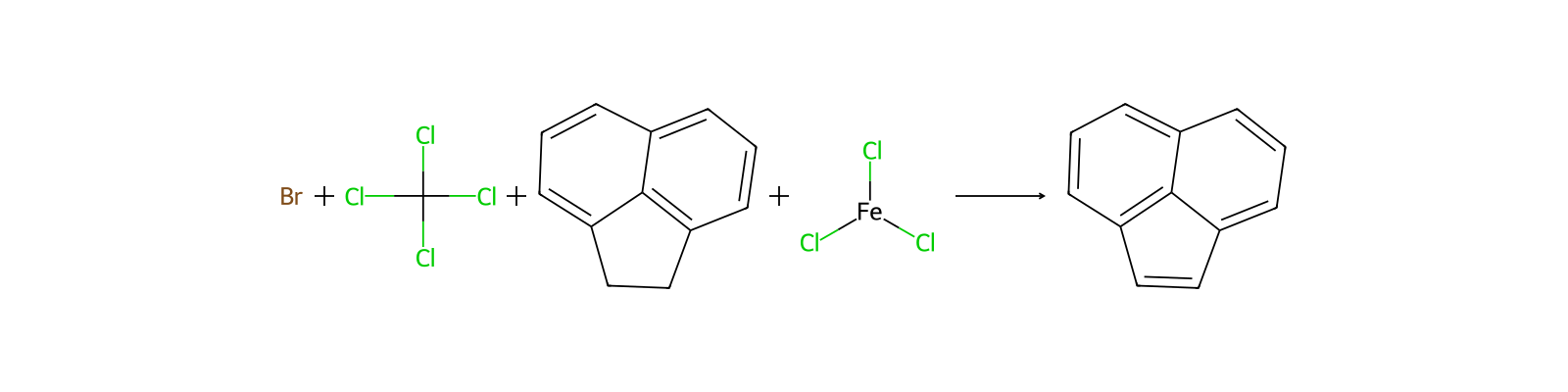
Methods of ManufacturingIt can be produced industrially by catalytic gas-phase dehydrogenation of acenaphthene.
General Manufacturing Information
Acenaphthylene: ACTIVE
Acenaphthylene was extracted from oil furnace black.
PAHs are a group of chemicals that are formed during the incomplete burning of coal, oil, gas, wood, garbage, or other organic substances, such as tobacco and charbroiled meat. There are more than 100 different PAHs. PAHs generally occur as complex mixtures (for example, as part of combustion products such as soot), not as single compounds. PAHs usually occur naturally, but they can be manufactured as individual compounds for research purposes; however, not as the mixtures found in combustion products. ... Others are contained in asphalt used in road construction. They can also be found in substances such as crude oil, coal, coal tar pitch, creosote, and roofing tar. They are found throughout the environment in the air, water, and soil. They can occur in the air, either attached to dust particles or as solids in soil or sediment. /Polycyclic aromatic hydrocarbons/
Anwendungen
BeschreibungAcenaphthylene is a polycyclic aromatic hydrocarbon (PAH) consisting of three fused aromatic rings. It is used in the production of plastics and serves as an intermediate in the manufacture of dyes, soaps, pigments, pharmaceuticals, insecticides, fungicides, herbicides, and plant growth regulators. It is also a precursor to naphthalic acids, naphthalic anhydride (which is used in pigment production), and can be utilized in the synthesis of resins.The largest emissions of PAHs originate from the incomplete combustion of organic matter during industrial processes and other human activities. Major sources include:(a) the processing of coal, crude oil, and natural gas;(b) coking, coal conversion, petroleum refining, and the production of carbon black, creosote, coal tar, and bitumen;(c) aluminum, iron, and steel production in plants and foundries;(d) heating in power plants and households, as well as cooking;(e) combustion of waste;(f) motor vehicle emissions; (g) environmental tobacco smoke.
VerwendenAcenaphthylene has been used to investigate the photodimerization of acenaphthylene in micellar and hydrogel media.
Vor- und nachgelagerte Produkte
Vorgelagerte Rohstoffe
Nachgelagerte Produkte
Ergänzende Hinweise
DefinitionChEBI: Acenaphthylene is a ortho- and peri-fused tricyclic hydrocarbon that occurs in coal tar. It is an ortho- and peri-fused polycyclic arene, a member of acenaphthylenes and an ortho- and peri-fused tricyclic hydrocarbon.
Zugehörige Reaktionen
5


Verknüpfte Notizen
Wird geladen…