

Grundinformationen
- Standard-SMILES
c1ccc2ccccc2c1- InChIKey
UFWIBTONFRDIAS-UHFFFAOYSA-N- Summenformel
- C10H8
- Durchschnittliche Molmasse
- 128,17 g/mol
- Monoisotopische Masse
- 128,06260026
Überblick
Naphthalene can cause cancer according to The National Toxicology Program.
Namen und Bezeichner
- Bevorzugter Name
- Naphthalene
- IUPAC
- naphthalene
- Englischer Name
- Naphthene
- Summenformel
- C10H8
- Molmasse
- 0
Namen und Synonyme
naphthalene91-20-3NaphthalinTar camphorWhite tarAlbocarbonNaphtheneCamphor tarnaphtaleneNaphthalineMoth ballsMoth flakes
Weitere Namen anzeigen
DezodoratorNaftalenMighty 150NaphthalinumRCRA waste number U165Mighty RD1NaphtalinumNCI-C52904
Datenbank-Bezeichner
- CAS
91-20-3- PubChem CID
- 931
- DTXSID
DTXSID8020913- ChEMBL
CHEMBL16293- ChEBI
CHEBI:16482- UNII
- 2166IN72UN
- EC Number
- 202-049-5
- Nikkaji
- J2.839H
Eigenschaften
Berechnete Struktureigenschaften
- XLogP
- 3,3
- Polarare Oberfläche (TPSA)
- 0 Ų
- H-Brücken-Donoren
- 0
- H-Brücken-Akzeptoren
- 0
- Frei drehbare Bindungen
- 0
- Schwere Atome
- 10
- Formalladung
- 0
- Komplexität
- 80,6
Experimentelle und physikochemische Eigenschaften
Chemical Classes
Hazardous Air Pollutants (HAPs)
Other Classes -> Naphthalenes
Carcinogens
Volatile Organic Compound (VOC) and(or) Semi-Volatile Organic Compound (SVOC) and(or) Waste-water effluent contaminant
PolymersPolycyclic aromatic hydrocarbon
CosmeticsCosmetics ingredient -> Solvent
SpringerMaterials Properties13C nuclear magnetic resonance spectrum
Pesticides
Pesticide -> EPA IRIS
Repellants
Active substance -> EU Pesticides database: Not approved
LogP
log Kow = 3.30
3.30
3.35
3.43
Odor
Aromatic odor
Odor of mothballs
Characteritic odor (plates)
Density
1.15 (NIOSH, 2024) - Denser than water; will sink
1.162 at 20 °C/4 °C
1.16 g/cm³
1.15
1.0253 @ 20°C
1.15
Viscosity0.754 cP at 20 °C
Color/Form
White crystalline flakes ... Plates from ethanol
WHITE SCALES, BALLS, POWDER OR CAKES
Monoclinic prismatic plates from ether or by sublimation; also sold as white scales, powder, balls, or cakes
Colorless to brown solid ... [Note: Shipped as a molten solid]
Solubility
less than 1 mg/mL at 72 °F (NTP, 1992)
In water, 31 mg/L at 25 °C
1 g/13 mL ethanol or methanol; 1 g/3.5 mL benzene or toluene; 1 g/8 mL olive oil or tupentine; 1 g/2 mL chloroform or carbon tetrachloride; 1 g/1.2 mL carbon disulfide. Very soluble in ether, hydronaphthalenes, and in fixed and volatile oils.
0.031 mg/mL at 25 °C
Solubility in water at 20 °C: very poor
0.003%
CorrosivityMelted naphthalene will attack some forms of plastics, rubber, and coatings.
Physikochemische Eigenschaften
- Schmelzpunkt
- 80.2 °C · 80.2 °C
- Siedepunkt
- 217.9 °C · 217.9 °C
- Dichte
- 1.162 g/cm3 · 1.162 g/cm3
Sicherheit und Regulatorisches
GHS-Klassifizierung
GHS Classification
Warning
H302: Harmful if swallowed [Warning Acute toxicity, oral]
P203, P264, P270, P273, P280, P301+P317, P318, P330, P391, P405, and P501 (click each P-code to see the statement)
This chemical does not meet GHS hazard criteria for < 0.1% (1 of 2947) of reports.
Danger
H228 (38.8%): Flammable solid [Danger Flammable solids]
Gefahrenhinweise
Regulatory Information
Chemical: Naphthalene
Hazard Traits - Bioaccumulation; Carcinogenicity; Environmental Persistence; Environmental tox; Hematotoxicity; Hepatotoxicity and Digestive System Toxicity; Neurotoxicity; Ocular Toxicity; Other Toxicological Hazard Traits; Respiratory Toxicity
Commission Regulation (EC) No 1565/2000 (Repealed by Com. Implementing Reg. (EU) No 872/2012)
Naphthalene is listed on the EPA's Chemical Data Reporting (CDR) system. Manufacturers and importers of Naphthalene are required to report information about their production and use of this chemical to the EPA under the Toxic Substances Control Act (TSCA). (40 eCFR Part 711)
2004/129/EC
Status: Active Update: 24-02-2023 https://echa.europa.eu/registration-dossier/-/registered-dossier/15924
Other Safety InformationIMAP assessments - Naphthalene: Human health tier II assessment
DOT Label
Flammable Solid
Corrosive
Fire Hazards
Excerpt from ERG Guide 133 [Flammable Solids]:
Excerpt from ERG Guide 154 [Substances - Toxic and/or Corrosive (Non-Combustible)]:
· Flammable/combustible material.
Combustible. Above 80 °C explosive vapour/air mixtures may be formed. Finely dispersed particles form explosive mixtures in air.
Fire Potential
Flammable in the presence of a source of ignition, through friction or retained heat.
Combustible
Health Hazards
Excerpt from ERG Guide 133 [Flammable Solids]:
Excerpt from ERG Guide 154 [Substances - Toxic and/or Corrosive (Non-Combustible)]:
· Fire may produce irritating and/or toxic gases.
Hazards Summary
Naphthalene is used in the production of phthalic anhydride; it is also used in mothballs. Acute (short- term) exposure of humans to naphthalene by inhalation, ingestion, and dermal contact is associated with hemolytic anemia, damage to the liver, and neurological damage. Cataracts have also been reported in workers acutely exposed to naphthalene by inhalation and ingestion. Chronic (long-term) exposure of workers and rodents to naphthalene has been reported to cause cataracts and damage to the retina. Hemolytic anemia has been reported in infants born to mothers who "sniffed" and ingested naphthalene (as mothballs) during pregnancy. Available data are inadequate to establish a causal relationship between exposure to naphthalene and cancer in humans. EPA has classified naphthalene as a Group C, possible human carcinogen.
Ingestion of high doses of naphthalene can induce methemoglobinemia and precipitate subacute hemolysis. The lethal dose orally for an adult is 5-15 grams. Workers deficient in glucose-6-phosphate dehydrogenase are more susceptible to hemolysis. A 1956 study found cataracts in 8 of 21 workers who melted naphthalene in open vats. After new procedures to reduce exposures, no further cataracts were reported. [ACGIH] Chronic sniffing of naphthalene containing mothballs can cause liver necrosis. [HSDB] Naphthalene is not hepatotoxic in experimental animal studies or in human exposures. [Zimmerman, p. 367] Suspected germ cell mutagen (3B); [MAK]
DOT ID and Guide
2304 133
1334 133(crude or refined)
2304 133(molten)
Reactive Group
Hydrocarbons, Aromatic
Bases, Strong
EC ClassificationSymbol: Xn, N; R: 22-40-50/53; S: (1/2)-26-36/37/39-45-46-60-61
UN ClassificationUN Hazard Class: 4.1; UN Pack Group: III
Special Reports
USEPA; Ambient Water Quality Criteria Doc: Polynuclear Aromatic Hydrocarbons (Draft) (1980)
USEPA; Ambient Water Quality Criteria: Naphthalene (Draft) (1980) USEPA 440/5-80-059
Health & Welfare Canada; Polycyclic Aromatic Hydrocarbons (1979) Report No. 80-EHD-50
USEPA; Health Assessment Document: Polycyclic Organic Matter (1979) EPA-600/9-79-008
For more Special Reports (Complete) data for NAPHTHALENE (8 total), please visit the HSDB record page.
Sicherheit und Schutzausrüstung
Fire Fighting
Excerpt from ERG Guide 133 [Flammable Solids]:
Excerpt from ERG Guide 154 [Substances - Toxic and/or Corrosive (Non-Combustible)]:
Use water spray, powder, foam, carbon dioxide.
First Aid Measures
Fresh air. Refer for medical attention.
Remove contaminated clothes. Rinse and then wash skin with water and soap. Seek medical attention if you feel unwell.
Rinse with plenty of water (remove contact lenses if easily possible).
Rinse mouth. Do NOT induce vomiting. Refer immediately for medical attention.
Accidental Release Measures
· CALL 911. Then call emergency response telephone number on shipping paper. If shipping paper not available or no answer, refer to appropriate telephone number listed on the inside back cover.
· ELIMINATE all ignition sources (no smoking, flares, sparks or flames) from immediate area.
First Aid
EYES: First check the victim for contact lenses and remove if present. Flush victim's eyes with water or normal saline solution for 20 to 30 minutes while simultaneously calling a hospital or poison control center. Do not put any ointments, oils, or medication in the victim's eyes without specific instructions from a physician. IMMEDIATELY transport the victim after flushing eyes to a hospital even if no symptoms (such as redness or irritation) develop.
Excerpt from ERG Guide 154 [Substances - Toxic and/or Corrosive (Non-Combustible)]:
General First Aid:
(General first aid procedures)
Safe StorageSeparated from strong oxidants and food and feedstuffs. Store in an area without drain or sewer access. Provision to contain effluent from fire extinguishing.
Firefighting HazardsMolten naphthalene spatters and foams in contact with water.
Exposure Control and Personal Protection
· Wear positive pressure self-contained breathing apparatus (SCBA).
Biological Exposure Indices (BEI) [ACGIH] - 1-Naphthol + 2-Naphthol (with hydrolysis) at end of shift; The recommended urinary background levels for the sum of 1- and 2-naphthol is 35 ug/L for nonsmokers and 60 ug/L for the general population including smokers. [TLVs and BEIs]
Fire Fighting Procedures
If material on fire or involved in fire: Do not extinguish fire unless flow can be stopped. Use water in flooding quantities as fog. Cool all affected containers with flooding quantities of water. Apply water from as far a distance as possible. Solid streams of water may be ineffective. Use "alcohol" foam, dry chemical or carbon dioxide. /Naphthalene, crude or refined/
If material on fire or involved in fire: Solid streams of water may spread fire. Use water in flooding quantities as fog. Use dry chemical, graphite or dry earth. /Naphthalene, molten/
If material is on fire or involved in fire: Use water in flooding quantities as fog. Use foam, dry chemical, or carbon dioxide. Cool all affected containers with flooding quantities of water. Keep run-off water out of sewers and water sources.
Storage Conditions
Without inert-gas blanketing and at the temperature normally used for the storage of molten naphthalene, i.e., 90 °C, the vapors above the liquid are within the flammability limits. Thus, storage tanks containing molten naphthalene have a combustible mixture in the vapor space and care must be taken to eliminate all sources of ignition around such systems. Naphthalene dust can form explosive mixtures with air which necessitates the design and operation of solid handling systems.
Store in a cool, dry, well-ventilated location. Separate from oxidizing materials. May be stored under nitrogen gas.
Always store in a cool, dry, dark place.
PRECAUTIONS FOR "CARCINOGENS": Storage site should be as close as practical to lab in which carcinogens are to be used, so that only small quantities required for ... expt need to be carried. Carcinogens should be kept in only one section of cupboard, an explosion-proof refrigerator or freezer (depending on chemicophysical properties ...) that bears appropriate label. An inventory ... should be kept, showing quantity of carcinogen & date it was acquired ... Facilities for dispensing ... should be contiguous to storage area. /Chemical Carcinogens/
Cleanup Methods
Environmental considerations: Water spill: Use natural barriers or oil spill booms to limit spill travel. Use natural deep water pockets, excavated lagoons, or sand bag barriers to trap material at bottom. Remove trapped material with suction hoses. Use mechanical dredges or lifts to remove immobilized masses of pollutants and precipitates. /Naphthalene, molten/
Environmental considerations: Water spill: Use natural deep water pockets, excavated lagoons, or sand bag barriers to trap material at bottom. If dissolved, in region of 10 ppm or greater concentration, apply activated carbon at ten times the spilled amount. Remove trapped material with suction hoses. Use mechanical dredges or lifts to remove immobilized masses of pollutants and precipitates. /Naphthalene, crude or refined/
Environmental considerations: Land spill: Dig a pit, pond, lagoon, holding area to contain liquid or solid material. /SRP: If time permits, pits, ponds, lagoons, soak holes, or holding areas should be sealed with an impermeable flexible membrane liner./ Cover solids with a plastic sheet to prevent dissolving in rain or fire fighting water. /Naphthalene, crude or refined/
Environmental considerations: Land spill: Dig a pit, pond, lagoon, holding area to contain liquid or solid material. /SRP: If time permits, pits, ponds, lagoons, soak holes, or holding areas should be sealed with an impermeable flexible membrane liner./ Cover solids with a plastic sheet to prevent dissolving in rain or fire fighting water. Dike surface flow using soil, sand bags, foamed polyurethane, or foamed concrete. /Naphthalene, molten/
For more Cleanup Methods (Complete) data for NAPHTHALENE (8 total), please visit the HSDB record page.
Nonfire Spill Response
Excerpt from ERG Guide 133 [Flammable Solids]:
Excerpt from ERG Guide 154 [Substances - Toxic and/or Corrosive (Non-Combustible)]:
Disposal Methods
Generators of waste (equal to or greater than 100 kg/mo) containing this contaminant, EPA hazardous waste number U165, must conform with USEPA regulations in storage, transportation, treatment and disposal of waste.
SRP: Wastewater from contaminant suppression, cleaning of protective clothing/equipment, or contaminated sites should be contained and evaluated for subject chemical or decomposition product concentrations. Concentrations shall be lower than applicable environmental discharge or disposal criteria. Alternatively, pretreatment and/or discharge to a permitted wastewater treatment facility is acceptable only after review by the governing authority and assurance that "pass through" violations will not occur. Due consideration shall be given to remediation worker exposure (inhalation, dermal and ingestion) as well as fate during treatment, transfer and disposal. If it is not practicable to manage the chemical in this fashion, it must be evaluated in accordance with EPA 40 CFR Part 261, specifically Subpart B, in order to determine the appropriate local, state and federal requirements for disposal.
The following wastewater treatment technologies have been investigated for naphthalene: biological treatment.
The following wastewater treatment technologies have been investigated for naphthalene: chemical precipitation.
For more Disposal Methods (Complete) data for NAPHTHALENE (12 total), please visit the HSDB record page.
Toxikologische Informationen
Body Burden
Naphthalene was identified in 6 of 8 samples of mother's milk from 4 USA urban areas(1). A National Human Adipose Tissue Survey (NHATS) by EPA for fiscal year 1982 detected naphthalene in wet adipose tissue with a frequency of 40% and concentration range of <9-63 ppb(2). The average naphthalene blood concentration of 56 children (ages 2-12 years) was 19 ppb; samples were collected in Lucknow, India Sep 2005 to Aug 2006(3).
TreatmentThere is no known antidote for PAHs. Exposure is usually handled with symptomatic treatment. (L10)
Interactions
Ip injection of channel catfish (Ictalurus punctatus) with 100 ug benzo(a)pyrene, Aroclor 1254, or naphthalene, singly and in combinations, affected the levels of the brain neurotransmitters norepinephrine, dopamine, and 5 hydroxytryptamine, but the effect showed no discernible pattern. The effects of combinations of the chemicals did not appear to be predictable from the effects of individual chemicals. In several instances, the change in the level of neurotransmitter in fish receiving a combination of chemicals was greater than in fish receiving either chemical alone.
...50 cases of severe chronic effects from repeated ingestion of a naphthalene- isopropyl alcohol "cocktail" have been recorded. The symptoms resembled those of ethanol intoxication and consisted of tremors, restlessness, extreme apprehension, and hallucination. The effects subsided in a few days.
When... naphthalene... was applied dermally in combination with benzo(a)pyrene (BaP), there was an inhibitory effect on the induction of skin tumors in female mice.
The administration of /mixed function oxidase/ (MFO) inhibitors (SKF-525A, metyrapone) and antioxidants (caffeic acid and vitamin E) decreased ocular toxicity in mice.
For more Interactions (Complete) data for NAPHTHALENE (8 total), please visit the HSDB record page.
Target Organs
Nervous
Eyes, skin, blood, liver, kidneys, central nervous system
Health Effects
Inhalation of naphthalene vapor has been associated with headaches, nausea, vomiting and dizziness. Hemolysis, the abnormal breakdown of red blood cells, may occur following ingestion or sufficient dermal exposure to either naphthalene or to naphthalene-treated fabric. In humans, cataracts and other ocular injury have been reported following acute and chronic occupational exposure to naphthalene. Additional signs of toxicity in children include convulsions and coma. Infants may develop encephalopathy and kernicterus, a form of brain damage, due to the presence of increased levels of methemoglobin, hemoglobin, and bilirubin in their plasma. Naphthalene appears to be mildly carcinogenic. Rats exposed to naphthalene vapors at 10, 30, or 60 ppm for 6 hours a day, five days a week for two years developed respiratory epithelial adenomas and olfactory epithelial neuroblastomas.
Ecotoxicity Values
LC50; Species: Oncorhynchus gorbuscha (pink salmon); Concentration: 1.4 mg/L for 96 hr at 4 °C; 1.8 mg/L for 96 hr at 8 °C; 1.2 mg/L for 96 hr at 12 °C /Conditions of bioassay not specified/
LC50; Species: Pandalus goniurus (shrimp); Concentration: 2.2 mg/L for 96 hr at 4 °C; 1.02 mg/L for 96 hr at 8 °C; 0.97 mg/L for 96 hr at 12 °C /Conditions of bioassay not specified/
LC50; Species: Parhyale hawaiensis (amphipod); Concentration: 15 ppm for 24 hr open bowl; 6.5 ppm for 24 hr closed bottle /Conditions of bioassay not specified/
LC50; Species: Pimephales promelas (fathead minnow) weight 116 mg; Conditions: flow-through bioassay, dissolved oxygen 7.4 (4.6-8.8) mg/L, water hardness 44.9 (42.4-46.6) mg/L as CaCO3, pH 6.9-7.7, alkalinity 42.9 (39.6-61.4) mg/L CaCO3, 26.4 +/- 1.4 °C; Concentration: 7.76 (7.39-8.14) mg/L for 24 hr /Purity 98%/
For more Ecotoxicity Values (Complete) data for NAPHTHALENE (30 total), please visit the HSDB record page.
Environmental Fate
TERRESTRIAL FATE: Based on a classification scheme(1), Koc values of 112 to 9,333(2-4) indicate that naphthalene is expected to have high to no mobility in soil(SRC). Volatilization of naphthalene from moist soil surfaces is expected to be an important fate process(SRC) given a Henry's Law constant of 4.4X10⁻⁴ atm-cu m/mole(5). The estimated volatilization half-life for naphthalene from soil is 1.1 days, and 14 days when incorporated at a depth of 1 cm and 10 cm, respectively(6). Naphthalene is not expected to volatilize from dry soil surfaces based upon a vapor pressure of 0.085 mm Hg at 25 °C(7). In soils previously exposed to naphthalene or other PAHs, half-lives of 2-18 days have been reported(8).
AQUATIC FATE: Based on a classification scheme(1), Koc values of 112 to 9333(2-4) indicate that naphthalene is expected to adsorb to suspended solids and sediment(SRC). Volatilization from water surfaces is expected(5) based upon a Henry's Law constant of 4.4X10⁻⁴ atm-cu m/mole(6). Using this Henry's Law constant and an estimation method(5), volatilization half-lives for a model river and model lake are 6 hours and 5 days, respectively(SRC). Naphthalene is not expected to undergo hydrolysis in the environment due to the lack of functional groups that hydrolyze under environmental conditions(5). According to a classification scheme(7), BCFs of 36.5-168 in carp(8) and 692-714 in minnows(9), suggest the potential for bioconcentration in aquatic organisms is moderate to high(SRC). Naphthalene has been shown to biodegrade in water with half-lives ranging from about 0.8 to 43 days(10-11).
ATMOSPHERIC FATE: According to a model of gas/particle partitioning of semivolatile organic compounds in the atmosphere(1), naphthalene, which has a vapor pressure of 0.085 mm Hg at 25 °C(2), is expected to exist solely as a vapor in the ambient atmosphere. Vapor-phase naphthalene is degraded in the atmosphere by reaction with photochemically-produced hydroxyl radicals(SRC); the half-life for this reaction in air is estimated to be 14-16 hours(3), calculated from its rate constants of 2.73X10⁻¹¹ to 2.16X10⁻¹¹ cu cm/molecule-sec at 25 °C(3-5). Vapor-phase naphthalene is also degraded in the atmosphere by reaction with nitrate radicals(SRC); the nighttime half-life for this reaction in air is estimated to be 60 hours(SRC), calculated from its rate constant of 6.4X10⁻¹⁵ cu cm/molecule-sec at 25 °C(6). Naphthalene absorbs light in the environmental UV spectrum and, therefore, direct photolysis may occur(7).
Food Survey Values
Of 27,065 samples of foods collected and analyzed in 10 state laboratories in 1988 and 1989, only 2 contained naphthalene and neither of these was of regulatory significance(1). Naphthalene was detected in crabmeat at the following average concentrations: 11.7 ug/kg (leg); 8.4 ug/kg (body); 66.6 ug/kg (carapace)(2). Naphthalene was detected in fermented soybeans at average concentrations of 54.7-306.1 ug/kg(3). Naphthalene was detected in five commercial olive pomace oil samples from Spain at 4.95-24.88 ug/kg; samples were collected 2001-2002(4). Naphthalene was detected in food products from 10 markets in 3 regions of Hong Kong, China (product, concentration in ug/g wet weight): coconut milk 6.54, evaporated milk 5.80, goose liver 13.8, chicken skin 12.3, chicken breast 11.0, white wine 2.13, red wine 4.47, corn oil 8.12, mustard seed oil 7.92, olive oil 8.26, peanut oil 5.45, fish oil 9.80, flaxseed oil 7.93, flaxseed oil capsule 1.79, fish oil capsule 1.64, pistachio 13.2, sun flower seed 11.2, pumpkin seed 7.03, Hawaii nutlet 9.39, almond 6.49, cashew 8.73, walnut 12.1 and peanut 17.9; samples were collected Aug to Oct 2007(5). Naphthalene was detected at 0.053-1.657 and 0.010-1.525 ug/kg in the skin and core, respectively, of four varieties of potato and at 0.036-0.673 and 0.012-0.550 ug/kg in the skin and core, respectively, of three varieties of carrot; all vegetables were grown on organic farms in England(6). Naphthalene was detected in 35 samples collected from 8 grocery stores in Las Vegas, NV from Jan to Feb 2002; concentrations were 0.02-1.57, 0.02-1.11 and 0.12-1.67 ng/mL for whole, 2% and 1% milk, respectively(7).
Fruits and vegetables from 19 localities in Moravia, Czech Republic, sampled Jul to Oct 2003 contained the following concentrations of naphthalene(1):[Table#688]
Adverse EffectsOccupational hepatotoxin - Secondary hepatotoxins: the potential for toxic effect in the occupational setting is based on cases of poisoning by human ingestion or animal experimentation.
Exposure Routes
The substance can be absorbed into the body by inhalation, through the skin and by ingestion.
inhalation, skin absorption, ingestion, skin and/or eye contact
Oral (L10); inhalation (L10)
Milk Concentrations
Naphthalene was identified in 6 of 8 samples of mother's milk from 4 USA urban areas(1). Naphthalene was detected in 35 cow milk samples collected from 8 grocery stores in Las Vegas, NV from Jan to Feb 2002; concentrations were 0.02-1.57, 0.02-1.11 and 0.12-1.67 ng/mL for whole, 2% and 1% milk, respectively(2).
Two seasonal, proportionally composited milk samples collected from the 8 EPA Environmental Radiation Ambient Monitoring System regions (46 stations from 41 states and Puerto Rico) contained naphthalene at the following concentrations(ng/L)(1):[Table#690]
Toxicity Summary
PAH's such as naphthalene are transported throughout the body after binding blood proteins such as albumin. Binding to the aryl hydrocarbon receptor or glycine N-methyltransferase induces the expression of cytochrome P450 enzymes (especially CYP1A1, CYP1A2, and CYP1B1). These cytochrome enzymes metabolize PAH's into various toxic intermediates (epoxide intermediates, dihydrodiols, phenols, quinones, and their various combinations). The reactive metabolites of PAHs covalently bind to DNA and other cellular macromolecules, initiating mutagenesis and carcinogenesis. (10, 12, 2, 3). In humans, the metabolite alpha-naphthol has been linked to the development of hemolytic anemia in some cases following ingestion or extensive dermal or inhalation exposure. Susceptibility appears to be exacerbated by a deficiency in the glucose 6-phosphate dehydrogenase enzyme, or G-6-PD. Over 400 million people have an inherited condition called glucose-6-phosphate dehydrogenase deficiency. Exposure to naphthalene is more harmful for these people and may cause hemolytic anemia at lower doses. Some naphthalene metabolites deplete glutathione stores in affected tissues such as the lungs, leading to toxicity. The metabolites responsible for glutathione depletion have been identified as naphthalene oxide or 1,2-naphthoquinone and 1,4-naphthoquinone.
Regulatorische Informationen
RCRA Requirements
U165; As stipulated in 40 CFR 261.33, when naphthalene, as a commercial chemical product or manufacturing chemical intermediate or an off-specification commercial chemical product or a manufacturing chemical intermediate, becomes a waste, it must be managed according to Federal and/or State hazardous waste regulations. Also defined as a hazardous waste is any residue, contaminated soil, water, or other debris resulting from the cleanup of a spill, into water or on dry land, of this waste. Generators of small quantities of this waste may qualify for partial exclusion from hazardous waste regulations (40 CFR 261.5).
TSCA Requirements
Section 8(a) of TSCA requires manufacturers of this chemical substance to report preliminary assessment information concerned with production, exposure, and use to EPA as cited in the preamble in 51 FR 41329. Effective date: 8/4/95; Reporting date: 10/3/95.
Pursuant to section 8(d) of TSCA, EPA promulgated a model Health and Safety Data Reporting Rule. The section 8(d) model rule requires manufacturers, importers, and processors of listed chemical substances and mixtures to submit to EPA copies and lists of unpublished health and safety studies. Naphthalene is included on this list. Effective date: 6/1/87; Sunset date: 6/1/97.
FIFRA Requirements
The Agency has completed its assessment of the human health and ecological risks associated with the use of pesticide products containing naphthalene. The Agency has determined that naphthalene-containing products are eligible for reregistration provided that label amendments are made as outlined in Chapter V. ... Based on its evaluation of naphthalene, the Agency has determined that products containing naphthalene, unless labeled and used as specified in this document, would present risks inconsistent with FIFRA. Accordingly, should a registrant fail to implement any of the risk mitigation measures identified in this document, the Agency will take regulatory action to address the risk concerns from the use of naphthalene. If all changes outlined in this document are incorporated into the product labels, then all current risks for naphthalene will be adequately mitigated for the purposes of this determination under FIFRA.
As the federal pesticide law FIFRA directs, EPA is conducting a comprehensive review of older pesticides to consider their health and environmental effects and make decisions about their continued use. Under this pesticide reregistration program, EPA examines newer health and safety data for pesticide active ingredients initially registered before November 1, 1984, and determines whether the use of the pesticide does not pose unreasonable risk in accordance to newer safety standards, such as those described in the Food Quality Protection Act of 1996. Naphthalene is found on List A, which contains most pesticides that are used on foods and, hence, have a high potential for human exposure. List A consists of the 194 chemical cases (or 350 individual active ingredients) for which EPA issued registration standards prior to FIFRA '88. Case No: 0022; Pesticide type: insecticide; Registration Standard Date: 09/01/81; Case Status: OPP is reviewing data from the pesticide's producers regarding its human health and/or environmental effects, or OPP is determining the pesticide's eligibility for reregistration and developing the RED (Reregistration Eligibility Decision) document.; Active ingredient (AI): naphthalene; Data Call-in (DCI) Date(s): 05/06/91, 10/13/95; AI Status: The producers of the pesticide have made commitments to conduct the studies and pay the fees required for reregistration, and are meeting those commitments in a timely manner.
Atmospheric Standards
Listed as a hazardous air pollutant (HAP) generally known or suspected to cause serious health problems. The Clean Air Act, as amended in 1990, directs EPA to set standards requiring major sources to sharply reduce routine emissions of toxic pollutants. EPA is required to establish and phase in specific performance based standards for all air emission sources that emit one or more of the listed pollutants. Naphthalene is included on this list.
CERCLA Reportable Quantities
Persons in charge of vessels or facilities are required to notify the National Response Center (NRC) immediately, when there is a release of this designated hazardous substance, in an amount equal to or greater than its reportable quantity of 100 lb or 45.4 kg. The toll free number of the NRC is (800) 424-8802. The rule for determining when notification is required is stated in 40 CFR 302.4 (section IV.D.3.b).
Clean Water Act Requirements
Toxic pollutant designated pursuant to section 307(a)(1) of the Federal Water Pollution Control Act and is subject to effluent limitations.
Naphthalene is designated as a hazardous substance under section 311(b)(2)(A) of the Federal Water Pollution Control Act and further regulated by the Clean Water Act Amendments of 1977 and 1978. These regulations apply to discharges of this substance. This designation includes any isomers and hydrates, as well as any solutions and mixtures containing this substance.
State Drinking Water Standards(NJ) NEW JERSEY 300 ug/L
State Drinking Water Guidelines
(CA) CALIFORNIA 170 ug/L
(CT) CONNECTICUT 6.5 ug/L
(FL) FLORIDA 100 ug/L
(MA) MASSACHUSETTS 140 ug/L
For more State Drinking Water Guidelines (Complete) data for NAPHTHALENE (7 total), please visit the HSDB record page.
Federal Drinking Water GuidelinesEPA 100 ug/L
Sicherheitsdaten
- Alarmwort
- Warnung
- Gefahrenhinweise
- Code Gefahrenhinweise Gefahrenklasse Abteilung Alarmwort Symbol P-Code H228
Chemie und Industrie
Pharmakologische Informationen
Mechanism of Action
1,2-Dihydroxynaphthalene or 1,2-naphthoquinone /metabolites of naphthalene/ combined with amino acids or irreversibly with the thiol groups of lens protein to form a brown precipitate. ... Hydroperoxide formed in the oxidation of 1,2-dihydroxynaphthalene and ascorbic acid can act with high levels of glutathione peroxidase in the eye to oxidize glutathione.
/Mechanism of ocular toxicity:/...The oxidation products of naphthalene may reach the eye via the bloodstream, where 1,2-naphthoquinone is formed which can react with proteins and other cell components to form insoluble precipitates with a characteristic brown color. ... Naphthalene dihydrodiol is produced in the liver /of rats/, reaches the aqueous humor, and penetrates the lens, where it is metabolized to naphthoquinone.
Mitochondrial respiration is inhibited 50% by 10 ppm (78 uM) /naphthalene/. Nicotinamide adenine dinucleotide oxidase, nicotinamide adenine dinucleotide-cytochrome c reductase, ubiquinone-50 oxidase, and nicotinamide adenine dinucleotide-ubiquinone reductase are inhibited; while succinate oxidase, nicotinamide adenine dinucleotide-ferricyanide reductase, nicotinamide adenine dinucleotide -indophenol reductase, and ATPase activities are not inhibited. ... Exposure at concentrations >7.5 ppm causes cultured cells to round up ... with eventual death the result. The effects of naphthalene on morphology and respiration are very similar, suggesting that mitochondrial inhibition plays a significant role in the effects of naphthalene on intact cells.
Naphthalene itself is not cataractogenic; instead, the metabolite 1,2-dihydro-1,2-dihydroxynaphthalene (naphthalene dihydrodiol) is the cataract-inducing agent. Subsequent studies using biochemical and pharmacologic techniques, in vitro assays, and transgenic mice showed that aldose reductase in the rat lens is a major protein associated with naphthalene dihydrodiol dehydrogenase activity and that lens aldose reductase is the enzyme responsible for the formation of naphthalene dihydrodiol. In addition, invivo and invitro studies have shown that aldose reductase inhibitors prevent naphthalene-induced cataracts.
For more Mechanism of Action (Complete) data for NAPHTHALENE (7 total), please visit the HSDB record page.
Biological Half-LifeWhole body: 8 days; [TDR, p. 909]
Metabolism/Metabolites
/It was shown/ that 24-35% of an intraperitoneal dose of (14)C-naphthalene was eliminated as mercapturates by both mice and rats at 24 hours after dosing. For both species, this percentage was the same over a wide dose range (3.12-200 mg/kg body weight). In contrast, after inhalation exposure, the amounts of mercapturic acid in mouse urine were approximately twice those in rat urine at the same level of exposure. Over a 24 hour period, approximately 100-500 umol/kg body weight mercapturates were eliminated in urine of mice given intraperitoneal injections of 50-200 mg/kg body weight naphthalene. In mice exposed by inhalation to 1-100 ppm (5.24-524 mg/cu m) naphthalene for 4 hours, 1-240 umol/kg body weight total mercapturic acids were eliminated, while rats exposed to the same concentrations eliminated 0.6-67 umol/kg body weight.
A 5 day old calf dosed orally with (14)C-propachlor excreted 70% dose in the urine as the cysteine conjugate; no mercapturic acid was detected. Rumen microflora were established in the calf (5 weeks older) and the experiment was repeated with the same results. When the same calf was dosed 1 week later with (14)C-naphthalene, 99% dose was excreted in the urine, mostly as the dihydrodiol glucuronide (34%) and the dihydrohydroxy cysteine conjugate (47%); no mercapturate was detected. ... Cysteine S-conjugate N-acetyltransferase activity in calf kidney and liver was about 10% of that n the corresponding rat tissues.
...Metabolized via 1,2-epoxide into 1,2-dihydronaphthalene-1,2-diol, 1,2-dihydro-1-naphthol and N-acetyl-s-(2-hydroxy-1,2-dihydronaphthyl)-cysteine, which after further metabolism... Excreted in urine as 1-naphthylmercapturic acid ...and conjugates of 1,2-dihydronaphthalene-1,2-diol... 1- and 2-naphthols, and 1,2-dihydroxynaphthalene.
Naphthalene is metabolized first to naphthalene 1,2-oxide, which can yield 1-naphthol or be converted by epoxide hydrolase to trans-1,2-dihydro- 1,2-dihydroxynaphthalene (trans-1,2-dihydrodiol . The hydroxyl group of 1-naphthol may also be sulfated or glucuronidated. The 1,2-dihydrodiol can also be converted to 2-naphthol. The epoxide is also a substrate for glutathione S-transferase, yielding glutathione conjugates which are eventually eliminated as mercapturic acids.
For more Metabolism/Metabolites (Complete) data for NAPHTHALENE (40 total), please visit the HSDB record page.
Naphthalene has known human metabolites that include naphthalene-1,2 Expodation, 1-Naphthol, dihydrodiol, and 2-Naphthol.
Absorption, Distribution and Excretion
Cutaneous absorption of naphthalene in infants is increased by baby oil.
When inhaled, naphthalene is rapidly absorbed... .
At 100 mg/kg intraperitoneally, 20 to 30% was excreted in the rat urine, and 85 to 90% /of urinary excretion/ was in the form of acid conjugates; 5 to 10% was excreted in the bile and 70 to 80% /of biliary excretion/ was as acid conjugates. The major metabolite was naphthalene-1,2-dihydrodiol.
In small oysters transport of naphthalene between tissues is primarily by diffusion. In intact oysters, accumulation in adductor muscle and body followed accumulation in gills after a large lag-time. In isolated tissues with no shell to impede water, there was no time lag.
For more Absorption, Distribution and Excretion (Complete) data for NAPHTHALENE (13 total), please visit the HSDB record page.
Cellular LocationsMembrane
Verwendung und Herstellung
Uses
The primary use for naphthalene is in the production of phthalic anhydride. However, o-xylene is replacing naphthalene as the preferred raw material for phthalic anhydride production.
Naphthalene is produced from petroleum or coal tars. Naphthalene is used mainly as an intermediate in the synthesis of organic chemicals (plastics, insecticides, fungicides, etc.). It has been used as a household moth repellent. [ACGIH] Naphthalene is produced from incomplete combustion, e.g., burning fossil fuels, forest fires, and smoking cigarettes. It is present in jet and diesel fuel. Its use as a moth repellent has decreased since the introduction of p-dichlorobenzene. Naphthalene is one of the major components of creosote, and the highest concentrations in industrial environments occur in workplaces producing creosote-impregnated timbers. [See Reference #1]
Smoking cigarettes [Category: Food & Drugs]
For naphthalene (USEPA/OPP Pesticide Code: 055801) active products with label matches. /SRP: Registered for use in the U.S. but approved pesticide uses may change periodically and so federal, state and local authorities must be consulted for currently approved uses./
Insecticide and repellant
It is used indoors as a moth repellant, and placed in closed drawers, closets, and other storage areas. It is also used in attics as a squirrel and bat repellant. Outdoors, it is used around garden and building peripheries to repel animals such as snakes and rabbits.
Impurities
Technical-grade naphthalene, also known as naphthalin and tar camphor, has a minimum purity of 95%. The impurities reported are benzo(b)thiophene (thianaphthene) when naphthalene is obtained from coal-tar and methylindenes when it is derived from petroleum.
The main impurity in crude 78 °C coal-tar naphthalene is sulfur which is present in the form of thionaphthalene (1-3%). Methyl- and dimethylnaphthalenes also are present (1-2%) with lesser amounts of indene, methylindenes, tar acids, and tar bases.
U.S. Exports
(1981) 2.0X10+9 G
(1985) 5.92X10+9 g
U.S. Imports
Naphthalene imports provided about 10-20% of the material consumed in the USA until ca 1963 when that percentage dropped to and leveled at less than 5%.
(1977) 4.1X10+9 G
(1982) 4.7X10+9 G
(1985) 2.22X10+7 g /Naphthalene solidifying under 79 °C/
(1985) 4.79X10+7 g /Naphthalene solidifying at 79 °C and over/
U.S. Production
2023: 500,000,000 - <1,000,000,000 lb
(1974) 2.9X10+11 metric tons.
(1979) 3.24X10+11 g
(1980) 3.16X10+11 g
(1982) 3.17X10+11 g
For more U.S. Production (Complete) data for NAPHTHALENE (23 total), please visit the HSDB record page.
Consumption Patterns
CHEM INT FOR PHTHALIC ANHYDRIDE, 58%; CHEM INT FOR 1-NAPHTHYL-N-METHYLCARBAMATE, 21%; CHEM INT FOR BETA-NAPHTHOL, 8%; CHEM INT FOR SYNTHETIC TANNING AGENTS, 6%; MOTH REPELLANT, 3%; CHEM INT FOR SURFACTANTS, 3%; OTHER, 1% (1980 EST)
Chem intermediate for phthalic anhydride, 50%; chem intermediate for carbamate insecticides, 20%; chemical intermediate for naphthalene sulfonic acids, 20%; miscellaneous, 10% (1984)
Phthalic anhydride, 60%; exports, 15%; 1-naphthol, tetralin, 1-naphthyl methyl carbamate insecticide, 10%; tanning agents, 8%; surfactants and other uses, 7% (1985)
CHEMICAL PROFILE: Naphthalene. Phthalic anhydride, 60%; 1-naphthyl methyl carbamate insecticide and related products (tetralin and 1-naphthol), 10%; dispersant chemicals, 10%; moth repellent, 6%; synthetic tanning agents, 5%; miscellaneous uses, 5%; exports, 4%.
For more Consumption Patterns (Complete) data for NAPHTHALENE (6 total), please visit the HSDB record page.
Consumer UsesFuel agents
Industry UsesFuel agents
Methods of Manufacturing
The main feedstock for naphthalene production is coal tar. At an average content of around 10%, naphthalene represents the most important compound in high-temperature coal tar (coke-oven tar) in terms of quantity. It can already be concentrated to over 90% in primary tar distillation, in the naphthalene fraction boiling between 210 and 220 °C, with a yield in excess of 90%. Further refining requires separation of the co-boiling compounds (phenols, nitrogen bases, benzo(b)thiophene, and other aromatic hydrocarbons). For production of technical naphthalene (e.g., mp 78.5 detg C), redistillation of the naphthalene fraction is sufficient. Generally, phenols are extracted with sodium hydroxide solution before distillation. Pure naphthalene (mp greater than or equal to 79.6 °C) is produced by, e.g., crystallization or hydrorefining.
Naphthalene can ... be recovered from pyrolysis residue oils (from the pyrolysis of hydrocarbon fractions to olefins) by distillation and crystallization, in a manner similar to the recovery from coal tar. These pyrolysis residue oils normally contain 10 - 16% naphthalene.
... Naphthalene is ... produced in the United States by hydrodealkylation of aromatized petroleum derived fractions. Typical feedstocks are residue oils from catalytic naphtha reforming, from naphtha pyrolysis in olefin plants, or catcracker recycle oils. These aromatized oils are distilled to give a fraction containing naphthalene and alkylnaphthalenes and, in the case of catcracker recycle oils, subjected to extraction of the aromatics. The bicyclic aromatic fraction, with a boiling range of, e.g., 220 - 270 °C, is dealkylated under hydrogen pressure, either thermally above 700 °C, or catalytically in the presence of a chromium oxide/aluminum oxide or cobalt oxide/molybdenum oxide catalyst at 550 - 650 °C. Methyl- and dimethylnaphthalene fractions from coal tar can also be hydrodealkylated. The crude dealkylation product is processed to a low-sulfur pure naphthalene (mp 80 C) by distillation.
Crystallizes from the middle or "carbolic oil" fraction of the distilled tar. Purified by hot pressing, which may be followed by washing with H2SO4, NaOH, and water, then by fractional distillation or by sublimation.
(1) From coal tar oils boiling between 200 and 250 °C (middle oil) by crystallization and distillation. (2) From petroleum fractions after various catalytic processing operations.
Formulations/Preparations
Premix Partners: Sulfur
Enoz Old Fashioned Moth Balls (Willert Home Products): Active ingredient: naphthalene 99.95%.
Enoz Old Fashioned Moth Flakes (Willert Home Products): Active ingredient: naphthalene 99.95%.
Enoz Cedar Pine Moth Balls (Willert Home Products): Active ingredient: naphthalene 99.85%.
For more Formulations/Preparations (Complete) data for NAPHTHALENE (11 total), please visit the HSDB record page.
Household Products
Cosmetics product ingredient: Naphthalene
Information on 198 consumer products that contain Naphthalene in the following categories is provided:
General Manufacturing Information
Synthetic Rubber Manufacturing
Naphthalene: ACTIVE
The WHO Recommended Classification of Pesticides by Hazard identifies naphthalene as an active ingredient believed to be obsolete or discontinued for use as a pesticide.
Naphthalene usually is sold commercially according to its freezing or solidification point because there is a correlation between the freezing point and the naphthalene content of the product. The correlation depends on the type and relative amount of impurities present. Because the freezing point can be changed appreciably by the presence of water, values and specifications are listed on a dry, wet, or as-received basis using an appropriate method agreed upon between buyer and seller.
The use of naphthalene as a moth repellent and insecticide is decreasing due to the introduction of chlorinated compounds such as p-dichlorobenzene.
Produced in several grades characterized by solidification point ... petroleum naphthalene ... one grade ... 79.0 °C minimum. Coal tar naphthalene ... 78 °Crude, 77.5 deg low sulfur, and an 80 deg refined material with a purity of 99.6%
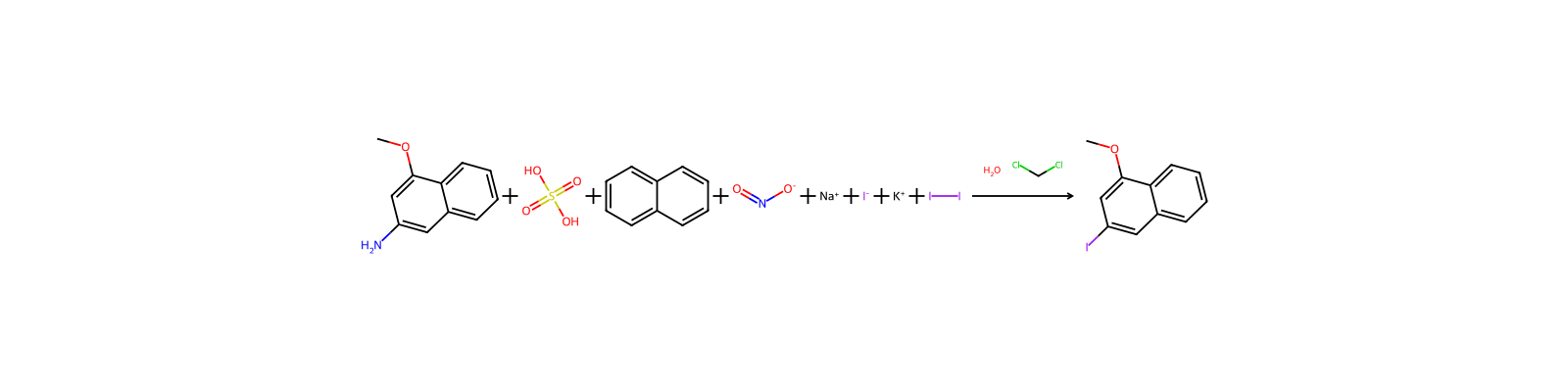
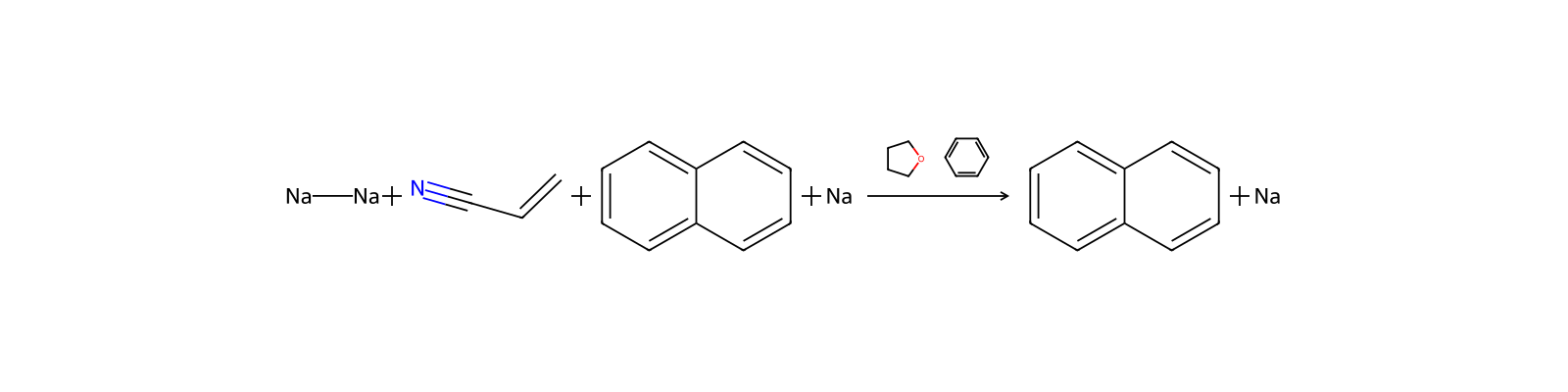
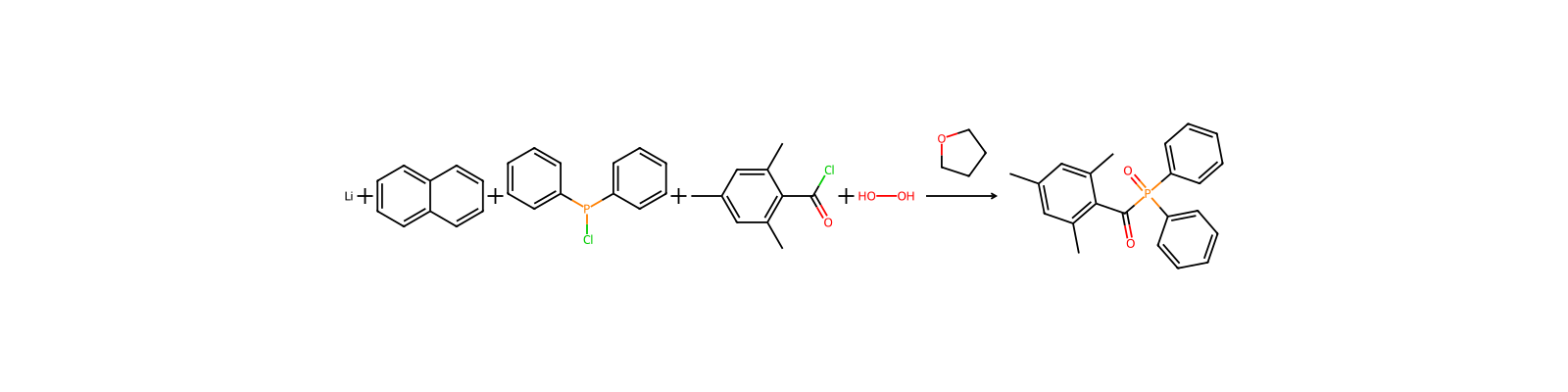
Zugehörige Reaktionen
720



Verknüpfte Notizen
Wird geladen…