
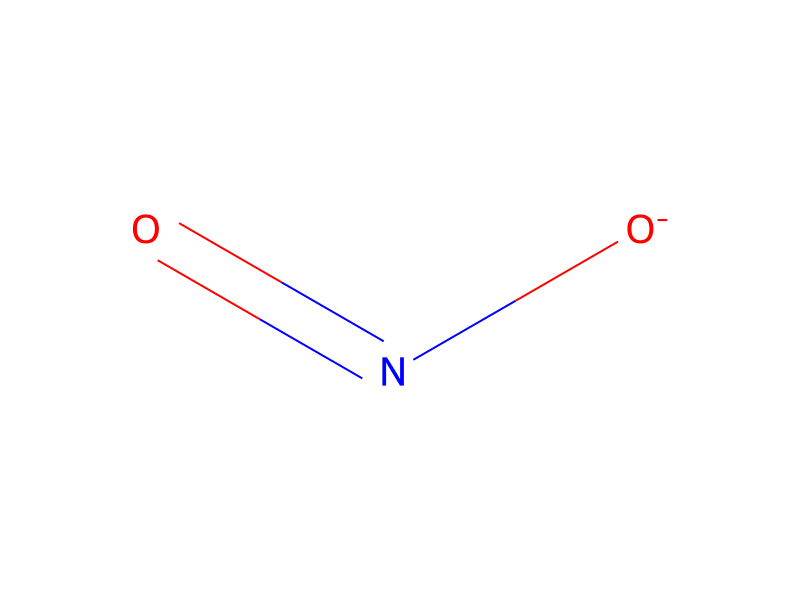
Grundinformationen
- Standard-SMILES
O=N[O-]- InChIKey
IOVCWXUNBOPUCH-UHFFFAOYSA-M- Summenformel
- NO2-
- Durchschnittliche Molmasse
- 46,006 g/mol
- Monoisotopische Masse
- 45,99345182
Überblick
Nitrites, inorganic, n.o.s. appears as colorless solutions or crystalline solids. Denser than water. Contact may cause irritation to skin, eyes, and mucous membranes. May be toxic by ingestion. Used to make other chemicals.
Namen und Bezeichner
- Bevorzugter Name
- Nitrite
- IUPAC
- nitrite
Namen und Synonyme
nitriteNitrite Ion14797-65-0Nitrite anionNitrite (NO2-)NitritesNitrous acid, ion(1-)Nitrite(1-)Nitrite ion (NO2-)Nitrogen dioxide ion(1-)Nitrogen peroxide ion(1-)DTXSID5024219
Weitere Namen anzeigen
J39976L608CHEBI:16301RefChem:55716DTXCID704219NO2-MFCD00144923Nitrite as N @ 1000 microg/mL in H2ONitrite Standard: NO2- @ 1000 microg/mL in H2O
Datenbank-Bezeichner
- CAS
14797-65-0- PubChem CID
- 946
- DTXSID
DTXSID5024219- ChEBI
CHEBI:16301- UNII
- J39976L608
- Nikkaji
- J95.225G
Eigenschaften
Berechnete Struktureigenschaften
- XLogP
- -0,8
- Polarare Oberfläche (TPSA)
- 52,5 Ų
- H-Brücken-Donoren
- 0
- H-Brücken-Akzeptoren
- 3
- Frei drehbare Bindungen
- 0
- Schwere Atome
- 3
- Formalladung
- -1
- Komplexität
- 7,5
Experimentelle und physikochemische Eigenschaften
Chemical ClassesNutrient
PesticidesPesticide -> EPA IRIS
Physical DescriptionNitrites, inorganic, n.o.s. appears as colorless solutions or crystalline solids. Denser than water. Contact may cause irritation to skin, eyes, and mucous membranes. May be toxic by ingestion. Used to make other chemicals.
Sicherheit und Regulatorisches
Gefahrenhinweise
Regulatory Information
Hazard Traits - Hematotoxicity
Regulation (EC) No 257/2010
DOT LabelOxidizer
Fire HazardsExcerpt from ERG Guide 140 [Oxidizers]:
Health HazardsExcerpt from ERG Guide 140 [Oxidizers]:
Reactive GroupNitrate and Nitrite Compounds, Inorganic
Reactivity AlertsStrong Oxidizing Agent
Reactivity Profile
NITRITES, INORGANIC, N.O.S. are oxidizing agents. React with acids to form toxic nitrogen dioxide gas. A violent explosion occurs if an ammonium salt is melted with a nitrite salt [Von Schwartz 1918. p 299]. A mixture with potassium cyanide may cause an explosion [Pieters 1957. p. 30].
DOT Hazard Classification
Nitrites, inorganic, aqueous solution, n.o.s
UN3219
Div 5.1 Oxidizer (49 eCFR § 173.127)
PG II: the degree of danger presented by the material is medium
Symbol G: The proper shipping name for which one or more technical names of the hazardous material must be entered in parentheses, in association with the basic description. (49 eCFR §172.203(k))
Nitrites, inorganic, n.o.s.
Air and Water ReactionsNo rapid reaction with air. No rapid reaction with water.
Sicherheit und Schutzausrüstung
Fire FightingExcerpt from ERG Guide 140 [Oxidizers]:
First AidExcerpt from ERG Guide 140 [Oxidizers]:
Nonfire Spill ResponseExcerpt from ERG Guide 140 [Oxidizers]:
Isolation and EvacuationExcerpt from ERG Guide 140 [Oxidizers]:
Personal Protective Equipment (PPE)Excerpt from ERG Guide 140 [Oxidizers]:
Toxikologische Informationen
Treatment
Methemoglobinemia can be treated with supplemental oxygen and methylene blue 1% solution administered intravenously slowly over five minutes followed by IV flush with normal saline. Methylene blue restores the iron in hemoglobin to its normal (reduced) oxygen-carrying state. (L1613)
Target OrgansHematologic
Health EffectsNitrite poisoning causes methemoglobinemia. Nitrites may cause pregnancy complications and developmental effects. They may also be carcinogenic. (L1137)
Exposure RoutesOral (L1137) ; inhalation (L1137)
Toxicity Summary
Nitrite causes the autocatalytic oxidation of oxyhemoglobin to hydrogen peroxide and methemoglobin. This elevation of methemoglobin levels is a condition known as methemoglobinemia, and is characterized by tissue hypoxia, as methemoglobin cannot bind oxygen. (A2450, L1613)
Signs and Symptoms
Nitrite poisoning causes methemoglobinemia. Symptoms include cyanosis, cardiac dysrhythmias and circulatory failure, and progressive central nervous system (CNS) effects. CNS effects can range from mild dizziness and lethargy to coma and convulsions. (L1137)
EPA IRIS Information
Nitrite
Hematologic
1 x 10 ^-1 mg/kg-day
Carcinogen ClassificationIngested nitrate or nitrite under conditions that result in endogenous nitrosation is probably carcinogenic to humans (Group 2A). (L135)
RAIS Toxicity Values
0.1
ATSDR Final
0.1
IRIS Current
0.1
ATSDR Final
USGS Health-Based Screening Levels for Evaluating Water-Quality
Nitrogen, Nitrite
00613
Nutrient
1000
Nitrite (as N)
Smith, C.D. and Nowell, L.H., 2024. Health-Based Screening Levels for evaluating water-quality data (3rd ed.). DOI:10.5066/F71C1TWP
Hazard Quotient Level 0.1 or Cancer Risk Level 1E-06
7.80e+03
1.20e+05
2.00e+03
1.00e+03
1.00e-01
Volatile
Hazard Quotient Level 3 or Cancer Risk Level 1E-04
2.30e+04
3.50e+05
6.00e+03
1.00e+03
1.00e-01
Volatile
Chemie und Industrie
Pharmakologische Informationen
Metabolism/Metabolites
Intake of some amount of nitrates and nitrites is a normal part of the nitrogen cycle in humans. In vivo conversion of nitrates to nitrites can occur in the gastrointestional tract under the right conditions, significantly enhancing nitrates' toxic potency. The major metabolic pathway for nitrate is conversion to nitrite, and then to ammonia. Nitrites, nitrates, and their metabolites are excreted in the urine. (L1137)
Verwendung und Herstellung
UsesNitrates and nitrites are naturally produced and may also be found in pesticides. Exposure usually occurs from contact with contaminated soil, food water. Nitrates may also be found in certain drugs. (L1137)
Use ClassificationFood Additives -> COLOUR_RETENTION_AGENT; PRESERVATIVE -> JECFA Functional Classes
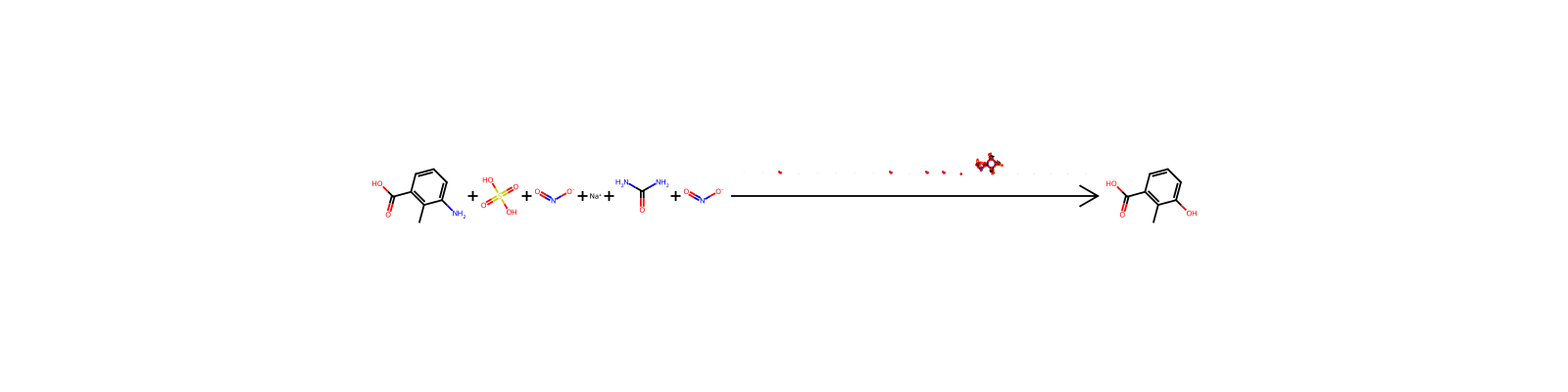
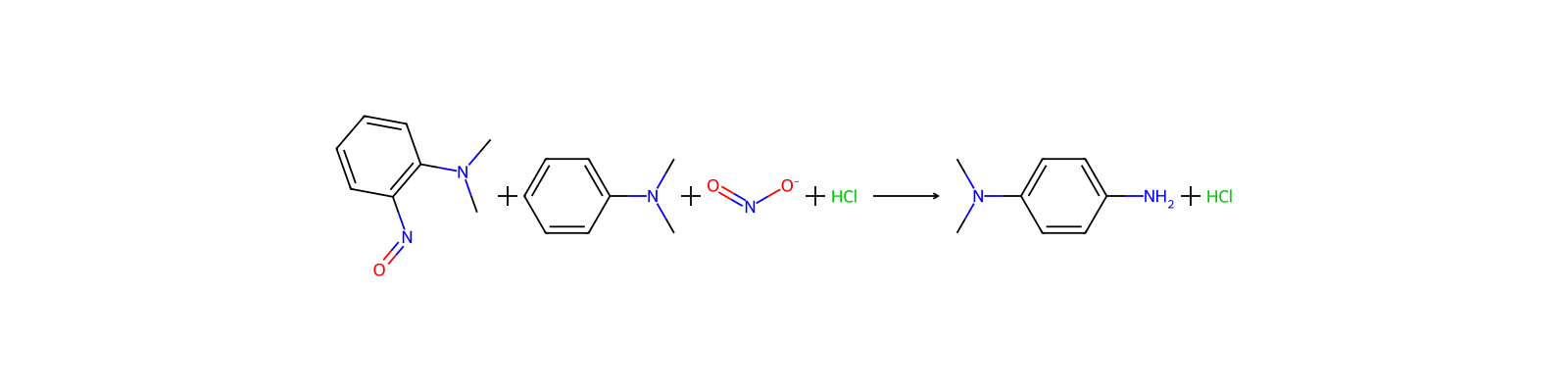
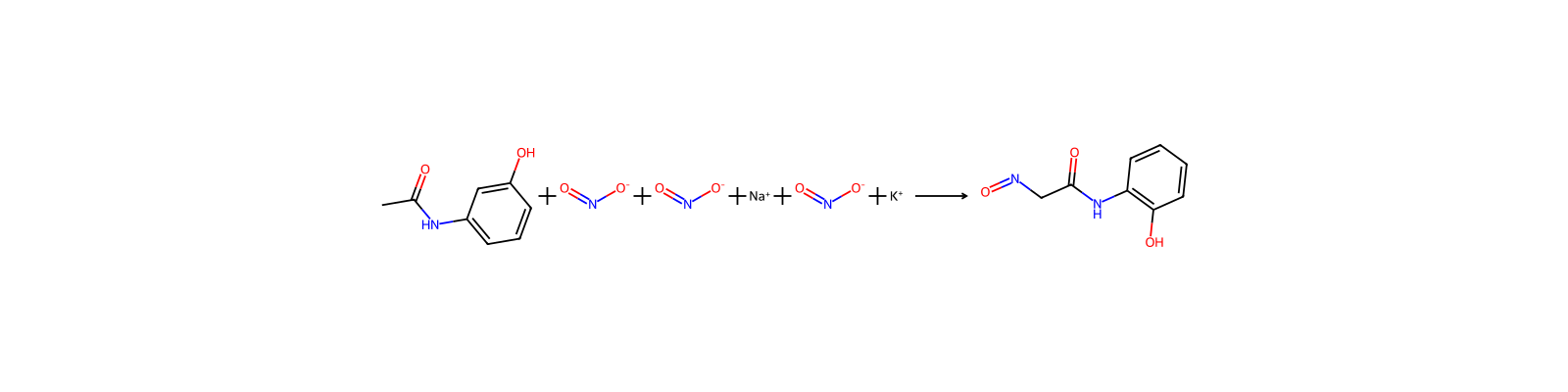
Zugehörige Reaktionen
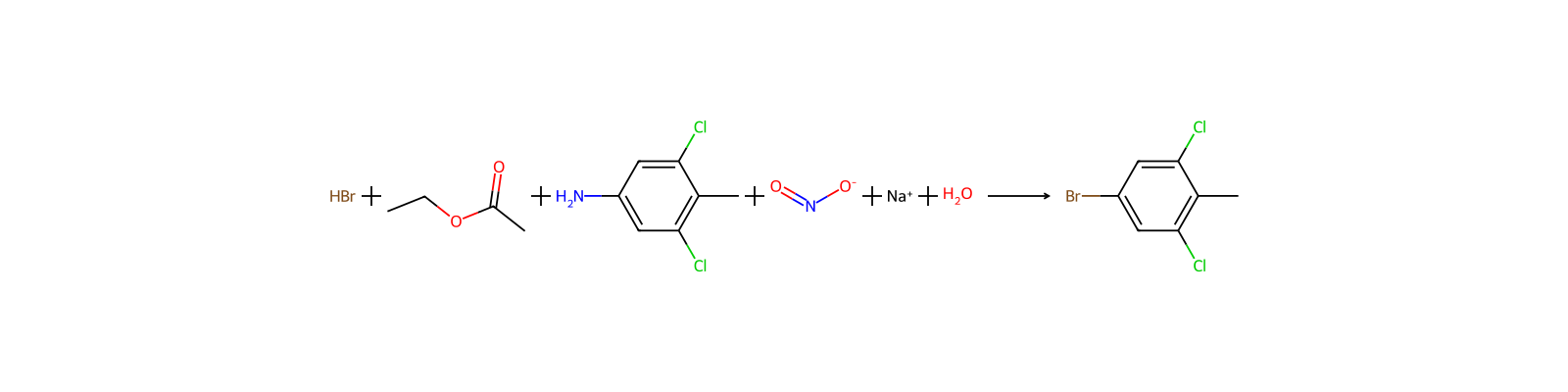
2.632



Verknüpfte Notizen
Wird geladen…