

Grundinformationen
- Standard-SMILES
CCCCCCCCO- InChIKey
KBPLFHHGFOOTCA-UHFFFAOYSA-N- Summenformel
- C8H18O
- Durchschnittliche Molmasse
- 130,23 g/mol
- Monoisotopische Masse
- 130,1357652
Überblick
Octanol appears as a clear colorless liquid with a penetrating aromatic odor. Insoluble in water and floats on water. Vapors heavier than air. Vapors may irritate the eyes, nose, and respiratory system.
Namen und Bezeichner
- Bevorzugter Name
- 1-Octanol
- IUPAC
- octan-1-ol
- Lokaler Name
- Octan-1-ol
- Englischer Name
- 1-Octanol
- Summenformel
- C8H18O
- Molmasse
- 130.23
Namen und Synonyme
1-octanolOctan-1-ol111-87-5N-octanolOctyl alcoholcaprylic alcoholn-Octyl alcoholHeptyl carbinol1-HydroxyoctaneAlcohol C-8OctilinPrimary octyl alcohol
Weitere Namen anzeigen
OCTANOLcaprylicFEMA 2800CAPRYL ALCOHOL1-0ctanol
n-Octan-1-olDytol M-83Alfol 8Sipol L8Lorol 20n-Caprylic alcoholEPAL 8C8 alcohol
Datenbank-Bezeichner
- CAS
111-87-5、220713-26-8、29063-28-3- PubChem CID
- 957
- DTXSID
DTXSID7021940- ChEMBL
CHEMBL26215- ChEBI
CHEBI:16188- UNII
- NV1779205D
- EC Number
- 203-917-6、249-405-6、606-925-1
- Nikkaji
- J2.459G
Eigenschaften
Berechnete Struktureigenschaften
- XLogP
- 3
- Polarare Oberfläche (TPSA)
- 20,2 Ų
- H-Brücken-Donoren
- 1
- H-Brücken-Akzeptoren
- 1
- Frei drehbare Bindungen
- 6
- Schwere Atome
- 9
- Formalladung
- 0
- Komplexität
- 43,8
Experimentelle und physikochemische Eigenschaften
Chemical ClassesVolatile Organic Compound (VOC)
DrugsPharmaceuticals -> Listed in ZINC15
LipidsFatty Acyls [FA] -> Fatty alcohols [FA05]
SolventsSolvents -> Alcohols (<C12)
CosmeticsViscosity controlling
SpringerMaterials PropertiesBoiling point
FragrancesFragrance Ingredient (1-Octanol) -> IFRA transparency List
PesticidesEnvironmental transformation -> Pesticide transformation products (metabolite, successor)
LogP
log Kow = 3.00
3.00
3.0
Odor
Fresh orange rose odor
Penetrating aromatic odor
TasteOILY, SWEET, SLIGHTLY HERBACEOUS TASTE
Food AdditivesFLAVORING AGENT OR ADJUVANT -> FDA Substance added to food
Physikochemische Eigenschaften
- Schmelzpunkt
- 15 °C · −15 °C(lit.)
- Siedepunkt
- 196 °C · 196 °C(lit.)
- Dichte
- 0.827 g/mL · 0.827 g/mL at 25 °C(lit.)
- Dampfdichte
- 4.5 · 4.5 (vs air)
- Dampfdruck
- 0.14 mm · 0.14 mm Hg ( 25 °C)
- Brechungsindex
- 20 · n20/D 1.429(lit.)
- FEMA
- 2800 · 2800 | 1-OCTANOL
- Flammpunkt
- 178 °F · 178 °F
- storage temp.
- 30 °C · Store below +30°C.
- Löslichkeit
- 107 g/L · water: partially soluble107g/L at 23°C
- Aggregatzustand
- liquid
- pka
- 15.27 · 15.27±0.10(Predicted)
- Farbe
- 10 · APHA: ≤10
- Geruch (Odor)
- Alcohol like
- Odor Threshold
- 0.0027 ppm · 0.0027ppm
- Geruchsart
- waxy
- Biologische Quelle
- synthetic
- Explosionsgrenze
- 0.8 % · 0.8%(V)
- Wasserlöslichkeit
- insoluble
- Spezifische Wärmekapazität
- 2.34 J/ · Cp(liquid): 2.34 J/(g·K), at 25℃
- JECFA Number
- 97 · 97
- Merck
- 14 · 14,6751
- BRN
- 1697461 · 1697461
- Henry's Law Constant
- 3.4 · 3.4×10-1 mol/(m3Pa) at 25℃, Brockbank (2013)
- Dielectric constant
- 10.3 · 10.3(20℃)
- Stabilität
- Stable. Flammable. Incompatible with strong oxidizing agents.
- Kosmetik-Inhaltsstoffe Funktionen
- PERFUMINGFRAGRANCE
- InChI
- 1S/C8H18O/c1-2-3-4-5-6-7-8-9/h9H,2-8H2,1H3
- InChIKey
- KBPLFHHGFOOTCA-UHFFFAOYSA-N
- SMILES
- CCCCCCCCO
- LogP
- 3.5 at · 3.5 at 23℃
- Oberflächenspannung
- 26.02 mN/m · 26.02mN/m at 293.15K
- CAS Datenbank
- 111 · 111-87-5(CAS DataBase Reference)
- NIST chemische Informationen
- 1 · 1-Octanol(111-87-5)
- EPA chemische Informationen
- 1 · 1-Octanol (111-87-5)
Sicherheit und Regulatorisches
GHS-Klassifizierung
GHS Classification
This chemical does not meet GHS hazard criteria for 0.2% (7 of 3216) of reports.
Warning
H302+H312 (14.7%): Harmful if swallowed or in contact with skin [Warning Acute toxicity, oral; acute toxicity, dermal]
P264, P264+P265, P270, P273, P280, P301+P317, P302+P352, P305+P351+P338, P317, P321, P330, P332+P317, P337+P317, P362+P364, and P501 (click each P-code to see the statement)
Aggregated GHS information provided per 3216 reports by companies from 23 notifications to the ECHA C&L Inventory. Each notification may be associated with multiple companies.
Warning
Gefahrenhinweise
Regulatory Information
Chemical: 1-Octanol
1-Octanol is listed on the EPA's Chemical Data Reporting (CDR) system. Manufacturers and importers of 1-Octanol are required to report information about their production and use of this chemical to the EPA under the Toxic Substances Control Act (TSCA). (40 eCFR Part 711)
Status: Active Update: 22-02-2023 https://echa.europa.eu/registration-dossier/-/registered-dossier/15210
1-Octanol: Does not have an individual approval but may be used under an appropriate group standard
Other Safety InformationIMAP assessments - Primary aliphatic alcohols (C7, C8): Human health tier II assessment
Fire HazardsCombustible. Above 81 °C explosive vapour/air mixtures may be formed.
Fire PotentialCombustible liquid when exposed to heat or flame...
Health HazardsIrritates skin and eyes. (USCG, 1999)
Hazards Summary
A skin and eye irritant; [CAMEO] Inhalation of high concentrations can cause CNS depression; [CHEMINFO] An eye and respiratory tract irritant; A mild skin irritant; [ICSC] An irritant; May cause CNS depression; Targets kidneys, nerves, and liver; [MSDSonline]
FDA Requirements
1-Octanol is a food additive permitted for direct addition to food for human consumption as a synthetic flavoring substance and adjuvant in accordance with the following conditions: a) they are used in the minimum quantity required to produce their intended effect, and otherwise in accordance with all the principles of good manufacturing practice, and b) they consist of one or more of the following, used alone or in combination with flavoring substances and adjuvants generally recognized as safe in food, prior-sanctioned for such use, or regulated by an appropriate section in this part.
Octyl alcohol is an indirect food additive for use only as a component of adhesives.
Reactive GroupAlcohols and Polyols
Special Reports
USEPA/Office of Prevention, Pesticides and Toxic Substances; Reregistration Eligibility Decision Document - Aliphatic Alcohols, EPA 738-R-07-004 (March 2007). The RED summarizes the risk assessment conclusions and outlines any risk reduction measures necessary for the pesticide to continue to be registered in the U.S.[Available from, as of June 2, 2015: http://www.epa.gov/pesticides/reregistration/status.htm]
FIFRA Requirements
Section 4(g)(2)(A) of FIFRA calls for the Agency to determine, after submission of relevant data concerning an active ingredient, whether or not products containing the active ingredient are eligible for reregistration. The Agency has previously identified and required the submission of the generic (i.e., active ingredient-specific) data required to support reregistration of products containing aliphatic alcohols as an active ingredient. The Agency has completed its review of these generic data, and has determined that the data are sufficient to support reregistration of all products containing aliphatic alcohols (C6 - C16). The Agency has completed its assessment of the human health and ecological risks associated with the use of pesticide products containing aliphatic alcohols (C6 - C16). The Agency has determined that aliphatic alcohol-containing products are eligible for reregistration provided that label amendments are made as outlined in Chapter V. ... The Agency has identified eye-irritation concerns that warrant specific label language concerning personal protective equipment (PPE) and the length of restricted-entry intervals after application for tobacco uses of the aliphatic alcohols (C6 - C16). If all changes outlined in this document are incorporated into the product labels, the eye-irritation concerns will have been mitigated. Should a registrant fail to implement any of the reregistration requirements identified in this document, the Agency may take regulatory action to address these concerns.
As the federal pesticide law FIFRA directs, EPA is conducting a comprehensive review of older pesticides to consider their health and environmental effects and make decisions about their continued use. Under this pesticide reregistration program, EPA examines newer health and safety data for pesticide active ingredients initially registered before November 1, 1984, and determines whether the use of the pesticide does not pose unreasonable risk in accordance to newer safety standards, such as those described in the Food Quality Protection Act of 1996. Pesticides for which EPA had not issued Registration Standards prior to the effective date of FIFRA '88 were divided into three lists based upon their potential for human exposure and other factors, with List B containing pesticides of greater concern than those on List C, and with List C containing pesticides of greater concern than those on List D. Octanol is found on List D. Case No: 4004; Pesticide type: insecticide, herbicide; Case Status: OPP is reviewing data from the pesticide's producers regarding its human health and/or environmental effects, or OPP is determining the pesticide's eligibility for reregistration and developing the RED document.; Active ingredient (AI): octanol; AI Status: The active ingredient is no longer contained in any registered products. Thus, we characterize it as "cancelled."
Residues of n-octyl alcohol are exempted from the requirement of a tolerance when used in accordance with good agricultural practice as inert (or occasionally active) ingredients in pesticide formulations applied to growing crops or to raw agricultural commodities after harvest. Use: solvent or cosolvent.
Reactivity Profile
Attacks plastics [Handling Chemicals Safely 1980. p. 236]. Acetyl bromide reacts violently with alcohols or water [Merck 11th ed. 1989]. Mixtures of alcohols with concentrated sulfuric acid and strong hydrogen peroxide can cause explosions. Example: an explosion will occur if dimethylbenzylcarbinol is added to 90% hydrogen peroxide then acidified with concentrated sulfuric acid. Mixtures of ethyl alcohol with concentrated hydrogen peroxide form powerful explosives. Mixtures of hydrogen peroxide and 1-phenyl-2-methyl propyl alcohol tend to explode if acidified with 70% sulfuric acid [Chem. Eng. News 45(43):73. 1967; J, Org. Chem. 28:1893. 1963]. Alkyl hypochlorites are violently explosive. They are readily obtained by reacting hypochlorous acid and alcohols either in aqueous solution or mixed aqueous-carbon tetrachloride solutions. Chlorine plus alcohols would similarly yield alkyl hypochlorites. They decompose in the cold and explode on exposure to sunlight or heat. Tertiary hypochlorites are less unstable than secondary or primary hypochlorites [NFPA 491 M. 1991]. Base-catalysed reactions of isocyanates with alcohols should be carried out in inert solvents. Such reactions in the absence of solvents often occur with explosive violence [Wischmeyer 1969].
Chemical DangersReacts with strong oxidants.
Sicherheit und Schutzausrüstung
Fire Fighting
Fire Extinguishing Agents: Foam, carbon dioxide, or dry chemical (USCG, 1999)
Use alcohol-resistant foam, dry powder, carbon dioxide. In case of fire: keep drums, etc., cool by spraying with water.
First Aid Measures
Fresh air, rest.
Rinse and then wash skin with water and soap.
First rinse with plenty of water for several minutes (remove contact lenses if easily possible), then refer for medical attention.
Rinse mouth. Do NOT induce vomiting. Give one or two glasses of water to drink.
First AidFlush with copious amounts of water. (USCG, 1999)
Safe StorageSeparated from strong oxidants.
Exposure Control and Personal Protection10.0 [ppm]
Fire Fighting Procedures
Suitable extinguishing media: Use water spray, alcohol-resistant foam, dry chemical or carbon dioxide.
Advice for firefighters: Wear self-contained breathing apparatus for firefighting if necessary.
To fight fire use water foam, fog, alcohol foam, dry chemical, carbon dioxide.
Storage Conditions
Conditions for safe storage, including any incompatibilities: Keep container tightly closed in a dry and well-ventilated place. Storage class (TRGS 510): Combustible liquids
Separated from strong oxidants.
Cleanup Methods
Personal precautions, protective equipment and emergency procedures: Use personal protective equipment. Avoid breathing vapors, mist or gas. Ensure adequate ventilation. Remove all sources of ignition. Beware of vapors accumulating to form explosive concentrations. Vapors can accumulate in low areas.; Environmental precautions: Prevent further leakage or spillage if safe to do so. Do not let product enter drains. Discharge into the environment must be avoided.; Methods and materials for containment and cleaning up Contain spillage, and then collect with an electrically protected vacuum cleaner or by wet-brushing and place in container for disposal according to local regulations. Keep in suitable, closed containers for disposal.
Collect leaking liquid in covered containers. Absorb remaining liquid in sand or inert absorbent and remove to safe place. Do NOT let this chemical enter the environment.
AEROBIC: A number of aerobic biological screening studies, which utilized settled waste water, sewage, or activated sludge for inocula, have demonstrated that 1-octanol is readily biodegradable(1-8). Five day BOD tests show BODTs of 33(1), 37(2) and 62.4%(3). A ring test involving 14 laboratories found a mean degradation of 85% in 28 day test(4). A study which measured theoretical carbon dioxide evolved revealed 71% ultimate degradation of 1-octanol after an inoculation with activated sludge, in the dark, at 20 degrees C for 7 days(5). Other screening test data yielded a half-life of 22 hours(SRC) based on a first order biodegradation rate of 0.0313/hr(6) for 1-octanol.
ANAEROBIC: 1-Octanol was completely removed and lost 75% of the starting material during 49(1) and 56(2) day anaerobic acclimated studies.
Disposal Methods
SRP: Recycle any unused portion of the material for its approved use or return it to the manufacturer or supplier. Ultimate disposal of the chemical must consider: the material's impact on air quality; potential migration in air, soil or water; effects on animal, aquatic and plant life; and conformance with environmental and public health regulations. If it is possible or reasonable use an alternative chemical product with less inherent propensity for occupational harm/injury/toxicity or environmental contamination.
The following wastewater treatment technologies have been investigated for octanol: Concentration process; Biological treatment.
The following wastewater treatment technologies have been investigated for octanol: Concentration process: Activated carbon.
The following wastewater treatment technologies have been investigated for octanol: Concentration process: Resin adsorption.
Spillage Disposal
Personal protection: filter respirator for organic gases and vapours adapted to the airborne concentration of the substance. Collect leaking and spilled liquid in covered containers as far as possible. Absorb remaining liquid in sand or inert absorbent. Then store and dispose of according to local regulations. Do NOT let this chemical enter the environment.
Preventive Measures
Appropriate engineering controls: Handle in accordance with good industrial hygiene and safety practice. Wash hands before breaks and at the end of workday.
Precautions for safe handling: Avoid contact with skin and eyes. Avoid inhalation of vapor or mist. Keep away from sources of ignition - No smoking. Take measures to prevent the build up of electrostatic charge.
Eye PreventionWear safety goggles.
Toxikologische Informationen
Body BurdenAccording the National Human Adipose Tissue Survey (NHATS) of 1982, 1-octanol was found in 12 of 46 composite samples; 4 samples each from subjects in the age groups of 0-14, 15-44 and 44+, respectively(1).
Interactions
... Whether 1-octanol (OCT) could inhibit Ethanol (ETOH) toxicity in cultured whole mouse embryos /was studied/. Embryos (3 to 5 somites) were cultured for 6 hours in the absence and presence of alcohols and transferred to control medium for an additional 20 hours. Somite pairs were counted after a total of 26 hours in culture ... Treatment with 3 uM OCT did not produce a delay in embryonic development, whereas 10 uM and 50 uM OCT caused increasing toxicity. Embryos cultured for 6 hours with 100 mM ETOH showed markedly delayed in vitro development (13.8 + or - 0.7 somite pairs after 26 hours, n = 15) as compared with control embryos (19.6 + or - 0.6 somite pairs, n = 5). The toxicity of 100 mM ETOH was significantly reduced by co-incubation with 3 uM OCT (16.9 + or - 0.6 somite pairs; n = 23, p less than 0.002). All of the control embryos and 60.9% of the ethanol/octanol-treated embryos had greater than or equal to 17 somite pairs; in contrast, only 13.4% of the embryos treated with ethanol alone had greater than or equal to 17 somite pairs. Conversely, while 33.3% of the embryos treated with ethanol alone had less than or equal to 12 somite pairs, none of the control embryos and only 4.3% of the embryos treated with ethanol plus octanol were this small.
Ecotoxicity Values
LC50; Species: Pimephales promelas (Fathead minnow); Conditions: flow-through bioassay with measured concentrations, 25.0 °C, dissolved oxygen 5.9 mg/L, hardness 47.6 mg/L calcium carbonate, alkalinity 45.8 mg/L calcium carbonate, and pH 7.64; Concentration: 13.5 mg/L for 96 hr (confidence limit 13.2-13.8 mg/L)
EC50; Species: Pimephales promelas (Fathead minnow); Conditions: flow-through bioassay with measured concentrations, 25.0 °C, dissolved oxygen 5.9 mg/L, hardness 47.6 mg/L calcium carbonate, alkalinity 45.8 mg/L calcium carbonate, and pH 7.64; Concentration: 13.5 mg/L for 96 hr (confidence limit 13.2-13.8 mg/L); Effect: loss of equilibrium
LC50; Species: Nitocra spinipes (Harpacticoid copepod); Conditions: static; Concentration: 60 mg/L for 96 hr /formulated product/
LC50; Species: Alburnus alburnus (Bleak); Conditions: static; Concentration: 16 mg/L for 96 hr /formulated product/
For more Ecotoxicity Values (Complete) data for 1-OCTANOL (11 total), please visit the HSDB record page.
Environmental Fate
TERRESTRIAL FATE: Based on a classification scheme(1), a reported Koc value of 38(2), indicates that 1-octanol is expected to have very high mobility in soil(SRC). Volatilization of 1-octanol from moist soil surfaces is expected to be an important fate process(SRC) given a Henry's Law constant of 2.5X10⁻⁵ atm-cu m/mole(3). 1-Octanol is not expected to volatilize from dry soil surfaces(SRC) based upon a vapor pressure of 0.0794 mm Hg at 25 °C(4). A 89% of theoretical BOD using activated sludge in the Japanese MITI test(5) suggests that biodegradation is an important environmental fate process in soil(SRC).
AQUATIC FATE: Based on a classification scheme(1), a reported Koc value of 38(2), indicates that 1-octanol is not expected to adsorb to suspended solids and sediment(SRC). Volatilization from water surfaces is expected(3) based upon a Henry's Law constant of 2.5X10⁻⁵ atm-cu m/mole(4). Using this Henry's Law constant and an estimation method(3), volatilization half-lives for a model river and model lake are 43 hours and 17 days, respectively(SRC). 1-Octanol is not expected to undergo hydrolysis in the environment due to the lack of functional groups that hydrolyze under environmental conditions(3). According to a classification scheme(5), an estimated BCF of 44(SRC), from its log Kow of 3.00(6) and a regression-derived equation(7), suggests the potential for bioconcentration in aquatic organisms is moderate(SRC). Based on aqueous biodegradation screening test results, 1-octanol should biodegrade rapidly in aquatic environments(8-10).
ATMOSPHERIC FATE: According to a model of gas/particle partitioning of semivolatile organic compounds in the atmosphere(1), 1-octanol, which has a vapor pressure of 0.0794 mm Hg at 25 °C(2), is expected to exist solely as a vapor in the ambient atmosphere. Vapor-phase 1-octanol is degraded in the atmosphere by reaction with photochemically-produced hydroxyl radicals(SRC); the half-life for this reaction in air is estimated to be 27 hours(SRC), calculated from its rate constant of 1.44X10⁻¹¹ cu cm/molecule-sec at 25 °C(3). Physical removal from air via precipitation has been shown to occur(4). 1-Octanol does not contain chromophores that absorb at wavelengths >290 nm(5) and, therefore, is not expected to be susceptible to direct photolysis by sunlight(SRC).
Food Survey Values
1-Octanol was identified as a volatile component of fried bacon(1), roasted filberts(2), raw and roasted earth almonds (Cyperus esculentus L.)(3), mutton(4), chicken(4), pork(4), raw beef(4,5), frankfurters(6), nectarines(7), apple juice(8), common guava(9), Beaufort (Gruyere) cheese(10) and in food products processed from the Cassava root(11). 1-Octanol has been detected in beer, wine and spirits(12).
Fermented soybean (Glycine max) curds were found to contain 164.8 to 337.1 ug/kg of 1-octanol(1). 1-Octanol was isolated as a volatile component of duck meat (8.88 ppb), duck fat (12.69 ppb), Cantonese style roasted duck (32.01 ppb) and Cantonese style roasted duck gravy (32.85 ppb)(2). 1-Octanol was also identified as a volatile component of edible Korean chamchwi (Aster scaber Thunb)(3), kiwi fruit flowers(4) and in heated peanut oil(5). The concentration of 1-octanol increased in roasted almonds (Prunus dulcis) during 16-20 weeks of storage at 25 or 35 °C(6). 1-Octanol made up 0.49-10.86% of the fruit volatiles from blackberry (Rubus ulmifolius) that were collected from Italy and Spain(7).
1-Octanol has been reported in over 200 foods and beverages including apple, apricot, banana, citrus peel oils and juices, many berries, guava, grapes, melon, papaya, peach, pear, asparagus, kohlrabi, leek, peas, tomato, potato, clove, ginger, mustard, spearmint oil, wheat bread, many cheeses, cooked egg, butter, milk, fish, meats, beer, rum, whiskies, cognac, cider, sherry, grape wines, cocoa, tea, nuts, honey, soybean, coconut, passion fruit, olive, avocado, plum, rose apple, beans, mushroom, starfruit, Bantu beer, sesame seed, cauliflower, broccoli, tamarind, fruit brandies, fig, cardamom, coriander seed and leaf, rice, quince, litchi, dill, lovage, sweet corn, corn oil, malt, kiwi fruit, loquat, Bourbon vanilla, scary sage, oysters, crayfish, clam and Chinese quince(1).
Adverse EffectsNeurotoxin - Acute solvent syndrome
Exposure RoutesThe substance can be absorbed into the body by inhalation and by ingestion.
Milk Concentrations1-Octanol was detected, not quantified, in milk purchased in stores in Australia(1).
Toxicity Summary
IDENTIFICATION AND USE: 1-Octanol is a colorless liquid used in the determination of partition coefficients, perfumery, cosmetics, organic synthesis, solvent manufacture of high-boiling esters, antifoaming agent, and as a flavoring agent. 1-octanol is registered for pesticide use in the USA but approved pesticide uses may change periodically and so federal, state and local authorities must be consulted for currently approved uses. It has been used as experimental medication to treat tremor in patients. HUMAN EXPOSURE AND TOXICITY: In a human patch test, 1-octanol in 2% petrolatum was neither a skin irritant nor a skin sensitizer. Octanol has caused transient injury of corneal epithelium, with recovery in 48 hr. Common signs of exposure to 1-octanol are CNS: headache, muscle weakness, giddiness, ataxia, confusion, delirium, coma. Gastrointestinal: nausea, vomiting, diarrhea (odor of the alcohol in excreta). Irritation of skin, eyes, throat from vapor or liquid with cough and dyspnea. The annoying odor of 1-octanol may mask sensory irritation and prevent subjects with enhanced chemical sensitivity from concentrating on performance in a demanding task. ANIMAL STUDIES: 1-Octanol was slightly irritating to the skin of rabbits and is considered an eye irritant using the EU criteria. n-Octanol (0.55 g/kg) produced the largest decrease in body temperature. No evidence of tumors in the lung adenoma study in which mice were injected intraperitoneally with 100 and 500 mg/kg 1-octanol three times a week for 8 weeks. Studies indicate that T-type calcium channels (T-channels) in the thalamus are cellular targets for general anesthetics. The study recorded T-currents and underlying low-threshold calcium spikes from neurons of nucleus reticularis thalami (nRT) in brain slices from young rats and investigated the mechanisms of their modulation by an anesthetic alcohol, 1-octanol. 1-Octanol inhibited native T-currents at subanesthetic concentrations with an IC(50) of approximately 4 uM. Inhibition of both native and recombinant T-currents was accompanied by a hyperpolarizing shift in steady-state inactivation, indicating that 1-octanol stabilized inactive states of the channel. In developmental studies in rats no treatment-related effects were observed in pregnant females, including frequency of resorptions, fetal weights, or skeletal/visceral malformations. 1-Octanol was negative in an Ames Salmonella assay with strains Ta 98, TA 100, TA 1535, TA 1537, and TA 1538 at concentrations ranging from 4 to 2500 ug/plate with and without metabolic activation.
The existing information was reviewed by the independent Expert Panel for Fragrance Safety and supports the use of 1-octanol as described in this safety assessment. Data from 1-octanol and read-across analog heptyl alcohol (CAS # 111-70-6) show that 1-octanol is not expected to be genotoxic. Data on read-across analog heptyl alcohol (CAS # 111-70-6) provide a calculated Margin of Exposure (MOE) greater than 100 for the repeated dose toxicity and fertility endpoints. Data on 1-octanol provide a calculated MOE greater than 100 for the developmental toxicity endpoint. Data from read-across analog 1-decanol (CAS # 112-30-1) provided a No Expected Sensitization Induction Level (NESIL) of 10000 μg/cm2 for the skin sensitization endpoint. 1-octanol is not expected to be photoirritating/photoallergenic based on an evaluation of the ultraviolet/visible (UV/Vis) spectra. The local respiratory toxicity endpoint was evaluated using the Threshold of Toxicological Concern (TTC) for a Cramer Class I material, and the exposure is below the TTC (1.4 mg/day).
Plant Concentrations
1-Octanol was identified as a volatile component of earth almonds (Cyperus esculentus L.)(1), nectarines(2), litchi (Litchi chinensis Sonn)(3), Meeker raspberries (Rubus idaeus L.)(4) and kiwi fruit flowers(5). 1-Octanol comprised 13.62% of essential oil from Heracleum sibiricum L. (Apiaceae)(6). 1-Octanol emission rates from green leaf composite samples and dead leaves were 48 ug/g and 16 ug/g, respectively(7).
1-Octanol detections in plants(1).[Table#1991]
Animal Concentrations1-Octanol was detected in the alarm pheromone of bees (Apis dorsata) at 3.7%(1).
Signs and Symptoms
Cough. Sore throat.
Dry skin.
Redness. Pain.
Burning sensation.
Regulatorische Informationen
FDA Requirements
1-Octanol is a food additive permitted for direct addition to food for human consumption as a synthetic flavoring substance and adjuvant in accordance with the following conditions: a) they are used in the minimum quantity required to produce their intended effect, and otherwise in accordance with all the principles of good manufacturing practice, and b) they consist of one or more of the following, used alone or in combination with flavoring substances and adjuvants generally recognized as safe in food, prior-sanctioned for such use, or regulated by an appropriate section in this part.
Octyl alcohol is an indirect food additive for use only as a component of adhesives.
FIFRA Requirements
Section 4(g)(2)(A) of FIFRA calls for the Agency to determine, after submission of relevant data concerning an active ingredient, whether or not products containing the active ingredient are eligible for reregistration. The Agency has previously identified and required the submission of the generic (i.e., active ingredient-specific) data required to support reregistration of products containing aliphatic alcohols as an active ingredient. The Agency has completed its review of these generic data, and has determined that the data are sufficient to support reregistration of all products containing aliphatic alcohols (C6 - C16). The Agency has completed its assessment of the human health and ecological risks associated with the use of pesticide products containing aliphatic alcohols (C6 - C16). The Agency has determined that aliphatic alcohol-containing products are eligible for reregistration provided that label amendments are made as outlined in Chapter V. ... The Agency has identified eye-irritation concerns that warrant specific label language concerning personal protective equipment (PPE) and the length of restricted-entry intervals after application for tobacco uses of the aliphatic alcohols (C6 - C16). If all changes outlined in this document are incorporated into the product labels, the eye-irritation concerns will have been mitigated. Should a registrant fail to implement any of the reregistration requirements identified in this document, the Agency may take regulatory action to address these concerns.
As the federal pesticide law FIFRA directs, EPA is conducting a comprehensive review of older pesticides to consider their health and environmental effects and make decisions about their continued use. Under this pesticide reregistration program, EPA examines newer health and safety data for pesticide active ingredients initially registered before November 1, 1984, and determines whether the use of the pesticide does not pose unreasonable risk in accordance to newer safety standards, such as those described in the Food Quality Protection Act of 1996. Pesticides for which EPA had not issued Registration Standards prior to the effective date of FIFRA '88 were divided into three lists based upon their potential for human exposure and other factors, with List B containing pesticides of greater concern than those on List C, and with List C containing pesticides of greater concern than those on List D. Octanol is found on List D. Case No: 4004; Pesticide type: insecticide, herbicide; Case Status: OPP is reviewing data from the pesticide's producers regarding its human health and/or environmental effects, or OPP is determining the pesticide's eligibility for reregistration and developing the RED document.; Active ingredient (AI): octanol; AI Status: The active ingredient is no longer contained in any registered products. Thus, we characterize it as "cancelled."
Residues of n-octyl alcohol are exempted from the requirement of a tolerance when used in accordance with good agricultural practice as inert (or occasionally active) ingredients in pesticide formulations applied to growing crops or to raw agricultural commodities after harvest. Use: solvent or cosolvent.
Sicherheitsdaten
- wgk
- 1
- tsca
- TSCA listed
- ridadr
- 3082
- hs_code
- 29051680
- RTECS-Nr.
- RH6550000
- risk_code
- 36/38
- Toxizität
- LD50 orally in Rabbit: > 5000 mg/kg LD50 dermal Rabbit > 2000 mg/kg
- hazard_code
- Xi
- safety_code
- 26-36/37-37/39
- hazard_class
- 9
- packing_group
- III
- Speicherklasse
- 10 - Combustible liquids
- Giftige Stoffe Daten
- 111-87-5(Hazardous Substances Data)
- Hazard Classifications
- Aquatic Chronic 3Eye Irrit. 2
- Selbstentzündungstemperatur
- 523 °F
Chemie und Industrie
Pharmakologische Informationen
Mechanism of Action
The effect of various alkanols on the central nervous system was studied by using rat brain synaptosomal membranes as an in vitro model. The activity of (Ca2+/Mg2+)ATPase and the membrane fluidity were determined. The n-alkanols exhibited an increased molar inhibition of the ATPase activity with an increase in the carbon chain length up to 1-octanol. 1-octanol and 1-decanol caused a biphasic effect on the ATPase activity depending on the alkanol concentration, whereas 1-dodecanol caused a stimulation of the ATPase activity. All alkanols studied caused an increased fluidity of the membrane ... /These/ results indicate that the effect of alkanols on the ATPase activity depends on changes in the border layer between the membrane and the surrounding medium and on a binding of the alkanols to the enzyme molecule ... The two-way effect of 1-octanol and 1-decanol and the stimulatory effect of 1-dodecanol indicate that more mechanisms are involved ... Changes in the membrane fluidity do not seem to be a prerequisite of the ATPase inhibition.
... Studies indicate that T-type calcium channels (T-channels) in the thalamus are cellular targets for general anesthetics. Here, we recorded T-currents and underlying low-threshold calcium spikes from neurons of nucleus reticularis thalami (nRT) in brain slices from young rats and investigated the mechanisms of their modulation by an anesthetic alcohol, 1-octanol. We found that 1-octanol inhibited native T-currents at subanesthetic concentrations with an IC(50) of approximately 4 muM. In contrast, 1-octanol was up to 30-fold less potent in inhibiting recombinant Ca(V)3.3 T-channels heterologously expressed in human embryonic kidney cells. Inhibition of both native and recombinant T-currents was accompanied by a hyperpolarizing shift in steady-state inactivation, indicating that 1-octanol stabilized inactive states of the channel. To explore the mechanisms underlying higher 1-octanol potency in inhibiting native nRT T-currents, we tested the effect of the protein kinase C (PKC) activator phorbol 12-myristate 13-acetate (PMA) and PKC inhibitors. We found that PMA caused a modest increase of T-current, whereas the inactive PMA analog 4alpha-PMA failed to affect T-current in nRT neurons. In contrast, 12-(2-cyanoethyl)-6,7,12,13-tetrahydro-13-methyl-5-oxo-5H-indolo(2,3-a)pyrrolo(3,4-c)-carbazole (Go 6976), an inhibitor of calcium-dependent PKC, decreased baseline T-current amplitude in nRT cells and abolished the effects of subsequently applied 1-octanol. The effects of 1-octanol were also abolished by chelation of intracellular calcium ions with 1,2-bis(2-aminophenoxy)ethane-N,N,N',N'-tetraacetic acid. Taken together, these results suggest that inhibition of calcium-dependent PKC signaling is a possible molecular substrate for modulation of T-channels in nRT neurons by 1-octanol.
Metabolism/Metabolites
The primary aliphatic alcohols undergo two general reactions in vivo, namely oxidation to carboxylic acids and direct conjugation with glucuronic acid. The first reaction proceeds with the intermediate formation of an aldehyde, and the carboxylic acid from the aldehyde may be either oxidized completely to carbon dioxide or excreted as such or combined with glucuronic acid as an ester glucuronide. The extent to which an alcohol undergoes the second reaction, i.e. direct conjugation to an ether glucuronide, appears to depend upon the speed of the first reaction. Alcohols which are rapidly oxidized form very little ether glucuronide unless given in high doses.
The urinary metabolites of n-octane in Fischer 344 rats given the hydrocarbon by gavage included 2-octanol, 3-octanol, 5-oxohexanoic acid, and 6-oxoheptanoic acid. The sex of the animals influenced the relative amounts of metabolites formed. Analyses were performed by gas-liquid chromatography (GC) and gas-liquid chromatography/mass spectrometry (GC/MS). This is the first reported finding of keto acids in hydrocarbon oxidative metabolism. No kidney damage was found as a result of n-octane dosing although the 2,2,4-trimethylpentane (iso-octane) isomer does cause kidney lesions in male rats. /n-Octane/
MeSH Pharmacological ClassificationLiquids that dissolve other substances (solutes), generally solids, without any change in chemical composition, as, water containing sugar. (Grant & Hackh's Chemical Dictionary, 5th ed)
Absorption, Distribution and ExcretionIn vitro dermal flux in human skin (epidermis) was reported as 0.008 mg/sq cm/hr, suggesting a low rate of penetration.
Tissue LocationsAdipose Tissue
Cellular LocationsExtracellular
Verwendung und Herstellung
Uses
Used in perfumery, cosmetics, shampoos, emulsifiers, detergents, and food flavors; Also used as a solvent (esters, coatings, lacquers, printing inks, textile additives, and pesticides), citric acid extractant, frothing agent, antifoaming agent in drilling muds, and growth inhibitor in tobacco production; [HSDB]
For 1-octanol (USEPA/OPP Pesticide Code: 079037) ACTIVE products with label matches. /SRP: Registered for use in the USA but approved pesticide uses may change periodically and so federal, state and local authorities must be consulted for currently approved uses./
... plant growth regulator ... of tobacco.
Perfumery, cosmetics, organic synthesis, solvent manufacture of high-boiling esters, antifoaming agent, flavoring agent.
Mixtures of 1-hexanol and 1-octanol serve as frothing agents (bubbling promoters) in flotation, e.g., of coal. Large amounts are added to aqueous drilling muds to prevent frothing during drilling for oil and gas.
For more Uses (Complete) data for 1-OCTANOL (9 total), please visit the HSDB record page.
U.S. Imports(1984) 9.42X10+9 G /OCTYL ALCOHOLS/
U.S. Production
2023: 50,000,000 - <100,000,000 lb
(1984) 1.28X10+11 G /ALCOHOLS C11 OR LOWER/
(1986) >10 million-50 million pounds
(1990) >10 million-50 million pounds
(1994) >10 million-50 million pounds
For more U.S. Production (Complete) data for 1-OCTANOL (9 total), please visit the HSDB record page.
Consumer UsesOxidizing agent
Industry UsesOxidizing agent
Methods of Manufacturing
Prepared from the esterified products of coconut oil, the methyl caprylate being reduced by sodium and alcohol.
By reduction of some caprylic esters such as methyl caprylate with sodium ethoxide.
1-Octanol is manufactured by the Alfol process and from natural products.
1-Octanol is made commercially by sodium reduction or high-pressure catalytic hydrogenation of the esters of naturally occurring caprylic acid or by oligomerization of ethylene using aluminum alkyl technology.
... Manufactured by the hydrodimerization of 1,3-butadiene, followed by catalytic hydrogenation of the resulting dienol, and distillation to produce n-octyl alcohol with a minimum purity of 99 percent.
Formulations/Preparations
Grades: Technical; chemically pure; pure; perfume, Food Chemical Codex.
Royaltac-M (Macdermid Agricultural Solutions, Inc.): Active ingredient: lauryl alcohol 0.3%; 1-octanol 36.2%; 1-decanol 48.2%.
Off-Shoot-T (Macdermid Agricultural Solutions, Inc.): Active ingredient: lauryl alcohol 0.3%; 1-octanol 36.2%; 1-decanol 48.2%.
C8-C10 Fatty Alcohol Technical (Macdermid Agricultural Solutions, Inc.): Active ingredient: lauryl alcohol 0.3%; 1-octanol 42.6%; 1-decanol 56.7%.
For more Formulations/Preparations (Complete) data for 1-OCTANOL (14 total), please visit the HSDB record page.
Household ProductsInformation on 3 consumer products that contain Caprylic Alcohol in the following categories is provided:
Use Classification
Fragrance Ingredients
Flavouring Agent -> FLAVOURING_AGENT -> JECFA Functional Classes
Flavoring Agents -> JECFA Flavorings Index
Flavouring Agent -> FLAVOURING_AGENT -> JECFA Functional Classes
Flavouring Agent -> FLAVOURING_AGENT -> JECFA Functional Classes
Cosmetics -> Viscosity controlling
General Manufacturing Information
Agriculture, Forestry, Fishing and Hunting
1-Octanol: ACTIVE
The single product listed under PC code 079037, although listed as 1-octanol, is also in fact a mixture of 1-octanol and 1-decanol. The earliest registered label for use of aliphatic alcohols for tobacco sucker control included in the Agency's Pesticide Product Label System (PPLS) was issued to Uniroyal in 1964.
In industrial practice, the term octyl alcohol has been used for both 1-octanol and 2-ethylhexanol. The latter is also sometimes called isooctanol. The term capryl alcohol has been used for both 1-octanol and 2-octanol.
Anwendungen
Beschreibung1-Octanol (111-87-5) is a colorless and transparent liquid with the chemical formula C8H18O. It is a fatty alcohol consisting of a linear, saturated chain of eight carbon atoms. Although 1-Octanol is not highly soluble in water, it can dissolve easily in alcohol, ether, and chloroform. This compound is commonly used as a raw material in the production of fragrances, octanal, octanoic acid, and its esters. It also functions as a solvent, defoamer, and lubricating oil additive. Notably, 1-Octanol poses a low level of toxicity, but it can be irritating to the skin and eyes. Nonetheless, it is considered safe to use under normal conditions because of its low vapor pressure.
OccurrenceReported as frequently occurring in essential oils as an ester; the free alcohol has been reported found in the essential oils of green tea, grapefruit, California orange, Andropogon intermedius, Heracleum villosum, violet leaves, Anethum graveolens and bitter orange. Also reported in over 200 foods and beverages including apple, apricot, banana, citrus peel oils and juices, many berries, guava, grapes, melon, papaya, peach, pear, asparagus, kohlrabi, leek, peas, tomato, potato, clove, ginger, mustard, spearmint oil, wheat bread, many cheeses, cooked egg, butter, milk, fish, meats, beer, rum, whiskies, cognac, cider, sherry, grape wines, cocoa, tea, nuts, honey, soybean, coconut, passion fruit, olive, avocado, plum, rose apple, beans, mushroom, starfruit, Bantu beer, sesame seed, cauliflower, broccoli, tamarind, fruit brandies, fig, cardamom, coriander seed and leaf, rice, quince, litchi, dill, lovage, sweet corn, corn oil, malt, kiwifruit, loquat, Bourbon vanilla, clary sage, oysters, crayfish, clam and Chinese quince.
Darstellung
synthetische1-Octanol may be prepared by reduction of some caprylic esters such as methyl caprylate with sodium ethoxide.
Vor- und nachgelagerte Produkte
Vorgelagerte Rohstoffe
Nachgelagerte Produkte
Anbieter50 Anbieter
国药集团化学试剂有限公司86-21-63210123 · [email protected]
梯希爱(上海)化成工业发展有限公司021-67121386 · [email protected]
上海阿拉丁生化科技股份有限公司400-6206333 13167063860 · [email protected]
上海迈瑞尔生化科技有限公司4006356688 18621169109 · [email protected]
阿法埃莎(中国)化学有限公司400-6106006 · [email protected]
安耐吉化学&3A(安徽泽升科技股份有限公司)400-0056266 · [email protected]
北京绿百草科技发展有限公司010-61136123 · [email protected]
上海瀚鸿科技股份有限公司021-54306202 13764082696 · [email protected]
吉良化学21-62165282 · [email protected]
上海比阳实业有限公司+86-15021878111 · [email protected]
武汉丰泰威远科技有限公司027-87465837 19945049750 · [email protected]
山东曜明化工有限公司15550028560 · [email protected]
山东西亚化学有限公司13355009207 13355009207 · [email protected]
玛雅试剂+86 (573) 82222445 (0)18006601000 452520369 · [email protected]
四川库利南科技有限公司400-1166-196 18981987031 · [email protected]
天津希恩思生化科技有限公司400 638 7771 · [email protected]
斯百全化学(上海)有限公司021-021-021-67601398-809-809-809 15221380277 · [email protected]
艾科试剂4008-755-333 18080918076 · [email protected]
上海思域化工科技有限公司86-21-34053660 · [email protected]
赛默飞世尔科技(中国)有限公司800-810-5118 · [email protected]
北京伊诺凯科技有限公司400-810-7969 010-59572699 · [email protected]
上海遐瑞医药科技有限公司+86 21 61551611
江苏艾康生物医药研发有限公司025-66113011 13913916777 · [email protected]
TCI AMERICA800-4238616 · [email protected]
TOKYO CHEMICAL INDUSTRY CO., LTD.03-36680489 · [email protected]
TCI Europe320-37350700 · [email protected]
深圳振强药物研发有限公司0755-66853366 13670046396 · [email protected]
上海康泺新材料科技有限公司021-021-51601195 19512239872
北京环宇世纪化学科技有限公司hysj_bj.com
日照力德士化工有限公司010-51268198 · [email protected]
美岚实业(上海)有限公司021-58958189 · [email protected]
上海石洋化工有限公司021-56795766 · [email protected]
上海爱蝶实业有限公司021-58957966 18930537195 · [email protected]
成都零六生物科技有限公司400-1166-196 13458535857 · [email protected]
上海恒岳化工科技有限公司51691706 13391095697 · [email protected]
上海馨远医药科技有限公司021-24206007 13764915196 · [email protected]
上海御略医药科技有限公司021-60345187 13671753212 · [email protected]
上海麦克林生化科技股份有限公司15221275939 15221275939 · [email protected]
杭州杰恒化工有限公司0571-87396432 · [email protected]
上海有朋化工有限公司021-69005955 13701776567 · [email protected]
北京海力扬化学科技有限公司13718199399 · [email protected]
北京欣赛维化学科技有限公司010-56218822 13717722232 · [email protected]
四川海诺威科技有限公司13708085536 13708085536 · [email protected]
上海凯赛化工有限公司021-33516722 13701817765 · [email protected]
上海彤源化工有限公司021-021-69182866 13701855675 · [email protected]
成都润泽本土化工有限公司13096311329 028-88469284 616445927 · [email protected]
凯试(上海)科技有限公司021-50135380 · [email protected]
北京华扬致成科技有限公司13716033033 · [email protected]
上海蓝润化学有限公司021-69515658 ; 69515628 13701998368 · [email protected]
上海容立化学科技有限公司021-69992220 13701886816 · [email protected]
Ergänzende Hinweise
DefinitionChEBI: Octan-1-ol is an octanol carrying the hydroxy group at position 1. It has a role as a plant metabolite. It is an octanol and a primary alcohol.
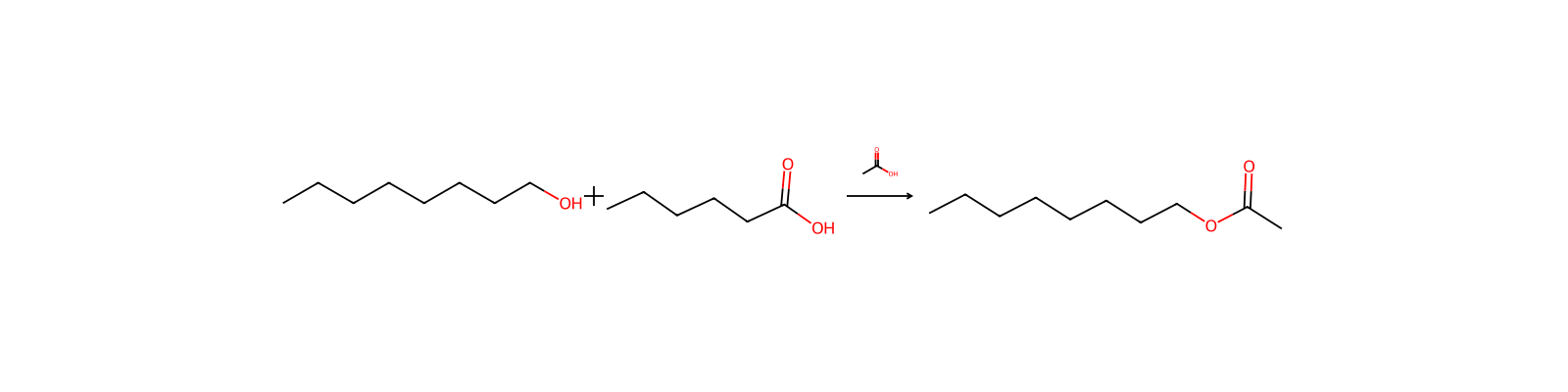
Zugehörige Reaktionen
368




Verknüpfte Notizen
Wird geladen…