
2-Fluorphenol
2-Fluorophenol
Daten werden ergänzt – lade die Seite später neu, um den aktuellen Stand zu sehen

Grundinformationen
- CAS
367-12-4- Standard-SMILES
Oc1ccccc1F- InChIKey
HFHFGHLXUCOHLN-UHFFFAOYSA-N- Summenformel
- C6H5FO
- Durchschnittliche Molmasse
- 112,1 g/mol
- Monoisotopische Masse
- 112,032443
Überblick
2-fluorophenol appears as liquid or crystalline solid melting at 14-16 °C. Corrosive. Density 1.246 g / cm3.
Namen und Bezeichner
- Bevorzugter Name
- 2-Fluorophenol
- IUPAC
- 2-fluorophenol
- Lokaler Name
- 2-Fluorphenol
- Englischer Name
- 2-Fluorophenol
- Summenformel
- C6H5FO
- Molmasse
- 112.1
Namen und Synonyme
2-FLUOROPHENOL367-12-4o-FluorophenolPhenol, 2-fluoro-1-Fluoro-2-hydroxybenzenePhenol, o-fluoro-DTXSID0047745I9OW1NLY9RNSC-10294DTXCID0027729RefChem:472648206-681-2
Weitere Namen anzeigen
1-Bromo-3-fluorobezeneuorophenoL2-Florophenol2-Flurophenolo-fluoro-pheno2-fluoro-pheno2-Fluorophenole2-Fluorophenol f
Fluorophenol2-fluoro-phenolMFCD000021552-fluorohydroxybenzenePhenol, fluoro-CCRIS 1226EINECS 206-681-2UNII-I9OW1NLY9R
Datenbank-Bezeichner
- CAS
367-12-4- PubChem CID
- 9707
- DTXSID
DTXSID0047745- ChEMBL
CHEMBL224144- UNII
- I9OW1NLY9R
- EC Number
- 206-681-2
- Nikkaji
- J110.443H
Eigenschaften
Berechnete StruktureigenschaftenWird ergänzt
- XLogP
- 1,7
- Polarare Oberfläche (TPSA)
- 20,2 Ų
- H-Brücken-Donoren
- 1
- H-Brücken-Akzeptoren
- 2
- Frei drehbare Bindungen
- 0
- Schwere Atome
- 8
- Formalladung
- 0
- Komplexität
- 74,9
Experimentelle und physikochemische Eigenschaften
Chemical ClassesOther Classes -> Phenols
SpringerMaterials Properties13C nuclear magnetic resonance spectrum
LogP1.71
Boiling Point304 to 306 °F at 760 mmHg (NTP, 1992)
Melting Point61 °F (NTP, 1992)
Vapor Pressure1.19 [mmHg]
Physical Description
2-fluorophenol appears as liquid or crystalline solid melting at 14-16 °C. Corrosive. Density 1.246 g / cm3.
Liquid or solid; mp = 14-16 deg C; [CAMEO] Colorless liquid; [MSDSonline]
Physikochemische Eigenschaften
- Schmelzpunkt
- 16.1 °C · 16.1 °C (lit.)
- Siedepunkt
Sicherheit und Regulatorisches
Sicherheitsangaben dienen nur zur Orientierung und ersetzen weder das Sicherheitsdatenblatt (SDB) des Lieferanten noch geltende Vorschriften oder eine fachliche Bewertung.
GHS-Klassifizierung
GHS Classification
This chemical does not meet GHS hazard criteria for 3.3% (1 of 30) of reports.
Danger
H226 (96.7%): Flammable liquid and vapor [Warning Flammable liquids]
P210, P233, P240, P241, P242, P243, P260, P261, P264, P264+P265, P270, P271, P280, P301+P317, P301+P330+P331, P302+P352, P302+P361+P354, P303+P361+P353, P304+P340, P305+P351+P338, P305+P354+P338, P316, P317, P319, P321, P330, P332+P317, P337+P317, P362+P364, P363, P370+P378, P403+P233, P403+P235, P405, and P501 (click each P-code to see the statement)
Aggregated GHS information provided per 30 reports by companies from 12 notifications to the ECHA C&L Inventory. Each notification may be associated with multiple companies.
Gefahrenhinweise
Regulatory Information
Chemical: Phenol, 2-fluoro-
2-Fluorophenol: Does not have an individual approval but may be used under an appropriate group standard
DOT LabelCombustible Liquid
Fire HazardsExcerpt from ERG Guide 128 [Flammable Liquids (Water-Immiscible)]:
Health HazardsACUTE/CHRONIC HAZARDS: Toxic and irritant. (NTP, 1992)
Hazards SummaryAn irritant; [CAMEO] A skin and eye irritant; [eChemPortal: ERMA] An irritant; [MSDSonline]
Reactive GroupPhenols and Cresols
Reactivity AlertsHighly Flammable
Reactivity Profile
Chemie und Industrie
Verwendung und Herstellung
General Manufacturing InformationPhenol, 2-fluoro-: ACTIVE
Vor- und nachgelagerte Produkte
Vorgelagerte Rohstoffe
Nachgelagerte Produkte
Zugehörige Reaktionen
266


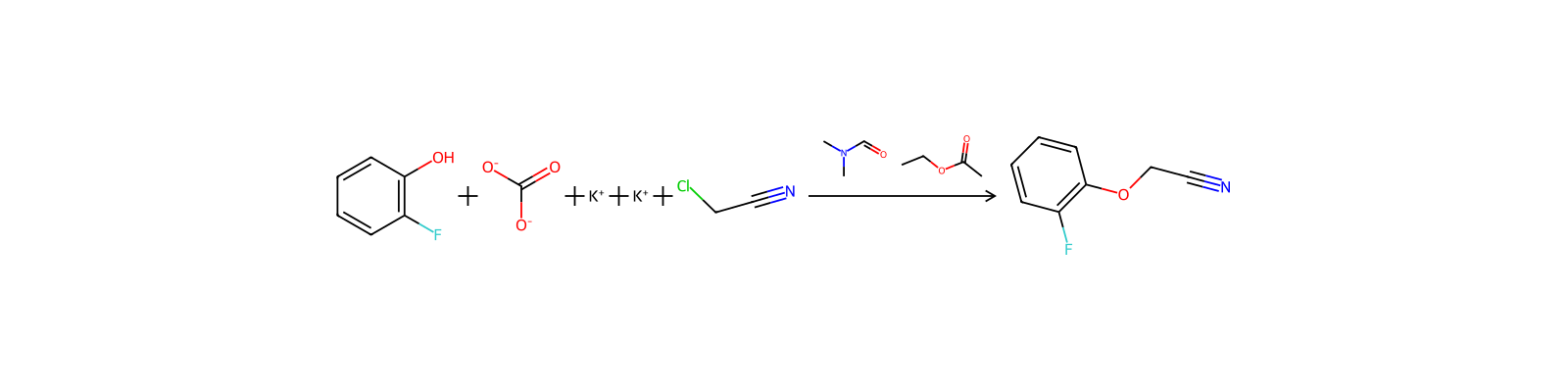


Notizen zur Verbindung
Wird geladen…