Bis(dibenzylideneacetone)palladium
Daten werden ergänzt – lade die Seite später neu, um den aktuellen Stand zu sehen

Grundinformationen
- CAS
51364-51-3- Standard-SMILES
O=C(/C=C/c1ccccc1)/C=C/c1ccccc1.O=C(/C=C/c1ccccc1)/C=C/c1ccccc1.O=C(/C=C/c1ccccc1)/C=C/c1ccccc1.[Pd].[Pd]- InChIKey
CYPYTURSJDMMMP-WVCUSYJESA-N- Summenformel
- C51H42O3Pd2
- Durchschnittliche Molmasse
- 915,7 g/mol
- Monoisotopische Masse
- 914,12036
Namen und Bezeichner
- Bevorzugter Name
- Bis(dibenzylideneacetone)palladium
- IUPAC
- tris((1E,4E)-1,5-diphenylpenta-1,4-dien-3-one);bis(palladium)
- Englischer Name
- Tris(dibenzylideneacetone)dipalladium
- Summenformel
- C51H42O3Pd2
- Molmasse
- 915.71738
Namen und Synonyme
Bis(dibenzylideneacetone)palladiumRefChem:56904551364-51-3Tris(dibenzylideneacetone)dipalladium(0)tris(dibenzylideneacetone)dipalladiumpd2(dba)360748-47-2Pd2dba3MFCD00013310Tris(Dibenzylideneacetone)dipalladium (0)TRIS(DIBENZYLIDENEACETONYL)BIS-PALLADIUMTRIS DBA
Weitere Namen anzeigen
(DBA)3PD2Tris(dibenzylideneacetone)palladiumPd2(dbba)3Pd2(dibenzylideneacetone)3tris(1,5-diphenylpenta-1,4-dien-3-one) dipalladiumTris(dibenzylideneacTris(dibenzylidenaceTone) dipalladium (O)Bis(dibenzylideneacetone)palladium(0)~Pd_2(dba)_3Tris(dibenzylideneacetone)dipalladiuM (0), Pd2(dba)3
tris(dibenzylideneacetone) dipalladium(0)tris((1E,4E)-1,5-diphenylpenta-1,4-dien-3-one) dipalladiumtris[dibenzylideneacetone]dipalladium (0)tris-(dibenzylideneacetone)dipalladiumC51H42O3Pd2Tris(dibezylideneacetone)dipalladiumPd2 dba3tris(dibenzylideneacetone)dipalladium (o)
Eigenschaften
Berechnete StruktureigenschaftenWird ergänzt
- Polarare Oberfläche (TPSA)
- 51,2 Ų
- H-Brücken-Donoren
- 0
- H-Brücken-Akzeptoren
- 3
- Frei drehbare Bindungen
- 12
- Schwere Atome
- 56
- Formalladung
- 0
- Komplexität
- 272
Physikochemische Eigenschaften
- Schmelzpunkt
- 152 · 152-155°C
- storage temp.
- 2 · 2-8°C
- Löslichkeit
- Soluble in chlorinated solvents, benzene and THF.
- Aggregatzustand
- Fine Crystalline Powder
- Farbe
- Purple to black
- Wasserlöslichkeit
- insoluble
- InChI
- InChI=1S/3C17H14O.2Pd/c3*18-17(13-11-15-7-3-1-4-8-15)14-12-16-9-5-2-6-10-16;;/h3*1-14H;;/b3*13-11+,14-12+;;
- InChIKey
- IBXMKLPFLZYRQZ-VCHVFRDLSA-N
- SMILES
- [Pd].[Pd].O=C(\C=C\c1ccccc1)/C=C/c2ccccc2.O=C(\C=C\c3ccccc3)/C=C/c4ccccc4.O=C(\C=C\c5ccccc5)/C=C/c6ccccc6
- CAS Datenbank
- 51364 · 51364-51-3(CAS DataBase Reference)
Sicherheit und Regulatorisches
Sicherheitsangaben dienen nur zur Orientierung und ersetzen weder das Sicherheitsdatenblatt (SDB) des Lieferanten noch geltende Vorschriften oder eine fachliche Bewertung.
Toxikologische Informationen
Health EffectsContact with palladium may cause palladium sensitivity and allergy. Animal studies have shown that palladium may damage the liver and kidney. (L798)
Toxicity Summary
Due to their ability to form strong complexes with both inorganic and organic ligands, palladium ions can disturb cellular equilibria, replace other essential ions, and interact with functional groups of macromolecules, such as proteins or DNA. Palladium complexes binding to DNA and RNA leads to strand breakage. Palladium ions are able to inhibit most major cellular functions, including DNA and RNA synthesis. Palladium compounds have been shown to bind to and inhibit various enzymes, including creatine kinase and prolyl hydroxylase. (L798)
Signs and SymptomsSkin contact with palladium may cause contact dermatitis, erythema, and oedema. (L798)
Carcinogen ClassificationNo indication of carcinogenicity to humans (not listed by IARC).
Sicherheitsdaten
- wgk
- 3
- tsca
- No
- hs_code
- 2843900090
- risk_code
- 20/22-36-40
- hazard_code
- Xn
- safety_code
- 24/25-36/37
- Speicherklasse
- 11 - Combustible Solids
- Hazard Classifications
- Aquatic Chronic 2Skin Sens. 1
Chemie und Industrie
Pharmakologische Informationen
Metabolism/Metabolites
Palladium may be absorbed through oral, dermal, and inhalation exposure. Once in the body it distributes to the kidney, liver, spleen, lymph nodes, adrenal gland, lung and bone. Palladium's ability to form complexes allows it the bind to amino acids, proteins, DNA, and other macromolecules. Palladium and its metabolites are excreted in the urine and faeces. (A21)
Anwendungen
VerwendenTris(dibenzylideneacetone)dipalladium is used in the preparation of semiconducting polymers processed from nonchlorinated solvents into high performance thin film transistors. It is also used as a semiconductor in the synthesis of polymer bulk-heterojunction solar cells.
Darstellung
synthetischeFirst reported in 1970,Tris(dibenzylideneacetone)dipalladium(0) is prepared from dibenzylideneacetone and sodium tetrachloropalladate. Because it is commonly recrystallized from chloroform, the complex is often supplied as the adduct [Pd2(dba)3·CHCl3].The purity of samples can be variable.
Vor- und nachgelagerte Produkte
Vorgelagerte Rohstoffe
Nachgelagerte Produkte
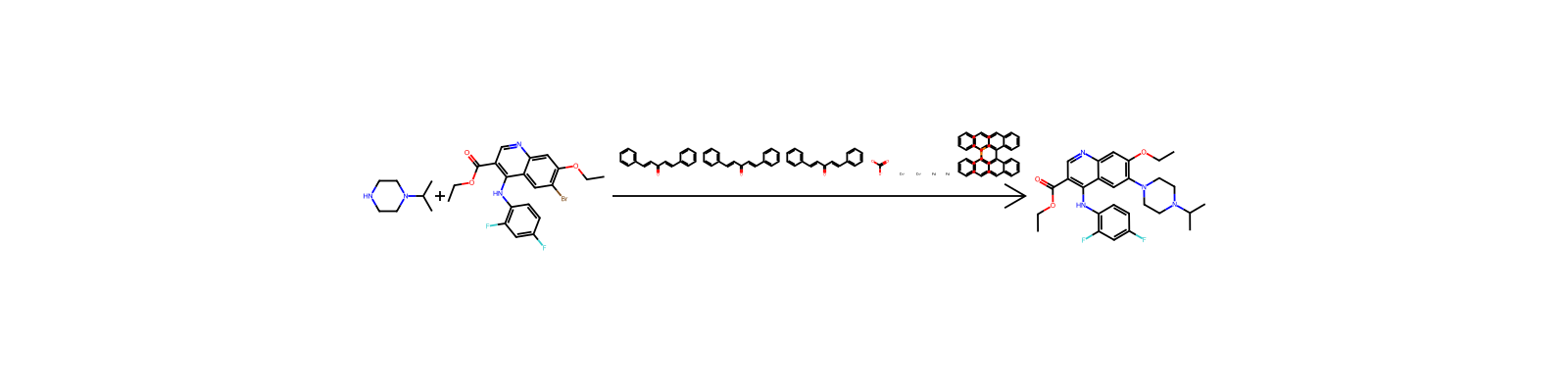
Zugehörige Reaktionen
10.851
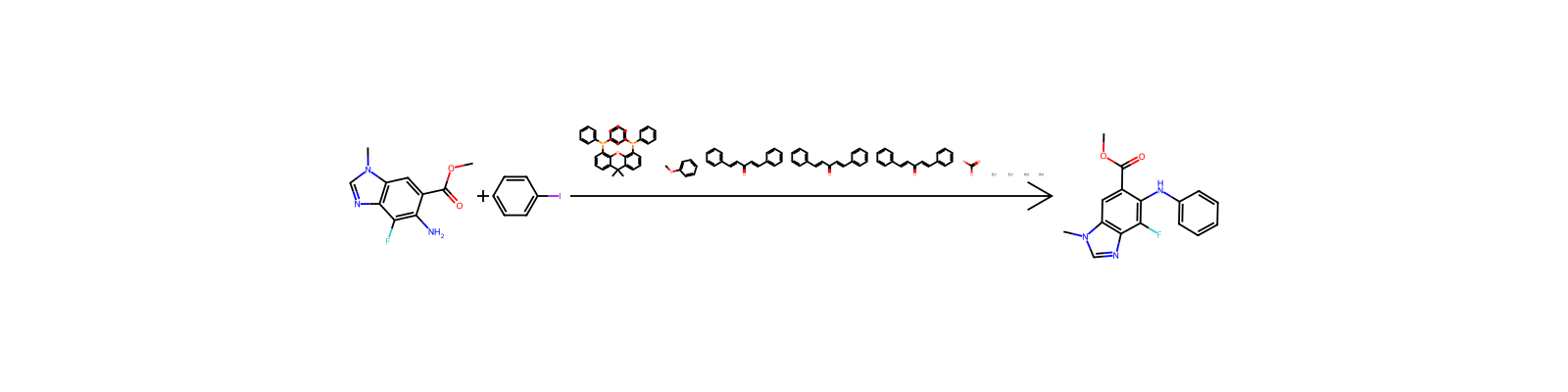
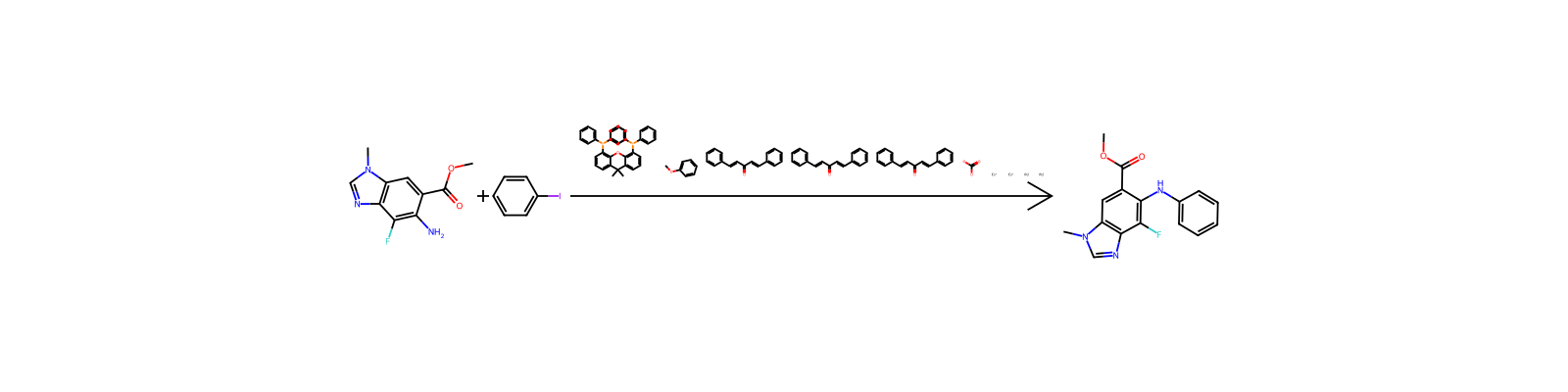
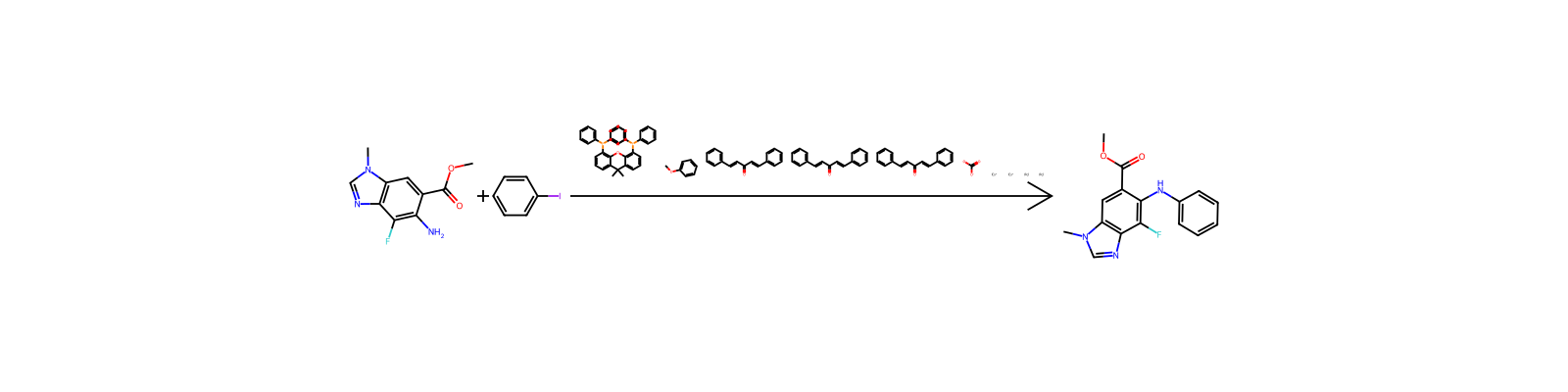
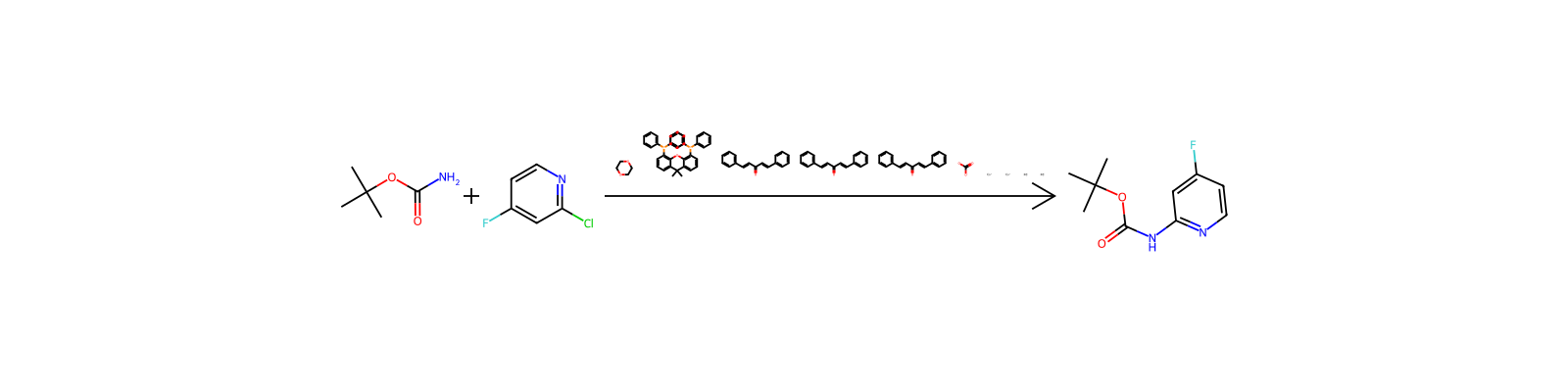
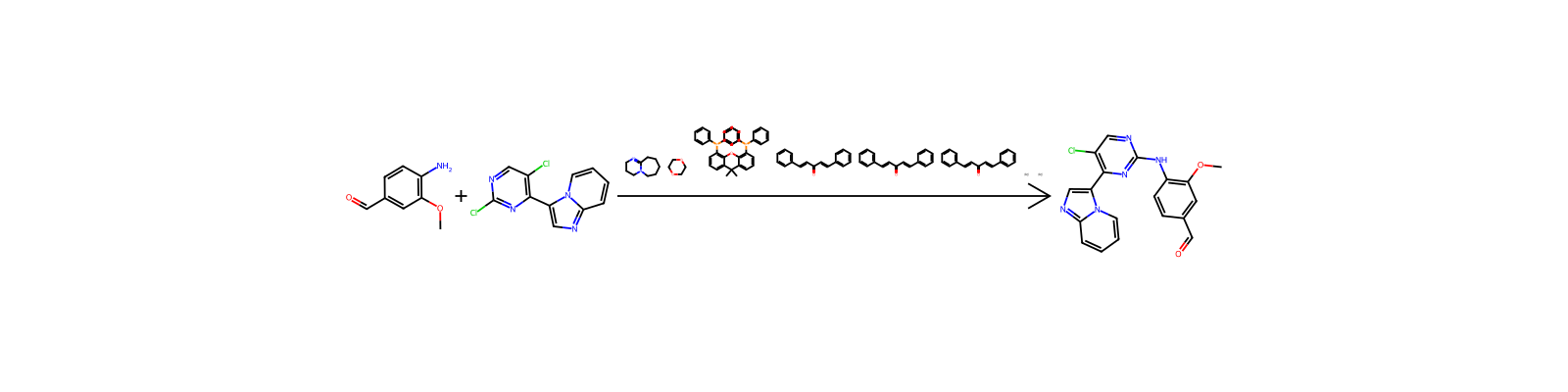
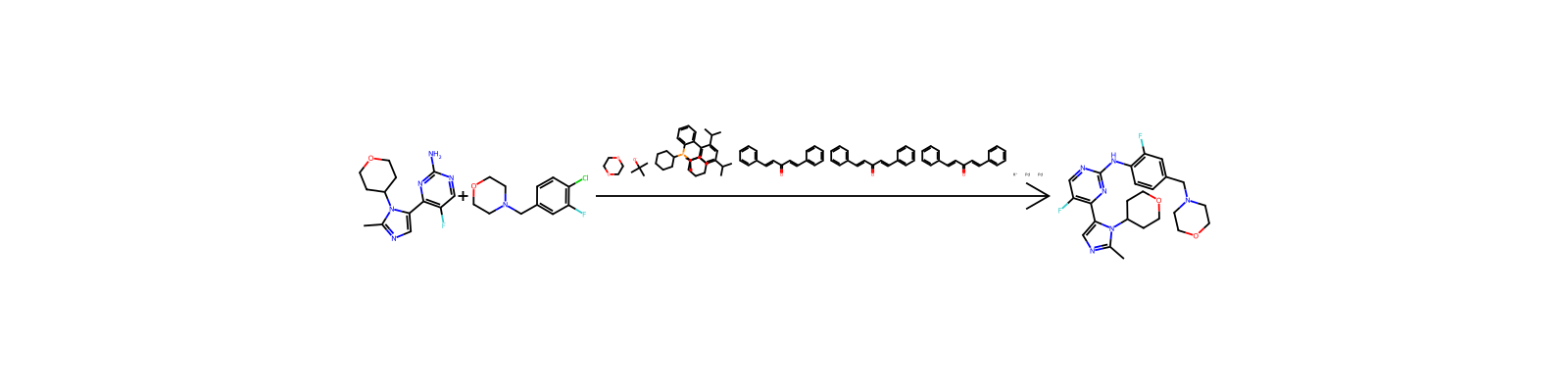

Notizen zur Verbindung
Wird geladen…