
Zinkhydroxid
Zinc Hydroxide

Grundinformationen
- CAS
20427-58-1- Standard-SMILES
[OH-].[OH-].[Zn+2]- InChIKey
UGZADUVQMDAIAO-UHFFFAOYSA-L- Summenformel
- H2O2Zn
- Durchschnittliche Molmasse
- 99,4 g/mol
- Monoisotopische Masse
- 97,934621
Überblick
The CIR Expert Panel concluded that the following 27 zinc salts are safe in cosmetics in the present practices of use and concentration described in this safety assessment when formulated to be non-irritating...Zinc Hydroxide...
Namen und Bezeichner
- Bevorzugter Name
- Zinc Hydroxide
- IUPAC
- zinc dihydroxide
- Lokaler Name
- Zinkhydroxid
- Englischer Name
- Zinc hydroxide
- Summenformel
- H2O2Zn
- Molmasse
- 99.41
Namen und Synonyme
ZINC HYDROXIDEZinc dihydroxideOXK3V8KJ7LDTXSID7042516RefChem:904951zinc(2+) ion dihydroxideDTXCID5022516243-814-320427-58-1Zinc hydroxide (Zn(OH)2)ZINCHYDROXIDEMFCD00049620
Weitere Namen anzeigen
znmc hydroxideZinc dihydoxidezincdihydroxidezinchydroxide(zn(oh)2)Zinc oxide ammonia complexZinc hydroxide≥ 99% (Assay)ZINC HYDROXIDE ISO 9001:2015 REACH
Zinc hydroxide [VANDF]SCHEMBL19509AKOS015833777NS00084213F510145Q204820
Datenbank-Bezeichner
- CAS
20427-58-1- PubChem CID
- 9812759
- DTXSID
DTXSID7042516- UNII
- OXK3V8KJ7L
- EC Number
- 243-814-3
- Nikkaji
- J134.217G
Eigenschaften
Berechnete Struktureigenschaften
- Polarare Oberfläche (TPSA)
- 2 Ų
- H-Brücken-Donoren
- 2
- H-Brücken-Akzeptoren
- 2
- Frei drehbare Bindungen
- 0
- Schwere Atome
- 3
- Formalladung
- 0
- Komplexität
- 0
Experimentelle und physikochemische Eigenschaften
Chemical ClassesMetals -> Metals, Inorganic Compounds
CosmeticsCosmetic ingredients (Zinc Hydroxide) -> CIR (Cosmetic Ingredient Review)
Food Contact SubstancesFCS -> FDA Inventory of Food Contact Substances Listed in 21 CFR
Physical Description
Liquid; Wet Solid
Colorless solid; [Hawley] White odorless powder; [MSDSonline]
Physikochemische Eigenschaften
- Schmelzpunkt
- 125 · 125, decomposes [HAW93]
- Dichte
- 3.05 · 3.050
- Dampfdruck
- 0 Pa · 0Pa at 20℃
- storage temp.
- Store at room temperature, keep dry and cool
- Aggregatzustand
- colorless orthorhombic crystals
- Farbe
- colorless orthorhombic crystals, crystalline
- PH
- 8.88 · 8.88(1 mM solution);8.88(10 mM solution);8.88(100 mM solution)
Sicherheit und Regulatorisches
Sicherheitsangaben dienen nur zur Orientierung und ersetzen weder das Sicherheitsdatenblatt (SDB) des Lieferanten noch geltende Vorschriften oder eine fachliche Bewertung.
GHS-Klassifizierung
GHS Classification
This chemical does not meet GHS hazard criteria for 3.2% (11 of 348) of reports.
Warning
H315 (18.1%): Causes skin irritation [Warning Skin corrosion/irritation]
P264, P264+P265, P273, P280, P302+P352, P305+P351+P338, P321, P332+P317, P337+P317, P362+P364, P391, and P501 (click each P-code to see the statement)
Aggregated GHS information provided per 348 reports by companies from 11 notifications to the ECHA C&L Inventory. Each notification may be associated with multiple companies.
Gefahrenhinweise
Regulatory Information
Chemical: Zinc hydroxide (Zn(OH)2)
Zinc hydroxide (Zn(OH)2) is listed on the EPA's Chemical Data Reporting (CDR) system. Manufacturers and importers of Zinc hydroxide (Zn(OH)2) are required to report information about their production and use of this chemical to the EPA under the Toxic Substances Control Act (TSCA). (40 eCFR Part 711)
REACH registered substance: Zinc hydroxide (EC: 243-814-3)
Zinc hydroxide: Does not have an individual approval but may be used under an appropriate group standard
Hazards SummaryAn irritant; [MSDSonline] See Zinc.
Hazard Classes and CategoriesSkin Irrit. 2 (18.1%)
Sicherheit und Schutzausrüstung
Exposure Control and Personal Protection0.1 [mg/m3] (respirable fraction), 2 mg/m3 (inhalable fraction) for Zn inorg. cmpnds[German Research Foundation (DFG)]
Minimum Risk Level
Chemie und Industrie
Pharmakologische Informationen
Metabolism/Metabolites
Zinc can enter the body through the lungs, skin, and gastrointestinal tract. Intestinal absorption of zinc is controlled by zinc carrier protein CRIP. Zinc also binds to metallothioneins, which help prevent absorption of excess zinc. Zinc is widely distributed and found in all tissues and tissues fluids, concentrating in the liver, gastrointestinal tract, kidney, skin, lung, brain, heart, and pancreas. In the bloodstream zinc is found bound to carbonic anhydrase in erythrocytes, as well as bound to albumin, _2-macroglobulin, and amino acids in the the plasma. Albumin and amino acid bound zinc can diffuse across tissue membranes. Zinc is excreted in the urine and faeces. (L49)
Verwendung und Herstellung
Uses
CIR ingredient: Zinc Hydroxide
Used in chemical production, surgical dressings (absorbent), and rubber compounding; [Hawley]
Zinc hydroxide is used in surgical dressings. (L68)
U.S. Production2023: 5,000,000 - <10,000,000 lb
Consumer UsesSoil amendments (fertilizers)
Industry UsesOther
General Manufacturing Information
Miscellaneous Manufacturing
Zinc hydroxide (Zn(OH)2): ACTIVE
Anwendungen
VerwendenIntermediate, absorbent in surgical dressings, rubber compounding.
Darstellung
synthetischeThe compound is prepared by adding a strong alkali to a solution of zinc sulfate or chloride: ZnSO4 + 2NaOH → Zn(OH)2 + Na2SO4.
Zugehörige Reaktionen
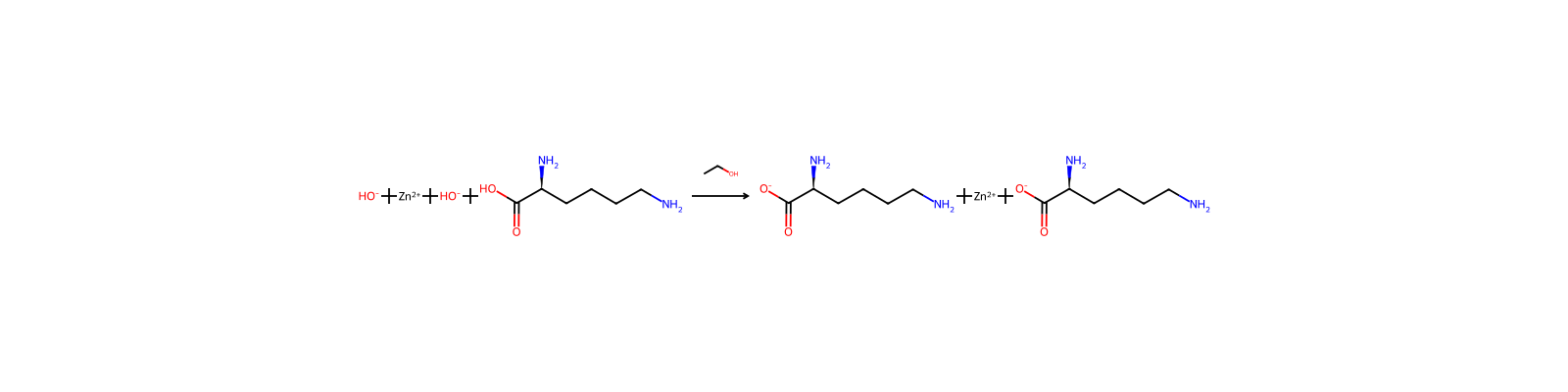
8






Notizen zur Verbindung
Wird geladen…