4-Methylbrenzcatechin
4-Methylcatechol

Grundinformationen
- CAS
452-86-8- Standard-SMILES
Cc1ccc(O)c(O)c1- InChIKey
ZBCATMYQYDCTIZ-UHFFFAOYSA-N- Summenformel
- C7H8O2
- Durchschnittliche Molmasse
- 124,14 g/mol
- Monoisotopische Masse
- 124,05242949
Überblick
4-methylcatechol is a methylcatechol having a single methyl substituent at the 4-position. It has been isolated from Picea abies. It has a role as an antioxidant, a carcinogenic agent, a hapten, a plant metabolite and a human metabolite.
Namen und Bezeichner
- Bevorzugter Name
- 4-Methylcatechol
- IUPAC
- 4-methylbenzene-1,2-diol
- Lokaler Name
- 4-Methylbrenzcatechin
- Englischer Name
- 4-Methylcatechol
- Summenformel
- C7H8O2
- Molmasse
- 124.14
Namen und Synonyme
4-Methylcatechol452-86-84-methylbenzene-1,2-diol3,4-DihydroxytolueneHomocatechol4-Methyl-1,2-benzenediolHomopyrocatecholp-MethylcatecholToluene-3,4-diol1,2-Benzenediol, 4-methyl-1,2-Dihydroxy-4-methylbenzenep-Methylpyrocatechol
Weitere Namen anzeigen
4-METHYLPYROCATECHOL4-Methycatechol4-Methylcatehol
4-Methyl-1,2-dihydroxybenzenePyrocatechol, 4-methyl-2-Hydroxy-4-methylphenolDTXSID5020861CHEBI:1725412GLI7JGB3DTXCID30861NSC-17489
Datenbank-Bezeichner
- CAS
452-86-8- PubChem CID
- 9958
- DTXSID
DTXSID5020861- ChEMBL
CHEMBL158766- ChEBI
CHEBI:17254- UNII
- 12GLI7JGB3
- EC Number
- 207-214-5
- Nikkaji
- J5.755J
Eigenschaften
Berechnete Struktureigenschaften
- XLogP
- 1,4
- Polarare Oberfläche (TPSA)
- 40,5 Ų
- H-Brücken-Donoren
- 2
- H-Brücken-Akzeptoren
- 2
- Frei drehbare Bindungen
- 0
- Schwere Atome
- 9
- Formalladung
- 0
- Komplexität
- 92,9
Experimentelle und physikochemische Eigenschaften
Chemical ClassesOther Classes -> Phenols
DrugsPharmaceuticals -> Listed in ZINC15
SpringerMaterials PropertiesBoiling point
LogP
1.37
1.37
Melting Point65 °C
Vapor Pressure0.0028 [mmHg]
Physical Description
White or light brown solid; [Alfa Aesar MSDS]
Solid
Ionization Efficiency
Positive
-0.28
2.7
Agilent XCT
Electrospray ionization
formic acid (5.3nM)
Collision Cross Section
121 Ų [M-H]- [CCS Type: DT; Method: single field calibrated with ESI Low Concentration Tuning Mix (Agilent)]
Sicherheit und Regulatorisches
Sicherheitsangaben dienen nur zur Orientierung und ersetzen weder das Sicherheitsdatenblatt (SDB) des Lieferanten noch geltende Vorschriften oder eine fachliche Bewertung.
GHS-Klassifizierung
GHS Classification
Warning
H302 (11.9%): Harmful if swallowed [Warning Acute toxicity, oral]
P261, P264, P264+P265, P270, P271, P280, P301+P317, P302+P352, P304+P340, P305+P351+P338, P317, P319, P321, P330, P332+P317, P337+P317, P362+P364, P403+P233, P405, and P501 (click each P-code to see the statement)
Aggregated GHS information provided per 59 reports by companies from 9 notifications to the ECHA C&L Inventory. Each notification may be associated with multiple companies.
Gefahrenhinweise
Regulatory Information4-Methylcatechol: Does not have an individual approval but may be used under an appropriate group standard
Hazards SummaryA skin and strong eye irritant; Harmful by inhalation; Toxic by ingestion and skin absorption; [Alfa Aesar MSDS] See Catechol.
Hazard Classes and CategoriesAcute Tox. 4 (11.9%)
Sicherheitsdaten
- wgk
- 3
- ridadr
- 2811
- hs_code
- 29072990
- RTECS-Nr.
- UX1915000
- risk_code
- 36/37/38
- hazard_code
- Xi
- safety_code
- 26-36
- hazard_class
- 6.1(b)
- packing_group
- III
- Speicherklasse
- 11 - Combustible Solids
Chemie und Industrie
Pharmakologische Informationen
Metabolism/Metabolites4-methyl-hydroquinone is a known human metabolite of 4-Methylphenol.
MeSH Pharmacological Classification
Naturally occurring or synthetic substances that inhibit or retard oxidation reactions. They counteract the damaging effects of oxidation in animal tissues.
Substances that increase the risk of NEOPLASMS in humans or animals. Both genotoxic chemicals, which affect DNA directly, and nongenotoxic chemicals, which induce neoplasms by other mechanism, are included.
Drugs intended to prevent damage to the brain or spinal cord from ischemia, stroke, convulsions, or trauma. Some must be administered before the event, but others may be effective for some time after. They act by a variety of mechanisms, but often directly or indirectly minimize the damage produced by endogenous excitatory amino acids.
Anwendungen
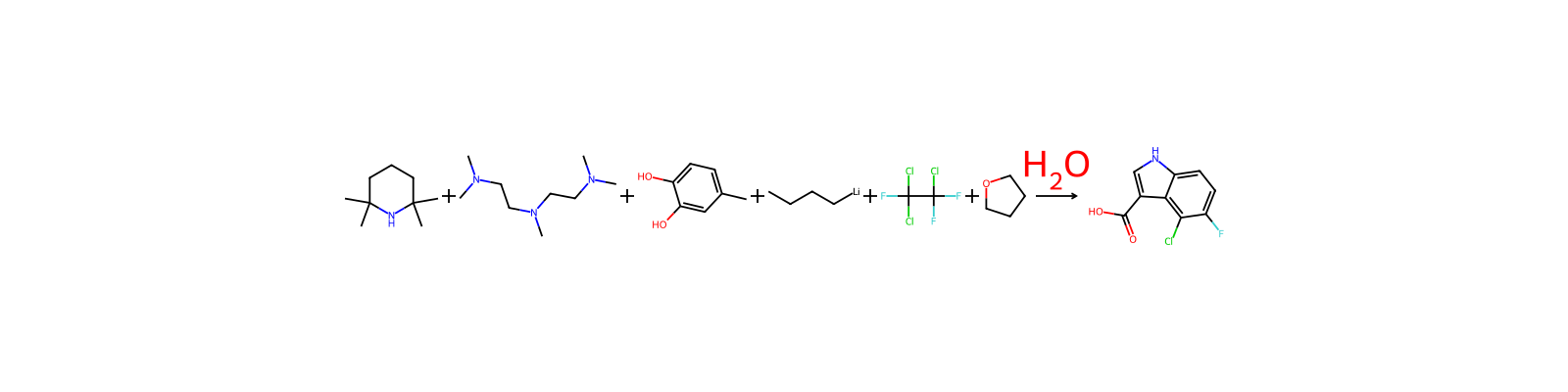
Verwenden4-Methylcatechol is used to synthesize antimicrobial, antioxidant. It also acts as effective inhibitor. It can be used to produce 4-bromo-5-methyl-pyrocatechol. It Increases Brain-Derived Neurotrophic Factor Content and mRNA Expression in Cultured Brain Cells and in Rat Brain In Vivo.
Vor- und nachgelagerte Produkte
Vorgelagerte Rohstoffe
Nachgelagerte Produkte
Zugehörige Reaktionen
43


Notizen zur Verbindung
Wird geladen…