
HRID 8566als Edukt
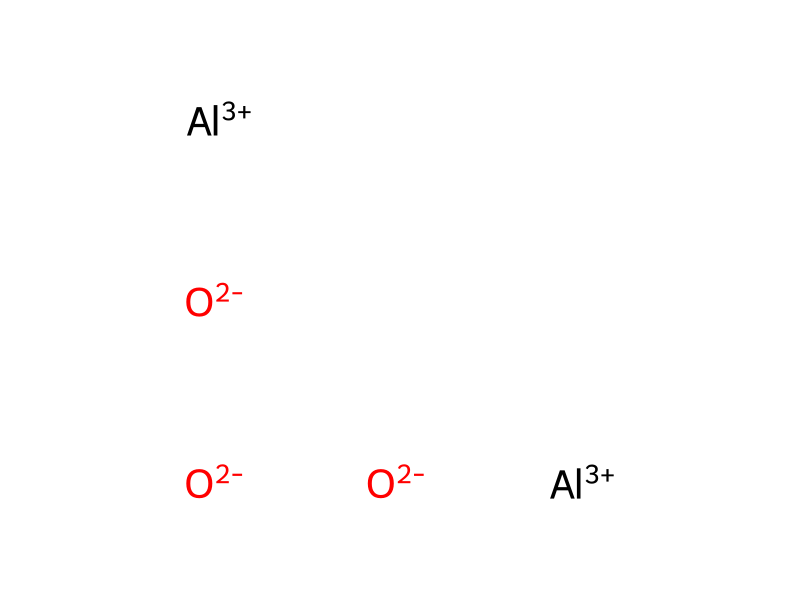
12174-49-1[Al+3].[Al+3].[O-2].[O-2].[O-2]PNEYBMLMFCGWSK-UHFFFAOYSA-NAluminum oxide is a white odorless crystalline powder. Water insoluble. Properties (both physical and chemical) vary according to the method of preparation; different methods give different crystalline modifications. The variety formed at very high temperature is quite inert chemically. alpha-Alumina is the main component of technical grade alumina. Corundum is natural aluminum oxide. Emery is an impure crystalline variety of aluminum oxide. (NIOSH, 2024)
12174-49-1、1344-28-1、39377-45-2、90669-62-8DTXSID1052791CHEMBL4594252Cosmetic ingredients (Alumina) -> CIR (Cosmetic Ingredient Review)
Opacifying; Abrasive; Viscosity controlling
4 (NIOSH, 2024) - Denser than water; will sink
Density: 3.4-4.0
Soft white powder; transforms to corundum at 1200 °C; density: 3.97 g/cu cm; insoluble in water; soluble in acid; slightly soluble in alkaline solutions /Gamma-alumina/
3.97 g/cm³
4
3.99 @25 °C
White crystalline powder
White powder, balls or lumps or various mesh
Insoluble (NIOSH, 2024)
Sicherheitsangaben dienen nur zur Orientierung und ersetzen weder das Sicherheitsdatenblatt (SDB) des Lieferanten noch geltende Vorschriften oder eine fachliche Bewertung.
This chemical does not meet GHS hazard criteria for 92.8% (2917 of 3142) of all reports.
Not Classified
Aggregated GHS information provided per 3142 reports by companies from 48 notifications to the ECHA C&L Inventory.
Warning
H335 (100%): May cause respiratory irritation [Warning Specific target organ toxicity, single exposure; Respiratory tract irritation]
P261, P271, P304+P340, P319, P403+P233, P405, and P501 (click each P-code to see the statement)
Chemical: Aluminium oxide (Al2O3)
Aluminum oxide (Al2O3) is listed on the EPA's Chemical Data Reporting (CDR) system. Manufacturers and importers of Aluminum oxide (Al2O3) are required to report information about their production and use of this chemical to the EPA under the Toxic Substances Control Act (TSCA). (40 eCFR Part 711)
REACH registered substance: Aluminium oxide (EC: 215-691-6)
Aluminium oxide (Al2O3): Does not have an individual approval but may be used under an appropriate group standard
Alumina is converted into aluminum by electrolytic reduction. Primary aluminum production facilities contain rows of reduction cells or pots located in potrooms. [Burgess, p. 14] Aluminum oxide is found in nature as bauxite (Al2O3.2H2O). Corundum is manufactured by fusing bauxite in a furnace. Some crystalline silica may be found in bauxite and corundum. The severe pulmonary fibrosis observed historically in bauxite workers and potroom workers has been primarily attributed to the concurrent exposure to crystalline silica. [CHEMINFO] An irritant of the skin, eyes, and respiratory tract; [CAMEO] There is no evidence of an association between exposure to alumina and the reporting of respiratory symptoms but some evidence for an effect on lung function. [PMID 32944994] See Aluminum.
D - Dermatologicals
QD - Dermatologicals
... Six 8 wk old female Swiss Webster mice were fed for 10 weeks purified diets containing 100 (control), 500 or 1000 ug aluminum/g diet. Brain and liver lipid peroxidation was determined by evaluating the production of 2-thiobarbituric acid reactive substances in brain and liver homogenates in the presence or absence of 50 uM ferrous iron. 2-Thiobarbituric acid reactive substances production in the absence of iron in brain homogenates from mice fed the 1000 ... ug/g diet was higher (30%) than that in the ... control group (3.1 vs 2.4 nmol 2-thiobarbituric acid reactive substances/mg protein). The addition of ferrous iron increased 2-thiobarbituric acid reactive substances production in brain homogenates from all 3 dietary groups. The iron induced 2-thiobarbituric acid reactive substances production was 26% higher in the 1000 ... ug/g /group/ brain homogenates than in the ... /control/ group (4.9 vs 3.9 nmol 2-thiobarbituric acid reactive subtances/mg protein). Brain 2-thiobarbituric acid reactive substances production in the presence and absence of iron was similar between the 100 and 500 ... ug/g /diet/ groups. 2-Thiobarbituric acid reactive substances production in liver homogenates measured either with or without iron was similar for the 3 groups. These results show that, in mice, dietary aluminum intoxication leads to increased brain 2-thiobarbituric acid reactive substance production, suggesting that enhanced lipid peroxidation may be one possible mechanism underlying the neurological damage associated with increased tissue aluminum. /Aluminum/
Evidence is presented indicating that dementias are associated with a relative insufficiency of magnesium in the brain. Such insufficiency may be attributable to low intake or retention of magnesium; high intake of a neurotoxic metal, such a aluminum, which inhibits activity of magnesium requiring enzymes; or impaired transport of magnesium and/or enhanced transport of the neurotoxic metal into brain tissue. It is proposed that Alzheimer's disease involves a defective transport process, characterized by both an abnormally high incorporation of aluminum and an abnormally low incorporation of magnesium into brain neurons. The hypothesis has advanced that an altered serum protein contributes to the progression of Alzheimer's disease by having a greater affinity for aluminum than for magnesium, in contrast to the normal protein, which binds magnesium better than aluminum. The altered protein crosses the blood-brain barrier more efficiently than the normal protein and competes with the normal protein in binding to brain neurons. Binding of the altered protein to the target neurons would both facilitate aluminum uptake and impede magnesium uptake. Evidence suggests that albumin is the serum protein that is altered. /Aluminum/






Difficult solubility in mineral acids and strong alkali
Insoluble in water
Solubility in water: none
Insoluble
5396 °F at 760 mmHg (NIOSH, 2024)
2977 °C
3000 °C
5396 °F
2977 °C @760 [mm Hg]
5396 °F
3632 °F (NIOSH, 2024)
2030 °C
2054 °C
3632 °F
2072 °C
3632 °F
0 mmHg (approx) (NIOSH, 2024)
Vapor pressures: 100 Pa at 2122 °C; 1 kPa at 2351 °C; 10 kPa at 2629 °C; 100 kPa at 2975 °C
1 mm Hg at 2158 °C
0 mmHg (approx)
7.5 [mm Hg] @2351 °C
0 mmHg (approx)
Krewski D et al; Human Health Risk Assessment for Aluminum, Aluminum Oxide, and Aluminum Hydroxide, J Toxicol Environ Health B Crit Rev. 2007 ; 10(Suppl 1): 1-269. doi:10.1080/10937400701597766, is an NIH Public Access Author Manuscript that is a compendium of information on aluminium compounds used in industrial settings, and as pharmaceuticals, food additives, cosmetics and as other household products.
ATSDR; Toxicological Profile for Aluminum, 357 pp., September 2008. The ATSDR toxicological profile identifies and reviews the key literature that describes a hazardous substance's toxicologic properties. Other pertinent literature is presented in less detail.[Available from, as of June 15, 2010: http://www.atsdr.cdc.gov/ToxProfiles/tp22.pdf]
Residues of aluminum oxide are exempted from the requirement of a tolerance when used as a diluent in accordance with good agricultural practices as inert (or occasionally active) ingredients in pesticide formulations applied to growing crops or to raw agricultural commodities after harvest.
Permissible Exposure Limit: Table Z-1 8-hr Time Weighted Avg: 15 mg/cu m. /Total dust/
Permissible Exposure Limit: Table Z-1 8-hr Time Weighted Avg: 5 mg/cu m. /Respirable fraction/
Vacated 1989 OSHA PEL TWA 10 mg/cu m is still enforced in some states. /Total/
Vacated 1989 OSHA PEL TWA 5 mg/cu m is still enforced in some states. /Resp/
Fresh air, rest.
Rinse and then wash skin with water and soap.
First rinse with plenty of water for several minutes (remove contact lenses if easily possible), then refer for medical attention.
Rinse mouth.
Excerpt from NIOSH Pocket Guide for alpha-Alumina:
(General first aid procedures)
TIH (Toxic Inhalation Hazard) - Term used to describe gases and volatile liquids that are toxic when inhaled. Some are TIH materials themselves, e.g., chlorine, and some release TIH gases when spilled in water, e.g., chlorosilanes. [ERG 2016].
4.0 [mg/m3], (inhalable fraction), 1.5 mg/m3 (respirable fraction)[German Research Foundation (DFG)]
Do not use halocarbon extinguishers. The product itself does not burn. Wear self contained breathing apparatus for fire fighting if necessary.
In case of fire in the surroundings: all extinguishing agents allowed.
SRP: The most favorable course of action is to use an alternative chemical product with less inherent propensity for occupational harm/injury/toxicity or environmental contamination. Recycle any unused portion of the material for its approved use or return it to the manufacturer or supplier. Ultimate disposal of the chemical must consider: the material's impact on air quality; potential migration in soil or water; effects on animal and plant life; and conformance with environmental and public health regulations.
Personal protection: particulate filter respirator adapted to the airborne concentration of the substance. Sweep spilled substance into covered containers. If appropriate, moisten first to prevent dusting. Wash away remainder with plenty of water.
SRP: The scientific literature for the use of contact lenses in industry is conflicting. The benefit or detrimental effects of wearing contact lenses depend not only upon the substance, but also on factors including the form of the substance, characteristics and duration of the exposure, the uses of other eye protection equipment, and the hygiene of the lenses. However, there may be individual substances whose irritating or corrosive properties are such that the wearing of contact lenses would be harmful to the eye. In those specific cases, contact lenses should not be worn. In any event, the usual eye protection equipment should be worn even when contact lenses are in place.
SRP: Local exhaust ventilation should be applied wherever there is an incidence of point source emissions or dispersion of regulated contaminants in the work area. Ventilation control of the contaminant as close to its point of generation is both the most economical and safest method to minimize personnel exposure to airborne contaminants. Ensure that the local ventilation moves the contaminant away from the worker.
Provide appropriate exhaust ventilation at places where dust is formed.
EYES: irrigate opened eyes for several minutes under running water. INGESTION: do not induce vomiting. Rinse mouth with water (never give anything by mouth to an unconscious person). Seek immediate medical advice. SKIN: should be treated immediately by rinsing the affected parts in cold running water for at least 15 minutes, followed by thorough washing with soap and water. If necessary, the person should shower and change contaminated clothing and shoes, and then must seek medical attention. INHALATION: supply fresh air. If required provide artificial respiration.
Observations that aluminium inhalation reduced the ability of quartz to produce lung fibrosis in some experimental animals lead to its application in humans. ... Symptomatic improvement was reported in 49 nonferrous metal workers treated with metallic aluminium. Forty-three percent of those treated with hydrated aluminium oxide reported improvement compared to 30% of those treated with metallic aluminium oxide. There was no objective measure of improvement in these cases. In 1946, E. J. King & C. L. Sutherland reviewed the evidence for the use of aluminium to prevent or treat silicosis and concluded that there was no definitive evidence that aluminium prevented further development or caused reversal of established disease. ... Carefully planned and properly controlled studies were recommended. This led to an investigation that was conducted in pottery workers and coal miners of the efficacy of inhalation of 50 mg pure metallic aluminium dust, of which > 90% was respirable, for 15 minutes, 3 times weekly, for up to 3.5 years; comparison was made with inhalation of 5 mg of carbon black containing 1 mg/kg aluminium powder. No regression of the x-ray picture or improvement of functional capacity was seen.
To elucidate the interaction between aluminum and certain essential trace metals, an experiment was performed on rats fed diets with suboptimal or optimal levels of zinc or copper. Half of each group of animals were fed the same diet but with 1000 ppm aluminum added. Changes were noted after 120 days. Severe testicular damage was seen in rats fed either the low zinc or the low copper diet. The lesions included a wide range of spermatogenic cell degeneration and tubular atropy. When aluminum was added to the diet, the testicular destruction of zinc deficient rats was significantly reduced. This indicated that the presence of aluminum in the diet protected the testes against the damage cauesed by zinc deficiency. Pituitary glands were examined. Hypertrophy of basophiles was more pronounced in rats fed the suboptimal zinc or copper diet. When aluminum was added to their diet, the changes were reversed. The mechanisms by which aluminum protects male gonadal functions against zinc deficiency are discussed. This study is the first to demonstrate the preventive effect of aluminum against testicular damage caused by zinc deficiency. /Aluminum/
Desferrioxamine, traditionally used as an iron chelator, has been shown to increase urinary aluminum output in humans and aluminum loaded mice, rats and rabbits. However, major side effects of desferrioxamine treatment have been observed and the drug may accumulate in dialysis patients receiving repeated doses. In recent years, it has been reported that some dicarboxylic or tricarboxylic acids such as succinic, malic or citric may be considered as possible alternatives to desferrioxamine in the management of aluminum accumulation. Ethylene-di-(o- hydroxyphenylacetic acid) like compounds may also have potential as alternatives to desferrioxamine in the treatment of aluminum accumulation and aluminum induced toxicity. /Aluminum/
/Investigators/ have shown that intratracheal instillation of 40 mg aluminum oxide without adsorbed fluorides only resulted in an increase in fibronectin concentration, whereas aluminum oxide with adhered fluorides led to a significant increase in macrophages and neutrophils in bronchoalveolar lavage (BAL) fluid. This is indicative of the greater irritancy potential of the latter fluoride associated particles.
Aluminum targets the nervous system and causes decreased nervous system performance and is associated with altered function of the blood-brain barrier. The accumulation of aluminum in the body may cause bone or brain diseases. High levels of aluminum have been linked to Alzheimer's disease. A small percentage of people are allergic to aluminium and experience contact dermatitis, digestive disorders, vomiting or other symptoms upon contact or ingestion of products containing aluminium. (L739, L740)
Aluminum targets the nervous system and causes decreased nervous system performance and is associated with altered function of the blood-brain barrier. The accumulation of aluminum in the body may cause bone or brain diseases. High levels of aluminum have been linked to Alzheimer's disease. A small percentage of people are allergic to aluminium and experience contact dermatitis, digestive disorders, vomiting or other symptoms upon contact or ingestion of products containing aluminium. (L739, L740)
The substance can be absorbed into the body by inhalation of its aerosol.
inhalation, ingestion, skin and/or eye contact
Oral (L739) ; inhalation (L739)
Oral (L739) ; inhalation (L739)
Safe in the present practices of use and concentration. Ingredient, concentration, and use information are available in documents discoverable at https://cir-reports.cir-safety.org
The main target organs of aluminum are the central nervous system and bone. Aluminum binds with dietary phosphorus and impairs gastrointestinal absorption of phosphorus. The decreased phosphate body burden results in osteomalacia (softening of the bones due to defective bone mineralization) and rickets. Aluminum's neurotoxicity is believed to involve several mechanisms. Changes in cytoskeletal protein functions as a results of altered phosphorylation, proteolysis, transport, and synthesis are believed to be one cause. Aluminum may induce neurobehavioral effects by affecting permeability of the blood-brain barrier, cholinergic activity, signal transduction pathways, lipid peroxidation, and impair neuronal glutamate nitric oxide-cyclic GMP pathway, as well as interfere with metabolism of essential trace elements because of similar coordination chemistries and consequent competitive interactions. It has been suggested that aluminum's interaction with estrogen receptors increases the expression of estrogen-related genes and thereby contributes to the progression of breast cancer (A235), but studies have not been able to establish a clear link between aluminum and increased risk of breast cancer (A15468). Certain aluminum salts induce immune responses by activating inflammasomes. (L739, A235, A236)
The main target organs of aluminum are the central nervous system and bone. Aluminum binds with dietary phosphorus and impairs gastrointestinal absorption of phosphorus. The decreased phosphate body burden results in osteomalacia (softening of the bones due to defective bone mineralization) and rickets. Aluminum's neurotoxicity is believed to involve several mechanisms. Changes in cytoskeletal protein functions as a results of altered phosphorylation, proteolysis, transport, and synthesis are believed to be one cause. Aluminum may induce neurobehavioral effects by affecting permeability of the blood-brain barrier, cholinergic activity, signal transduction pathways, lipid peroxidation, and impair neuronal glutamate nitric oxide-cyclic GMP pathway, as well as interfere with metabolism of essential trace elements because of similar coordination chemistries and consequent competitive interactions. It has been suggested that aluminum's interaction with estrogen receptors increases the expression of estrogen-related genes and thereby contributes to the progression of breast cancer (A235), but studies have not been able to establish a clear link between aluminum and increased risk of breast cancer (A15468). Certain aluminum salts induce immune responses by activating inflammasomes. (L739, A235, A236)
Cough.
Redness.
irritation eyes, skin, respiratory system
Inhalating aluminum dust causes coughing and abnormal chest X-rays. A small percentage of people are allergic to aluminium and experience contact dermatitis, digestive disorders, vomiting or other symptoms upon contact or ingestion of products containing aluminium. (L739, L740)
Inhalating aluminum dust causes coughing and abnormal chest X-rays. A small percentage of people are allergic to aluminium and experience contact dermatitis, digestive disorders, vomiting or other symptoms upon contact or ingestion of products containing aluminium. (L739, L740)
/SIGNS AND SYMPTOMS/ The aluminium lung concentrations in 4 workers exposed to aluminium oxide for 10 to 37 years were 400 to 1080 mg/kg, respectively and correlated well with the extent of fibrosis.
/SIGNS AND SYMPTOMS/ Aluminium oxide refinery workers exposed to some low temperature transitional aluminas demonstrated little evidence of pulmonary fibrosis and pneumoconiosis. The noted adverse effects were consistent with non-specific chronic industrial bronchitis associated with excessive, prolonged exposures to nuisance dust.
/SIGNS AND SYMPTOMS/ /In 1947/ a lung disease seen in 23 furnace feeders and ore bin operators, who had worked for 23 months to 15 years in a facility manufacturing the aluminium oxide abrasive, corundum /was described/. These workers were exposed to fumes containing considerable amounts of very fine aluminium oxide as well as silica and smaller quantities of many other substances. The disease was characterized by dyspnea, sudden attacks of extreme breathlessness, pneumothorax, and diffuse, irregular, lace-like, granular shadows rapidly progressing to a non-nodular fibrosis. This became known as Shaver's disease, a pulmonary fibrosis seen in workers in bauxite refining or exposed to finely divided aluminium powders, especially flake (pyro) powders. The fumes were shown to contain 30% silicon dioxide and 55% aluminium oxide; the silicon particle size (0.02 to 05 um) was smaller than that associated with classical silicosis.
/SIGNS AND SYMPTOMS/ Effects of short-term exposure: Inhalation of high concentrations of dusts of this substance may cause eyes and upper respiratory tract irritation. Effects of long-term exposure: The substance may have effects on the central nervous system.
For more Human Toxicity Excerpts (Complete) data for Aluminum oxide (29 total), please visit the HSDB record page.
Residues of aluminum oxide are exempted from the requirement of a tolerance when used as a diluent in accordance with good agricultural practices as inert (or occasionally active) ingredients in pesticide formulations applied to growing crops or to raw agricultural commodities after harvest.
(AZ) ARIZONA 73 ug/L /Aluminum/
(CA) CALIFORNIA 200 ug/L /Aluminum/
(ME) MAINE 1430 ug/L /Aluminum/
Aluminum is established as a neurotoxin, although the basis for its toxicity is unknown. It recently has been shown to alter the function of the blood brain barrier, which regulates exchanges between the central nervous system and peripheral circulation. The blood brain barrier owes its unique properties to the integrity of cell membranes that comprise it. Aluminum affects some of the membrane-like functions of the blood brain barrier. It increases the rate of transmembrane diffusion and selectively changes saturable transport systems without disrupting the integrity of the membranes or altering CNS hemodynamics. Such alterations in the access to the brain of nutrients, hormones, toxins, and drugs could be the basis of CNS dysfunction. Aluminum is capable of altering membrane function at the blood-brain barrier; many of its effects on the CNS as well as peripheral tissues can be explained by its actions as a membrane toxin. /Aluminum/
Chronic, oral administration of aluminum to rats increases the in vivo concentration of cyclic AMP and the phosphorylation of microtubule-associated protein-2 and the 200 kd neurofilament subunit. In the present study, the effect of this treatment on endogenous protein phosphorylation in soluble and particulate fractions prepared from cerebral cortices was examined. Chronic aluminum treatment significantly elevated the basal and cyclic AMP-dependent phosphorylation of 11-12 endogenous proteins in the soluble fraction prepared from cerebral cortices. Endogenous protein phosphorylation in the soluble fraction occurring in the presence of calcium(+2) alone or calcium(+2) phorbol 12-myristate 13-acetate and phosphatidylserine was not significantly altered by aluminum treatment. In the particulate fraction the phosphorylation of several proteins was significantly decreased by aluminum administration; however the phosphorylation of the majority of protein substrates remained unaltered. Aluminum treatment did not alter the activities of cyclic AMP-dependent protein kinase or protein tyrosine kinase in the soluble and particulate fractions. The activity of calcium(+2)/phospholipid-dependent protein kinase (protein kinase C) was increased in the particulate fraction of aluminum fed rats. These results clearly demonstrate that specific effects on protein kinase activities result from in vivo aluminum administration. /Aluminum/
The mean plasma half-life of aluminum after iv admin in dogs is approx 4.5 hr. /Aluminum/
The shorter half-life for the urinary elimination of aluminum was about 8 hr. /Aluminum/
Aluminum is poorly absorbed following either oral or inhalation exposure and is essentially not absorbed dermally. The bioavailability of aluminum is strongly influenced by the aluminum compound and the presence of dietary constituents which can complex with aluminum and enhance or inhibit its absorption. Aluminum binds to various ligands in the blood and distributes to every organ, with highest concentrations found in bone and lung tissues. In living organisms, aluminum is believed to exist in four different forms: as free ions, as low-molecular-weight complexes, as physically bound macromolecular complexes, and as covalently bound macromolecular complexes. Absorbed aluminum is excreted principally in the urine and, to a lesser extent, in the bile, while unabsorbed aluminum is excreted in the faeces. (L739)
Aluminum is poorly absorbed following either oral or inhalation exposure and is essentially not absorbed dermally. The bioavailability of aluminum is strongly influenced by the aluminum compound and the presence of dietary constituents which can complex with aluminum and enhance or inhibit its absorption. Aluminum binds to various ligands in the blood and distributes to every organ, with highest concentrations found in bone and lung tissues. In living organisms, aluminum is believed to exist in four different forms: as free ions, as low-molecular-weight complexes, as physically bound macromolecular complexes, and as covalently bound macromolecular complexes. Absorbed aluminum is excreted principally in the urine and, to a lesser extent, in the bile, while unabsorbed aluminum is excreted in the faeces. (L739)
Inhalation exposure to 100 mg/hr aluminium, in the form of powder, or 92 mg Al/ per 2 hr, as a fume, each day for 9-13 months showed a significant retention of aluminium in the lungs of both groups of animals. The aluminium retention in the lungs in rats and hamsters exposed to fume was much greater than when exposed to powder. Following exposure to fresh air, aluminium oxide was cleared rapidly from the lungs of the both powder and fume groups. Weight of wet lung, ash and aluminium oxide content of lungs in exposed animals increased. The initial pulmonary tissue response was proliferation of macrophages within alveolar spaces as well as lipoid pneumonia. The focal aggregates of macrophages were located around the small bronchioles and small pulmonary arterioles; lymphoid hyperplasia was observed. After chronic exposure to aluminium powder, rats showed focal deposits of hyaline in alveolar walls, and focal areas of lipoid pneumonia developed in hamsters.
... The concentrations of aluminum in tissues of female New Zealand rabbits exposed to /aluminum oxide/ dust at a concentration of 0.56 mg Al/cu m for 5 months (8 hr/day, 5 days/week) were determined. The amount of aluminum in the brains of the animals was nearly two and a half times as high as that of the control animals. The concentrations in other tissues were only slightly increased.
Radiolabeled 26Al inhalation studies were performed using tagged gamma aluminum oxide. The results showed that the material acted as an insoluble dust. about 45% was cleared from the lung after one day, with slow mechanical clearance from the lungs of the balance. After 72 days, only 0.2% of the alumina remained in the lung. The lung may provide long-term sequestration for small percentage of inhaled, insoluble alumina.
/Investigators/ evaluated the accumulation and clearance of aluminum oxide in Sprague-Dawley rats following intratracheal instillation. Rats were instilled with 1 mg/kg of smelter grade alumina obtained via electrostatic precipitator (MMAD = 1.2 um) once per week for 20 weeks. Groups of rats were sacrificed periodically during the exposure period and up to 19-weeks post exposure. Aluminum was measured by flame and flameless atomic absorption spectroscopy. Exposed rats steadily accumulated aluminum during the exposure period up to a lung burden of about 500 ug Al/g tissue.Only 9% was cleared during the 19-week post-exposure period. Extrapulmonary tissues such as brain, bone, kidney, liver, and spleen had aluminum levels that were essentially the same as, but slightly above, those of non-exposed control animals (0.17-2.63 ug Al/g tissue.
For more Absorption, Distribution and Excretion (Complete) data for Aluminum oxide (6 total), please visit the HSDB record page.
CIR ingredient: Alumina
Used to produce aluminum; Also used as an abrasive, catalyst, absorbent (petroleum industry), filler for coatings, food additive; Also used in ceramics, glass, refractories, electrical insulators and resistors, fluxes, dental cements, and chromatographic applications; [CHEMINFO] alpha-Alumina is the main component of technical grade alumina. Corundum is natural Al2O3. Emery is an impure crystalline variety of Al2O3. [NIOSH]
Aluminum Producing [Category: Industry]
Production of aluminum, manufacture of abrasives, refractories, ceramics, electrical insulators, catalyst and catalyst supports, paper, spark plugs, crucibles and laboratory wares, adsorbent for gases and water vapors, chromatographic analysis, fluxes, light bulbs, artificial gems, heat resistant fibers, food additive (dispersing agent).
/Activated alumina is/ an effective desiccant for gases and vapors in the petroleum industry. Also used as catalyst or catalyst carrier in chromatography, and in water purification. /Alumina, activated/
In hollow-fiber membrane units used ... in water desalination ... industrial ultrafiltration ... hemodialysis.
Sodium is the main component of the process solution and is also the largest contaminant of the product. ... Gallium is a ubiquitous component of aluminous ores. Its chemistry is similar to that of aluminum, so it accumulates in Bayer process solutions until an equilibrium is reached at about 0.2 g/L. The gallium content of Al2O3 is a linear function of the gallium concentration in the solution. ... Silicon is a component of many aluminum alloys, yet the specification for Al2O3 is less than 0.02% SiO2. ... Potassium is undesirable in the Al2O3 because it may destroy the graphite in Hall-Heroult cells by intercalation, i.e., it diffuses between the layers of the graphite structure, thus expanding its volume. Although it is soluble in Bayer solutions, there has not been a recorded instance of K2O concentrations becoming high enough to affect the Al2O3 quality.... Iron(III)oxide (Fe2O3) as an impurity in Al2O3. ... Calcium also is a common impurity.
(1972) 7.58X10+11 G
(1975) 6.73X10+11 G
(1972) 2.59X10+12 G
(1975) 3.18X10+12 G
2023: 50,000,000,000 - <100,000,000,000 lb
(1972) 5.63X10+12 G
(1975) 4.59X10+12 G
(1991) 4.98X10+6 METRIC TON
Production volumes for non-confidential chemicals reported under the Inventory Update Rule. [Table#1380]
Production volume for non-confidential chemicals reported under the 2006 Inventory Update Rule. Chemical: Aluminum oxide. Aggregated National Production Volume: 1 billion pounds and greater.
RECOVERY OF THE ORE, BAUXITE, WHICH IS CRUSHED, GROUND, & KILN DRIED, FOLLOWED BY REACTION WITH SODIUM HYDROXIDE, FORMING SODIUM ALUMINATE, FROM WHICH ALUMINA TRIHYDRATE IS PRECIPITATED, AND CALCINED (BAYER PROCESS)
The important features exploited in the Bayer process are that boehmite, gibbsite, and diaspore can be dissolved in NaOH solutions under moderate hydrothermal conditions; the solubility of Al2O3 in NaOH is temperature dependent; most other components of the bauxite are quite inert in the process; and the silica that does dissolve subsequently forms a nearly insoluble compound. These features permit formation of a sodium aluminate solution, physical separation of the impurities, and precipitation of pure Al(OH)3 from the cooled solution.
Leaching of bauxite with caustic soda followed by precipitation of a hydrated aluminum oxide by hydrolysis and seeding of the solution. The alumina hydrate is then washed, filtered, and calcined to remove water and obtain the anhydrous oxide.
Aluminum sulfate from coal mine wastewaters is reduced to alumina.
Grades: Technical; CP /chemically pure: a grade designation signifying a minimum of impurities, but not 100% purity/; fibers; high purity; fused; calcined
MAIN COMPONENT OF TECHNICAL ALUMINUM OXIDE IS ALPHA-ALUMINUM OXIDE ; AMT OF GAMMA-ALUMINUM OXIDE DEPENDS ON CALCINATING TEMP USED.
Whiskers, polycrystalline filaments as Fiber FP and Saffil fiber.
Continuous monofilaments
For more Formulations/Preparations (Complete) data for Aluminum oxide (6 total), please visit the HSDB record page.