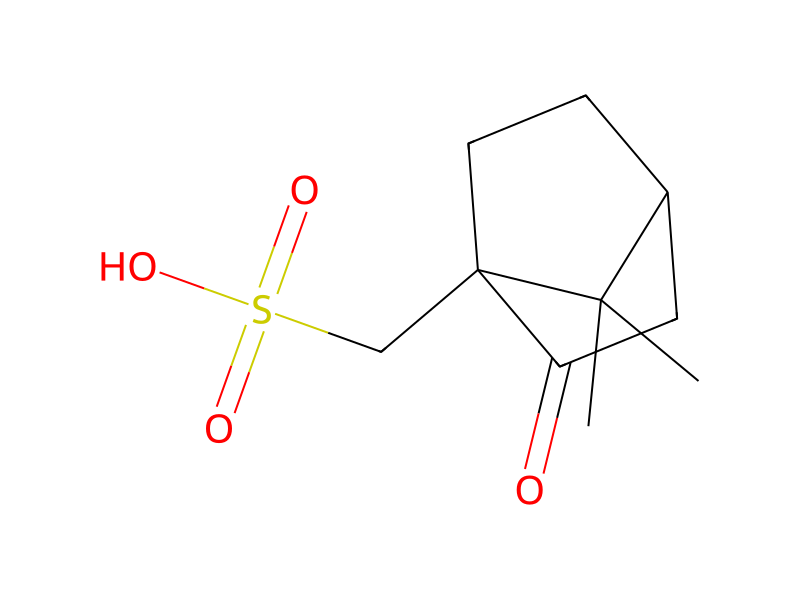
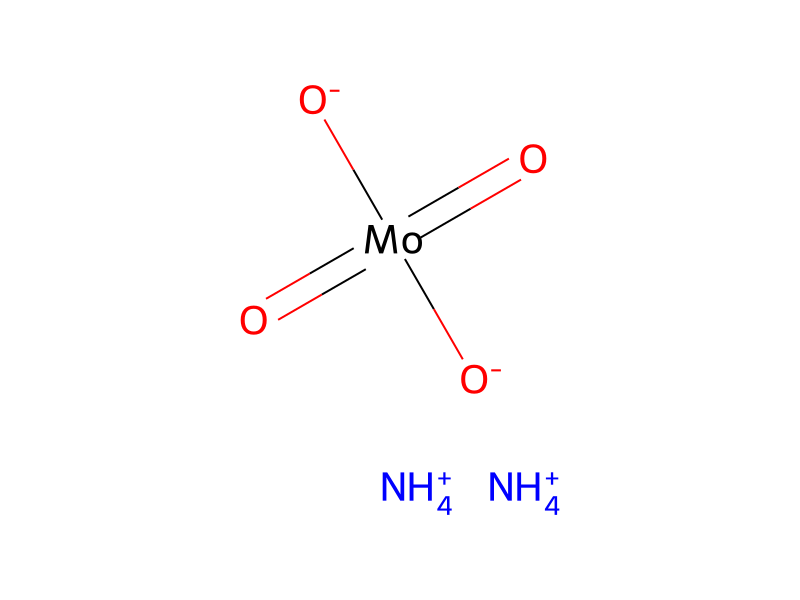
[O:1]([CH3:13])[C@@H:2]1[O:10][C@H:9]([CH2:11][OH:12])[C@@H:7]([OH:8])[C@H:5]([OH:6])[C@H:3]1[OH:4].CO[CH:16](OC)[C:17]1[CH:22]=[CH:21][CH:20]=[CH:19][CH:18]=1.C(OCC)(=O)C.C(N(CC)CC)C>C(#N)C.CCCCCC.[NH4+].[NH4+].[O-][Mo]([O-])(=O)=O.C12(CS(O)(=O)=O)C(C)(C)C(CC1)CC2=O>[CH3:13][O:1][C@@H:2]1[O:10][C@@H:9]2[CH2:11][O:12][CH:16]([C:17]3[CH:22]=[CH:21][CH:20]=[CH:19][CH:18]=3)[O:8][C@H:7]2[C@H:5]([OH:6])[C@H:3]1[OH:4]Using a modification of the procedure as described: Tetrahedron, 1992, 48(47), 10249-10264. Methyl β-D-glucopyranoside (Biosynth International M-3592; 10.2 g, 50 mmol), benzaldehyde dimethylacetal (30 ml, 200 mmol) and 10-camphorsulfonic acid (116 mg, 0.5 mmol) in anhydrous acetonitrile (150 ml) was stirred at room temperature for 4 h. The reaction was checked by TLC to confirm complete conversion to the product (run in hexane: ethyl acetate, 1:2, visualised with ceric ammonium molybdate spray and heating. The reaction was then treated with triethylamine (1 ml) to neutralise the acid. The solution was filtered and the solid was washed with acetonitrile (20 ml). The mother solution was concentrated to about 60 ml, and it was again filtrated, and the filtrate washed with acetonitdrile (10 ml). The combined solid was dried in vacuum, to give 12.9 g (91%) of methyl 4,6-O-benzylidene-β-D-glucopyranoside.