Reaktionsgleichung

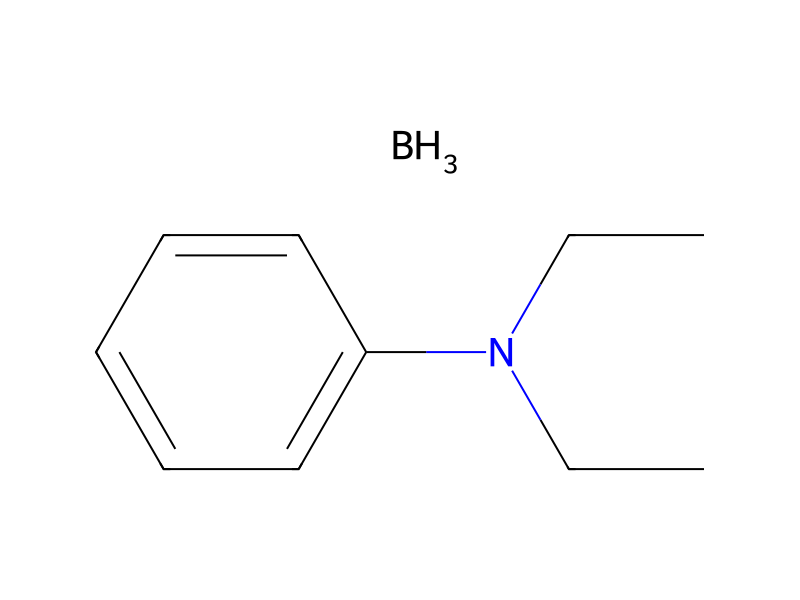
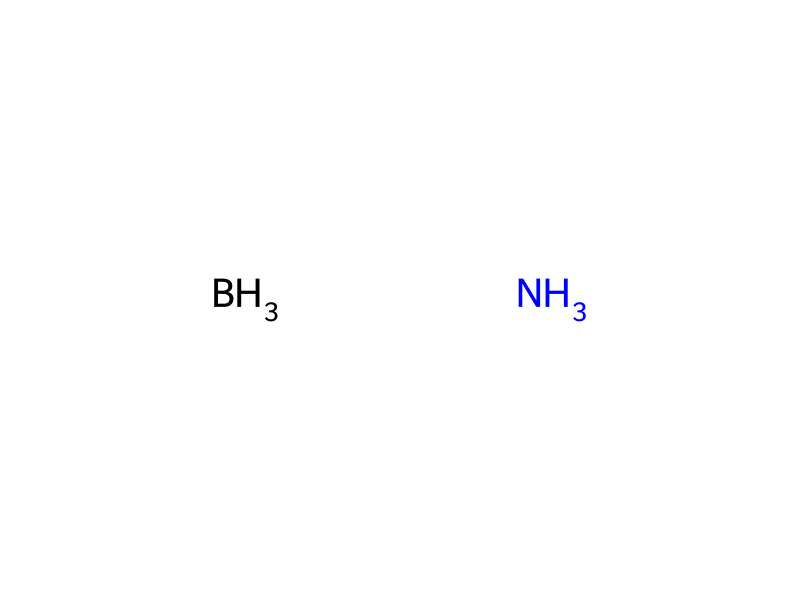
N.[BH3:2].C([N:5]([CH2:12][CH3:13])[C:6]1[CH:11]=[CH:10][CH:9]=C[CH:7]=1)C.B.[C:15]1([N:21]2[CH2:26][CH2:25][O:24][CH2:23][CH2:22]2)[CH:20]=[CH:19][CH:18]=[CH:17][CH:16]=1.B.[N:28]1C(C)=CC=CC=1C>>[C:15]1([N:21]2[CH2:26][CH2:25][O:24][CH2:23][CH2:22]2)[CH:20]=[CH:19][CH:18]=[CH:17][CH:16]=1.[N:5]1[C:6]([CH3:7])=[CH:11][CH:10]=[CH:9][C:12]=1[CH3:13].[NH3:28].[BH3:2]Komponenten
7



Versuchsvorschrift
For example, dimethylaniline borane can be reacted with ammonia to produce ammonia borane as shown below. (C6H5)(CH3)2N.BH3+NH3=(C6H5)(CH3)2N+NH3.BH3 In other examples, diethylaniline borane, phenylmorpholine borane or lutidine borane can be reacted with ammonia to form ditethylaniline and ammonia borane, phenylmorpholine and ammonia borane, or lutidine and ammonia borane.
Quellen und Nachweise
- ORD-Eintrag
- ord-889a1419970e4c178f8797f81dee20b9
- Quelldatensatz
- uspto-grants-2011_07
- Patentnummer
- US07977508B2
Verknüpfte Notizen
Wird geladen…