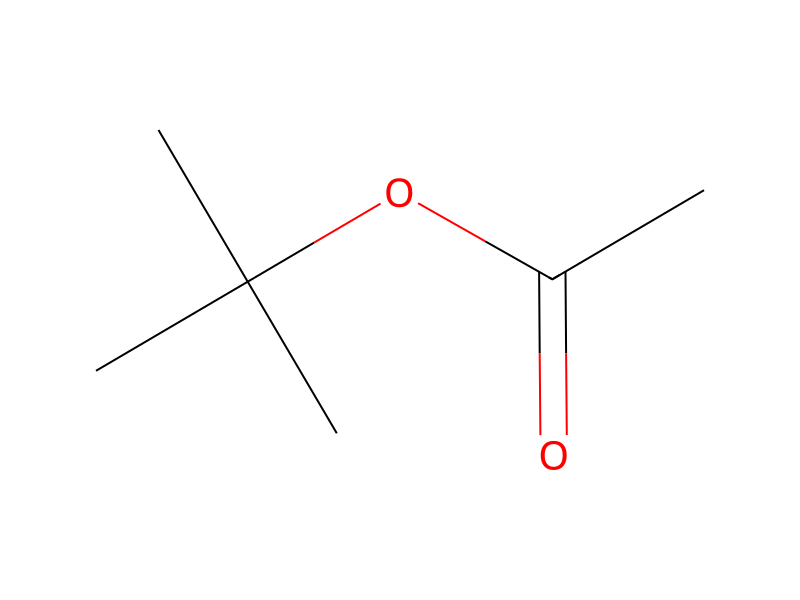
[Br:1]N1C(=O)CCC1=O.[Cl:9][C:10]1[CH:19]=[CH:18][C:13]([C:14]([O:16][CH3:17])=[O:15])=[C:12]([CH3:20])[CH:11]=1.C(=O)([O-])O.[Na+]>C(OC(C)(C)C)(=O)C.N(C(C)(C)C#N)=NC(C)(C)C#N>[Cl:9][C:10]1[CH:19]=[CH:18][C:13]([C:14]([O:16][CH3:17])=[O:15])=[C:12]([CH2:20][Br:1])[CH:11]=1(Step 2) A solution of N-bromosuccinimide (6.33 g), 2,2′-azobis(isobutyronitrile) (0.27 g) and methyl 4-chloro-2-methylbenzoate obtained in Step 1 (5.05 g) in t-butyl acetate (80 ml) was stirred overnight at 90° C. The mixture was allowed to cool to room temperature, poured into aqueous sodium hydrogen carbonate solution, and extracted with ethyl acetate. The organic layer was washed with saturated brine, dried over magnesium sulfate, and filtered. The solvent was evaporated under reduced pressure. The residue was purified by silica gel chromatography (ethyl acetate:hexane=0:1-3:17) to give methyl 4-chloro-2-bromomethylbenzoate (6.05 g) as a white solid.