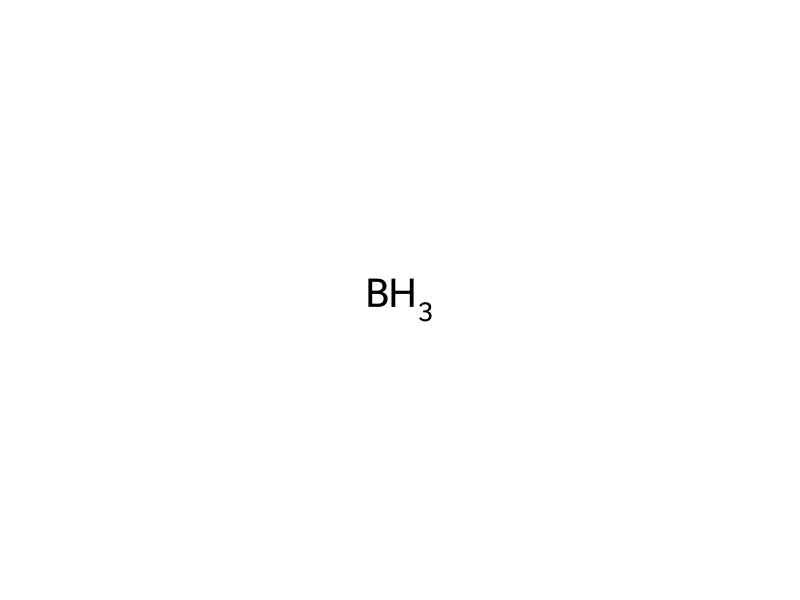
Borane → (3-Chloro-1,2-phenylene)dimethanol
Reaktionsgleichung

B.[Cl:2][C:3]1[CH:11]=[CH:10][CH:9]=[C:5]([C:6]([OH:8])=[O:7])[C:4]=1[C:12]([OH:14])=[O:13].FC1C(CO)=C(CO)C=CC=1>>[Cl:2][C:3]1[C:4]([CH2:12][OH:13])=[C:5]([CH2:6][OH:7])[CH:9]=[CH:10][CH:11]=1.[Cl:2][C:3]1[CH:11]=[CH:10][CH:9]=[C:5]([C:6]([OH:8])=[O:7])[C:4]=1[C:12]([OH:14])=[O:13]Komponenten
5


Versuchsvorschrift
3-chloro-1,2-di-(hydroxymethyl) benzene was prepared in 97% yield via borane reduction of 3-Chlorophthalic acid in a manner similar to that was used for the preparation of 3-fluoro-1,2-di-(hydroxymethyl) benzene as described in Example 13, Step A. 3-Chlorophthalic acid was prepared from according to the literature procedure of Fertel, L. B. et al. J. Org. Chem. 1993, 58(1), 261-263.
Quellen und Nachweise
- ORD-Eintrag
- ord-aa21a73739e64ce2981fed2651312f6f
- Quelldatensatz
- uspto-grants-2002_11
- Patentnummer
- US06482951B2
Notizen zur Reaktion
Wird geladen…