Triethylamine → 4-(5-Bromo-isoquinolin-6-yloxy)-piperidine-1-carboxylic acid tert-butyl ester
HRID 1022857
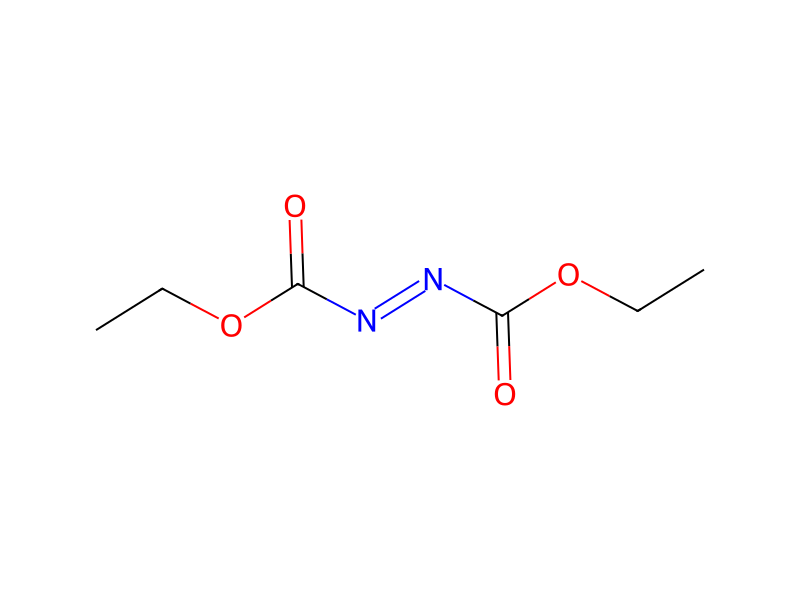
Reaktionsgleichung

N(C(OCC)=O)=NC(OCC)=O.C1(P(C2C=CC=CC=2)C2C=CC=CC=2)C=CC=CC=1.[Br:32][C:33]1[C:42]([OH:43])=[CH:41][CH:40]=[C:39]2[C:34]=1[CH:35]=[CH:36][N:37]=[CH:38]2.[C:44]([N:51]1[CH2:56][CH2:55][CH:54](O)[CH2:53][CH2:52]1)([O:46][C:47]([CH3:50])([CH3:49])[CH3:48])=[O:45].C(N(CC)CC)C>ClCCl>[C:47]([O:46][C:44]([N:51]1[CH2:56][CH2:55][CH:54]([O:43][C:42]2[C:33]([Br:32])=[C:34]3[C:39](=[CH:40][CH:41]=2)[CH:38]=[N:37][CH:36]=[CH:35]3)[CH2:53][CH2:52]1)=[O:45])([CH3:50])([CH3:48])[CH3:49]