Hydrogen Peroxide → 2-Neopentylanthraquinone
Reaktionsgleichung

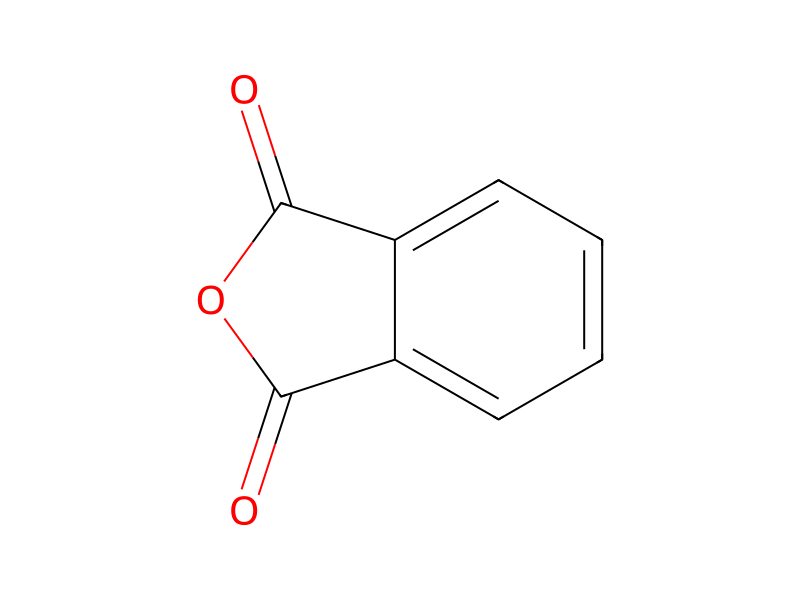
C(C1C=CC=CC=1)C(C)(C)C.C1(=O)OC(=O)C2=CC=CC=C12.[CH2:23]([C:28]1[CH:44]=[CH:43][C:31]([C:32]([C:34]2[CH:42]=[CH:41][CH:40]=[CH:39][C:35]=2[C:36]([OH:38])=O)=[O:33])=[CH:30][CH:29]=1)[C:24]([CH3:27])([CH3:26])[CH3:25].OO>>[CH2:23]([C:28]1[CH:44]=[CH:43][C:31]2[C:32](=[O:33])[C:34]3[C:35](=[CH:39][CH:40]=[CH:41][CH:42]=3)[C:36](=[O:38])[C:30]=2[CH:29]=1)[C:24]([CH3:25])([CH3:26])[CH3:27]Komponenten
5



Versuchsvorschrift
The novel compound 2-neopentylanthraquinone which is prepared by Friedel-Crafts acylation of neopentylbenzene with phthalic anhydride and subsequent cyclization of the resulting 2-(4-neopentylbenzoyl)-benzoic acid in the presence of a strong, anhydrous acid, is a catalyst for the preparation of hydrogen peroxide.
Quellen und Nachweise
- ORD-Eintrag
- ord-e81ab080b4ea487aa92c3326c0672ac3
- Quelldatensatz
- uspto-grants-1992_04
- Patentnummer
- US05107004
Notizen zur Reaktion
Wird geladen…