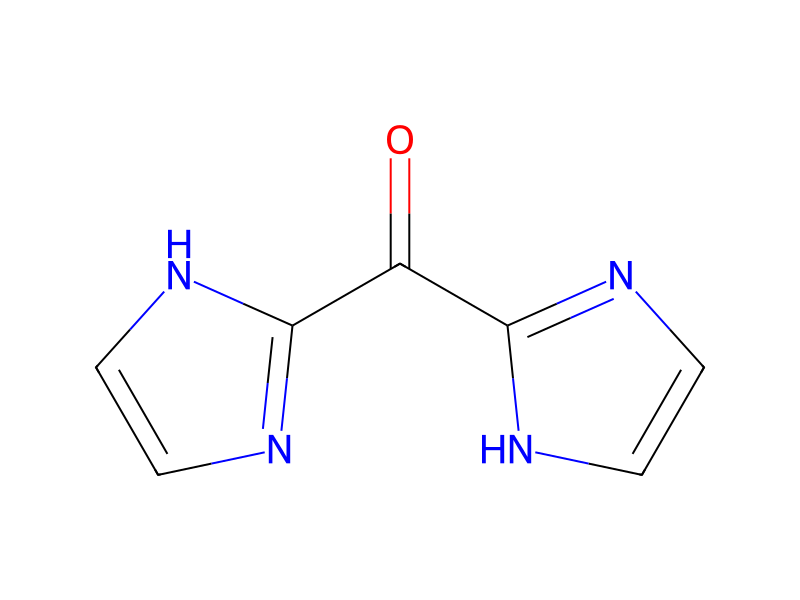
To a solution of commercially-available 4-bromopicolinic acid (10.0 g, 49.5 mmole) in 200 mL of anhydrous THF at room temperature is added N,O-hydroxylamine hydrochloride (4.83 g, 49.5 mmol), triethylamine (6.9 mL, 49.5 mmol), carbonyl diimidazole (CDI) (12.0 g, 74.3 mmol) and N,N-dimethyl amino pyridine (DMAP) (20 mg, 0.16 mmol). After stirring at room temperature for 4 hours, an aliquot is taken and injected on LC-MS to check the reaction progress. Upon completion of the reaction, the reaction mixture is quenched with 100 mL of water and extracted with 2×150 mL of ethyl acetate. The combined organic layers are concentrated and purified by chromatography (hexanes 95%, EtOAc 5% step gradient) to give 4-bromo-pyridine-2-carboxylic acid methoxy-methyl-amide (1) as a thick yellow oil (10.4 g, yield 86%) MS ES+ 247.02.