StartseiteMCPWorkbenchSkills
StartseiteWorkbenchBenachrichtigungenMein Bereich
llms.txt · MCP-AnleitungDatenschutz · Nutzungsbedingungen · Supportv1.8.0
  1. Startseite
  2. /Reaktion

Phenylmethylsulfonyl Fluoride → Sodium Lauryl Sulfate

HRID 1041826
Notizen
Druckvorschau

Reaktionsgleichung

Reaktionsgleichung von HRID 1041826
C1N(CCO)CCN(CC[S:12]([OH:15])(=[O:14])=[O:13])C1.[Na+:16].[Cl-].C(N([CH2:40][C:41]([OH:43])=O)CC(O)=O)COCCOCCN(CC(O)=O)CC(O)=O.C(N(CC(O)=O)CC(O)=O)CN(CC(O)=O)CC(O)=O.CCC(CO[C:71](C(N(CC[NH+](C)C)C)=O)([C:78]1[CH:83]=[CH:82][CH:81]=[CH:80][CH:79]=1)[C:72]1C=CC=[CH:74][CH:73]=1)CC.[Cl-].C1C=CC(CS(F)(=O)=O)=CC=1>OCC(CO)O>[CH3:74][CH2:73][CH2:72][CH2:71][CH2:78][CH2:79][CH2:80][CH2:81][CH2:82][CH2:83][CH2:40][CH2:41][O:43][S:12]([O-:15])(=[O:13])=[O:14].[Na+:16]
KomponentenReaktionsbedingungenVersuchsvorschriftAufarbeitungQuellen und NachweiseNotizen zur Reaktion

Komponenten

8

Edukt 6

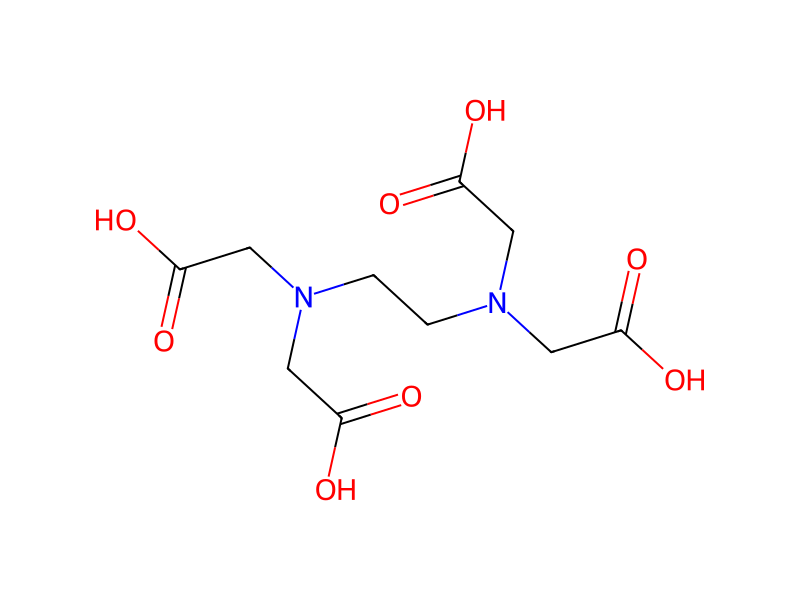
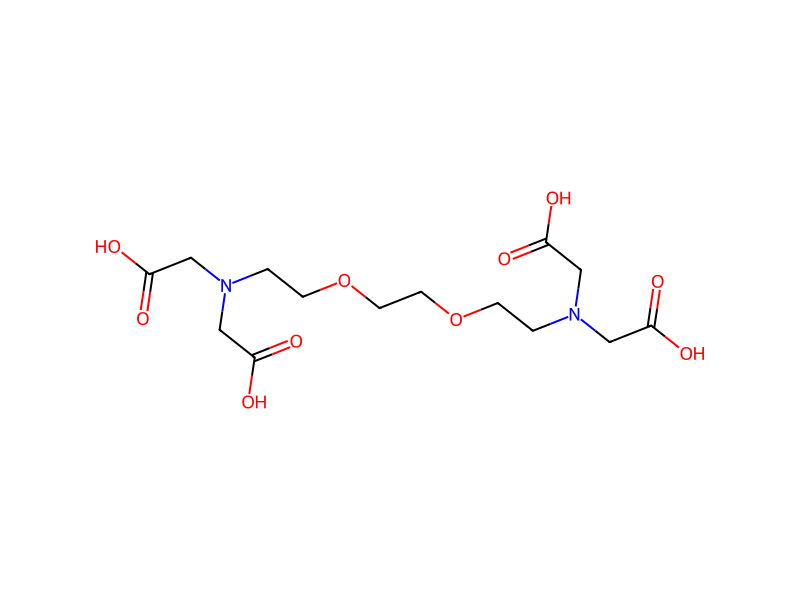
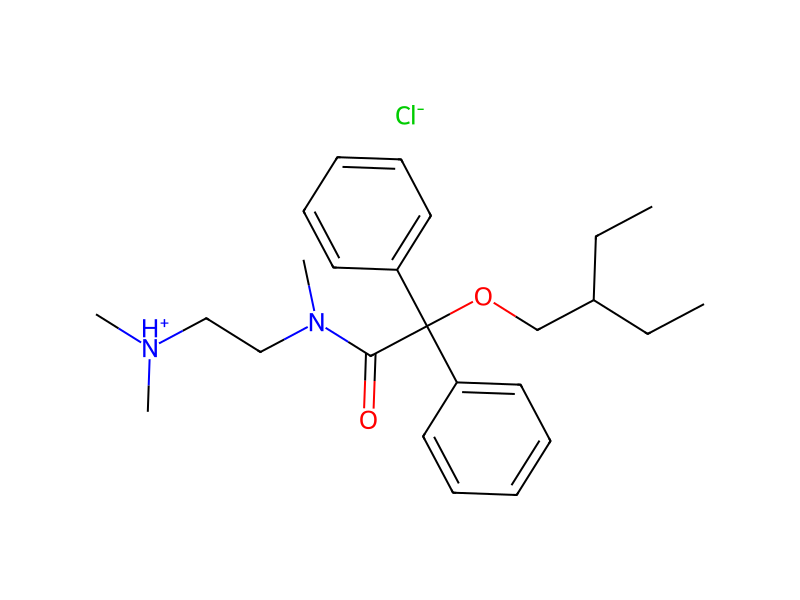
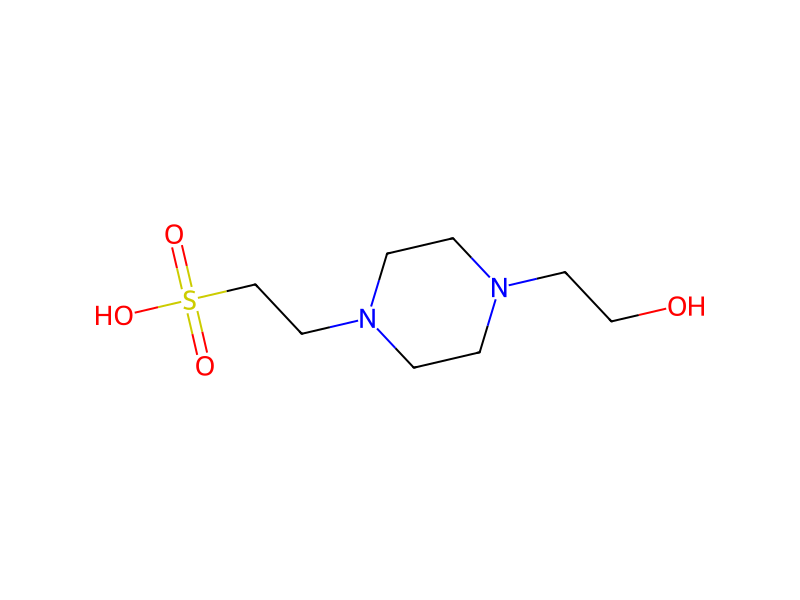
HCID 4784Phenylmethylsulfonyl FluorideHCID 5234Sodium ChlorideHCID 6049Ethylenediaminetetraacetic AcidHCID 6207EgtaHCID 19153X 100HCID 238314-(2-Hydroxyethyl)-1-piperazineethanesulfonic acid

Produkt 1

HCID 3423265
Sodium Lauryl Sulfate

Reagenzien, Katalysatoren, Lösungsmittel 1

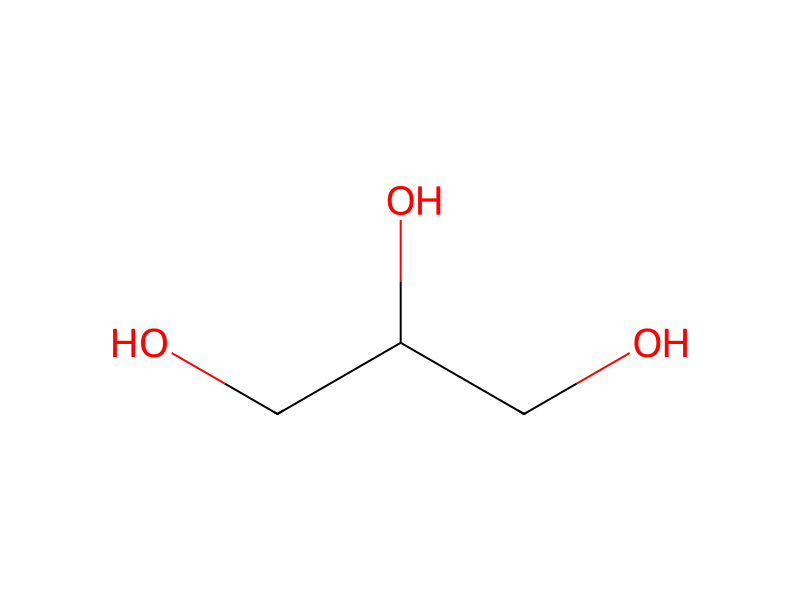
HCID 753GlycerolLösungsmittel

Reaktionsbedingungen

Temperatur
96 °C

Versuchsvorschrift

RINm5F cells following different treatments were lysed in a lysis buffer (pH 7.5) consisting of 50 mM HEPES, 150 mM NaCl, 1 EGTA, 1 mM EDTA, 10% glycerol, 1% triton X-100, 1 mM PMSF and a protease inhibitor cocktail (Roche Diagnostics, Mannheim, Germany). The lysate was centrifuged at 800×g for 10 min at 4° C. to remove cell debris and nuclei. The protein concentration of the resulting samples was determined with Bio-Rad protein assay reagent (Bio-Rad, Hercules, Calif.). The samples were then denatured by heating at 96° C. for 3 min in SDS sample buffer and underwent sodium dodecyl sulfate-polyacrylamide gel electrophoresis (SDS-PAGE) and immunoblot analysis. Briefly, 50, 90 or 180 μg proteins were separated in discontinuous gels consisting of a 4% acrylamide stacking gel (pH 6.8) and an 8% acrylamide separating gel (pH 8.8). The separated proteins were then electroblotted to hydrophobic polyvinylidene difluoride membrane (Hybond-P; GE Healthcare, Uppsala, Sweden). The blots were blocked by incubation for 1 h with 5% non-fat milk powder in a washing buffer, containing 50 mM tris(hydroxymethyl)aminomethane, 150 mM NaCl and 0.05% Tween 20 (pH 7.5). They were then incubated overnight at 4° C. with affinity-purified rabbit polyclonal antibodies to β1 integrin (1:500; Millipore, Billerica, Mass.), CaV1.2 (1:200) and CaV1.3 (1:200), respectively, and for 1 h at room temperature with mouse monoclonal antibody to glyceraldehyde-3-phosphate dehydrogenase (GAPDH, 1:4000; Applied Biosystems/Ambion, Austin, Tex.), respectively. After rinsing with the washing buffer, the blots were incubated with the secondary antibodies (either horseradish peroxidase-conjugated goat anti-rabbit IgG or horseradish peroxidase-conjugated goat anti-mouse IgG; 1:50,000; Bio-Rad, Hercules, Calif.) at room temperature for 45 min. The immunoreactive bands were visualized with the ECL plus Western blotting detection system (GE Healthcare, Uppsala, Sweden).

Aufarbeitung

  1. customto remove cell debris
  2. customBriefly, 50, 90 or 180 μg proteins were separated in discontinuous gels
  3. waitThe blots were blocked by incubation for 1 h with 5% non-fat milk powder
  4. additionin a washing buffer, containing 50 mM tris(hydroxymethyl)aminomethane, 150 mM NaCl and 0.05% Tween 20 (pH 7.5)
  5. waitThey were then incubated overnight at 4° C.
  6. customwith affinity-purified rabbit polyclonal antibodies to β1 integrin (1:500; Millipore, Billerica, Mass.), CaV1.2 (1:200) and CaV1.3 (1:200)
  7. waitrespectively, and for 1 h at room temperature with mouse monoclonal antibody to glyceraldehyde-3-phosphate dehydrogenase (GAPDH, 1:4000; Applied Biosystems/Ambion, Austin, Tex.)
  8. washAfter rinsing with the washing buffer, the blots
  9. waitwere incubated with the secondary antibodies (either horseradish peroxidase-conjugated goat anti-rabbit IgG or horseradish peroxidase-conjugated goat anti-mouse IgG; 1:50,000; Bio-Rad, Hercules, Calif.) at room temperature for 45 min

Quellen und Nachweise

ORD-Eintrag
ord-5c72ae37c3544c1cbdf6f1b7457eea32
Quelldatensatz
uspto-grants-2013_10
DOI
10.6084/m9.figshare.5104873.v1
Patentnummer
US08557513B2

Notizen zur Reaktion

Wird geladen…

Auf dieser SeiteKomponentenReaktionsbedingungenVersuchsvorschriftAufarbeitungQuellen und NachweiseNotizen zur Reaktion