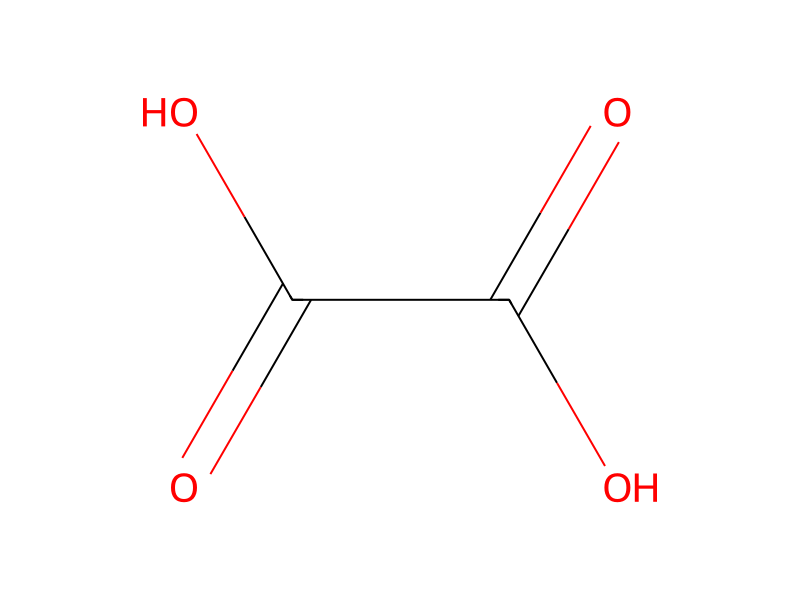
Oxalic Acid → HCID 86692190, Verbindung
HRID 1042959
Reaktionsgleichung

[C:1]([OH:6])(=[O:5])[C:2]([OH:4])=[O:3].[CH3:7][N+:8]1([CH3:29])[CH2:12][CH:11]([O:13][C:14]([C:16]([OH:28])([CH:23]2[CH2:27][CH2:26][CH2:25][CH2:24]2)[C:17]2[CH:18]=[CH:19][CH:20]=[CH:21][CH:22]=2)=[O:15])[CH2:10][CH2:9]1.C([O-])(=O)C>CO>[CH3:7][N+:8]1([CH3:29])[CH2:12][CH:11]([O:13][C:14]([C:16]([OH:28])([CH:23]2[CH2:24][CH2:25][CH2:26][CH2:27]2)[C:17]2[CH:18]=[CH:19][CH:20]=[CH:21][CH:22]=2)=[O:15])[CH2:10][CH2:9]1.[C:1]([O-:6])(=[O:5])[C:2]([O-:4])=[O:3]Komponenten
4
Edukt 2

Produkt 1

Reagenzien, Katalysatoren, Lösungsmittel 1

Versuchsvorschrift
Glycopyrrolate oxalate was prepared using process (2) from Example 1. Equimolar amounts of oxalic acid and glycopyrrolate acetate were dissolved in methanol then fast evaporated and dried under vacuum. The resulting glassy, gel-like material was recrystallized by slurrying in ethyl acetate to produce grey solids that were then dried under vacuum before analysis by XRPD and proton NMR spectroscopy. The XRPD pattern can be found in FIG. 16.