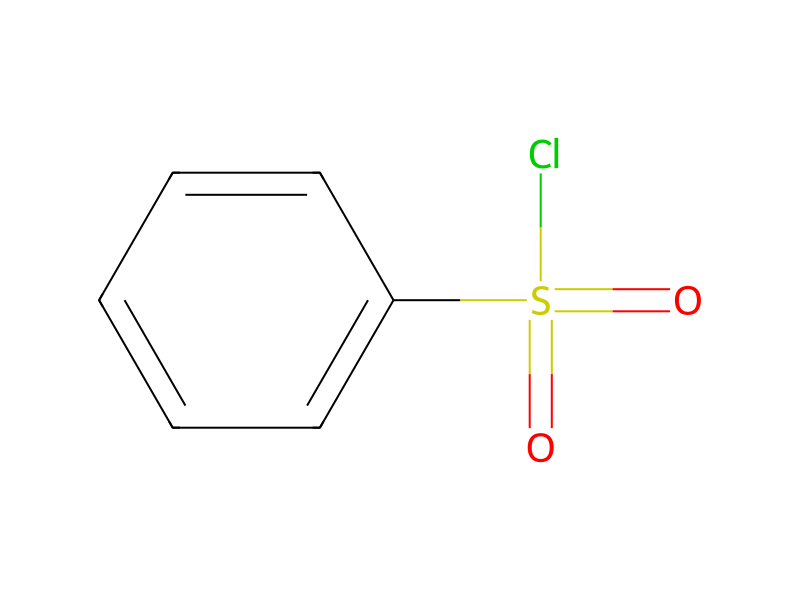
[Br:1][C:2]1[N:3]=[C:4]2[CH:10]=[CH:9][NH:8][C:5]2=[N:6][CH:7]=1.[H-].[Na+].[C:13]1([S:19](Cl)(=[O:21])=[O:20])[CH:18]=[CH:17][CH:16]=[CH:15][CH:14]=1>O1CCCC1>[Br:1][C:2]1[N:3]=[C:4]2[CH:10]=[CH:9][N:8]([S:19]([C:13]3[CH:18]=[CH:17][CH:16]=[CH:15][CH:14]=3)(=[O:21])=[O:20])[C:5]2=[N:6][CH:7]=1To a stirred solution of 2-bromo-5H-pyrrolo[2,3-b]pyrazine (from Ark Pharm, cat# AK-23813, 1.00 g, 5.05 mmol) in tetrahydrofuran (10 mL), NaH (60% w/w dispersion form in mineral oil, 283 mg, 7.07 mmol) was added at 0° C. After 0.5 hour, benzenesulfonyl chloride (644 μL, 5.05 mmol) was added dropwise. After another 1 hour, the reaction mixture was quenched with saturated aqueous NH4Cl and extracted with methylene chloride. The combined organic layers were dried over MgSO4, filtered, and concentrated. The residue was purified on silica gel (eluting with 0 to 50% ethyl acetate (EtOAc) in hexanes) to give the desired product (1.50 g, 88%). LCMS calculated for C12H9BrN3O2S (M+H)+: m/z=339.2. Found: 339.2.