Reaktionsgleichung

C[P:2]([OH:11])([CH2:4][CH2:5][CH:6](N)C(O)=O)=[O:3].P(Cl)(Cl)Cl.[Cl-:16].[Cl-].[Cl-].[Cl-].[Al+3].[CH2:21]=[CH2:22]>C(O)C>[Cl:16][CH2:6][CH2:5][CH2:4][PH:2](=[O:3])[O:11][CH2:21][CH3:22]Komponenten
Edukt 4


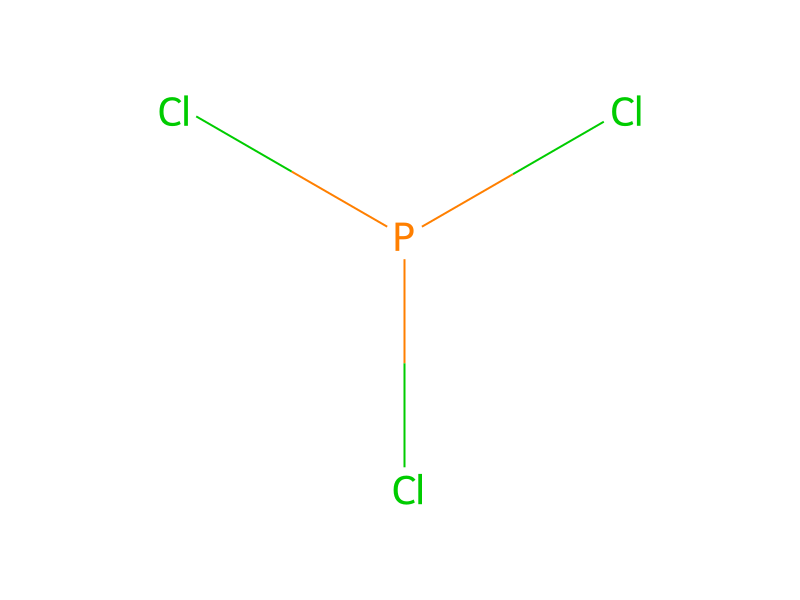

Produkt 1

Reagenzien, Katalysatoren, Lösungsmittel 1

Versuchsvorschrift
Alternatively, another method of producing glufosinate generally comprises converting phosphorus trichloride to an adduct of methylphosphonous trichloride and aluminum tetrachloride (i.e., CH3PCl3.AlCl4). The adduct may be reacted with ethylene to form an intermediate adduct, which then may be reacted with ethanol to form ethyl 1-(2-chloroethyl)-methylphosphinate. Ethyl 1-(2-chlroethyl)-methylphosphinate may then be reacted with potassium hydroxide and ethanol to prepare the requisite ethyl vinylphosphinate precursor. The ethyl vinylphosphinate precursor is subjected to hydroformylation-aminocarbonylation, followed by hydrolysis of the hydroformylation-aminocarbonylation product in the presence of hydrochloric acid to produce glufosinate.
Aufarbeitung
- customto form an intermediate adduct, which
Quellen und Nachweise
- ORD-Eintrag
- ord-b89d5643e0f34372973f9ff0beb82117
- Quelldatensatz
- uspto-grants-2016_07
- Patentnummer
- US09394173B2
Verknüpfte Notizen
Wird geladen…