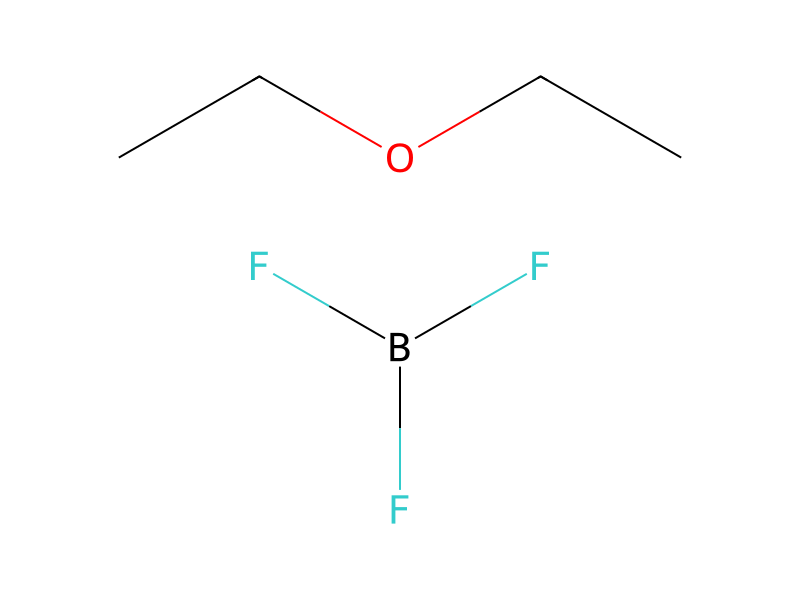
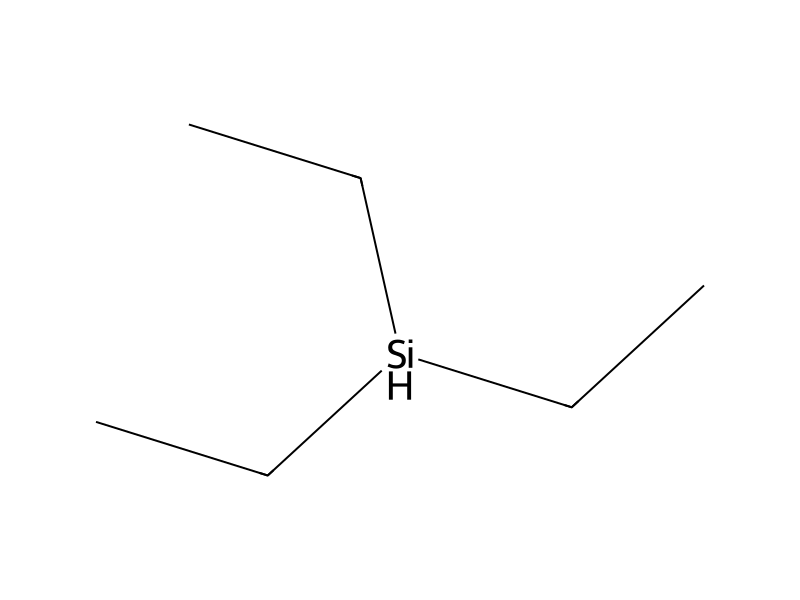
To a stirred solution of Et3SiH (400 mL, 2.51 mol and 5-bromo-2-chloro-4′-ethoxybenzophenone (390 g, 1.15 mol) in 900 mL of a 1:2 mixture 1,2-dichloroethane/MeCN at 10° C. was added BF3.Et2O (150 mL, 1.58 mol) at such a rate that the temperature did not exceed 20°. Caution a moderate exotherm insues during the addition. After stirring overnight at 20° C., HPLC revealed the reaction to be 90% complete. After adding an additional 40 mL Et3SiH and 15 mL of BF3.Et2O, the reaction was heated to 50° for 3 hr. (Note elevated temperatures increase formation of the Ritter reaction product N-acetyl 5-bromo-2-chloro-4′-ethoxydiphenylmethylamine). Upon cooling, the reaction was quenched with 120 g of KOH in 300 mL of H2O. After stirring 2 hr, the layers were separated. The aqueous layer was extracted 2× with CH2Cl2; the combined organic layers were washed 1× with 300 mL portions of 2M KOH, 2× with H2O containing 10% brine to aid phase separation and with brine 2× prior to drying over Na2SO4. After removal of the volatiles, the residue was recrystallized from absolute EtOH to yield 230 g of 5-bromo-2-chloro-4′-ethoxydiphenylmethane as a white solid.