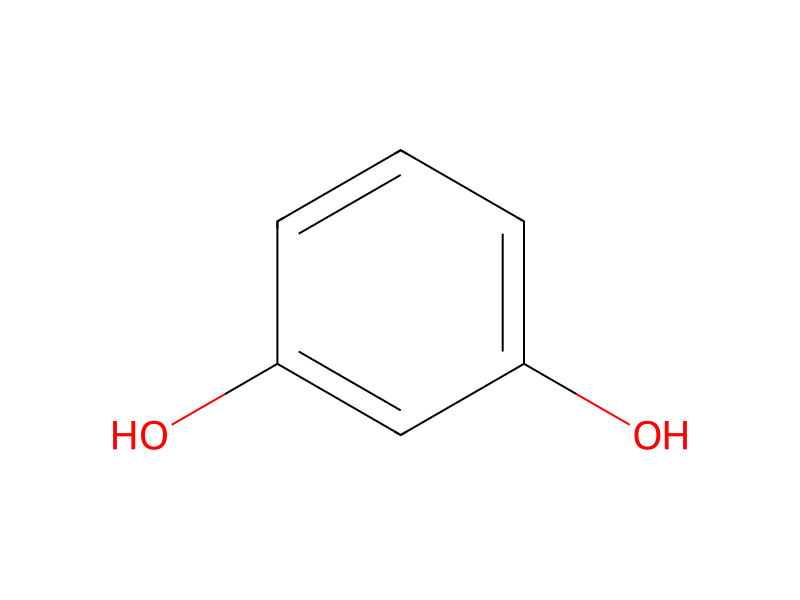
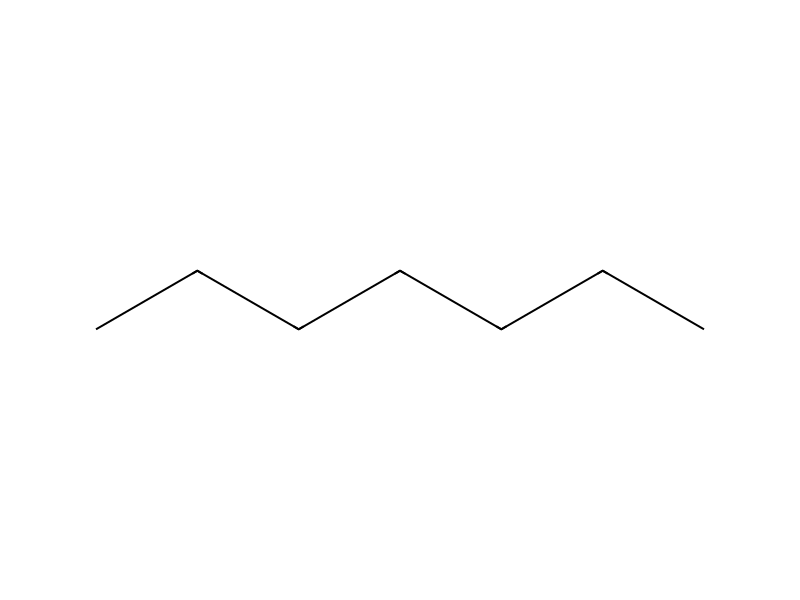
[CH3:1][C:2]1[CH:7]=[C:6]([CH3:8])[CH:5]=[CH:4][C:3]=1[C:9]1[N:14]=[C:13]([C:15]2[CH:20]=[CH:19][C:18]([CH3:21])=[CH:17][C:16]=2[CH3:22])[N:12]=[C:11](OC2C=CC=CC=2)[N:10]=1.[C:30]1([CH:37]=[CH:36][CH:35]=[C:33]([OH:34])[CH:32]=1)[OH:31].[Cl-].[Al+3].[Cl-].[Cl-].Cl>CCCCCCC.C1(C)C=CC=C(C)C=1>[CH3:1][C:2]1[CH:7]=[C:6]([CH3:8])[CH:5]=[CH:4][C:3]=1[C:9]1[N:14]=[C:13]([C:15]2[CH:20]=[CH:19][C:18]([CH3:21])=[CH:17][C:16]=2[CH3:22])[N:12]=[C:11]([C:35]2[CH:36]=[CH:37][C:30]([OH:31])=[CH:32][C:33]=2[OH:34])[N:10]=1To a 250 mL round-bottomed flask fitted with a magnetic stirrer, a condenser and a nitrogen atmosphere are charged 7.85 g (0.0206 mol) of the product of Example 2, 13.5 g (0.123 mol) of resorcinol, 4 mL of m-xylene and 0.954 g (7.16 mmol) of aluminum chloride. The mixture is heated to 150° C. for 13.5 hours and then allowed to cool to 90° C. Portions of 2N hydrochloric acid and heptane are added and the mixture is stirred at 90° C. for 30 minutes followed by stirring for 18 hours at room temperature. The mixture is then warmed to 35° C. The crude solid formed is collected by vacuum filtration and is washed with portions of water and heptane. The solid is then recrystallized twice from methanol to afford 4.76 g (62% yield) of the title compound as a yellow solid melting at 194-196° C.