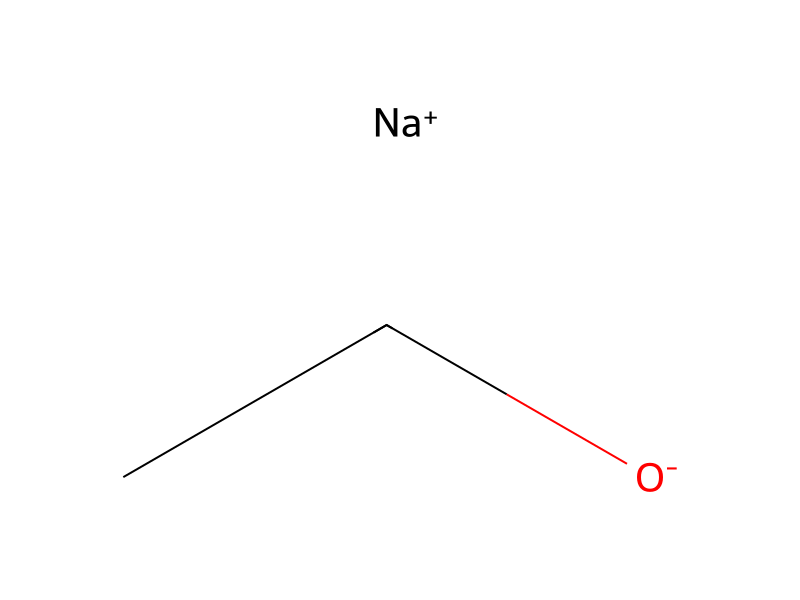
[CH2:1]([O:8][C:9]1[CH:16]=[CH:15][C:12]([CH:13]=O)=[C:11]([Cl:17])[CH:10]=1)[C:2]1[CH:7]=[CH:6][CH:5]=[CH:4][CH:3]=1.[C:18]([OH:21])(=[O:20])[CH3:19].C([N:24]=[N+:25]=[N-:26])C.[O-][CH2:28][CH3:29].[Na+].[Cl-].[NH4+]>C(O)C>[CH2:1]([O:8][C:9]1[CH:16]=[CH:15][C:12]([CH:13]=[C:19]([N:24]=[N+:25]=[N-:26])[C:18]([O:21][CH2:28][CH3:29])=[O:20])=[C:11]([Cl:17])[CH:10]=1)[C:2]1[CH:7]=[CH:6][CH:5]=[CH:4][CH:3]=1An ethanol solution, 70 ml, containing 5.40 g (21.9 mmol) of 4-benzyloxy-2-chlorobenzaldehyde and 11.3 g (87.6 mmol) of ethyl azide acetate was gradually added dropwise to 70 ml of an ethanol solution of 5.95 g (87.6 mmol) of sodium ethoxide at −10° C. After stirring at −10° C. for further 5 hours, the reaction temperature was slowly elevated to room temperature. The reaction mixture was poured onto 200 ml of saturated ammonium chloride aqueous solution and the mixture was extracted three times with ethyl acetate. The combined extracts were then washed with saturated ammonium chloride solution and next with saturated sodium chloride solution. After drying over anhydrous magnesium sulfate, the solvent was distilled off under reduced pressure. The resulting residue was purified by silica gel column chromatography to give 4.50 g (57.5%) of ethyl 3-(4-benzyloxy-2-chlorophenyl)-2-azidopropenoate.