Reaktionsgleichung

[CH2:1]1[CH:5]2[CH:6]3C=CC([CH:4]2C=[CH:2]1)C3.[Br:11][C:12]([F:19])([F:18])[C:13]([F:17])([F:16])[CH:14]=[CH2:15]>C1(C)C=CC=CC=1.COC1C=CC(O)=CC=1>[Br:11][C:12]([F:19])([F:18])[C:13]([F:17])([F:16])[CH:14]1[CH2:4][CH:5]2[CH2:6][CH:15]1[CH:2]=[CH:1]2Komponenten
5
Edukt 2


Produkt 1

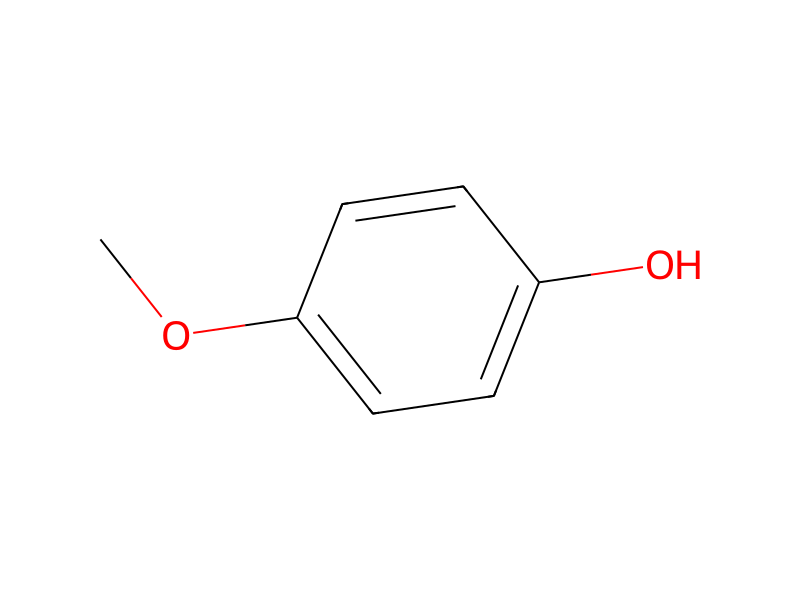
Reagenzien, Katalysatoren, Lösungsmittel 2

Reaktionsbedingungen
- Temperatur
- 170 °C
Versuchsvorschrift
An autoclave was charged with 108.5 g of dicyclopentadiene and 322.4 g of 1-bromo-1,1,2,2-tetrafluoro-3-butene. A solution of 0.3 g of 4-methoxyphenol dissolved in 5 ml of toluene was added to the autoclave as a polymerization inhibitor and the mixture was stirred for 5 hours at 170° C. The reaction product was purified by distillation under reduced pressure at 85° C. and 25 mmHg to obtain 326 g of 1-bromo-1,1,2,2-tetrafluoro-2-(norborn-5-en-2-yl)ethane as a clear liquid (hereinafter referred to as “compound (1-a)”).
Aufarbeitung
- additionwas added to the autoclave as a polymerization inhibitor
- distillationThe reaction product was purified by distillation under reduced pressure at 85° C.
Quellen und Nachweise
- ORD-Eintrag
- ord-efd253bcdbfc449e9e720224e81bd1cb
- Quelldatensatz
- uspto-grants-2005_06
- Patentnummer
- US06908722B2
Verknüpfte Notizen
Wird geladen…