Sodium Hydroxide → 4-(6,8-Dichloro-2-methyl-1,2,3,4-tetrahydroisoquinolin-4-yl)-benzenesulfonyl chloride
HRID 1072504
Reaktionsgleichung

[Cl:1][C:2]1[CH:3]=[C:4]2[C:9](=[C:10]([Cl:12])[CH:11]=1)[CH2:8][N:7]([CH3:13])[CH2:6][CH:5]2[C:14]1[CH:19]=[CH:18][CH:17]=[CH:16][CH:15]=1.[Cl:20][S:21](O)(=[O:23])=[O:22].[OH-].[Na+]>>[Cl:1][C:2]1[CH:3]=[C:4]2[C:9](=[C:10]([Cl:12])[CH:11]=1)[CH2:8][N:7]([CH3:13])[CH2:6][CH:5]2[C:14]1[CH:15]=[CH:16][C:17]([S:21]([Cl:20])(=[O:23])=[O:22])=[CH:18][CH:19]=1Komponenten
4

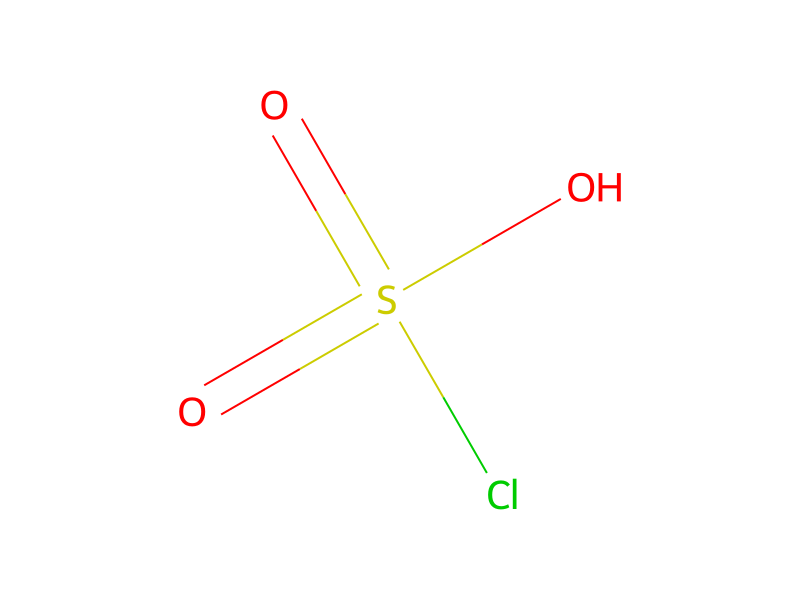


Versuchsvorschrift
At 0° C., 1 mmol of 6,8-dichloro-2-methyl-4-phenyl-1,2,3,4-tetrahydro-isoquinoline (intermediate 4, example 2) was introduced into 1 ml of chlorosulfonic acid and stirred at room temperature for 3 hours. For workup, the reaction mixture was poured onto ice, adjusted to pH 7 to 8 with 1 N NaOH and extracted twice with ethyl acetate. The combined ethyl acetate phases were dried with Na2SO4 and concentrated in a rotary evaporator. The crude product obtained in this way was reacted further without further purification.