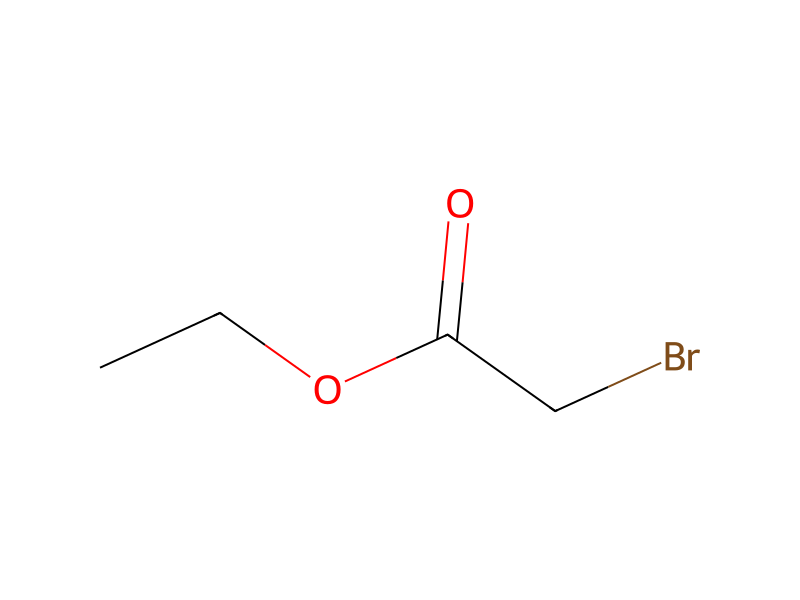
[OH:1][C:2]1[C:11]2[N:10]=[CH:9][CH:8]=[CH:7][C:6]=2[C:5]([CH:12]=[O:13])=[CH:4][CH:3]=1.C(=O)([O-])[O-].[K+].[K+].[CH2:20]([O:22][C:23](=[O:26])[CH2:24]Br)[CH3:21]>CN(C=O)C.ClCCl>[CH2:20]([O:22][C:23](=[O:26])[CH2:24][O:1][C:2]1[CH:3]=[CH:4][C:5]([CH:12]=[O:13])=[C:6]2[C:11]=1[N:10]=[CH:9][CH:8]=[CH:7]2)[CH3:21]To a solution of 8-hydroxyquinoline-5-carbaldehyde (170 mg, 0.98 mmol) in DMF (5 ml) were added anhydrous potassium carbonate (150 mg) and 2-bromoacetic acid ethyl ester (0.12 ml, 180 mg, 1.08 mmol) at room temperature and the stirring was continued for 1 h. Then the reaction mixture was diluted with dichloromethane, the organic layer was washed several times with water, dried over sodium sulfate and then evaporated under vacuum. The residue was chromatographed on silica gel with ethyl acetate/cyclohexane (9:1) as eluant; to give 190 mg (74.8% yield) of pure 2-(5-formylquinol-8-yloxy)acetic acid ethyl ester.