Hydrochloric Acid → HCID 20351906, Verbindung
HRID 1077280
Reaktionsgleichung

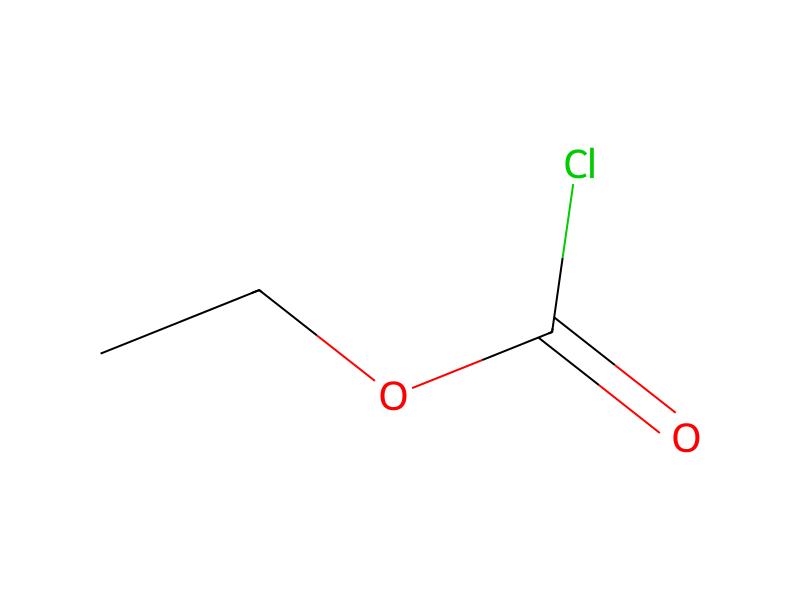
[Cl:1][C:2]1[CH:3]=[C:4]([N:9]([OH:13])[C:10]([NH2:12])=[O:11])[CH:5]=[CH:6][C:7]=1[Cl:8].Cl[C:15](OCC)=[O:16].Cl>[OH-].[Na+]>[Cl:1][C:2]1[CH:3]=[C:4]([N:9]2[C:10](=[O:11])[NH:12][C:15](=[O:16])[O:13]2)[CH:5]=[CH:6][C:7]=1[Cl:8]Komponenten
5
Edukt 3


Produkt 1

Reagenzien, Katalysatoren, Lösungsmittel 1

Versuchsvorschrift
1-(3,4-Dichlorophenyl)-1-hydroxyurea (6.0 grams) dissolved in aqueous sodium hydroxide (13 ml; 2.0 M) is charged into a glass reaction vessel equipped with a mechanical stirrer and thermometer. The reaction mixture is cooled to a temperature of 10° to 15°C and ethyl chloroformate (2.5 ml) is slowly added with stirring resulting in the formation of a white precipitate. After the addition is completed stirring is continued for a period of about 1/2 hour. After this time the reaction mixture is poured into a water-ice mixture and is treated with 6 N hydrochloric acid until the mixture is acidic. The solid product is then recovered by filtration and is dissolved in methylene chloride. The resulting solution is dried over anhydrous magnesium sulfate and is stripped of solvent. The remaining solid residue is then recrystallized from toluene to yield the desired product 2-(3,4-dichlorophenyl)-1,2,4-oxadiazolidin-3,5-dione having a melting point of 126° to 127.5°C.