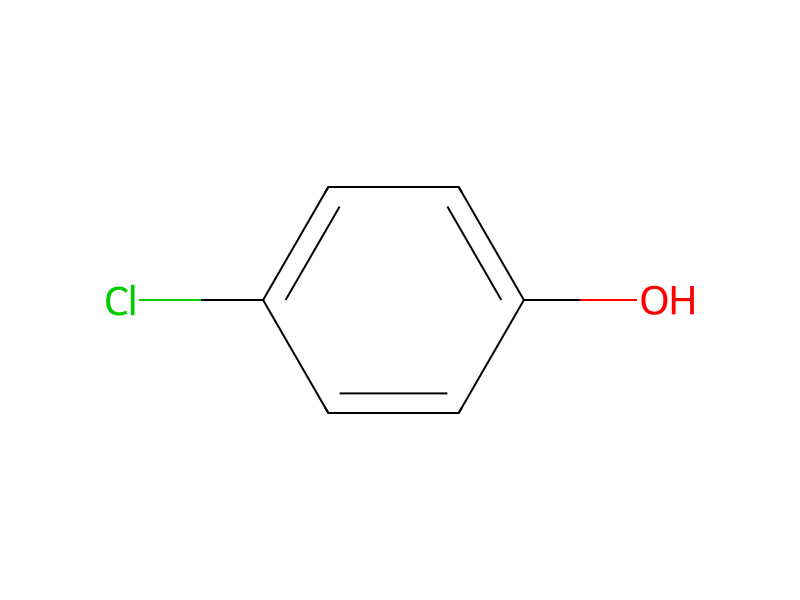
461.5 9 (2.84 mols) of 1-chloro-3,3,4-trimethylpentan-2-one are added with stirring over the course of 1 hour to a mixture of 364.9 g (2.84 mols of 4-chlorophenol and 392 g (2.84 mols of potassium carbonate heated to 100° C. in 2,700 ml of N,N-dimethylformamide. After heating at 100° C. for ten hours, the mixture is cooled to 20° C., precipitated potassium chloride is removed by filtration, and the filtrate is evaporated under reduced pressure. The residue is taken up in 1,500 ml of dichloromethane and washed twice with 750 ml of 5% strength aqueous sodium hydroxide solution and 750 ml of water each time. After drying the organic phase over anhydrous sodium sulphate, the solvent is removed by distillation under reduced pressure and the oily residue is distilled in vacuo. 632 g (87.4% of theory) of 1-(4-chlorophenoxy)-3,3,4-trimethylpentan-2-one of boiling point 147°-148° C./0.15 torr are thus obtained.