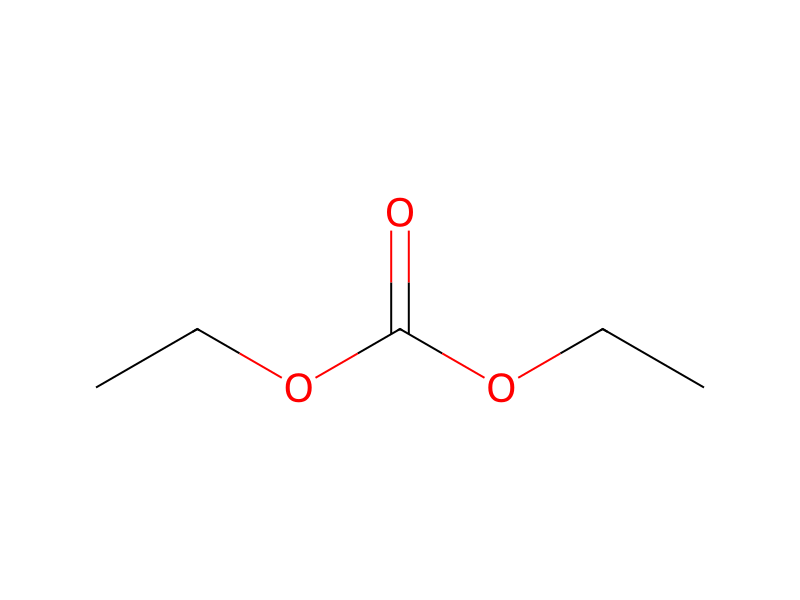
[C:1]1([N:7]2[C:16]3[C:11](=[CH:12][CH:13]=[CH:14][CH:15]=3)[C:10](=[O:17])[CH2:9][CH2:8]2)[CH:6]=[CH:5][CH:4]=[CH:3][CH:2]=1.[H-].[Na+].[CH2:20]([O:22][C:23](=O)[O:24]CC)[CH3:21]>C1C=CC=CC=1>[OH:17][C:10]1[C:11]2[C:16](=[CH:15][CH:14]=[CH:13][CH:12]=2)[N:7]([C:1]2[CH:6]=[CH:5][CH:4]=[CH:3][CH:2]=2)[CH2:8][C:9]=1[C:23]([O:22][CH2:20][CH3:21])=[O:24]A solution of 29 g of 2,3-dihydro-1-phenyl-4(1H)-quinolone in 200 ml of benzene was added, dropwise, to a stirred slurry of 7.2 g of sodium hydride in 200 ml of benzene. The slurry was stirred for one hour at room temperature, and then treated with 23.6 g of diethylcarbonate. The resulting suspension was refluxed for five hours, cooled to room temperature, and quenched with 200 ml of water. The organic phase was separated, dried over anhydrous magnesium sulfate, filtered, and evaporated. Purification of the residue by means of high pressure liquid chromatography (silica gel; dichloromethane as the eluent) afforded 22.4 g (59%) of 1,2-dihydro-4-hydroxy-1-phenyl-3-quinolinecarboxylic acid, ethyl ester. Recrystallization from diethyl ether yielded the analytical sample, m.p. 103°-106° C.