Methanesulfonic Acid → Paroxetine Impurity 10
Reaktionsgleichung

[CH:1]1[C:6]([C@H:7]2[C@H:12]([CH2:13][O:14][C:15]3[CH:16]=[CH:17][C:18]4[O:23][CH2:22][O:21][C:19]=4[CH:20]=3)[CH2:11][NH:10][CH2:9][CH2:8]2)=[CH:5][CH:4]=[C:3](F)[CH:2]=1.[CH3:25][S:26]([OH:29])(=[O:28])=[O:27]>CC(O)C>[CH3:25][S:26]([OH:29])(=[O:28])=[O:27].[CH2:8]1[C@@H:7]([C:6]2[CH:1]=[CH:2][CH:3]=[CH:4][CH:5]=2)[C@H:12]([CH2:13][O:14][C:15]2[CH:16]=[CH:17][C:18]3[O:23][CH2:22][O:21][C:19]=3[CH:20]=2)[CH2:11][NH:10][CH2:9]1Komponenten
4
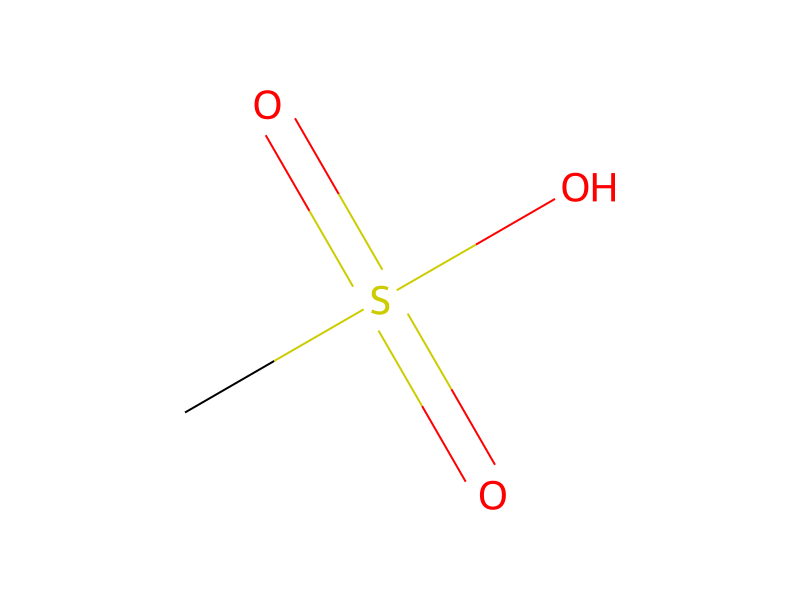


Reagenzien, Katalysatoren, Lösungsmittel 1

Reaktionsbedingungen
- Temperatur
- 18 °C
Versuchsvorschrift
A round bottomed flask was charged with a solution of paroxetine base (23.5 g) in toluene (50 ml), obtained directly from the base hydrolysis of the N-phenoxycarbonyl intermediate. The toluene was removed in vacuo to produce an oily residue. To this residue was added propan-2-ol (50 ml) and the mixture was warmed to ensure total dissolution of the paroxetine. The temperature of the solution was cooled to 18° C. and methanesulfonic acid (6.86 g) was added, then the solvents were removed at reduced pressure and replaced with fresh propan-2-ol (110 ml). The solution was heated to reflux temperature, cooled to 18° C., and seeded with crystalline paroxetine methanesulfonate. Crystallisation was induced with vigorous stirring and insonation, and the product collected by filtration, and dried over phosphorus pentoxide in a vacuum desiccator to produce paroxetine methanesulfonate as a white crystalline solid.