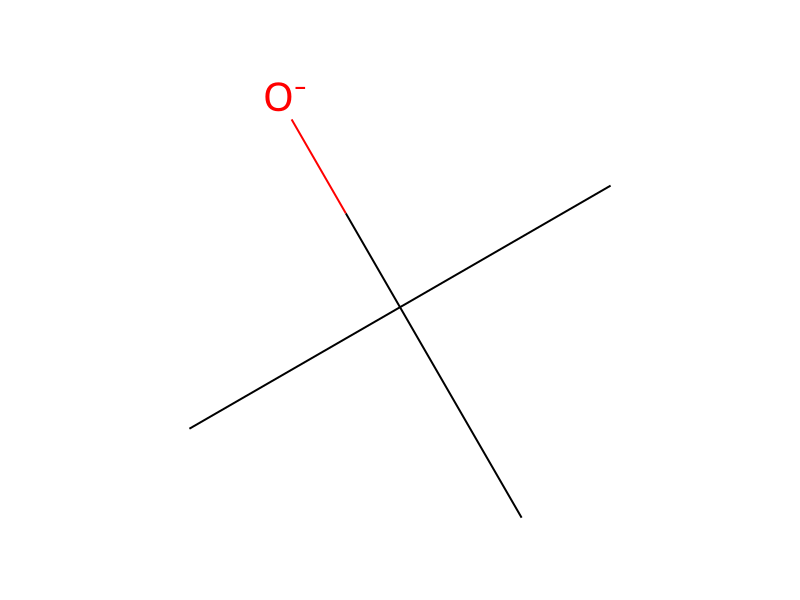
1-tert-Butoxycarbonyl-3-oxopiperazine (21.6 g) was dissolved in dry DMF (500 ml) and poptassium tert-butoxide (24.2 g) was added. The mixture was stirred at ambient temperature for 30 minutes, then 1-(4-methylphenylsulfonyloxy)-2-fluoroethane (see J. Med. Chem. (1980), 23(9), 985-90 for outline of synthesis, 25.9 g) added, and stirring continued at the same temperature for 24 hours. Solvent was evaporated, and the residue partitioned between ethyl acetate and water. The organic layer was washed with water and evaporated. The residue was dissolved in isopropanol and diluted with iso-hexane, precipitating unchanged piperazinone starting material, which was removed by filtration. The solution was chromatographed on silica, using as eluant a gradient increasing in polarity from 0 to 50% isopropanol in iso-hexane. Relevant fractions were combined and evaporated to give 1-tert-butoxycarbonyl-4-(2-fluoroethyl)-3-oxopiperazine (6.74 g).