Piperazine → 9-Hydroxy-4-phenyl-6-[3-(1-piperazinyl)propyl]pyrrolo[3,4-c]carbazole-1,3(2H,6H)-dione
HRID 11095
Reaktionsgleichung

Br[CH2:2][CH2:3][CH2:4][N:5]1[C:17]2[CH:16]=[C:15]([C:18]3[CH:23]=[CH:22][CH:21]=[CH:20][CH:19]=3)[C:14]3[C:24](=[O:28])[NH:25][C:26](=[O:27])[C:13]=3[C:12]=2[C:11]2[CH:10]=[C:9]([OH:29])[CH:8]=[CH:7][C:6]1=2.[NH:30]1[CH2:35][CH2:34][NH:33][CH2:32][CH2:31]1>>[OH:29][C:9]1[CH:8]=[CH:7][C:6]2[N:5]([CH2:4][CH2:3][CH2:2][N:30]3[CH2:35][CH2:34][NH:33][CH2:32][CH2:31]3)[C:17]3[CH:16]=[C:15]([C:18]4[CH:19]=[CH:20][CH:21]=[CH:22][CH:23]=4)[C:14]4[C:24](=[O:28])[NH:25][C:26](=[O:27])[C:13]=4[C:12]=3[C:11]=2[CH:10]=1Komponenten
3
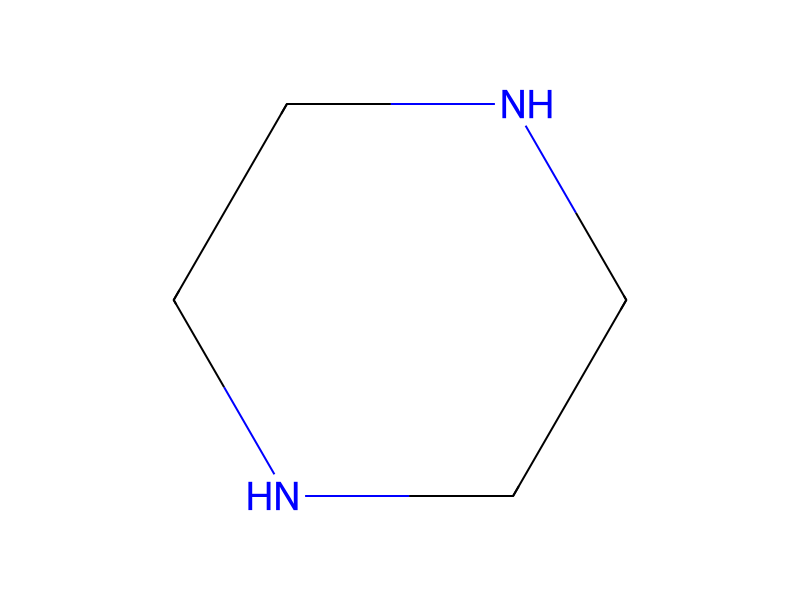


Versuchsvorschrift
Bromide (204) (70 mg, 0.16 mmol) prepared as described in example 173 was reacted with piperazine according to The procedure described in example 179 except that the reaction was performed at room temperature for 20 h, to give amine (215) (40 mg, 55%) as a yellow powder, mp 178–183° C. 1H NMR δ [(CD3)2SO] 11.0 (br s, 1H), 9.35 (br s, 1H), 8.40 (d, J=2.4 Hz, 1H), 7.78 (s, 1H), 7.62 (m, 2H), 7.56 (d, J=8.8 Hz, 1H), 7.45 (m, 3H), 7.14 (dd, J=8.8, 2.4 Hz, 1H), 4.49 (t, J=6.3 Hz, 2H), 2.52 (m, 4H), 2.12 (m, 6H), 1.91 (m, 2H). Found: C, 69.31; H, 5.97; N, 11.49. C27H26N4O3.4/5H2O requires: C, 69.16; H, 5.93; N, 11.94.