Reaktionsgleichung

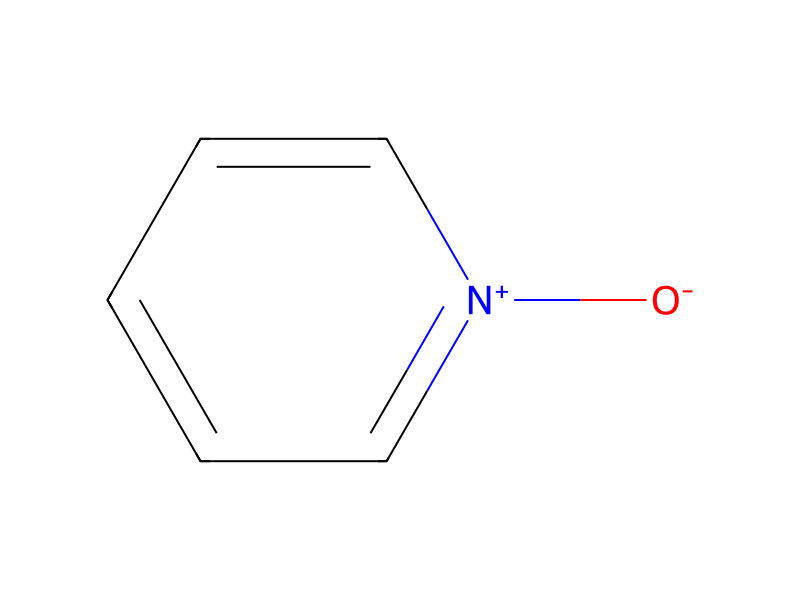
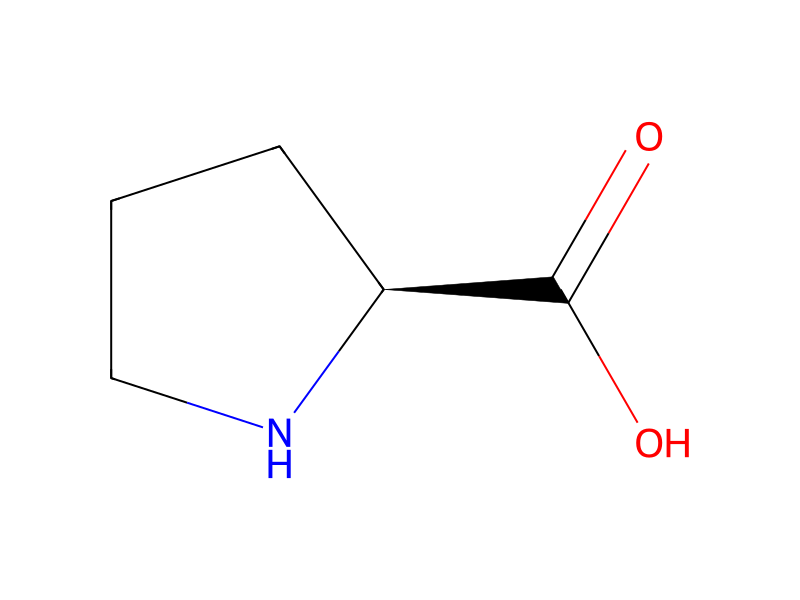
[O:1]=[C:2]([C:8]1[CH:13]=[CH:12][CH:11]=[CH:10][N:9]=1)[CH2:3][CH2:4][C:5]([OH:7])=O.[N+:14]1([O-:20])[CH:19]=[CH:18][CH:17]=[CH:16][CH:15]=1.[NH:21]1[CH2:28][CH2:27][CH2:26][C@H:22]1[C:23]([OH:25])=[O:24]>>[N:9]1[CH:10]=[CH:11][CH:12]=[CH:13][C:8]=1[C:2]([CH2:3][CH2:4][C:5]([N:21]1[CH2:28][CH2:27][CH2:26][C@H:22]1[C:23]([OH:25])=[O:24])=[O:7])=[O:1].[N+:14]1([O-:20])[CH:19]=[CH:18][CH:17]=[CH:16][CH:15]=1Komponenten
5


Versuchsvorschrift
As for Example 11, γ-oxo-2-pyridinebutyric acid, pyridine-1-oxide is coupled to L-proline to give 1-[3-(2-pyridylcarbonyl)propionyl]-L-proline, pyridine-1-oxide. Reaction of the preceding compound with bromine in acetic acid and reaction of the brominated compound with sodium thioacetate in acetonitrile gives the product of the Example as a glass.
Quellen und Nachweise
- ORD-Eintrag
- ord-c76465f8685e44659893d8c0acf33aa4
- Quelldatensatz
- uspto-grants-1981_11
- Patentnummer
- US04299769
Verknüpfte Notizen
Wird geladen…