StartseiteMCPWorkbenchSkills
StartseiteWorkbenchBenachrichtigungenMein Bereich
llms.txt · MCP-AnleitungDatenschutz · Nutzungsbedingungen · Supportv1.8.3
  1. Startseite
  2. /Reaktion

Hydrogen Peroxide → (4S)-4-Benzyl-3-[(2S,3R)-3-(3-benzyloxyphenyl)-3-hydroxy-2-isopropoxypropionyl]-1,3-oxazolidin-2-one

HRID 1160481
Drucken

Reaktionsgleichung

Reaktionsgleichung von HRID 1160481
[CH2:1]([C@H:8]1[CH2:12][O:11][C:10](=[O:13])[N:9]1[C:14](=[O:20])[CH2:15][O:16][CH:17]([CH3:19])[CH3:18])[C:2]1[CH:7]=[CH:6][CH:5]=[CH:4][CH:3]=1.[O-]S(C(F)(F)F)(=O)=O.C([B+]CCCC)CCC.[CH2:38]([O:45][C:46]1[CH:47]=[C:48]([CH:51]=[CH:52][CH:53]=1)[CH:49]=[O:50])[C:39]1[CH:44]=[CH:43][CH:42]=[CH:41][CH:40]=1.C(O)(=O)CC(CC(O)=O)(C(O)=O)O.P([O-])(O)(O)=O.[Na+].OO>CO.ClCCl.C(N(CC)CC)C.C1(C)C=CC=CC=1>[CH2:1]([C@H:8]1[CH2:12][O:11][C:10](=[O:13])[N:9]1[C:14](=[O:20])[C@@H:15]([O:16][CH:17]([CH3:18])[CH3:19])[C@@H:49]([C:48]1[CH:51]=[CH:52][CH:53]=[C:46]([O:45][CH2:38][C:39]2[CH:44]=[CH:43][CH:42]=[CH:41][CH:40]=2)[CH:47]=1)[OH:50])[C:2]1[CH:7]=[CH:6][CH:5]=[CH:4][CH:3]=1
KomponentenReaktionsbedingungenVersuchsvorschriftAufarbeitungQuellen und NachweiseNotizen zur Reaktion

Komponenten

10

Edukt 5

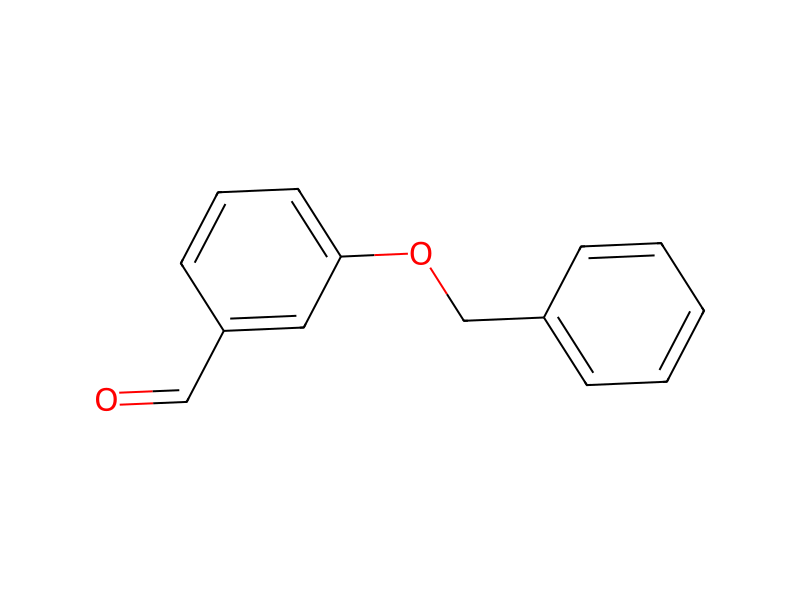
HCID 784Hydrogen PeroxideHCID 743423-BenzyloxybenzaldehydeHCID 23689370Sodium citrate phosphateHCID 59997951(4S)-4-benzyl-3-(2-isopropoxyacetyl)oxazolidin-2-oneHCID 178418657HCID 178418657, Verbindung

Produkt 1

HCID 57719581
(4S)-4-Benzyl-3-[(2S,3R)-3-(3-benzyloxyphenyl)-3-hydroxy-2-isopropoxypropionyl]-1,3-oxazolidin-2-one
Ausbeute 103,6 %

Reagenzien, Katalysatoren, Lösungsmittel 4

HCID 887MethanolLösungsmittelHCID 1140TolueneLösungsmittelHCID 6344DichloromethaneLösungsmittelHCID 8471TriethylamineLösungsmittel

Reaktionsbedingungen

Temperatur
0 °C

Versuchsvorschrift

A toluene (2.4 L) solution of 150 g of (4S)-4-benzyl-3-(2-isopropoxyacetyl)oxazolidin-2-one and 90 mL of triethylamine was cooled to −70° C., to which 550 mL of dibutylboron triflate (1M dichloromethane solution) was added dropwise at an internal temperature of −70° C. or less. After the dropwise addition, the internal temperature was increased to 0° C. and the reaction mixture was stirred at 0° C. for 30 minutes, followed by again cooling to −70° C. A dichloromethane (300 mL) solution of 121 g of 3-benzyloxybenzaldehyde was added to the reaction mixture using a cannula, followed by increasing the internal temperature to 0° C. over a period of 40 minutes. The reaction mixture was stirred at 0° C. for 1.5 hours, to which 1 L of methanol, 1.5 L of pH 7 buffer (sodium dihydrogenphosphate-citric acid) and 250 mL of hydrogen peroxide (30% aqueous solution) were then added, followed by stirring the solution at room temperature for 30 minutes. Subsequently, the reaction mixture was extracted with ethyl acetate (3 L). The organic layer was washed with a saturated sodium chloride solution (1.5 L), and then dried with anhydrous magnesium sulfate, followed by distilling off the solvent under a reduced pressure. The residue was purified using silica gel column chromatography to obtain 274.3 g of the title compound in the form of colorless oily matter from a hexane-ethyl acetate (2:1→3:2)-eluted fraction.

Aufarbeitung

  1. additionwas added dropwise at an internal temperature of −70° C. or less
  2. additionAfter the dropwise addition
  3. temperatureby again cooling to −70° C
  4. temperatureby increasing the internal temperature to 0° C. over a period of 40 minutes
  5. additionwere then added
  6. stirringby stirring the solution at room temperature for 30 minutes
  7. extractionSubsequently, the reaction mixture was extracted with ethyl acetate (3 L)
  8. washThe organic layer was washed with a saturated sodium chloride solution (1.5 L)
  9. dry with materialdried with anhydrous magnesium sulfate
  10. distillationby distilling off the solvent under a reduced pressure
  11. customThe residue was purified

Quellen und Nachweise

ORD-Eintrag
ord-4a8d0bb0c8ba4a0a91c35c28719713ba
Quelldatensatz
uspto-grants-2010_10
DOI
10.6084/m9.figshare.5104873.v1
Patentnummer
US07816405B2

Notizen zur Reaktion

Auf dieser SeiteKomponentenReaktionsbedingungenVersuchsvorschriftAufarbeitungQuellen und NachweiseNotizen zur Reaktion



