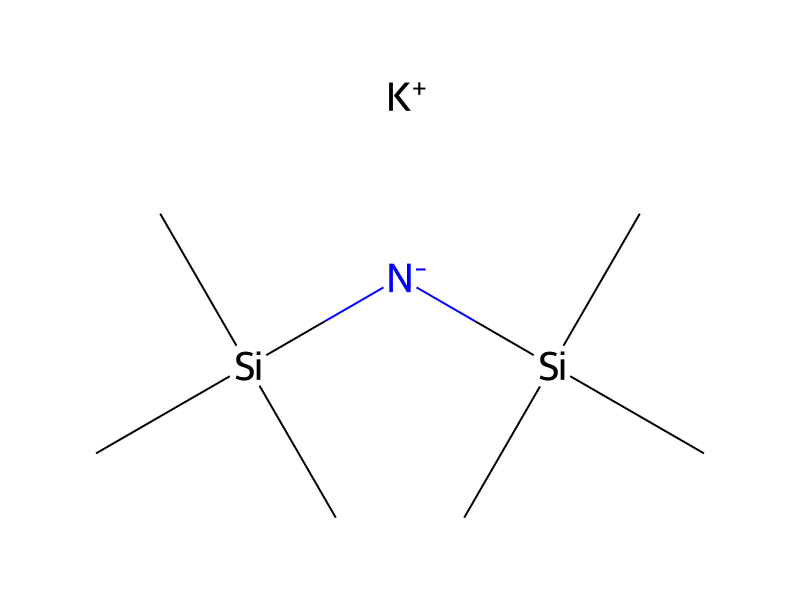
A solution of benzyl-4,4-difluorocyclohexanecarboxylate (6.5 g, 25.56 mmol) in 128 ml of THF was cooled to −78° C. under nitrogen. Potassium bis(trimethylsilyl)amide (76.7 mL of 0.5 M solution in toluene) was added, and the mixture was stirred at −78° C. for one hour. A THF solution (35 mL) of 3-phenyl-2-(phenylsulfonyl)oxaziridine (9.35 g, 35.79 mmol) was added, and the reaction was stirred for 40 minutes. After quenching with a saturated aqueous ammonium chloride solution and warming to room temperature, the reaction mixture was extracted with EtOAc. The combined organic layers were washed with water and brine prior to drying over sodium sulfate. Filtration and removal of solvent provided crude product which was stirred with 100 mL of chloroform, and then filtered to remove the insoluble material. The filtrate was concentrated under vacuum and the residue was subjected to silica gel chromatography eluting with 5 to 20% EtOAc in hexane to afford benzyl 4,4-difluoro-1-hydroxycyclohexanecarboxylate.