StartseiteMCPWorkbenchSkills
StartseiteWorkbenchBenachrichtigungenMein Bereich
llms.txt · MCP-AnleitungDatenschutz · Nutzungsbedingungen · Supportv1.8.3
  1. Startseite
  2. /Reaktion

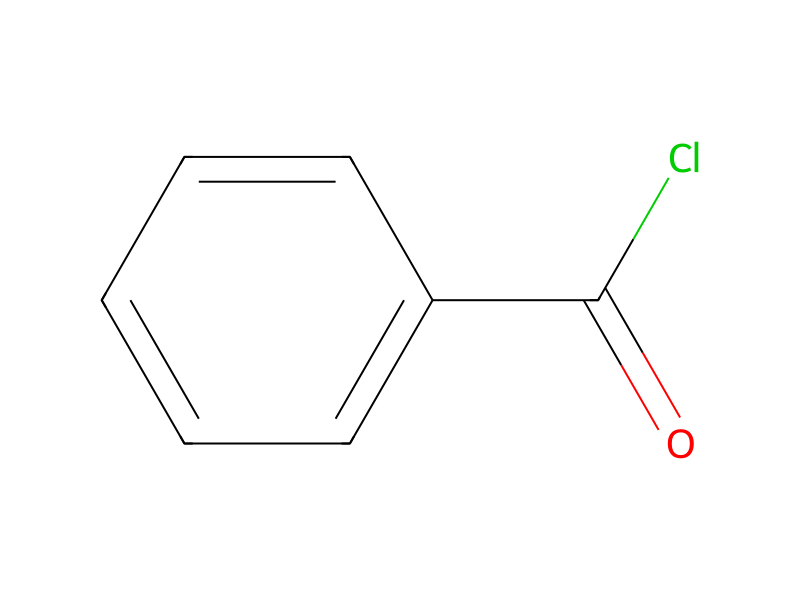
Benzoyl chloride → N-(5,6-Diethyl-indan-2-yl)-benzamide

HRID 1162377
Drucken

Reaktionsgleichung

Reaktionsgleichung von HRID 1162377
[CH2:1]([C:3]1[CH:4]=[C:5]2[C:9](=[CH:10][C:11]=1[CH2:12][CH3:13])[CH2:8][CH:7]([NH2:14])[CH2:6]2)[CH3:2].C(N(CC)CC)C.[C:22](Cl)(=[O:29])[C:23]1[CH:28]=[CH:27][CH:26]=[CH:25][CH:24]=1>ClCCl>[CH2:12]([C:11]1[CH:10]=[C:9]2[C:5](=[CH:4][C:3]=1[CH2:1][CH3:2])[CH2:6][CH:7]([NH:14][C:22](=[O:29])[C:23]1[CH:28]=[CH:27][CH:26]=[CH:25][CH:24]=1)[CH2:8]2)[CH3:13]
KomponentenVersuchsvorschriftAufarbeitungQuellen und NachweiseNotizen zur Reaktion

Komponenten

5

Edukt 3

HCID 7412Benzoyl chlorideHCID 8471TriethylamineHCID 101926155,6-diethyl-2,3-dihydro-1H-inden-2-amine

Produkt 1

HCID 22499179N-(5,6-Diethyl-indan-2-yl)-benzamide

Reagenzien, Katalysatoren, Lösungsmittel 1

HCID 6344DichloromethaneLösungsmittel

Versuchsvorschrift

5,6-Diethyl-indan-2-ylamine (4.10 g) is dissolved in dichloromethane (DCM) (150 mL) and triethylamine (2.41 g) is added. Benzoyl chloride (3.20 g) is then added dropwise and the reaction mixture is stirred at room temperature. The reaction is shown to be complete by TLC after 1 hour. The solution is washed with 0.2M HCl (100 mL), water (100 mL) and brine (100 mL). The organic layer is dried over MgSO4, filtered and the solvent is removed in vacuo. Crystallised from ethyl acetate. TLC. (silica, dichloromethane I methanol 10:1 Rf=0.85).

Aufarbeitung

  1. washThe solution is washed with 0.2M HCl (100 mL), water (100 mL) and brine (100 mL)
  2. dry with materialThe organic layer is dried over MgSO4
  3. filtrationfiltered
  4. customthe solvent is removed in vacuo
  5. customCrystallised from ethyl acetate

Quellen und Nachweise

ORD-Eintrag
ord-4b4fd27200a24e8d9a16cfff6e77dd3c
Quelldatensatz
uspto-grants-2010_10
DOI
10.6084/m9.figshare.5104873.v1
Patentnummer
US07820694B2

Notizen zur Reaktion

Auf dieser SeiteKomponentenVersuchsvorschriftAufarbeitungQuellen und NachweiseNotizen zur Reaktion